Trump Says US-Iran War Will End Right After Midterms: What It Means
Trump says the US-Iran war will end immediately after the November midterms, warning oil relief may take longer. Here's the politics and market context.
Source: thepaper.cn
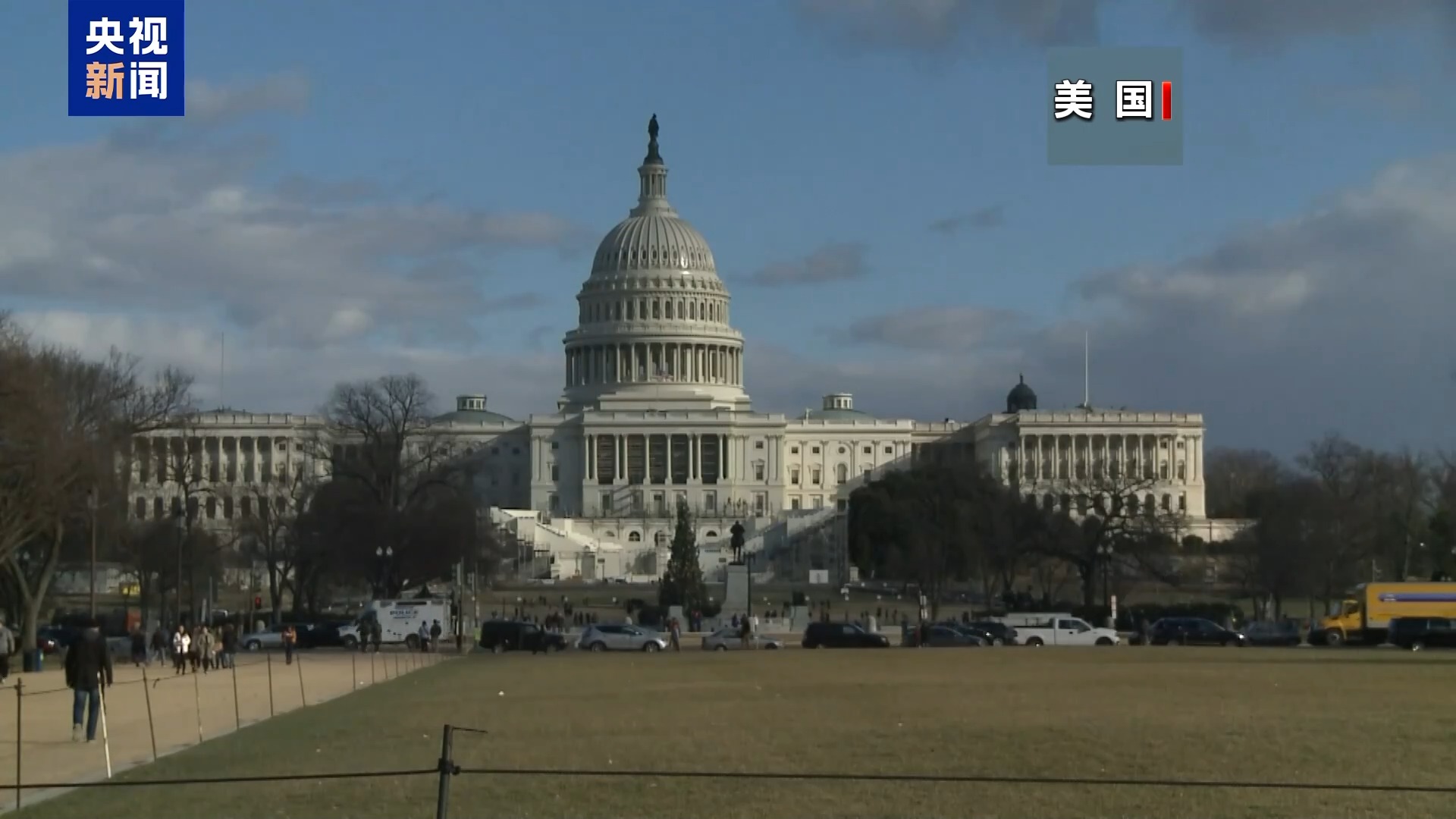
On September 9, 2026, President Donald Trump told reporters that he expects the war with Iran to conclude right after the U.S. midterm elections this November. The remark, delivered at Joint Base Andrews before he boarded Air Force One for a Republican rally in Dallas, was unusually blunt: Washington is not seeking negotiations, and the fighting will stop as soon as voters finish casting ballots. For anyone tracking energy prices, inflation, or the 2026 election cycle, this single sentence ties three of the year's biggest stories into one.
Key Points
- The timeline is explicitly political. Trump said the war would end "immediately" once the election is over, framing the conflict's conclusion around a domestic vote rather than a military or diplomatic milestone. That choice of words invites questions about what is actually driving the endgame.
- No negotiations are planned. Asked directly about talks with Tehran, Trump said the administration is "not seeking" them. This closes off the diplomatic track that previous U.S. administrations typically pursued alongside military pressure.
- Oil prices are the pressure point. Trump acknowledged that relief at the pump may take "a little longer" than the election itself, but insisted prices will fall sharply once hostilities stop. That is a promise voters can measure at the gas station.
- The setting matters. The comments came en route to a Republican midterm rally in Dallas, underscoring how tightly the war's messaging is bound to campaign season. The trip was briefly delayed when Air Force One's emergency slide deployed during what was described as a test.
- Domestic politics are front and center. With control of Congress at stake in November, the war's cost, duration, and economic spillover are live campaign issues. Trump's framing suggests he wants voters to see an end in sight.
- The economic stakes are global. The U.S.-Iran conflict has rippled through energy markets, shipping routes, and insurance costs well beyond the region. A sudden stop would reshape risk pricing worldwide, not just in America.
- Verification is difficult. No specific mechanism, withdrawal schedule, or ceasefire framework was offered. That leaves observers to judge the claim by outcomes rather than stated plans.
In-Depth Analysis
The most revealing part of Trump's statement is not the promise of an ending but the timing attached to it. Wars rarely conclude on a calendar set by voters, yet Trump has effectively tied the conflict's finish line to a domestic political event. That framing serves two purposes: it signals to supporters that an unpopular, costly engagement has a defined horizon, and it pressures Tehran by suggesting Washington's patience is finite and its exit is already decided. Whether that is strategy or simply campaign rhetoric will only become clear after November.
Markets, meanwhile, are likely to treat the remark with caution. Oil traders price risk on expectations, not announcements, and the gap Trump himself acknowledged — that fuel prices may lag the war's end — reflects how supply chains, refinery capacity, and shipping insurance adjust slowly. Even a genuine ceasefire would not instantly restore pre-conflict logistics. Investors who have hedged against prolonged disruption are unlikely to unwind those positions based on a single soundbite.
There is also a diplomatic cost to consider. Publicly ruling out negotiations removes a pressure valve that has historically helped de-escalate U.S.-Iran tensions, from the 2015 nuclear framework to earlier back-channel talks. If the only stated path to peace is a unilateral halt after an election, Tehran has little incentive to moderate its behavior in the meantime. Regional actors — Gulf states, Israel, and shipping nations — will read the statement as a signal that American attention is shifting inward.
Domestically, the politics cut both ways. An incumbent promising to end a war can energize a base tired of foreign entanglements, but it also invites opponents to ask why the war was allowed to persist until an election made ending it convenient. If oil prices remain elevated into November, the promise could become a liability rather than an asset. If they fall sharply, it becomes a vindication.
Looking ahead, watch three indicators: whether any indirect communication with Tehran emerges despite the public refusal, how crude and refined product prices move in the weeks before the vote, and whether the administration offers any concrete withdrawal or ceasefire framework. Until then, the statement functions less as policy than as a bet — placed publicly, with an election as the deadline.
FAQ
Is the war actually ending after the midterms? Trump has stated his expectation, but no formal ceasefire, withdrawal plan, or timeline has been announced. Treat the claim as a stated intention rather than a confirmed policy until official mechanisms appear.
Why would oil prices stay high even after fighting stops? Energy markets adjust slowly. Shipping insurance, refinery operations, and supply contracts take weeks or months to normalize, which is why Trump himself said price relief could take longer than the election.
How does this affect the 2026 midterms? The war's cost and its impact on gas prices are tangible issues for voters. Trump's framing gives Republicans a message of closure, while Democrats can argue the timing is politically motivated rather than strategic.
Source: https://www.thepaper.cn/newsDetail_forward_34041040
Related posts

David's Bridal Spins Off AI Platform Pearl for Public Listing
David's Bridal plans to spin off its AI platform Pearl into a publicly traded company, targeting a $350M valuation and a first-half 2027 IPO.
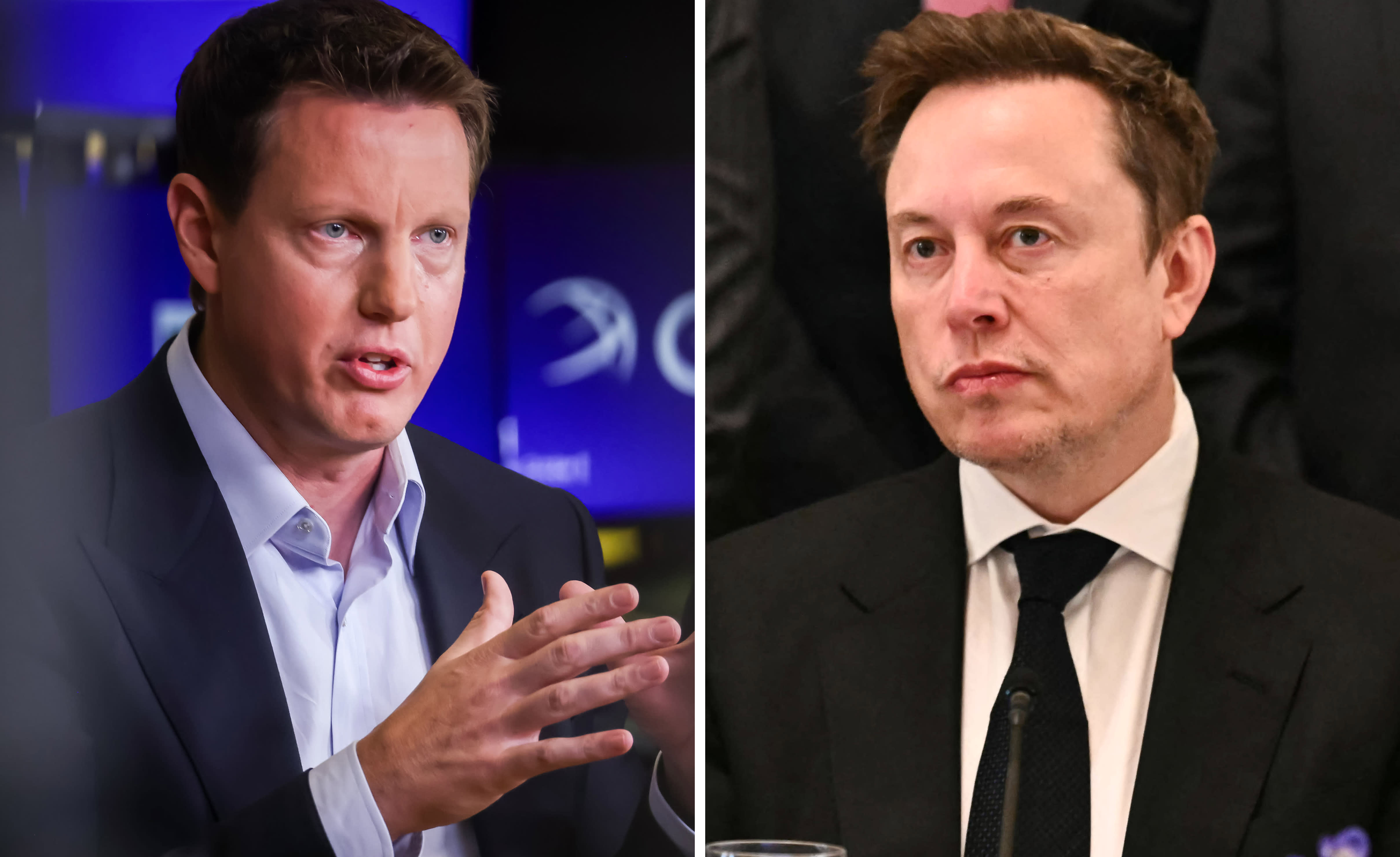
Elon Musk's Billion-Dollar Bet: New Investment in Skydance Media
Elon Musk invests $1 billion in Skydance, a major media merger involving Paramount and Warner Bros. Discovery. This strategic move aims to cut costs and secure the future of the combined entertainment giant.

Comcast Exceeds Q3 Earnings Expectations as Media Strength Outweighs Connectivity Challenges
Comcast beats Wall Street expectations with strong media performance, while Peacock streaming service turns profitable for second time. The company faces challenges in connectivity but sees growth opportunities in mobile.
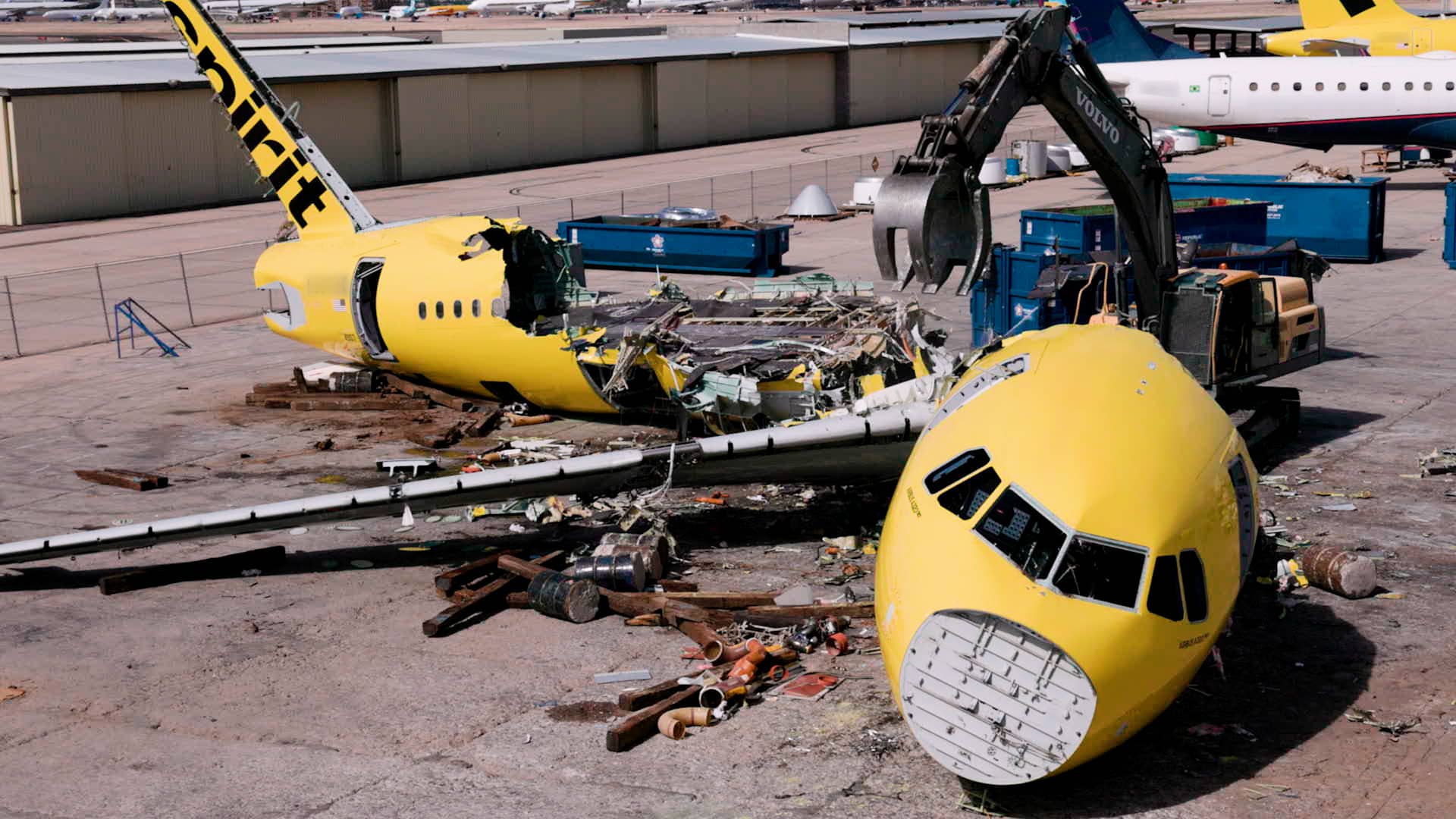
Why Airlines Are Scrapping Brand-New Aircraft Amid Engine Shortage Crisis
Airlines are dismantling planes years ahead of schedule due to unprecedented engine shortages, creating a booming market for aircraft parts while raising concerns about sustainability and operational costs.

NHK Documentary Exposes Secret 1978 Yasukuni Shrine Ritual
Newly released archival footage reveals the 1978 secret ritual that enshrined Class-A war criminals, exposing Japan's persistent historical revisionism.
Philippines Air Force Training Crash: 4 Pilots Killed in SF-260 Collision
A tragic air collision during a routine training mission in the Philippines has resulted in the deaths of four Air Force pilots. The incident highlights critical safety concerns within the country's military aviation infrastructure.

North Korea Holds Third Company Commanders Meeting Amid Military Reinforcement
Analysis of North Korea's recent military leadership gathering focused on strengthening company-level units and enhancing combat readiness.

Gen Z Candidates Tackle Housing Crisis in Midterms 2026
Young lawmakers from both parties are campaigning on solving the record-high cost of living. Explore how Gen Z is reshaping the housing debate.
Latest Articles
- Tibetan Plateau Earthquake: Analysis of the 7.0 Magnitude Quake and Post-Disaster Response
- Meta's New Link Policy: Why Social Media Sites Want You to Stay
- Darden vs. Chipotle: How Portfolio Diversification Impacts Restaurant Stock Performance in 2026
- High Fares And Fewer Passengers: Why Airlines Are Profitable Despite Lower Demand
- American Express Cuts 5% of Workforce to Accelerate AI Transformation
- Israel Imposes Total West Bank Blockade After Hebron Attack