Serbia's President Dissolves Parliament, Sets Snap Elections for October 25
Serbian President Vucic dissolves parliament, calling early elections on October 25. Understand the political context, constitutional process, and implications for Serbia's future.
Source: thepaper.cn
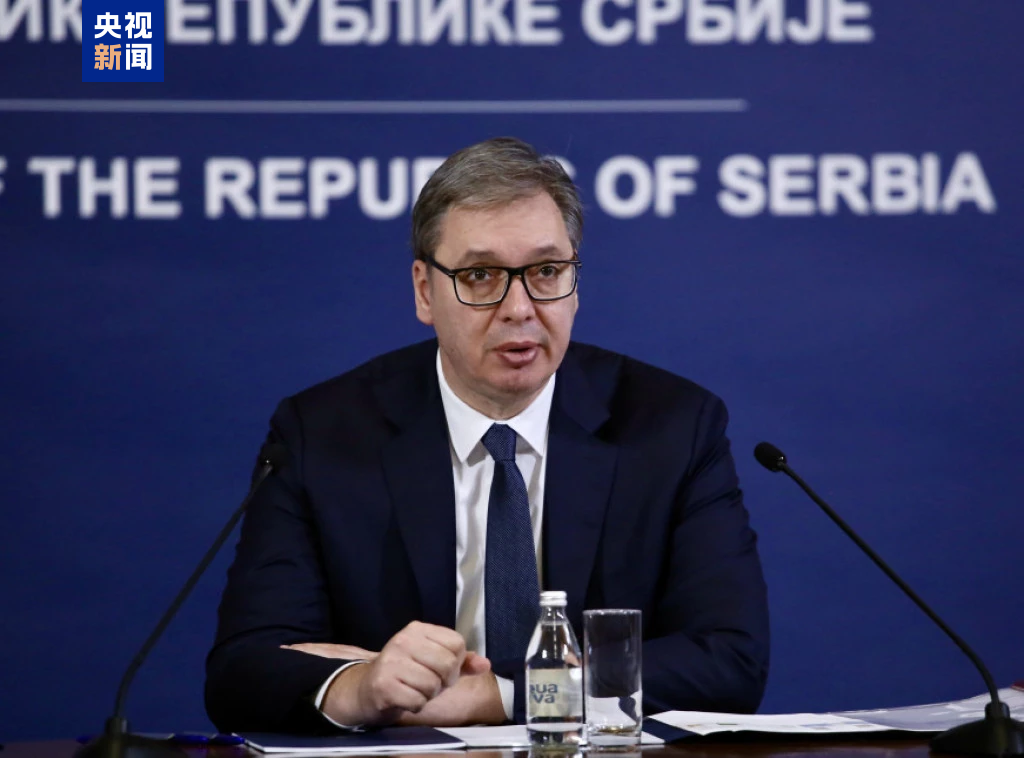
Serbia is heading to the polls sooner than expected. On September 9, 2026, President Aleksandar Vucic dissolved the National Assembly and scheduled early parliamentary elections for October 25. The move, which follows a proposal by Prime Minister Djuro Macut, comes less than three years into the current parliament's term, raising questions about the government's stability and strategic motives. With regional tensions and EU accession talks in the background, this snap election could reshape Serbia's political landscape for years to come.
Key Details
-
Constitutional Basis: Under Serbia's constitution, the president can dissolve the parliament upon the government's proposal, and simultaneously set the election date. This legal mechanism has been used before, but its application now signals a deliberate political calculation.
-
Timeline: The current parliament was elected in December 2023, so it has served less than three years of its four-year term. Early elections are not unprecedented in Serbia, but they disrupt the regular electoral cycle, often to capitalize on favorable political momentum.
-
Prime Minister's Role: Prime Minister Djuro Macut announced the proposal on September 7 after a special government session. His public backing suggests a coordinated effort between the presidency and the government, indicating unified leadership ahead of the vote.
-
Election Date: October 25, 2026, is set as the date for the snap parliamentary elections. This gives parties roughly six weeks to campaign, a relatively short period that may benefit well-organized incumbents.
-
Previous Elections: The last parliamentary elections were held in December 2023, which saw Vucic's Serbian Progressive Party (SNS) secure a majority. Since then, the political environment has seen shifts, including opposition protests and debates over media freedom and rule of law.
-
Regional Context: Serbia's relations with Kosovo remain a sensitive issue, and the EU accession process has stalled over normalization requirements. The election will likely be framed around these topics, as well as domestic economic concerns.
-
Public Reaction: Initial reactions from opposition parties have been mixed, with some welcoming the chance to challenge the government, while others criticize the timing as opportunistic. Polls suggest a fragmented opposition, which could play into the ruling party's hands.
In-Depth Analysis
The decision to dissolve parliament and call early elections is a classic political maneuver by President Vucic, who has dominated Serbian politics for over a decade. By going to the polls now, Vucic aims to solidify his party's mandate before potential economic headwinds or international pressures intensify. The timing is strategic: the opposition is still regrouping from previous electoral defeats, and the government can leverage state resources and media influence during the short campaign. However, this move also carries risks. If the SNS fails to secure a clear majority, it could lead to prolonged coalition negotiations, potentially destabilizing the government. Moreover, snap elections might be perceived as an attempt to avoid addressing pressing issues like corruption or the cost-of-living crisis. Internationally, the EU and the US will watch closely, as early elections could either accelerate reforms or further delay Serbia's integration path. The outcome will also influence regional dynamics, particularly in the Western Balkans, where Serbia's stance on Russia and its relationship with the EU are under scrutiny. Ultimately, this election is not just about who leads Serbia but about the direction the country takes in a volatile geopolitical environment.
Frequently Asked Questions
Why did President Vucic dissolve the parliament early? The dissolution allows for early elections, which Vucic likely believes will strengthen his party's position. By calling elections now, he can capitalize on a fragmented opposition and avoid potential future challenges, such as economic downturns or international pressure.
What does this mean for Serbia's EU accession process? The snap elections could delay EU-related reforms, as the campaign period often distracts from legislative work. However, if the ruling party secures a strong mandate, it might have more political capital to push through necessary reforms afterward. The EU will be monitoring the electoral process for fairness and transparency.
How do snap elections affect ordinary citizens? Citizens will experience a shortened campaign period, with parties rushing to present their platforms. Key issues like the economy, healthcare, and corruption are likely to dominate debates. Voter turnout may be affected by the timing, and there could be increased political polarization in the lead-up to October 25.
Source: https://www.thepaper.cn/newsDetail_forward_34038526
Related posts

Russia Starts Diesel Exports to US: Geopolitical Shifts Ahead
Russian President's spokesperson confirms first oil tanker heading to the US, marking a significant shift in energy markets and sanctions.
Israel Imposes Total West Bank Blockade After Hebron Attack
Israel orders a full siege of the West Bank following a deadly attack in Hebron. Here is the analysis of the escalation and the implications for regional security.

Peru Allocates $1.8 Billion to Combat El Niño and Economic Headwinds
President Kina Fujimori announces a massive fiscal stimulus to address climate crises, fuel costs, and infrastructure needs in 2027.
Trump Demands SpaceX Lift Starlink Restrictions for Ukraine Amid Geopolitical Tensions
President Trump expressed dissatisfaction with SpaceX CEO Elon Musk over throttling Starlink services, demanding the removal of speed limits to aid Ukraine's defense capabilities against Russian drones.

Louvre, Orsay Museums to Close on Oct 24 Amid Paris Protests
Paris museums including the Louvre and Orsay will close on Oct 24 due to planned demonstrations. Here is what you need to know about the closures and the ongoing unrest.

Moderna Cancer Vaccine Shows Promise Despite Stock Drop After Data Leak
Moderna's personalized cancer vaccine demonstrates significant efficacy in melanoma treatment, causing stock market volatility despite positive clinical results.

Wall Street Titans Debate AI Bubble: Internet Era or Long-Term Winner?
Citadel, BlackRock, and Oaktree leaders clash over AI valuations. Is the tech boom a repeat of 2000, or the dawn of a new era?

Travel Advisory: Safety Alert for Saudi Arabia Due to Airport Attacks
A deadly attack at King Fahd International Airport in Dammam has caused casualties and disrupted flights. The Chinese Embassy advises citizens to avoid travel and stay vigilant amid rising security threats.
Latest Articles
- EU's Cold War Approach to China's Arctic Activities Undermines Regional Stability
- Iran's 'Father of All Bombs' Challenge to US Military Dominance
- US Israel Strike Plans Against Iran Post-Midterms: Escalation Risks
- Saudi Arabia Execution of Bangladeshi Workers: Debunking the 'Honeymoon Kiss' Myth
- Southwest Airlines Cuts 2026 Profit Forecast Due to Rising Fuel Costs
- eBay 9% Workforce Cut: Strategic Shifts & AI Investment in 2026