US Military Casualties in Iran Reach 838: A New Phase of Conflict
The Pentagon reports 838 US casualties in Iran operations since July, including 18 deaths. We analyze the shift to 'overseas operations' tracking and what it signals.
Source: thepaper.cn
The Pentagon's latest casualty figures reveal a stark reality: since the resumption of hostilities with Iran in July, the US military has suffered 838 total casualties, including 18 deaths and 820 injuries. This number, updated through September 8, marks a significant escalation in a conflict that had seemingly concluded with Operation Epic Rage. But beyond the raw statistics lies a more telling story—a bureaucratic shift in how the Pentagon categorizes these losses, which speaks volumes about the evolving nature of America's military engagement in the Middle East.
Key Details
-
Total Casualties Since July: According to the Defense Casualty Analysis System, a database managed by the US Department of Defense, 838 US service members have been killed or wounded in Iran-related operations as of September 8. This includes 18 fatalities and 820 injuries.
-
Recent Spike: The data shows that since the restart of operations in July, there have been 4 deaths and 403 injuries. This indicates that the majority of casualties (over 48% of total injuries) have occurred in just the past two months, suggesting an intensification of combat.
-
New Tracking Category: In July, the Pentagon added an "overseas operations" category to its casualty database, specifically to track injuries and deaths from the new round of conflict with Iran that began on July 7. This separate classification is a notable departure from previous reporting methods.
-
Operation Epic Rage Concluded: The Pentagon explained that the new category was created because the military operation codenamed "Epic Rage" has officially ended. However, the ongoing hostilities with Iran necessitated a new tracking mechanism, implying that the conflict is far from over.
-
Washington Post Reporting: The Washington Post previously reported on this change, highlighting that the Pentagon's decision to create a separate category reflects the unique nature of the current phase—one that is not a formal operation but rather a sustained series of engagements.
-
Human Cost: The figures underscore the human toll of the US-Iran confrontation, which has seen repeated exchanges of fire, drone strikes, and missile attacks since July. Each casualty represents a family affected and a reminder of the risks faced by service members.
-
Opaque Reporting: The Pentagon has not released detailed breakdowns of the casualties by branch, rank, or specific incident, leaving gaps in public understanding of the conflict's progression.
In-Depth Analysis
The decision to create a new "overseas operations" category is more than just administrative housekeeping; it signals a strategic shift in how the US military views its involvement in Iran. By separating these casualties from the defunct Operation Epic Rage, the Pentagon is acknowledging that the conflict has entered a new, open-ended phase—one that lacks a clear operational name or defined end date. This ambiguity is telling: it suggests that the US is engaged in a low-intensity but persistent military campaign, possibly involving covert actions, airstrikes, and support for allied forces, rather than a large-scale invasion.
This new phase may be part of a broader strategy of "maximum pressure" or deterrence, aimed at curbing Iran's nuclear ambitions and regional influence without triggering a full-scale war. However, the rising casualty count—especially the 403 injuries in just two months—indicates that the risk of escalation remains high. The fact that the Pentagon is tracking these casualties under a generic category also raises questions about transparency. By avoiding a specific operation name, the administration may be seeking to minimize public scrutiny and political fallout, particularly in an election year.
Looking ahead, the trend suggests that the US-Iran conflict will persist, with periodic flare-ups. The high number of injuries (as opposed to deaths) might point to improved medical care and protective gear, but it also reflects the intensity of combat. As the situation evolves, we can expect further updates to this database, and the numbers will likely rise. The international community should watch closely, as this conflict has the potential to destabilize the entire Middle East region, affecting global oil prices and security dynamics.
FAQ
Q: What triggered the new round of US-Iran hostilities in July?
A: While the original Operation Epic Rage was declared over, tensions remained high due to unresolved issues such as Iran's nuclear program and regional proxy conflicts. The July resumption likely resulted from a specific incident or intelligence trigger, though the Pentagon has not publicly detailed the exact cause.
Q: How does the US military categorize casualties in ongoing conflicts?
A: The Department of Defense uses the Defense Casualty Analysis System to track all military deaths and injuries. When a formal operation ends, casualties from subsequent actions are often grouped under broader categories like "overseas operations" to maintain accurate records without assigning a new operation name.
Q: What is the significance of the 838 casualty figure for US policy?
A: The number highlights the ongoing cost of US military engagement in Iran, which could influence public opinion and policy decisions. It may prompt debates in Congress about the Authorization for Use of Military Force (AUMF) and the need for a new mandate, especially if casualties continue to climb.
Source: https://www.thepaper.cn/newsDetail_forward_34036985
Related posts

Israel Imposes Total West Bank Blockade After Hebron Attack
Israel orders a full siege of the West Bank following a deadly attack in Hebron. Here is the analysis of the escalation and the implications for regional security.

Peru Allocates $1.8 Billion to Combat El Niño and Economic Headwinds
President Kina Fujimori announces a massive fiscal stimulus to address climate crises, fuel costs, and infrastructure needs in 2027.

Trump Demands SpaceX Lift Starlink Restrictions for Ukraine Amid Geopolitical Tensions
President Trump expressed dissatisfaction with SpaceX CEO Elon Musk over throttling Starlink services, demanding the removal of speed limits to aid Ukraine's defense capabilities against Russian drones.

Louvre, Orsay Museums to Close on Oct 24 Amid Paris Protests
Paris museums including the Louvre and Orsay will close on Oct 24 due to planned demonstrations. Here is what you need to know about the closures and the ongoing unrest.

Moderna Cancer Vaccine Shows Promise Despite Stock Drop After Data Leak
Moderna's personalized cancer vaccine demonstrates significant efficacy in melanoma treatment, causing stock market volatility despite positive clinical results.

Wall Street Titans Debate AI Bubble: Internet Era or Long-Term Winner?
Citadel, BlackRock, and Oaktree leaders clash over AI valuations. Is the tech boom a repeat of 2000, or the dawn of a new era?
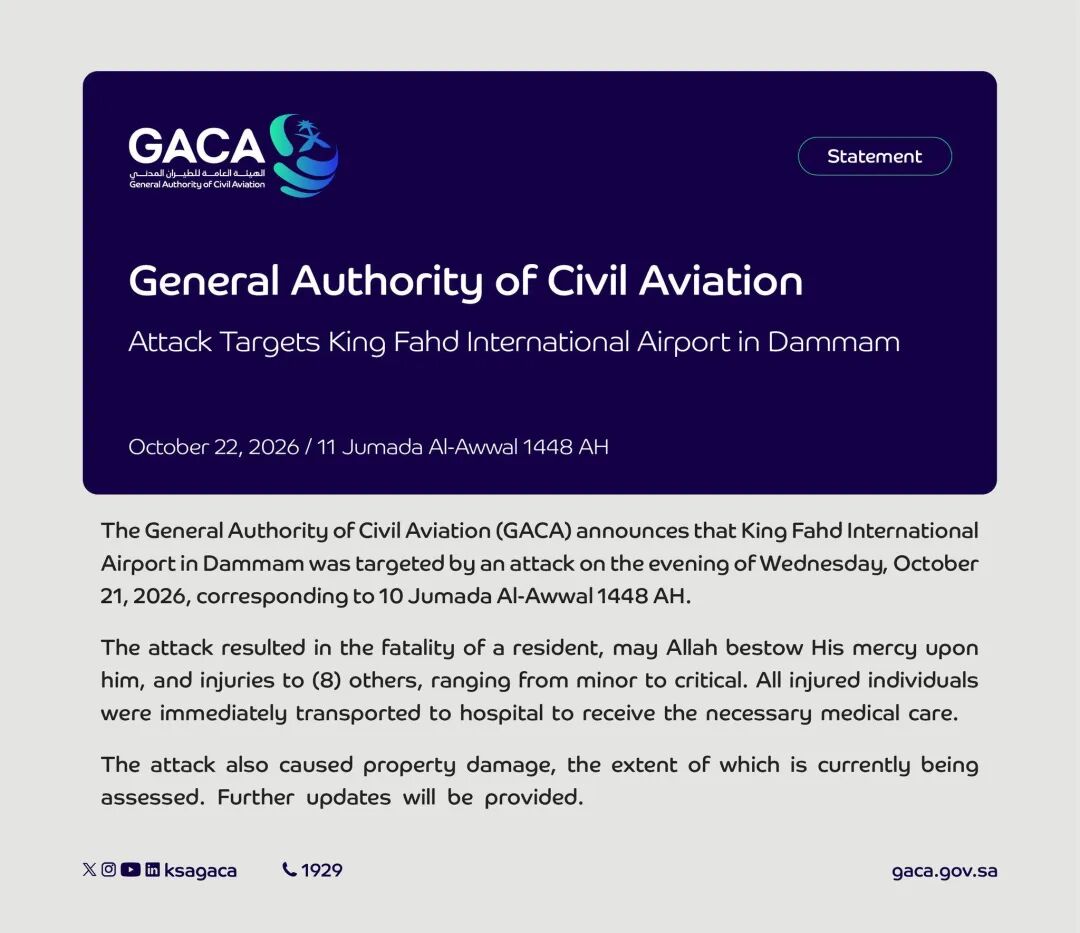
Travel Advisory: Safety Alert for Saudi Arabia Due to Airport Attacks
A deadly attack at King Fahd International Airport in Dammam has caused casualties and disrupted flights. The Chinese Embassy advises citizens to avoid travel and stay vigilant amid rising security threats.

EU's Cold War Approach to China's Arctic Activities Undermines Regional Stability
China criticizes EU's new Arctic strategy for adopting Cold War mentality, warning that geopolitical tensions threaten Arctic peace and sustainable development.
Latest Articles
- Iran's 'Father of All Bombs' Challenge to US Military Dominance
- US Israel Strike Plans Against Iran Post-Midterms: Escalation Risks
- Saudi Arabia Execution of Bangladeshi Workers: Debunking the 'Honeymoon Kiss' Myth
- Southwest Airlines Cuts 2026 Profit Forecast Due to Rising Fuel Costs
- eBay 9% Workforce Cut: Strategic Shifts & AI Investment in 2026
- The AI Stock Boom: Goldman Sachs, JPMorgan, and Morgan Stanley's Dominance