Why US Mediation in Russia-Ukraine Conflict Falls Short
US envoys visit Moscow and Kyiv to restart talks, but deep-rooted issues and US partiality hinder progress. Analysis of the latest diplomatic efforts.
Source: thepaper.cn
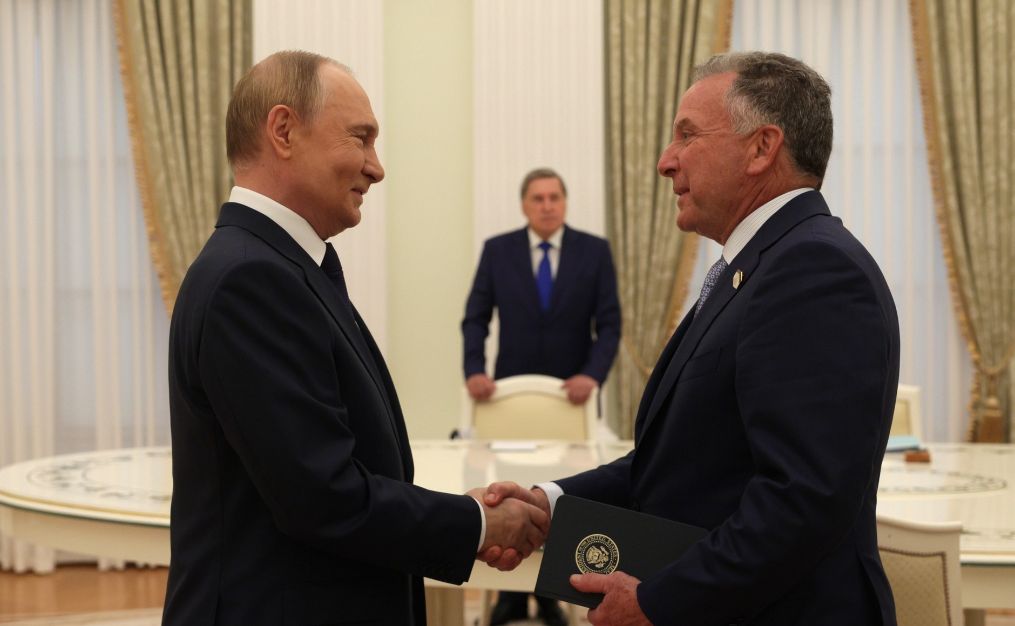
The latest round of US shuttle diplomacy between Russia and Ukraine has once again highlighted the limits of American mediation in a conflict defined by entrenched positions and mutual distrust. With US President Donald Trump's special envoy Steve Witkoff and his son-in-law Jared Kushner traveling to Moscow and Kyiv in early September 2026, the brief respite in aerial attacks on capitals raised hopes, but the underlying stalemate remains unbroken.
Key Developments
- US envoys held talks in Moscow and Kyiv: Witkoff and Kushner met with Russian President Vladimir Putin on September 5 and Ukrainian President Volodymyr Zelensky on September 6, marking Witkoff's first visit to Russia since January and his first to Ukraine as special envoy.
- Moscow described the talks as 'substantive' and 'trusting': Russian presidential aide Yuri Ushakov said the US presented a range of proposals, while Putin reiterated his willingness to seek a political solution but stressed the need to address root causes of the conflict.
- A three-day pause in strikes on capitals: The most tangible outcome was an agreement to halt aerial attacks on each other's capitals from September 5-7, ostensibly to ensure the safety of US diplomats during the visits.
- No broader ceasefire: Putin reportedly rejected a Ukrainian proposal for a wider three-day truce, indicating that Russia sees limited value in a comprehensive halt while it retains battlefield momentum.
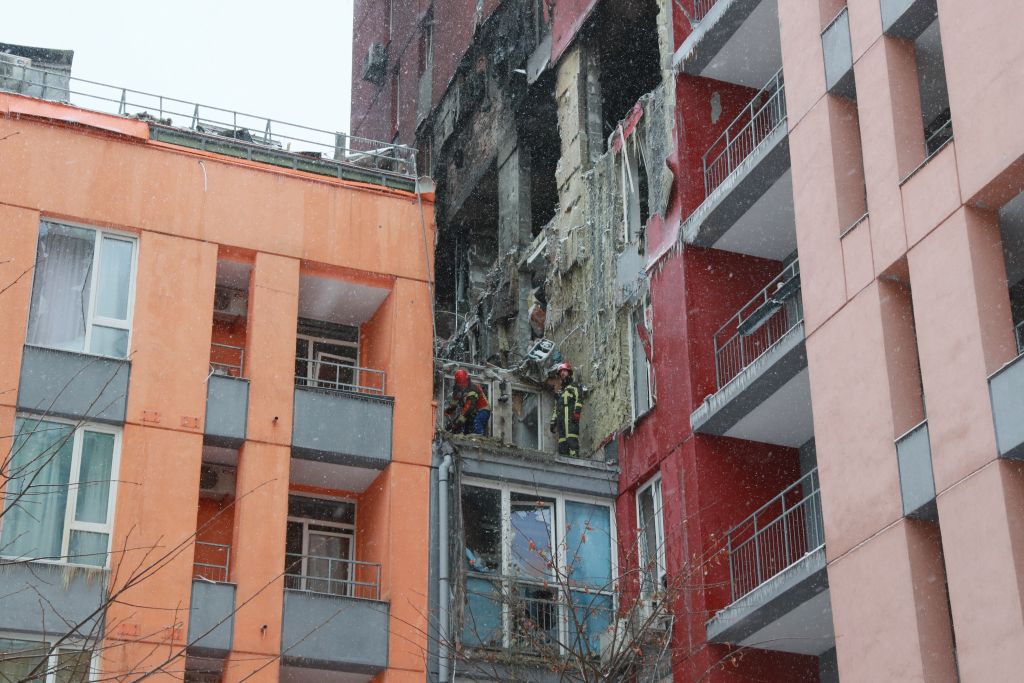
- Frontline fighting continues unabated: Ground offensives, drone strikes, and long-range attacks persist in Donbas, Zaporizhzhia, and other areas, with Russia claiming to have downed 258 Ukrainian drones overnight.
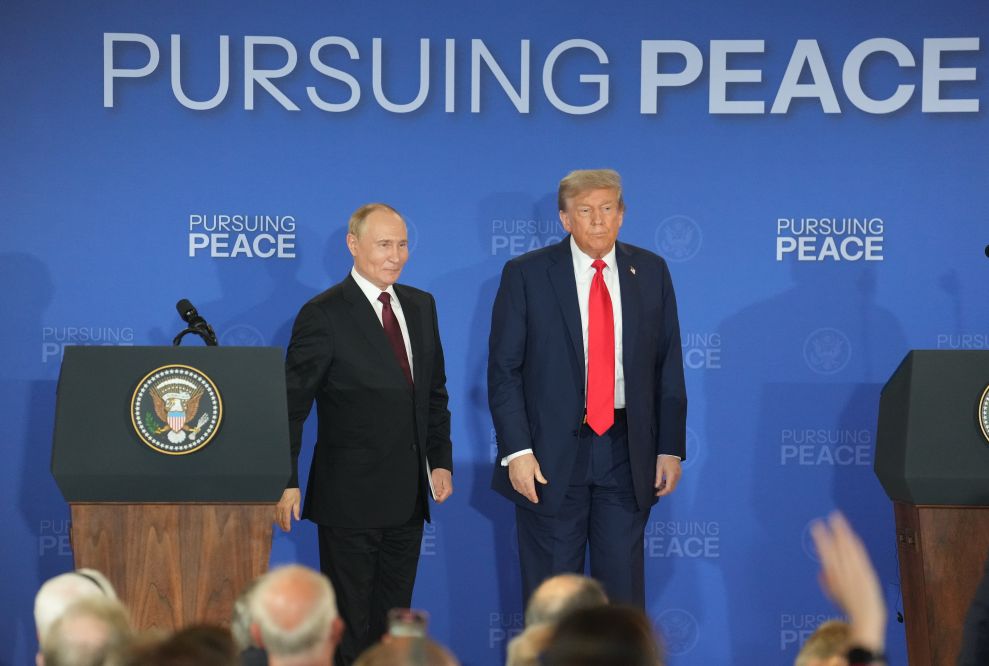
- US domestic politics loom large: Analysts suggest the Trump administration is seeking to divert attention from its struggles over Iran and to showcase progress on its campaign promise to end the war ahead of midterm elections.
In-Depth Analysis
The fundamental impasse in the Russia-Ukraine conflict stems from irreconcilable positions on territory and security guarantees. Ukraine refuses to accept the loss of its territories, while Russia demands recognition of its gains and opposes any Western military presence in Ukraine. These are not issues that can be papered over by temporary ceasefires or vague promises. Moreover, the United States cannot credibly claim neutrality while simultaneously providing Ukraine with extensive military and intelligence support. This inherent bias undermines its ability to broker a lasting peace. The timing of this mediation effort, coming just months before US midterm elections, suggests that domestic political considerations are at least as important as genuine peacemaking. The Trump administration needs a foreign policy win, and ending the war in Ukraine would be a significant feather in its cap. However, as Russian experts point out, Moscow is well aware of this time pressure and is likely to hold out for maximal concessions, calculating that the US will eventually tire of the conflict. The recent three-day pause in strikes on capitals was a purely tactical move—Russia granted a temporary reprieve to show goodwill without compromising its military objectives, while Ukraine sought a brief respite to regroup. Neither side is willing to make the fundamental compromises necessary for a real breakthrough. The conflict has become a war of attrition, and both sides believe that time is on their side. For any mediation to succeed, it would require sustained engagement from the US, not just sporadic visits every few months. As Alexey Gromyko, head of the Russian Academy of Sciences' Institute of Europe, aptly noted, "You can't resolve a conflict by returning to the negotiating table only once every six months." The US must also be willing to address Russia's security concerns and Ukraine's sovereignty demands simultaneously—a balancing act that seems increasingly difficult given the deep-seated mistrust on both sides. Ultimately, without a fundamental shift in the balance of power on the battlefield or a change in the political calculus of the key players, the stalemate is likely to persist.
Frequently Asked Questions
What was the purpose of the US envoys' visit to Moscow and Kyiv? The visit aimed to restart diplomatic negotiations to end the Russia-Ukraine conflict, but it also served domestic US political interests, particularly ahead of the midterm elections. The Trump administration wanted to demonstrate progress on its promise to end the war and distract from other foreign policy challenges.
Did the visit achieve any concrete results? The only visible result was a three-day mutual pause in strikes on each other's capitals, which was a temporary measure to facilitate the envoys' safety. No substantive progress was made on core issues like territorial disputes or security guarantees.
Why is the US mediation unlikely to succeed in the near term? The US is not seen as a neutral broker because it provides military aid to Ukraine. Additionally, the core positions of Russia and Ukraine are diametrically opposed, and both sides believe they can gain more on the battlefield than at the negotiating table. Without sustained, impartial mediation and a shift in battlefield dynamics, the stalemate is likely to continue.
Source: https://www.thepaper.cn/newsDetail_forward_34027081
Related posts
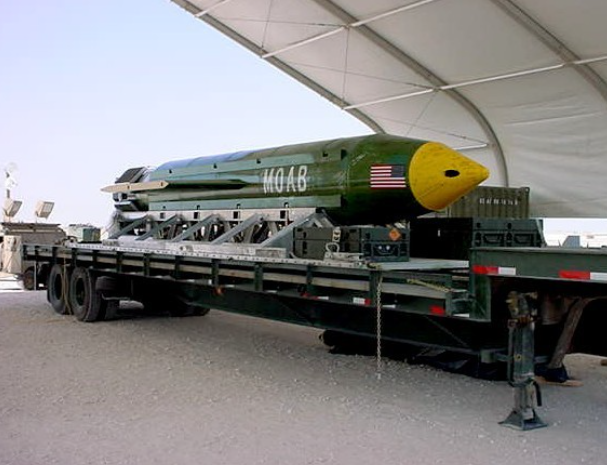
Iran's 'Father of All Bombs' Challenge to US Military Dominance
Iran announces development of 'Father of All Bombs' in response to US military threats, escalating tensions in the Middle East amid potential new military actions.
EU's Cold War Approach to China's Arctic Activities Undermines Regional Stability
China criticizes EU's new Arctic strategy for adopting Cold War mentality, warning that geopolitical tensions threaten Arctic peace and sustainable development.
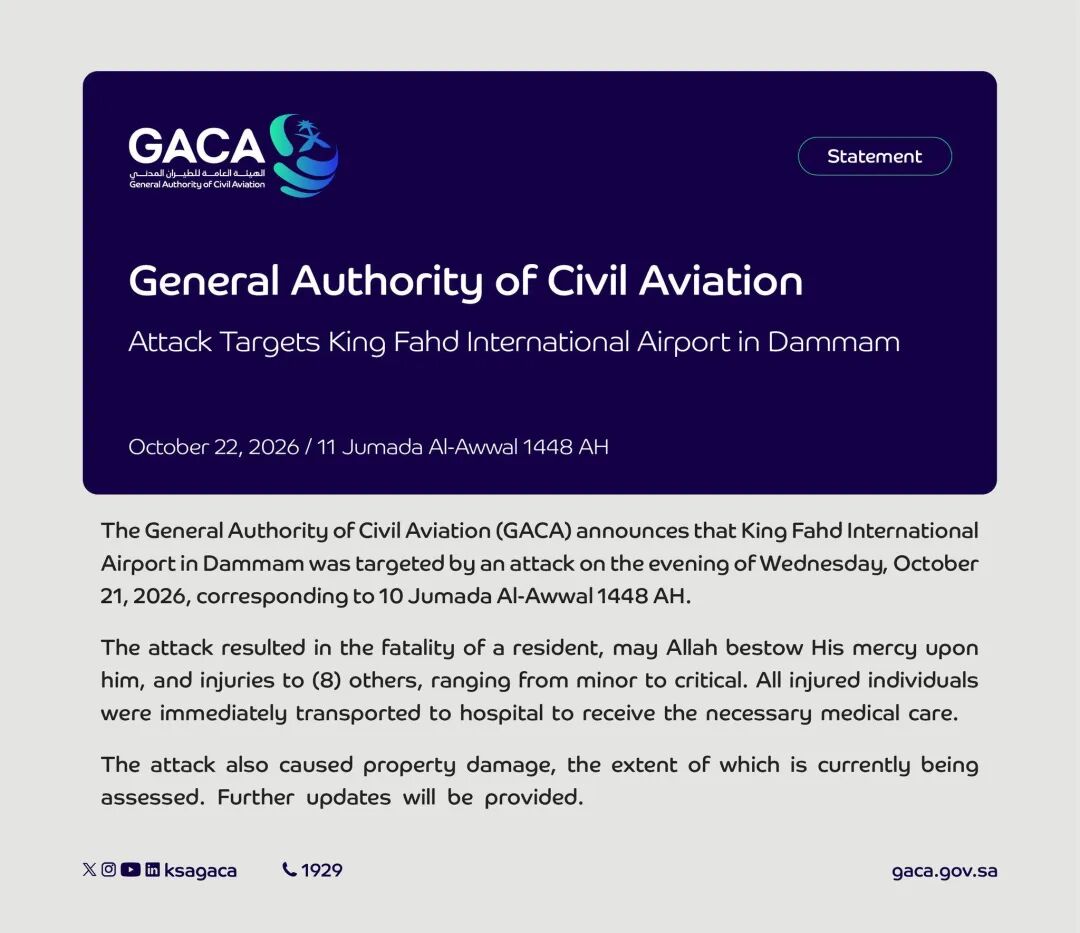
Travel Advisory: Safety Alert for Saudi Arabia Due to Airport Attacks
A deadly attack at King Fahd International Airport in Dammam has caused casualties and disrupted flights. The Chinese Embassy advises citizens to avoid travel and stay vigilant amid rising security threats.
US Israel Strike Plans Against Iran Post-Midterms: Escalation Risks
US and Israel are reportedly preparing for potential military action against Iran after the US midterm elections, as tensions rise and diplomatic efforts falter.

Saudi Arabia Execution of Bangladeshi Workers: Debunking the 'Honeymoon Kiss' Myth
Fact-checking the viral claims that two Bangladeshi citizens were executed in Saudi Arabia for a honeymoon kiss. We analyze the source of the rumors and the actual circumstances of their arrest and execution.

Wall Street Titans Debate AI Bubble: Internet Era or Long-Term Winner?
Citadel, BlackRock, and Oaktree leaders clash over AI valuations. Is the tech boom a repeat of 2000, or the dawn of a new era?

Southwest Airlines Cuts 2026 Profit Forecast Due to Rising Fuel Costs
Southwest Airlines lowers 2026 profit outlook to $2.60-$2.85/share due to higher fuel prices, despite strong demand.

eBay 9% Workforce Cut: Strategic Shifts & AI Investment in 2026
eBay cuts 1,000 jobs (9%) to streamline operations amid AI spending and Depop acquisition. Analyzing the second round of layoffs and strategic pivot.
Latest Articles
- The AI Stock Boom: Goldman Sachs, JPMorgan, and Morgan Stanley's Dominance
- The 30,000 km Journey of Beijing Swifts: Understanding Transnational Bird Conservation
- Japanese Telecom Giant Admits CEO's Actions Caused Massive Mongolia Grassland Fire
- Shanghai Cooperation Organization: Strengthening Global Governance and Future Collaboration
- Nvidia CEO Jensen Huang: Europe Must Act Fast or Risk Falling Behind in AI Race
- Boeing 737 Max 10 FAA Approval: A Major Win After Years of Delays