Why Spain Is Saying No to Tourists: The Backlash Against Overtourism
Spain's anti-tourism protests reveal the dark side of mass tourism: soaring housing costs, environmental damage, and wealth inequality. Explore the causes and global solutions.
Source: thepaper.cn
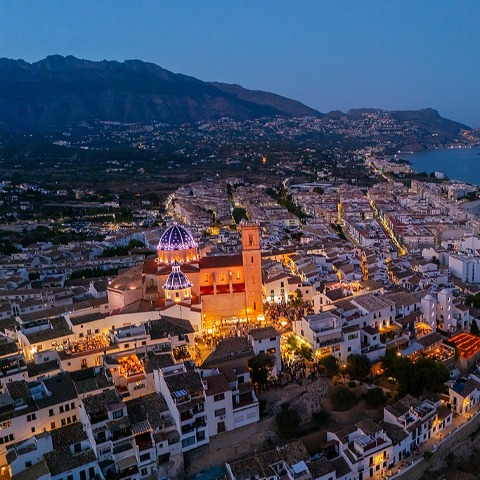
This summer, images of Spanish residents on the beaches of Mallorca and Ibiza holding signs and even occupying tourist hotspots with watermelons went viral. It was a dramatic visual of a growing movement: locals saying 'no' to the very visitors their economy depends on. In a country where tourism accounts for 12% of GDP, why are residents so fed up? The answer lies not in hospitality, but in a deep-seated frustration over housing, environment, and the uneven distribution of tourism's vast wealth. This backlash is not just a Spanish phenomenon—it's a global wake-up call about the sustainability of mass tourism.
Key Drivers of the Anti-Tourism Movement
-
Skyrocketing Housing Costs: The explosion of short-term rental platforms like Airbnb has driven up property prices and rents, pushing locals out of their own neighborhoods. In cities like Barcelona and Madrid, rents have soared, making it nearly impossible for average workers to afford housing in tourist-heavy areas.
-
Environmental Strain: Golf courses and resorts consume massive amounts of water, draining aquifers in regions already facing drought. The influx of tourists also leads to overcrowding, pollution, and damage to natural landscapes, eroding the very attractions that draw visitors.
-
Erosion of Traditional Communities: Once-vibrant neighborhoods are being transformed into tourist zones, with souvenir shops and chain restaurants replacing local businesses. This "community death" is a physical and cultural loss for residents, who feel their homes are being turned into open-air museums.
-
Unequal Distribution of Profits: The financial benefits of tourism often flow to international hotel chains and global investors, while local workers face low wages and precarious employment. This "predatory tourism" model leaves residents feeling exploited rather than enriched.
-
Political Inertia: Governments are often reluctant to impose strict regulations on tourism due to its economic importance, creating a "catch-22" where short-term gains trump long-term sustainability. This political paralysis fuels public anger and protests.
Global Echoes: The movement is not isolated to Spain. Venice, Italy, has introduced a €50 entry fee for day-trippers, and Kyoto, Japan, has raised accommodation taxes by up to 10 times to manage crowds. These measures, while controversial, highlight the global struggle to balance tourism and livability.
Deep Dive: The Systemic Crisis Behind the Protests
The anti-tourism protests in Spain are not a simple case of NIMBYism; they represent a systemic failure in how tourism is managed. The model of "mass tourism"—characterized by high volume, low spend per visitor, and heavy reliance on short-term rentals—has created a situation where the negative externalities outweigh the benefits for local communities. The housing crisis is a prime example: when property owners can earn more from tourists than from long-term tenants, the housing market becomes distorted, exacerbating inequality. Moreover, the environmental impact is unsustainable, as water-intensive activities like golf courses compete with local needs. The protests are a demand for a new paradigm—one that prioritizes sustainable tourism, community well-being, and equitable profit-sharing. Governments must step up with regulations that limit short-term rentals, invest in affordable housing, and promote off-season travel. The future of tourism hinges on this shift; otherwise, the backlash will only intensify, leading to a lose-lose situation for both locals and travelers.
Frequently Asked Questions
Why are locals protesting in tourist destinations like Mallorca? Residents are protesting because mass tourism has led to unaffordable housing, environmental degradation, and the loss of traditional community life. They feel that the economic benefits of tourism are not reaching them, but rather large corporations and investors.
What measures are cities like Venice and Kyoto taking? Venice has introduced a €50 entry fee for day-trippers, while Kyoto has increased accommodation taxes significantly. These measures aim to reduce overcrowding and generate revenue for city maintenance, though their effectiveness is debated.
How can travelers contribute to more sustainable tourism? Travelers can choose eco-friendly accommodations, stay longer in fewer places, support local businesses, and avoid peak seasons. Being mindful of the local community and environment can help reduce the negative impacts of tourism.
Source: https://www.thepaper.cn/newsDetail_forward_34028518
Related posts

Iran's 'Father of All Bombs' Challenge to US Military Dominance
Iran announces development of 'Father of All Bombs' in response to US military threats, escalating tensions in the Middle East amid potential new military actions.

EU's Cold War Approach to China's Arctic Activities Undermines Regional Stability
China criticizes EU's new Arctic strategy for adopting Cold War mentality, warning that geopolitical tensions threaten Arctic peace and sustainable development.

Travel Advisory: Safety Alert for Saudi Arabia Due to Airport Attacks
A deadly attack at King Fahd International Airport in Dammam has caused casualties and disrupted flights. The Chinese Embassy advises citizens to avoid travel and stay vigilant amid rising security threats.

US Israel Strike Plans Against Iran Post-Midterms: Escalation Risks
US and Israel are reportedly preparing for potential military action against Iran after the US midterm elections, as tensions rise and diplomatic efforts falter.

Saudi Arabia Execution of Bangladeshi Workers: Debunking the 'Honeymoon Kiss' Myth
Fact-checking the viral claims that two Bangladeshi citizens were executed in Saudi Arabia for a honeymoon kiss. We analyze the source of the rumors and the actual circumstances of their arrest and execution.

Wall Street Titans Debate AI Bubble: Internet Era or Long-Term Winner?
Citadel, BlackRock, and Oaktree leaders clash over AI valuations. Is the tech boom a repeat of 2000, or the dawn of a new era?
Southwest Airlines Cuts 2026 Profit Forecast Due to Rising Fuel Costs
Southwest Airlines lowers 2026 profit outlook to $2.60-$2.85/share due to higher fuel prices, despite strong demand.

eBay 9% Workforce Cut: Strategic Shifts & AI Investment in 2026
eBay cuts 1,000 jobs (9%) to streamline operations amid AI spending and Depop acquisition. Analyzing the second round of layoffs and strategic pivot.
Latest Articles
- The AI Stock Boom: Goldman Sachs, JPMorgan, and Morgan Stanley's Dominance
- The 30,000 km Journey of Beijing Swifts: Understanding Transnational Bird Conservation
- Japanese Telecom Giant Admits CEO's Actions Caused Massive Mongolia Grassland Fire
- Shanghai Cooperation Organization: Strengthening Global Governance and Future Collaboration
- Nvidia CEO Jensen Huang: Europe Must Act Fast or Risk Falling Behind in AI Race
- Boeing 737 Max 10 FAA Approval: A Major Win After Years of Delays