Singapore's Blueprint for Beating the Heat: Shade, Wind, and Green
Discover how Singapore tackles extreme heat with shaded walkways, wind corridors, and vertical gardens, plus its new national climate adaptation plan.
Source: thepaper.cn
As global temperatures climb, cities worldwide are searching for ways to keep their residents cool. Singapore, a tropical city-state just one degree north of the equator, has become a living laboratory for urban heat management. With year-round temperatures hovering around 31°C and humidity often hitting 100%, the city has developed a trio of strategies—shade, wind, and greenery—that offer a blueprint for other metropolises facing a warming future. Now, as Singapore declares 2026 its 'Year of Climate Adaptation,' its approach is more relevant than ever.
Key Strategies
-
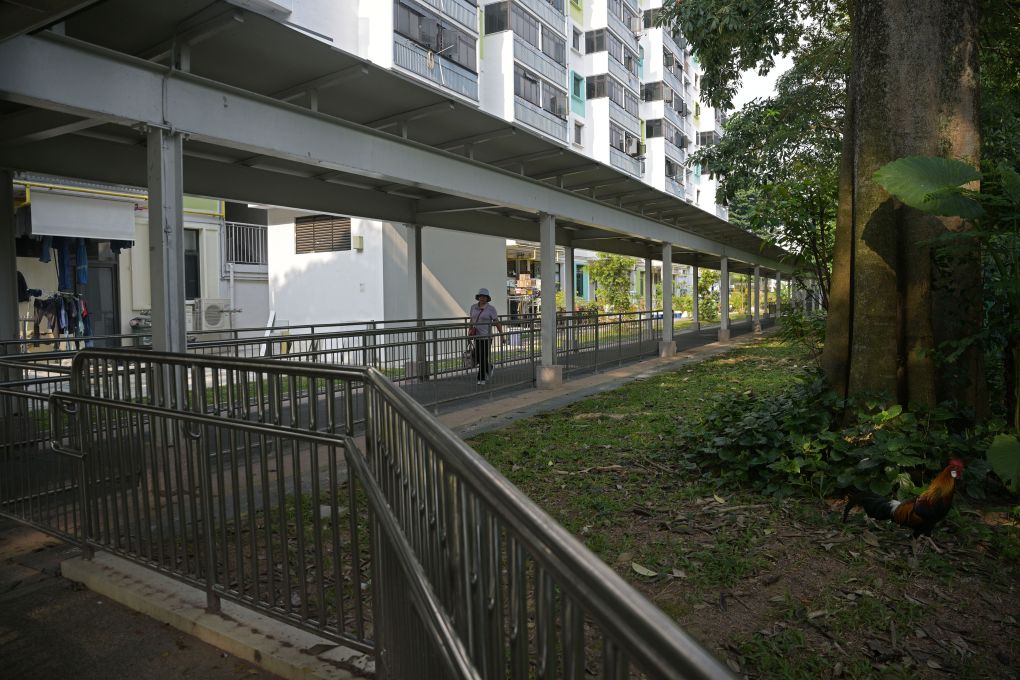
Shade-First Urban Design Singapore's heritage 'five-foot ways'—covered walkways in front of old shophouses—have evolved into a citywide network. Since 2018, the government has added 200 kilometers of sheltered walkways, ensuring that every MRT station is within 400 meters of one. This design, similar to the arcades found in southern Chinese cities, shields pedestrians from the tropical sun and sudden downpours.
-
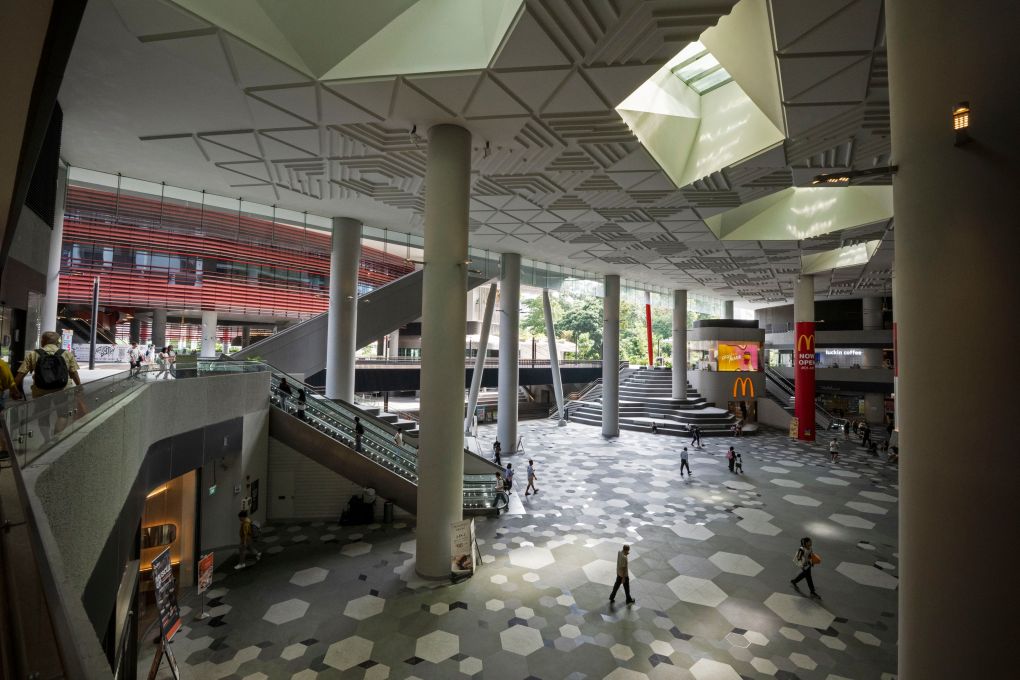
Wind Corridors and Ventilation Planners use wind studies at the district level to channel breezes. In the new Punggol Digital District, buildings are raised on stilts to let air flow beneath them. The upcoming Jurong Lake District, destined to be a second CBD, has been oriented along prevailing winds to prevent upstream structures from blocking airflow to downstream areas.
-
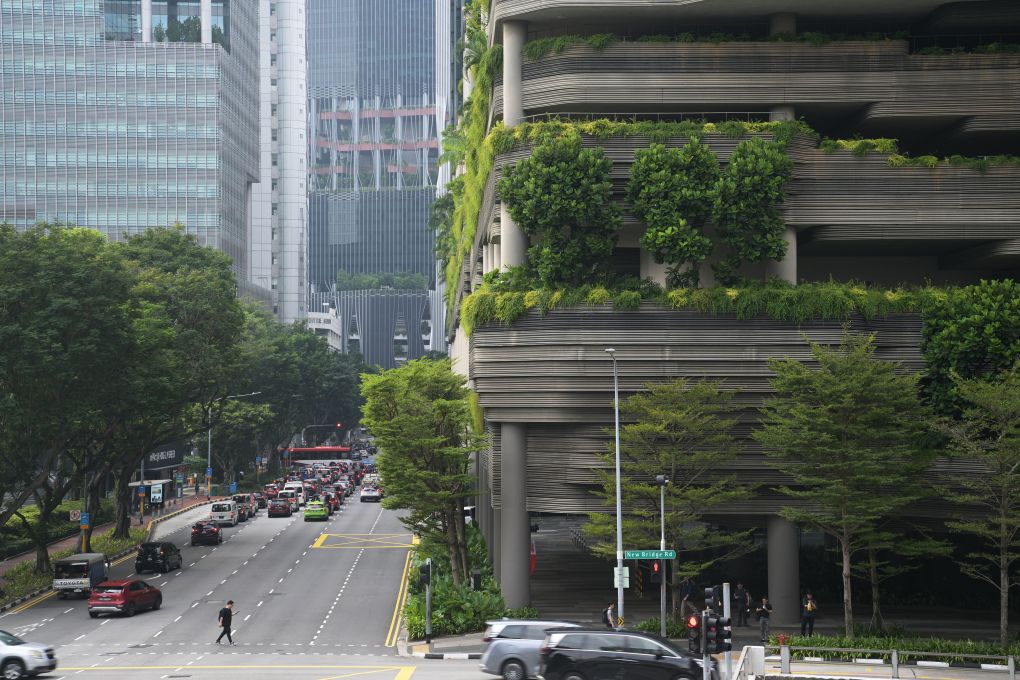
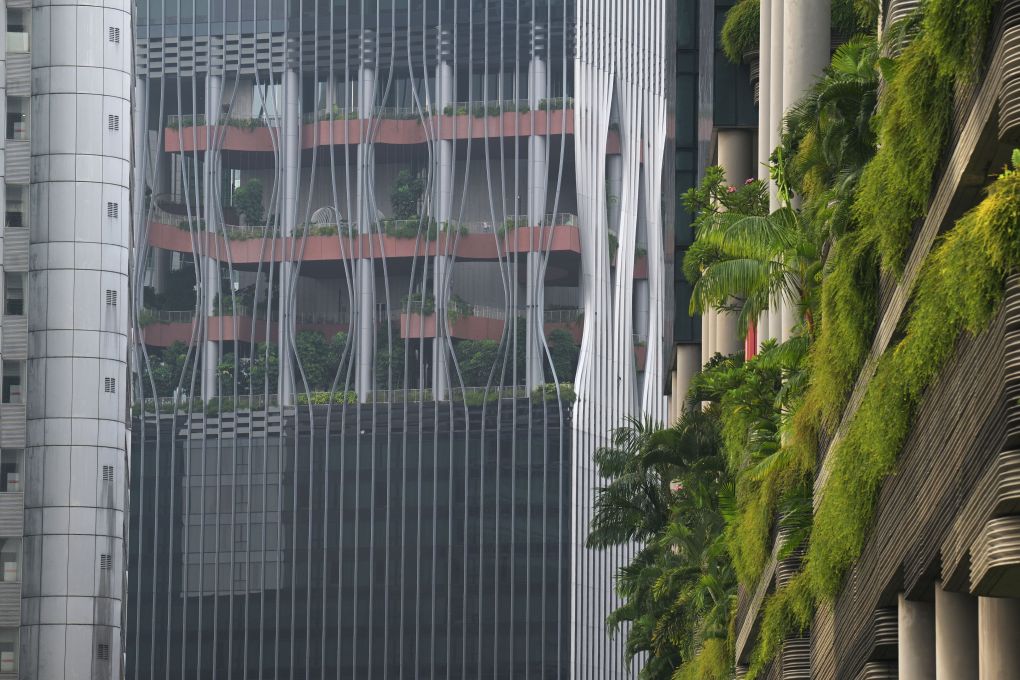
Greening as a Cooling Tool Known as a 'Garden City,' Singapore integrates vegetation into architecture. The 'Landscaping for Urban Spaces and High-Rises' (LUSH) program, launched in 2009, has added over 440 hectares of greenery on rooftops, facades, and balconies. Studies show that well-vegetated areas can be up to 4°C cooler than the central business district.
-
Cool Paint and Reflective Materials A pilot study by the Housing & Development Board (HDB) and Nanyang Technological University found that applying 'cool paint' that reflects solar heat on roofs, walls, and pavements can lower ambient temperatures by up to 2°C. The HDB plans to extend this to all public housing estates by 2030.
-
Smart Modeling and Microclimate Simulation Since 2018, the HDB and the Agency for Science, Technology and Research (A*STAR) have used an integrated environmental modeling platform. This 3D city model simulates sun, wind, and vegetation to predict heat spots before buildings are constructed, helping planners decide where to place playgrounds or add green buffers.
-
Behavioral and Policy Measures Air conditioning accounts for nearly half of building energy use in Singapore. The government encourages setting thermostats to 25°C and using fans instead. Additionally, a dedicated Heat Response Policy Office coordinates cross-agency actions, and SGD 40 million has been allocated for research on heat-vulnerable groups like the elderly and outdoor workers.
Deeper Analysis
Singapore's approach is not just about immediate comfort; it's a strategic investment in economic resilience and public health. As the nation prepares its first Climate Adaptation Plan (due in 2027), the government acknowledges that under high-emission scenarios, average daily temperatures could rise by up to 5°C by 2100. This would make heatwaves a regular occurrence, straining energy grids and healthcare systems.
What sets Singapore apart is its integration of heat management into every stage of urban planning—from national policy to individual building design. The use of predictive modeling is particularly forward-thinking: it allows planners to 'test' a building's summer before it exists, preventing costly retrofits later. This proactive stance offers a template for other tropical cities, many of which are rapidly urbanizing without such foresight.
However, challenges remain. The reliance on air conditioning, even with efficiency improvements, creates a feedback loop: more cooling leads to more emissions, which in turn warms the planet. Singapore's push for natural ventilation and cool materials is a step toward breaking this cycle, but scaling up requires significant behavioral change. Moreover, the city-state's experience highlights that urban heat is not uniform—industrial zones and airports are hotter than forested areas—so targeted interventions are necessary.
Looking ahead, Singapore's 'cooling' strategies could become exportable knowledge. As other nations, from India to the Middle East, grapple with extreme heat, Singapore's data-driven, multi-pronged approach offers practical solutions. The key takeaway is that fighting heat requires not just technology, but also thoughtful design that respects local climate and culture.
Frequently Asked Questions
Why is Singapore focusing on shade and wind rather than just air conditioning? Air conditioning is energy-intensive and contributes to greenhouse gas emissions. By designing cities to maximize shade and natural airflow, Singapore reduces the need for mechanical cooling, thereby lowering energy consumption and mitigating the urban heat island effect.
How effective are cool paints in reducing temperatures? According to HDB's study, cool paints can lower surrounding temperatures by up to 2°C during both day and night. This reduction also leads to decreased air conditioning usage among residents, cutting electricity bills and carbon footprint.
What is the 'Year of Climate Adaptation' and why does it matter? 2026 marks Singapore's official launch of its first national climate adaptation plan, focusing on infrastructure, health, and the economy. It signals a shift from mitigation to proactive adaptation, ensuring the city remains livable despite rising temperatures.
Source: https://www.thepaper.cn/newsDetail_forward_34027257
Related posts

EU's Cold War Approach to China's Arctic Activities Undermines Regional Stability
China criticizes EU's new Arctic strategy for adopting Cold War mentality, warning that geopolitical tensions threaten Arctic peace and sustainable development.
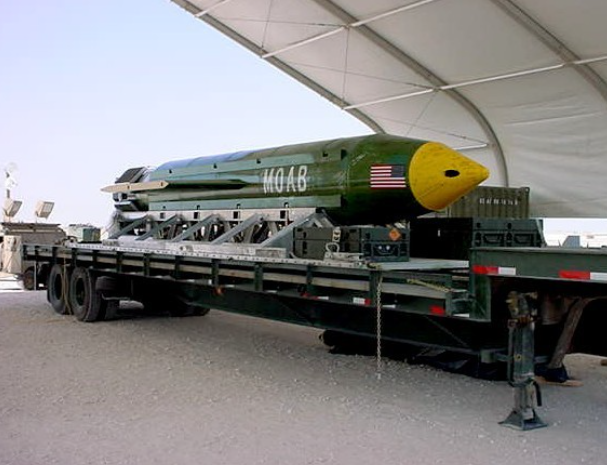
Iran's 'Father of All Bombs' Challenge to US Military Dominance
Iran announces development of 'Father of All Bombs' in response to US military threats, escalating tensions in the Middle East amid potential new military actions.
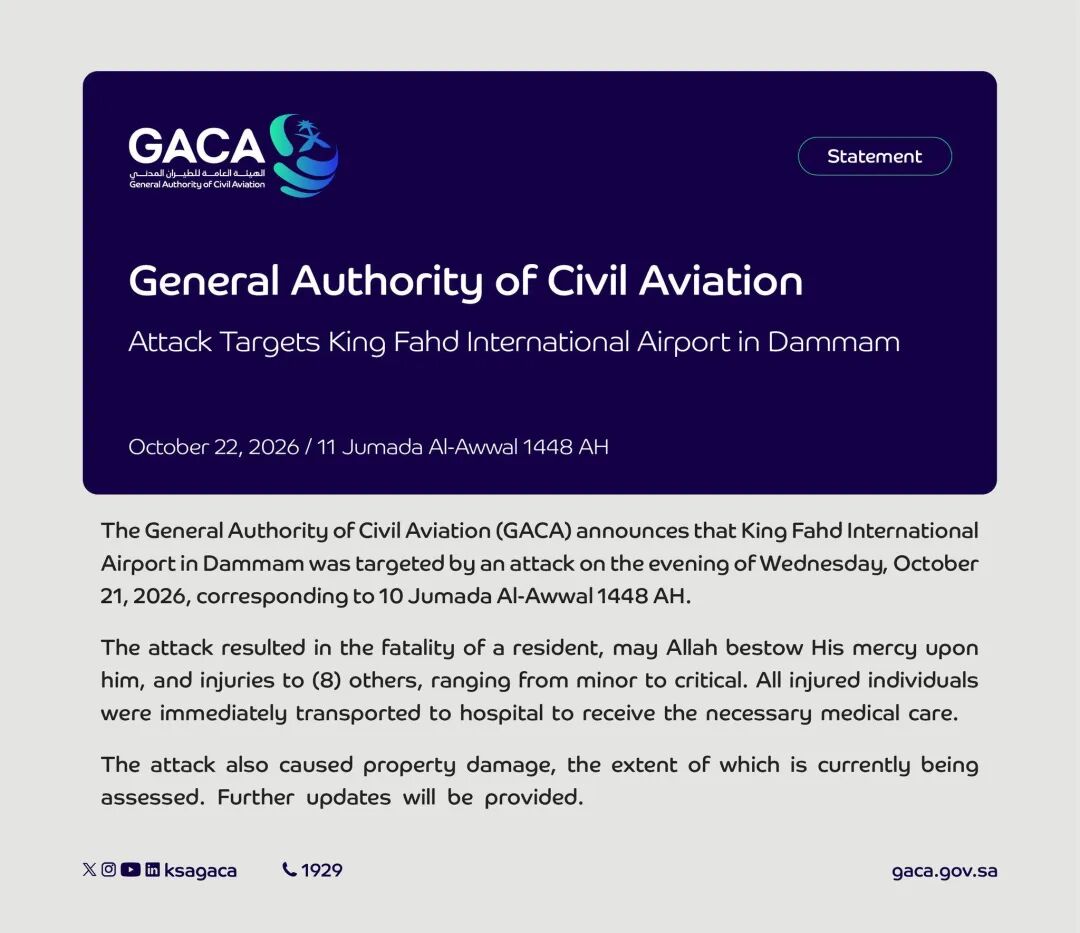
Travel Advisory: Safety Alert for Saudi Arabia Due to Airport Attacks
A deadly attack at King Fahd International Airport in Dammam has caused casualties and disrupted flights. The Chinese Embassy advises citizens to avoid travel and stay vigilant amid rising security threats.

US Israel Strike Plans Against Iran Post-Midterms: Escalation Risks
US and Israel are reportedly preparing for potential military action against Iran after the US midterm elections, as tensions rise and diplomatic efforts falter.

Saudi Arabia Execution of Bangladeshi Workers: Debunking the 'Honeymoon Kiss' Myth
Fact-checking the viral claims that two Bangladeshi citizens were executed in Saudi Arabia for a honeymoon kiss. We analyze the source of the rumors and the actual circumstances of their arrest and execution.

Wall Street Titans Debate AI Bubble: Internet Era or Long-Term Winner?
Citadel, BlackRock, and Oaktree leaders clash over AI valuations. Is the tech boom a repeat of 2000, or the dawn of a new era?
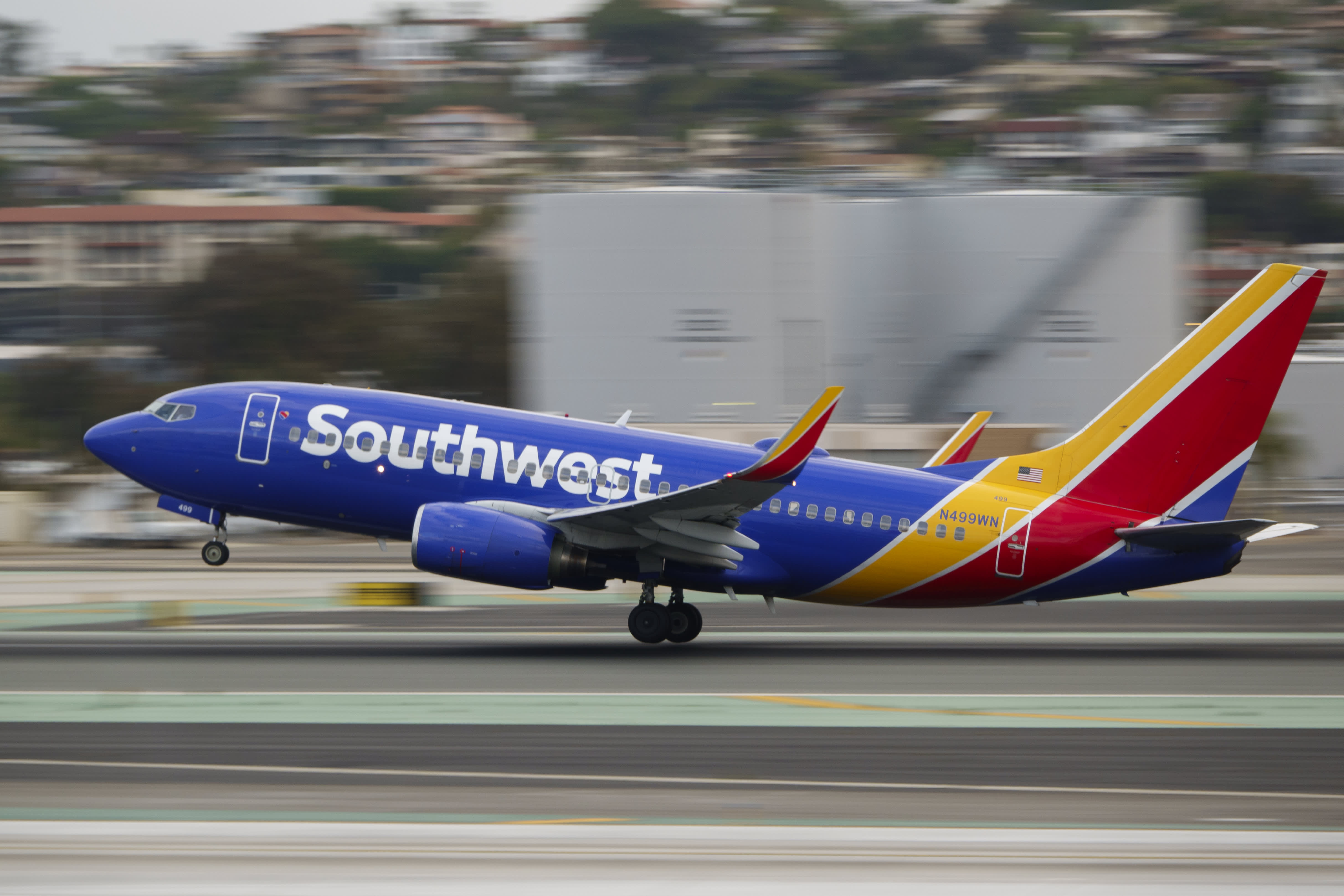
Southwest Airlines Cuts 2026 Profit Forecast Due to Rising Fuel Costs
Southwest Airlines lowers 2026 profit outlook to $2.60-$2.85/share due to higher fuel prices, despite strong demand.

eBay 9% Workforce Cut: Strategic Shifts & AI Investment in 2026
eBay cuts 1,000 jobs (9%) to streamline operations amid AI spending and Depop acquisition. Analyzing the second round of layoffs and strategic pivot.
Latest Articles
- The AI Stock Boom: Goldman Sachs, JPMorgan, and Morgan Stanley's Dominance
- The 30,000 km Journey of Beijing Swifts: Understanding Transnational Bird Conservation
- Japanese Telecom Giant Admits CEO's Actions Caused Massive Mongolia Grassland Fire
- Shanghai Cooperation Organization: Strengthening Global Governance and Future Collaboration
- Nvidia CEO Jensen Huang: Europe Must Act Fast or Risk Falling Behind in AI Race
- Boeing 737 Max 10 FAA Approval: A Major Win After Years of Delays