US Envoy Reports 'Substantial Progress' in Russia-Ukraine Visits
US envoy Witkoff says talks with Russia and Ukraine made 'substantial progress,' including plans for future trilateral negotiations amid a three-day ceasefire.
Source: thepaper.cn
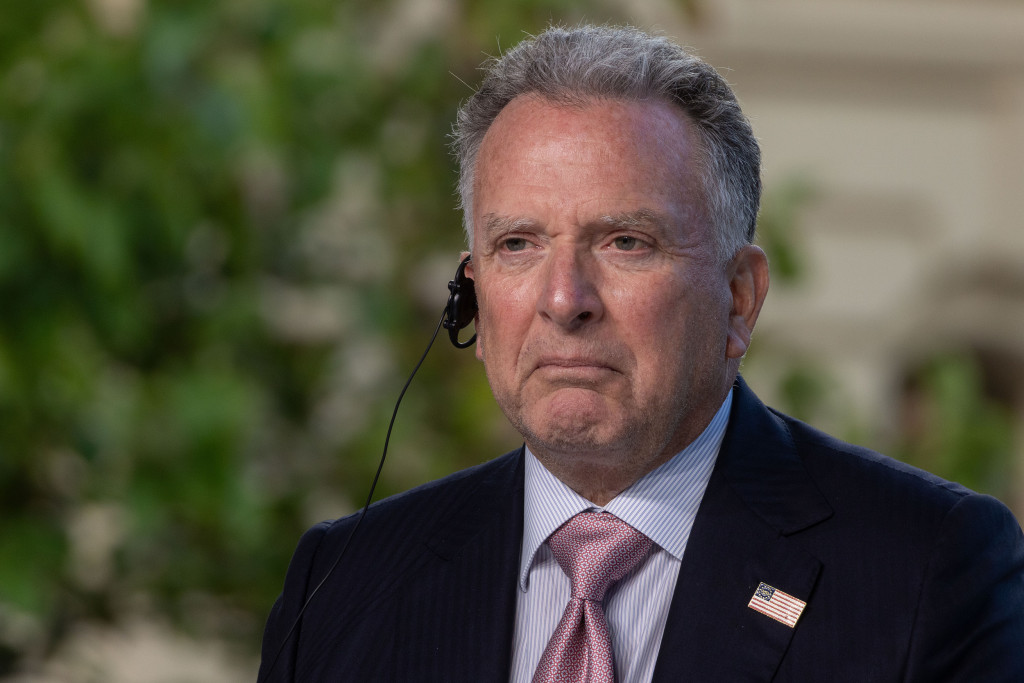
In a significant diplomatic push, a US delegation led by President Trump's special envoy, Steve Witkoff, has concluded visits to Moscow and Kyiv, reporting what they describe as 'substantial progress' toward ending the ongoing conflict in Ukraine. The talks, which took place against the backdrop of a rare three-day ceasefire, signal a potential shift in the dynamics of international mediation efforts.
Key Developments
- Delegation Composition and High-Level Meetings: The US team, including Witkoff, Jared Kushner (Trump's son-in-law), and officials from the National Security Council, State Department, and Treasury, held separate talks with Russian President Vladimir Putin and Ukrainian President Volodymyr Zelensky. This dual-track approach underscores Washington's attempt to balance engagement with both parties.
- Ceasefire as a Precondition: Before the visits, both Russia and Ukraine agreed to a three-day truce to facilitate the US delegation's discussions. This temporary halt in hostilities provided a window for more focused diplomatic exchanges, though its expiration raises questions about the sustainability of the momentum.
- Substantive Exchanges in Moscow: Russian Presidential Aide Yuri Ushakov characterized the Moscow talks as 'substantive, constructive, and marked by extreme frankness and mutual trust,' indicating a willingness from the Russian side to engage seriously on key issues.
- Kyiv's Focus on Winter Aid and Security: In Kyiv, Zelensky highlighted that discussions covered critical topics such as winter assistance for Ukraine and security guarantees, calling the talks 'very substantive.' The presence of security advisors from the UK, Germany, and France in Kyiv added a European dimension to the negotiations.
- Progress on Future Trilateral Talks: Witkoff noted that the delegation achieved progress in arranging potential future trilateral meetings involving the US, Russia, and Ukraine. This suggests a possible framework for sustained dialogue, although Kremlin spokesman Dmitry Peskov cautioned that it's too early to discuss specific timing and venues.
- Diplomatic Context: The visits occurred on September 5-6, 2026, amid a prolonged conflict that has seen numerous failed ceasefire attempts. The US delegation's ability to secure even a short truce and engage both sides directly marks a notable, albeit tentative, step forward.
In-Depth Analysis
The reported 'substantial progress' must be viewed with cautious optimism. While the US delegation's visits and the agreed ceasefire are positive signs, the underlying issues remain deeply entrenched. The conflict has evolved into a war of attrition, with territorial disputes, security guarantees, and Ukraine's potential NATO membership as major sticking points. The inclusion of European security advisors in Kyiv indicates a coordinated Western approach, but it also highlights the complexity of aligning US and European interests.
One key takeaway is the Trump administration's active role in personal diplomacy, with figures like Kushner and Witkoff leveraging direct relationships. This approach mirrors previous attempts at shuttle diplomacy, but its success hinges on translating initial goodwill into concrete agreements. The mention of 'trilateral talks' suggests a potential shift away from the Normandy Format or other multilateral frameworks, which could streamline decision-making but also risk alienating European partners if not carefully managed.
Looking ahead, the next few weeks will be critical. If the ceasefire can be extended and followed by substantive negotiations, we might see a genuine de-escalation. However, the history of this conflict is littered with broken truces and unmet commitments. The international community should watch for concrete deliverables, such as prisoner exchanges, humanitarian corridors, or a defined roadmap for political settlement. The ball is now in the court of both Moscow and Kyiv to demonstrate their commitment to peace, while Washington must balance its role as a mediator and a provider of military aid to Ukraine.
Frequently Asked Questions
What does 'substantial progress' mean in this context? It refers to the US delegation's successful engagement with both Russia and Ukraine, including progress on scheduling future trilateral talks. However, it does not imply a breakthrough on core issues like territorial integrity or security guarantees.
Why is the three-day ceasefire significant? The ceasefire, agreed upon before the US visits, was a prerequisite for the talks. Its significance lies in the fact that both sides were willing to pause hostilities to allow diplomacy, which could serve as a confidence-building measure for future negotiations.
What are the main challenges to a lasting peace deal? Key challenges include disagreements over territorial control, Ukraine's security guarantees (including potential NATO membership), and the deep mutual distrust between the parties. Additionally, the involvement of multiple international stakeholders with varying interests complicates the negotiation process.
Source: https://www.thepaper.cn/newsDetail_forward_34026769
Related posts

Saudi Arabia Execution of Bangladeshi Workers: Debunking the 'Honeymoon Kiss' Myth
Fact-checking the viral claims that two Bangladeshi citizens were executed in Saudi Arabia for a honeymoon kiss. We analyze the source of the rumors and the actual circumstances of their arrest and execution.

Wall Street Titans Debate AI Bubble: Internet Era or Long-Term Winner?
Citadel, BlackRock, and Oaktree leaders clash over AI valuations. Is the tech boom a repeat of 2000, or the dawn of a new era?

Southwest Airlines Cuts 2026 Profit Forecast Due to Rising Fuel Costs
Southwest Airlines lowers 2026 profit outlook to $2.60-$2.85/share due to higher fuel prices, despite strong demand.

eBay 9% Workforce Cut: Strategic Shifts & AI Investment in 2026
eBay cuts 1,000 jobs (9%) to streamline operations amid AI spending and Depop acquisition. Analyzing the second round of layoffs and strategic pivot.
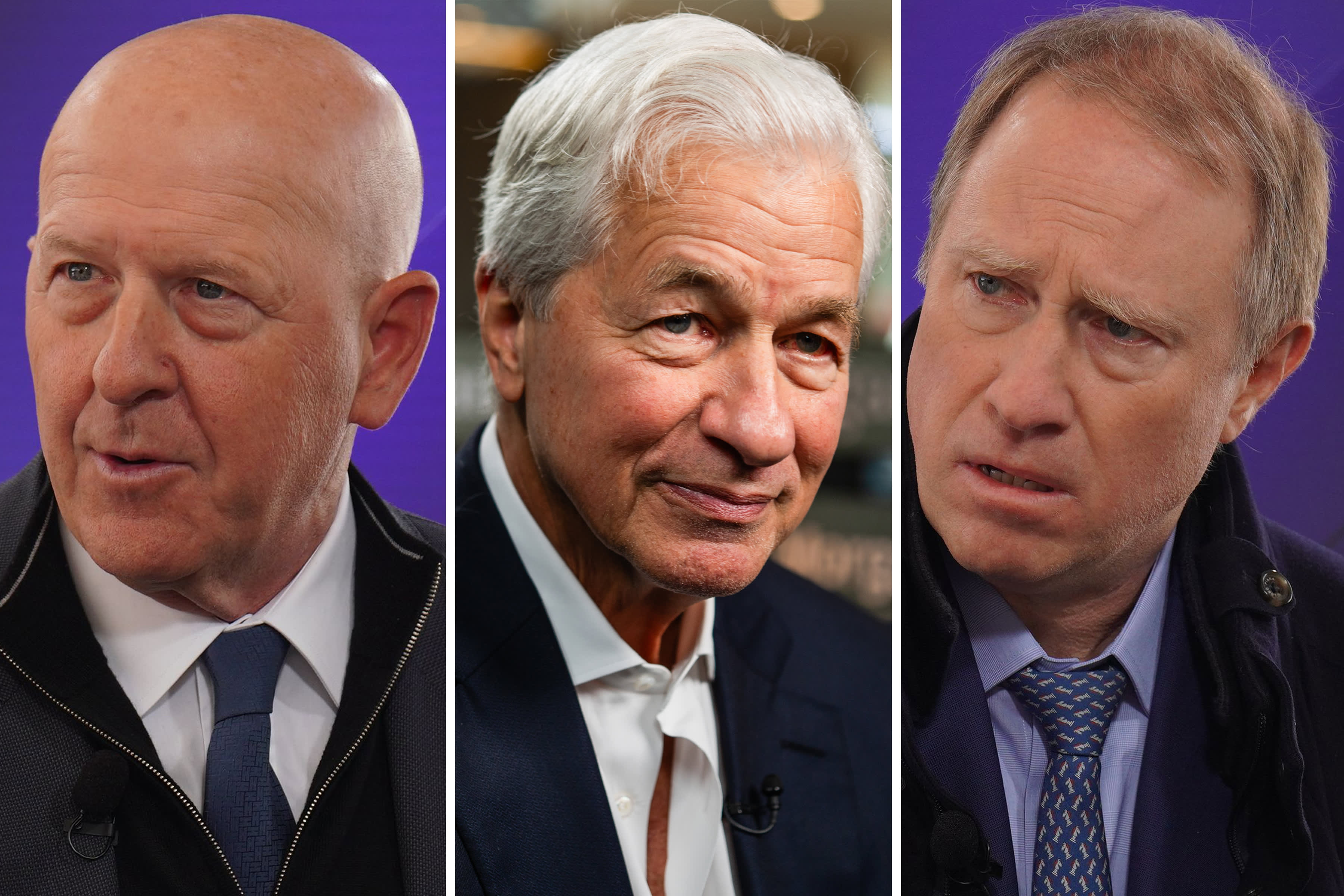
The AI Stock Boom: Goldman Sachs, JPMorgan, and Morgan Stanley's Dominance
Discover how Goldman Sachs, JPMorgan, and Morgan Stanley are leading the AI stock boom, leveraging relaxed capital rules and hedge fund lending. Explore the strategies and market trends shaping this lucrative industry.

The 30,000 km Journey of Beijing Swifts: Understanding Transnational Bird Conservation
Discover how Beijing swifts' epic migration across continents highlights the critical need for international cooperation in wildlife conservation efforts.

Japanese Telecom Giant Admits CEO's Actions Caused Massive Mongolia Grassland Fire
KDDI admits its subsidiary Mobicon's CEO triggered a 530,000-hectare fire in Mongolia's Numrug Nature Reserve during a 4G trial, sparking international outrage.

Shanghai Cooperation Organization: Strengthening Global Governance and Future Collaboration
Explore Premier Li Qiang's key address at the SCO Dushanbe Summit, focusing on multilateralism, economic cooperation, and the strategic vision for the next decade.
Latest Articles
- Nvidia CEO Jensen Huang: Europe Must Act Fast or Risk Falling Behind in AI Race
- Boeing 737 Max 10 FAA Approval: A Major Win After Years of Delays
- General Motors Beats Q3 2026 Earnings Estimates, Announces $20B Buyback
- Netflix Q3 2026 Earnings: Ad Tier Growth vs. Stock Slump Analysis
- Japanese Politicians' Yasukuni Shrine Visits Spark International Concern
- Patriot Missile Holdback: Ukraine Faces Its Darkest Hour Since War Began