AI in Performing Arts: QS Asia's Top School on Keeping Art Human
Hong Kong Academy for Performing Arts head Chen Songying on AI as a 'teaching assistant,' why human choice defines art, and the future of arts education.
Source: thepaper.cn
As artificial intelligence reshapes the content industry, the question of what remains uniquely human in art has never been more urgent. In Hong Kong, the city's leading performing arts institution—ranked first in Asia by QS for performing arts—is navigating this terrain with a clear philosophy: embrace technology, but never at the cost of the sweat and soul that define true artistry.
In a recent interview, Professor Chen Songying, Director of the Hong Kong Academy for Performing Arts (HKAPA), shared her vision for integrating AI and immersive technologies into training while preserving the irreplaceable core of human expression. Her remarks come as the academy partners with Cyberport, Hong Kong's digital technology hub, to explore immersive studios and prepare students for an AI-driven future.
Key Takeaways
-
AI as 'Teaching Assistant,' Not a Shortcut: Chen emphasized that AI's role is to enhance rehearsal and creative efficiency, not to replace the physical effort required for mastery. "Traditional basic skills assessment standards will not be relaxed," she stated, adding that "every second of sweat in the classroom is indispensable."
-
Human Choice Defines Art: When asked whether AI-generated work can be considered art, Chen's answer hinged on one word: "human." The critical factor is not the machine's computation but the "human choices" behind the work—the selection, interpretation, and intentionality that elevate output to art.
-
Critical Thinking and Empathy as Core Curriculum: Chen stressed that arts education must cultivate critical thinking, aesthetic judgment, and emotional empathy. These qualities, she argued, distinguish a "soulful artist" from a mere "instruction inputter."
-
Technology Extends, Not Replaces, Embodied Practice: In dance and Chinese opera, AI can assist with motion capture, data analysis, and virtual staging, but it cannot replicate the physical sensations, muscle memory, and live audience connection that come from years of bodily training.
-
No Observed Over-Dependence Yet: Despite student curiosity about AI tools, Chen noted no signs of over-reliance that would undermine basic training. Performance art ultimately returns to the human body, voice, and presence.
-
"Slow Craft" Gains Value in an AI Era: Works like Hong Kong's animated film "Sai Sai" (which took seven years to craft) and Christopher Nolan's "The Odyssey" (known for minimal digital effects) exemplify how time-intensive creation offers depth and humanity that mass-produced content cannot match.
-
Future Graduates as 'Cultural Ambassadors': Chen hopes students will "take root" in tradition and "explore" new technologies, becoming composite creative leaders who can tell Chinese and Hong Kong stories on the global stage.
In-Depth Analysis
Chen's perspective reflects a broader tension in the creative industries: how to harness AI's efficiency without losing the humanistic core that gives art its meaning. Her stance aligns with a growing consensus among educators that AI should be a collaborator, not a replacement. By positioning AI as a "creative dialogue partner," she acknowledges its potential to push boundaries—for instance, by suggesting movement combinations that human choreographers might not envision. Yet her insistence on "human choice" as the arbiter of art addresses a philosophical question that will only intensify as generative tools become more sophisticated.
From an industry standpoint, Hong Kong's creative sector has been slower to adopt AI compared to mainland counterparts, as noted by Cyberport's CEO. The partnership between HKAPA and Cyberport signals a strategic push to bridge this gap, fostering an ecosystem where artistic creativity and technological innovation can co-evolve. This is particularly significant for performing arts, where the integration of XR and AI into rehearsal and production processes could redefine training methodologies and audience experiences.
Looking ahead, the academy's planned Creative Futures & Innovation Centre (opening 2027) will serve as a testbed for these ideas. Chen's vision of arts education evolving from technical instruction to aesthetic and ethical cultivation suggests a paradigm shift: as AI democratizes content creation, the value of professional training may lie less in teaching technical skills and more in nurturing the judgment, cultural literacy, and emotional intelligence that machines lack. This could position graduates not just as market-ready practitioners but as innovators who leverage technology while preserving the human essence of performance.
Frequently Asked Questions
Q: Will AI tools make traditional performing arts training obsolete? A: No. AI can assist with practice and visualization, but it cannot replicate the embodied knowledge gained through physical training—the muscle memory, breath control, and emotional resonance that are essential to live performance. Chen insists that basic skills standards remain unchanged.
Q: Can AI-generated works ever be considered "real" art? A: According to Chen, AI output alone is not art because it lacks life experience and intentionality. However, when an artist uses AI as a tool—guiding it through prompts, curation, and editing—the resulting work can be art, as it reflects the human creator's choices and emotions.
Q: How is HKAPA preparing students for an AI-driven future? A: The academy is integrating AI and XR into its curriculum, including virtual production and immersive studio projects, while also teaching AI ethics and copyright issues. The goal is to equip students with both deep artistic foundations and the technical fluency to innovate responsibly.

Source: https://www.thepaper.cn/newsDetail_forward_34019066
Related posts
EU's Cold War Approach to China's Arctic Activities Undermines Regional Stability
China criticizes EU's new Arctic strategy for adopting Cold War mentality, warning that geopolitical tensions threaten Arctic peace and sustainable development.
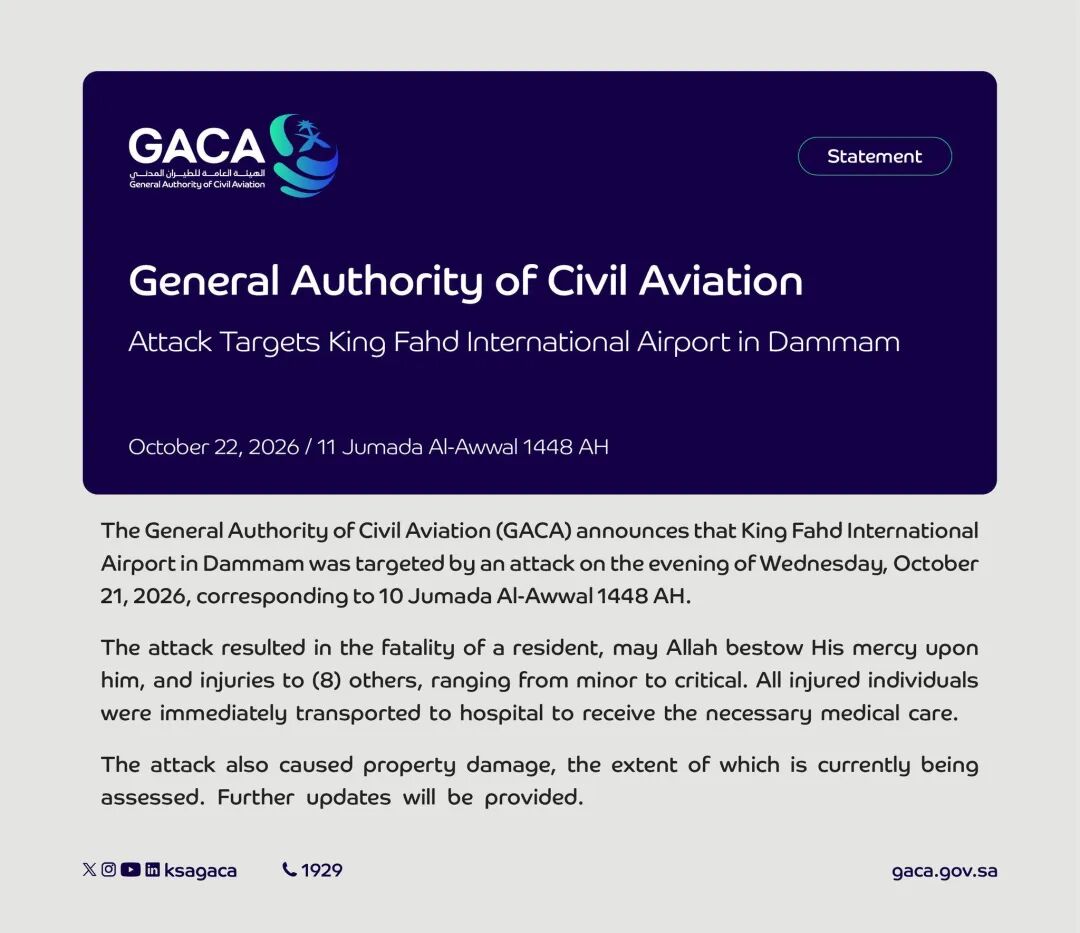
Travel Advisory: Safety Alert for Saudi Arabia Due to Airport Attacks
A deadly attack at King Fahd International Airport in Dammam has caused casualties and disrupted flights. The Chinese Embassy advises citizens to avoid travel and stay vigilant amid rising security threats.

US Israel Strike Plans Against Iran Post-Midterms: Escalation Risks
US and Israel are reportedly preparing for potential military action against Iran after the US midterm elections, as tensions rise and diplomatic efforts falter.
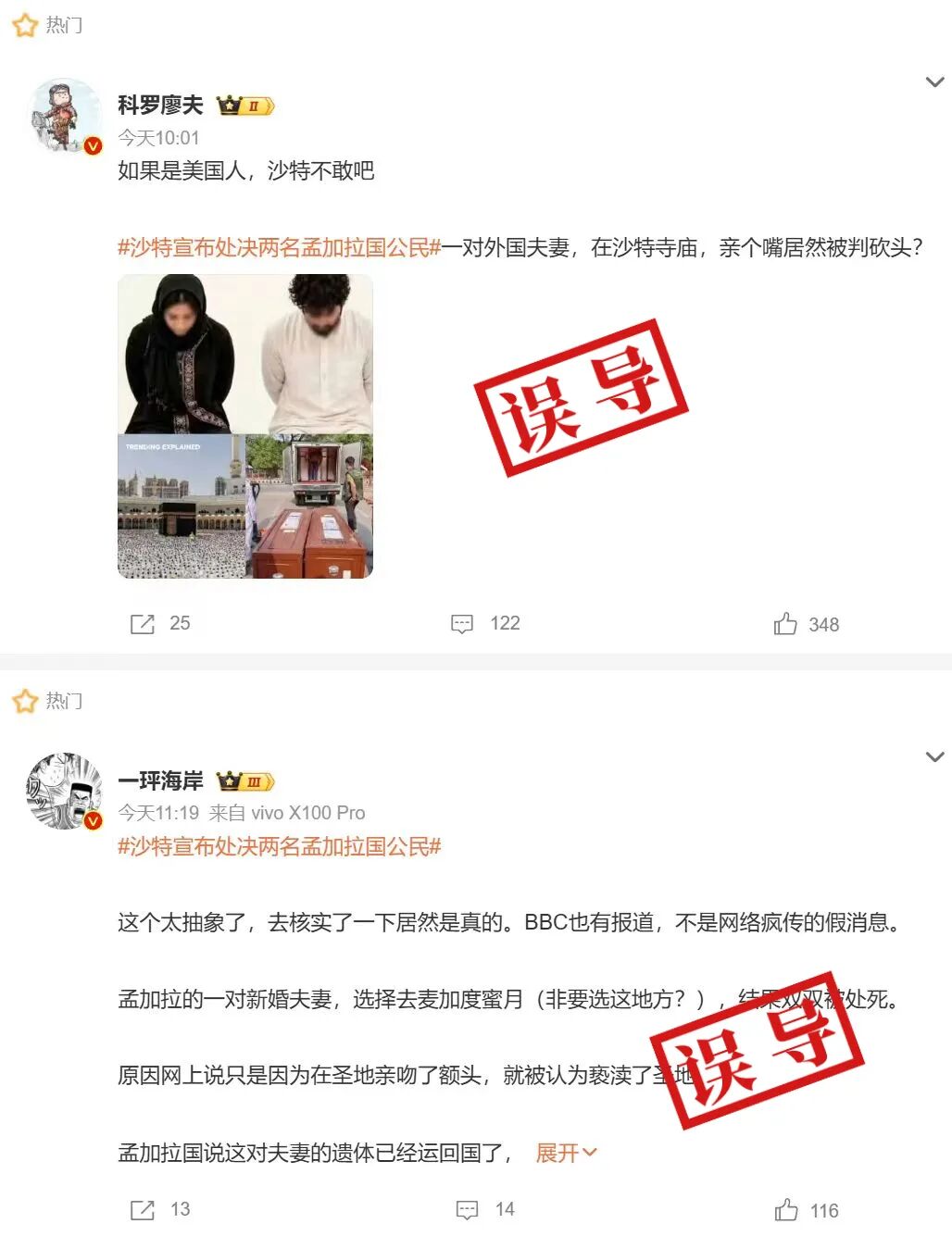
Saudi Arabia Execution of Bangladeshi Workers: Debunking the 'Honeymoon Kiss' Myth
Fact-checking the viral claims that two Bangladeshi citizens were executed in Saudi Arabia for a honeymoon kiss. We analyze the source of the rumors and the actual circumstances of their arrest and execution.
Wall Street Titans Debate AI Bubble: Internet Era or Long-Term Winner?
Citadel, BlackRock, and Oaktree leaders clash over AI valuations. Is the tech boom a repeat of 2000, or the dawn of a new era?
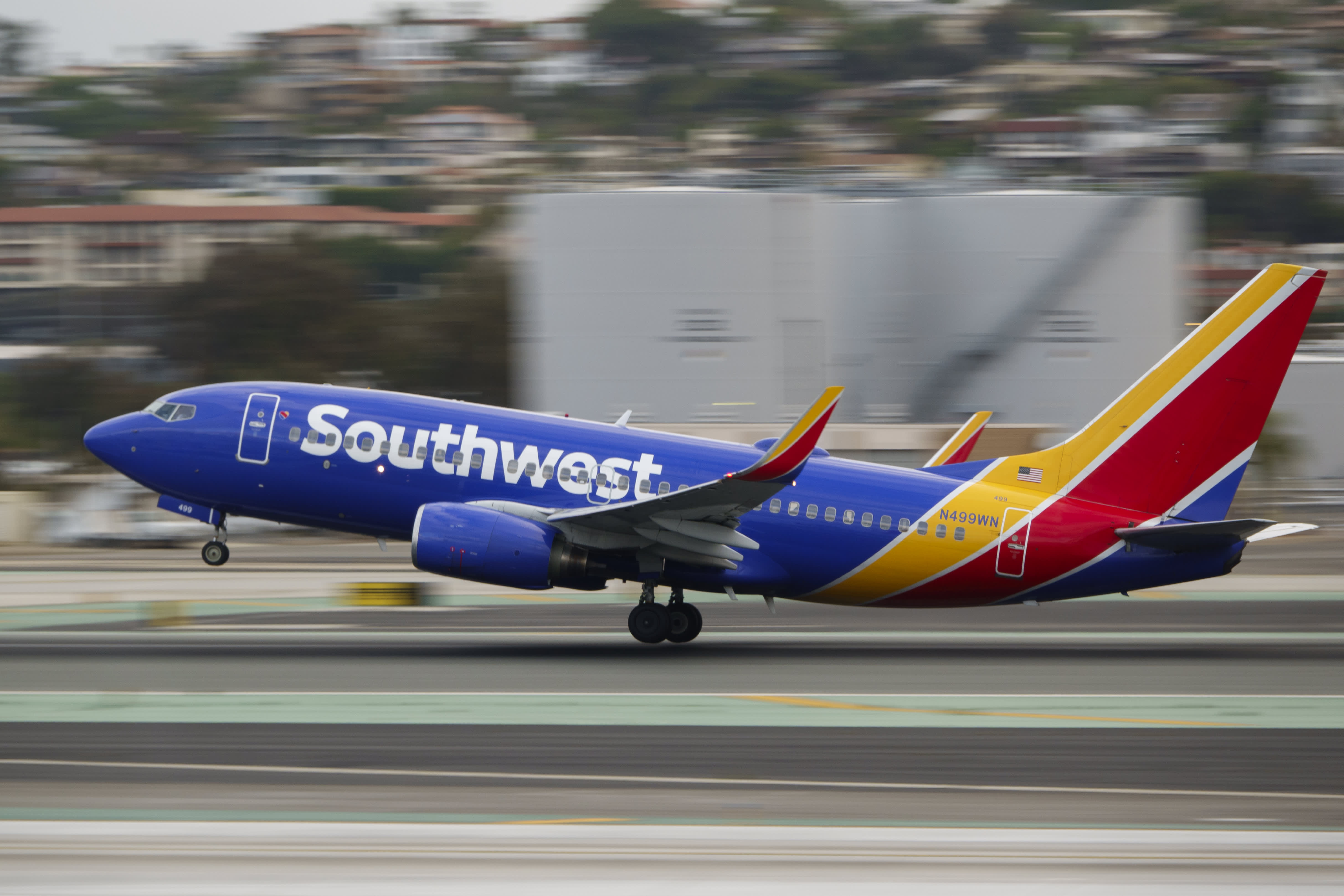
Southwest Airlines Cuts 2026 Profit Forecast Due to Rising Fuel Costs
Southwest Airlines lowers 2026 profit outlook to $2.60-$2.85/share due to higher fuel prices, despite strong demand.

eBay 9% Workforce Cut: Strategic Shifts & AI Investment in 2026
eBay cuts 1,000 jobs (9%) to streamline operations amid AI spending and Depop acquisition. Analyzing the second round of layoffs and strategic pivot.
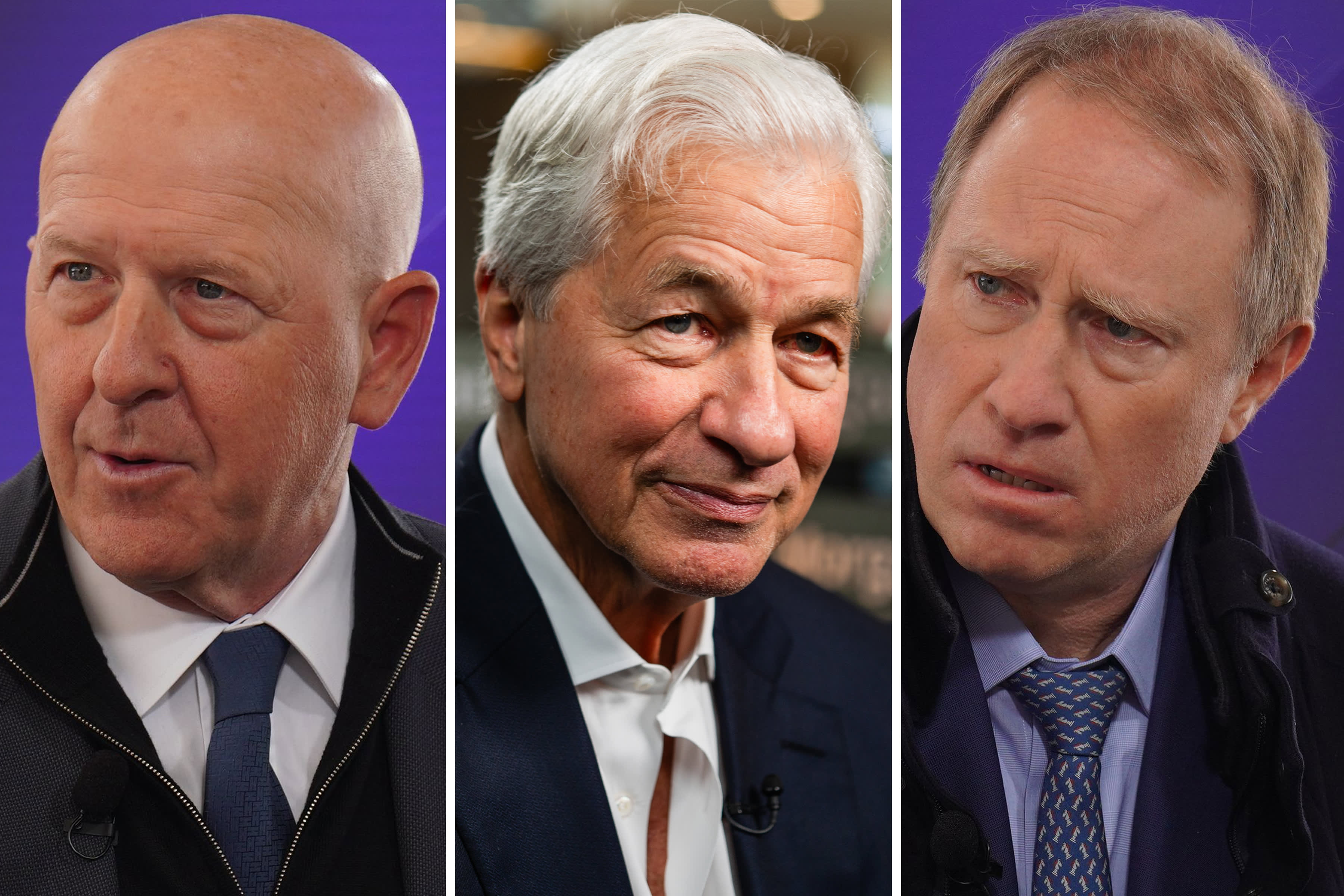
The AI Stock Boom: Goldman Sachs, JPMorgan, and Morgan Stanley's Dominance
Discover how Goldman Sachs, JPMorgan, and Morgan Stanley are leading the AI stock boom, leveraging relaxed capital rules and hedge fund lending. Explore the strategies and market trends shaping this lucrative industry.
Latest Articles
- The 30,000 km Journey of Beijing Swifts: Understanding Transnational Bird Conservation
- Japanese Telecom Giant Admits CEO's Actions Caused Massive Mongolia Grassland Fire
- Shanghai Cooperation Organization: Strengthening Global Governance and Future Collaboration
- Nvidia CEO Jensen Huang: Europe Must Act Fast or Risk Falling Behind in AI Race
- Boeing 737 Max 10 FAA Approval: A Major Win After Years of Delays
- General Motors Beats Q3 2026 Earnings Estimates, Announces $20B Buyback