China Joins ASEAN Demining Exercise in Russia: A Strategic Signal
China's PLA sends troops to Russia for the ASEAN Defense Ministers' Meeting-Plus humanitarian demining drill. Analysis of regional security cooperation and strategic implications.
Source: thepaper.cn
In a move that underscores the growing complexity of regional security cooperation, China's People's Liberation Army (PLA) has dispatched troops to Russia to participate in a humanitarian demining exercise under the auspices of the ASEAN Defense Ministers' Meeting-Plus (ADMM-Plus). The drill, scheduled from September 7 to 12, brings together military personnel from multiple nations to tackle the persistent threat of landmines and unexploded ordnance (UXO) in conflict-affected areas. While the exercise is framed as a humanitarian effort, its strategic undertones are hard to miss, particularly given the current geopolitical climate.
Key Details of the Exercise
- Scope and Participants: The exercise involves the PLA Army, alongside forces from Russia and other ADMM-Plus member states. The focus is on joint humanitarian clearance operations in areas contaminated by mixed explosives, a scenario that reflects real-world challenges in post-conflict zones.
- Training Activities: The drill includes battlefield area clearance, mechanical demining, the use of mine detection dogs, and the disposal of improvised explosive devices (IEDs). These activities are designed to enhance interoperability among participating forces and share best practices.
- Humanitarian Framing: The official narrative emphasizes the humanitarian purpose—clearing landmines to protect civilians and enable post-conflict reconstruction. This framing helps legitimize military cooperation under a non-threatening, life-saving banner.
- Capacity Building: The exercise aims to promote exchanges on demining techniques and build the capacity of participating nations, particularly those in Southeast Asia that face lingering UXO issues from past conflicts.
- Regional Stability: By fostering cooperation in a low-stakes, high-benefit area, the exercise contributes to confidence-building measures that can ease tensions in the broader Asia-Pacific region.
- Timing and Location: The choice of Russia as the host is notable, given ongoing Western sanctions and Moscow's isolation in many security forums. This drill offers Russia a platform to reassert its role in Asian security dialogues.
- China's Participation: For China, this is an opportunity to demonstrate its commitment to regional security and humanitarian causes, while also strengthening military-to-military ties with Russia and ASEAN states.
- ADMM-Plus Framework: The exercise operates under the ADMM-Plus, a mechanism that includes ASEAN members and eight dialogue partners (Australia, China, India, Japan, New Zealand, Russia, South Korea, and the US). This broad membership makes it a unique venue for multilateral engagement.
In-Depth Analysis
This demining exercise is more than a technical training event; it is a strategic chess move in the Indo-Pacific theater. For China, participation in Russia-hosted military activities serves multiple purposes. It deepens Sino-Russian military cooperation, which has grown steadily since 2022, signaling a united front against Western influence. Simultaneously, it allows China to project a benign image in Southeast Asia, countering narratives of aggressive expansionism. The humanitarian angle is particularly effective: it shifts focus from contentious issues like the South China Sea to a shared, non-controversial goal.
The choice of Russia as the host is equally significant. Russia, facing isolation from Western-led security structures, is pivoting eastward. Hosting an ADMM-Plus event, even a niche one like demining, gives Moscow a foothold in Asian security dialogues, which it has been seeking to expand. For ASEAN members, the exercise offers practical benefits—many countries like Laos, Cambodia, and Vietnam still suffer from UXO contamination—while allowing them to balance their security ties between China and the US.
Looking ahead, we can expect more such low-stakes, high-visibility exercises under the ADMM-Plus umbrella. They serve as a safety valve for regional tensions, providing a platform for dialogue even when geopolitical rivalries are acute. However, the effectiveness of these exercises in building trust is limited if they are perceived as geopolitical tools. The true test will be whether the humanitarian outcomes are prioritized over strategic posturing. If the focus remains on saving lives and clearing land, these exercises can genuinely contribute to regional peace and stability.
Frequently Asked Questions
What is the ADMM-Plus? The ADMM-Plus is a platform for defense and security cooperation between ASEAN member states and eight dialogue partners, including China, Russia, and the US. It facilitates multilateral engagement on issues like maritime security, counter-terrorism, and humanitarian assistance.
Why is demining an important area of cooperation? Landmines and unexploded ordnance pose a severe threat to civilian populations long after conflicts end. In Southeast Asia, countries like Laos and Cambodia have some of the highest contamination rates in the world. Demining cooperation not only saves lives but also enables safe agricultural development and infrastructure rebuilding.
Does China's participation signal a shift in its foreign policy? Not necessarily a shift, but a reinforcement of existing trends. China has been actively engaging in multilateral security forums to bolster its image as a responsible global actor. Participating in humanitarian exercises under the ADMM-Plus aligns with this strategy, allowing China to demonstrate soft power while strengthening ties with Russia and Southeast Asian nations.
Source: https://www.thepaper.cn/newsDetail_forward_34022980
Related posts
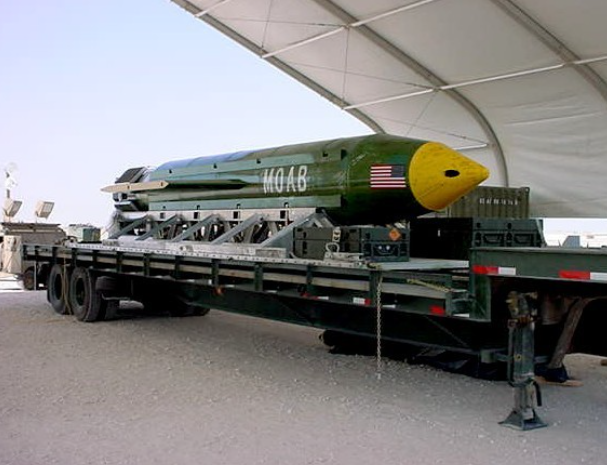
Iran's 'Father of All Bombs' Challenge to US Military Dominance
Iran announces development of 'Father of All Bombs' in response to US military threats, escalating tensions in the Middle East amid potential new military actions.
EU's Cold War Approach to China's Arctic Activities Undermines Regional Stability
China criticizes EU's new Arctic strategy for adopting Cold War mentality, warning that geopolitical tensions threaten Arctic peace and sustainable development.
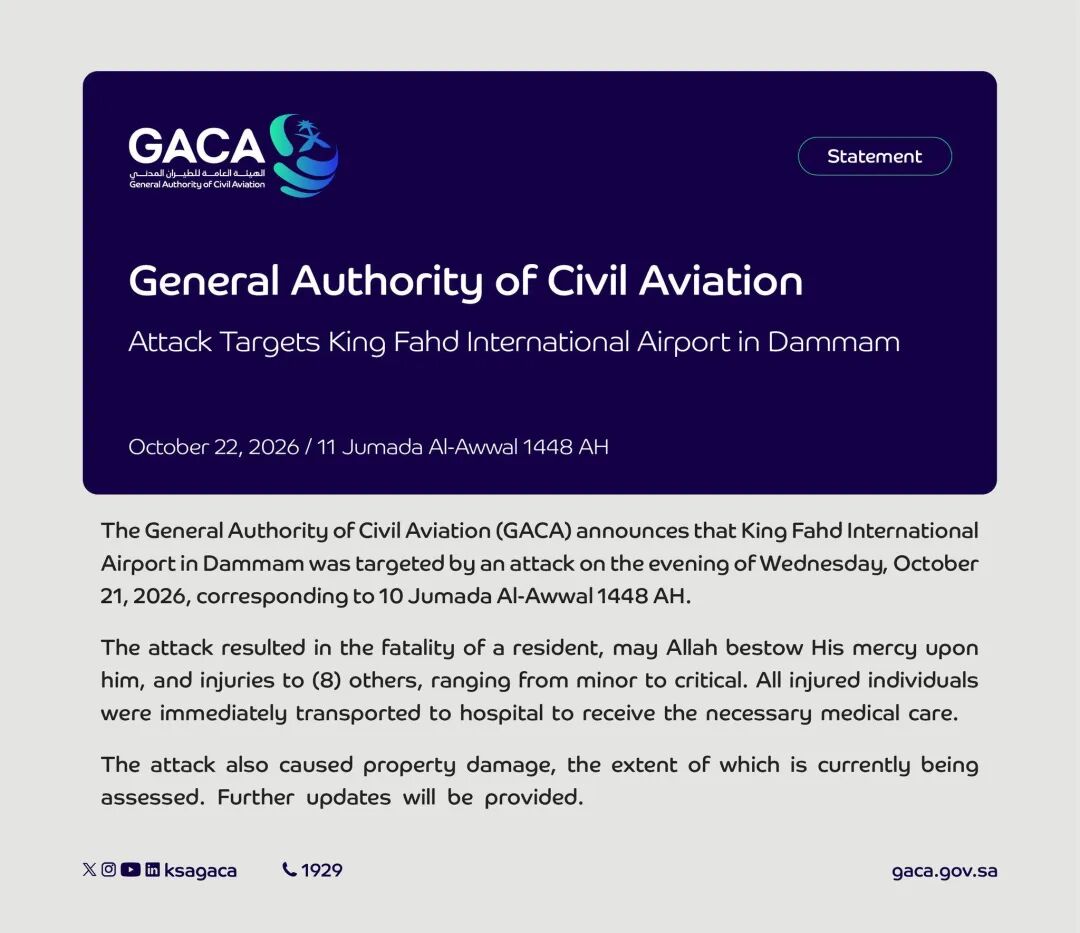
Travel Advisory: Safety Alert for Saudi Arabia Due to Airport Attacks
A deadly attack at King Fahd International Airport in Dammam has caused casualties and disrupted flights. The Chinese Embassy advises citizens to avoid travel and stay vigilant amid rising security threats.

US Israel Strike Plans Against Iran Post-Midterms: Escalation Risks
US and Israel are reportedly preparing for potential military action against Iran after the US midterm elections, as tensions rise and diplomatic efforts falter.

Saudi Arabia Execution of Bangladeshi Workers: Debunking the 'Honeymoon Kiss' Myth
Fact-checking the viral claims that two Bangladeshi citizens were executed in Saudi Arabia for a honeymoon kiss. We analyze the source of the rumors and the actual circumstances of their arrest and execution.

Wall Street Titans Debate AI Bubble: Internet Era or Long-Term Winner?
Citadel, BlackRock, and Oaktree leaders clash over AI valuations. Is the tech boom a repeat of 2000, or the dawn of a new era?
Southwest Airlines Cuts 2026 Profit Forecast Due to Rising Fuel Costs
Southwest Airlines lowers 2026 profit outlook to $2.60-$2.85/share due to higher fuel prices, despite strong demand.

eBay 9% Workforce Cut: Strategic Shifts & AI Investment in 2026
eBay cuts 1,000 jobs (9%) to streamline operations amid AI spending and Depop acquisition. Analyzing the second round of layoffs and strategic pivot.
Latest Articles
- The AI Stock Boom: Goldman Sachs, JPMorgan, and Morgan Stanley's Dominance
- The 30,000 km Journey of Beijing Swifts: Understanding Transnational Bird Conservation
- Japanese Telecom Giant Admits CEO's Actions Caused Massive Mongolia Grassland Fire
- Shanghai Cooperation Organization: Strengthening Global Governance and Future Collaboration
- Nvidia CEO Jensen Huang: Europe Must Act Fast or Risk Falling Behind in AI Race
- Boeing 737 Max 10 FAA Approval: A Major Win After Years of Delays