ChargePoint CEO: 70% Stock Surge Is Just the Beginning of EV Charging Momentum
ChargePoint's stock soared over 70% after strong Q2 results. CEO Rick Wilmer tells CNBC why growth will accelerate with new products and AI.
Source: CNBC
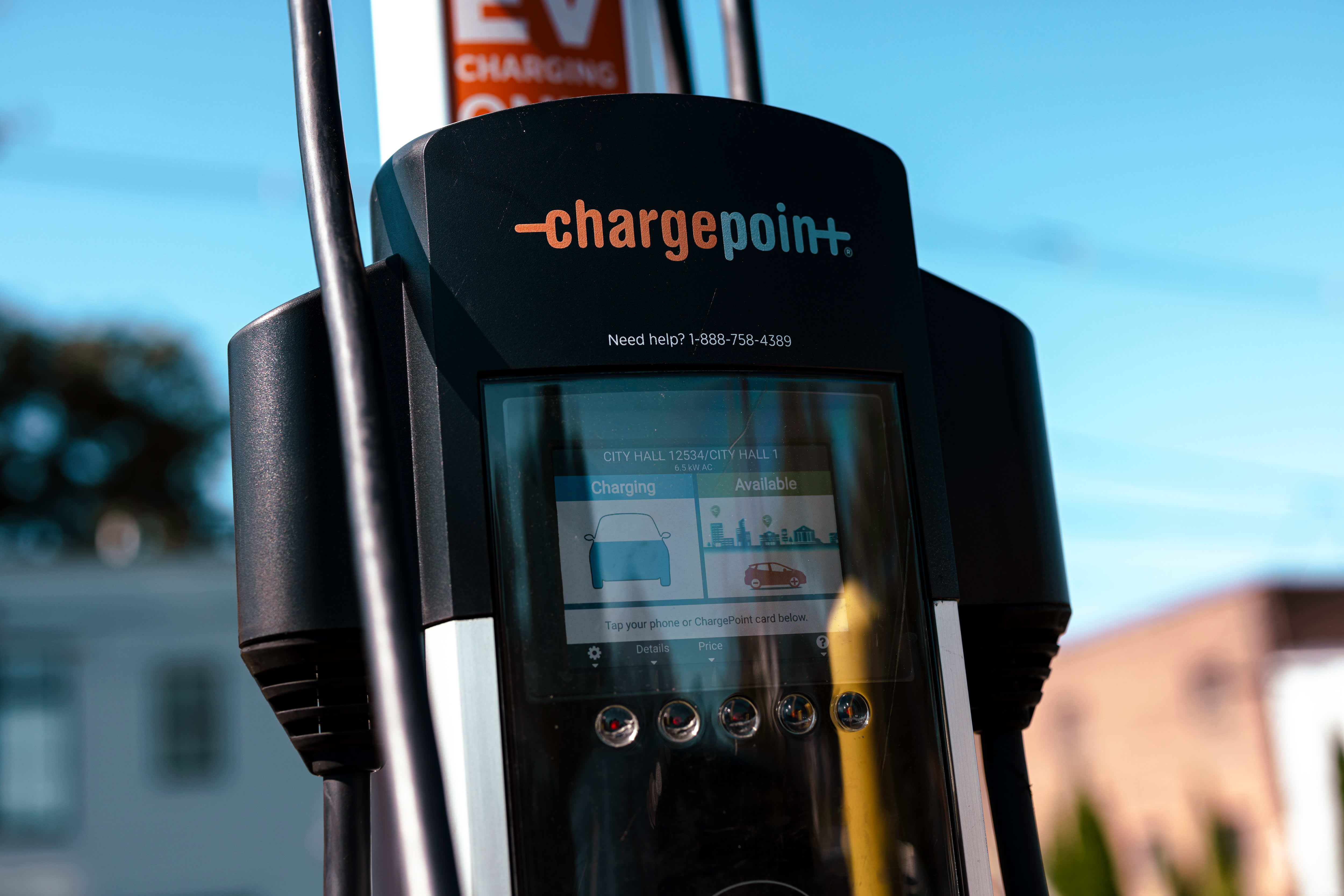
Electric vehicle charging stocks have had a rough ride lately, but ChargePoint just delivered a jolt of positive energy. After the company reported second-quarter results that crushed Wall Street's expectations, its shares surged more than 70% in a single day. CEO Rick Wilmer didn't shy away from the spotlight, telling CNBC that this is only "the beginning of the momentum." With a new product pipeline, AI-driven efficiency, and a focus on profitability, ChargePoint is signaling that the EV charging sector might be turning a corner—even as the broader EV market faces headwinds.
Key Highlights
-
Massive Stock Surge: ChargePoint's stock jumped over 70% in afternoon trading on Thursday, marking its biggest one-day gain since the reverse stock split last year. The rally came after the company reported Q2 revenue of $116.1 million, beating analyst expectations of $105.2 million, and a narrower-than-expected loss per share of 35 cents versus the anticipated 85 cents.
-
Fourth Consecutive Quarter of Growth: Wilmer highlighted that this was the fourth straight quarter of year-over-year revenue growth. The company's normalized gross margin hit a new record, even excluding a one-time $4.2 million tariff refund that also helped the quarter.
-
Product Innovation as a Growth Driver: ChargePoint is rolling out faster "Level 3" high-performance chargers in Europe and next-generation Level 2 and Level 3 chargers in the U.S. Wilmer believes these new products will substantially accelerate growth, especially heading into next year.
-
AI Integration: The company is leveraging artificial intelligence to optimize charging times for customers, speed up software development, and improve overall operational efficiency. This tech-forward approach is part of ChargePoint's broader strategy to stay competitive.
-
Business Model Differentiation: Unlike some EV charging companies that own and operate their own networks, ChargePoint sells hardware, software, and services to businesses that want to offer charging to their employees or customers. This asset-light model reduces capital intensity and allows for scalable growth.
-
Progress on Profitability: Under a three-year business plan led by Wilmer, ChargePoint has cut net losses from $125.3 million three years ago to $35.6 million in the most recent quarter. The company is approaching EBITDA profitability and aims to achieve it as soon as possible.
In-Depth Analysis
ChargePoint's upbeat outlook stands in stark contrast to the broader EV market's recent struggles. The elimination of federal support, including the up to $7,500 consumer tax credit, has dampened all-electric vehicle sales in the U.S., leading many to declare the EV transition a disappointment. However, Wilmer argues that the "doom and gloom" has been overstated, pointing to continued EV sales by automakers and strong demand in the used EV market, fueled by high gas prices.
This divergence raises an interesting question: Is ChargePoint's surge a one-off event or a sign of a sector-wide recovery? The company's strong quarter suggests that while consumer EV adoption may be slowing, the charging infrastructure market still has room to grow. ChargePoint's focus on commercial customers—businesses, fleets, and municipalities—provides a buffer against fluctuations in consumer EV sales. As more companies electrify their fleets and offer charging amenities, demand for ChargePoint's products could remain resilient.
Moreover, the integration of AI into charging technology is a forward-looking move. Faster charging times and improved software efficiency could make ChargePoint's offerings more attractive to both existing and potential customers. The company's guidance for Q3 revenue between $105 million and $115 million, a 4% year-over-year increase at the midpoint, indicates steady but modest growth. However, Wilmer's confidence in acceleration next year hinges on the successful rollout of new products and continued cost discipline.
Investors are clearly optimistic, but the sustainability of this momentum will depend on execution. ChargePoint's path to profitability is encouraging, but the company must navigate a competitive landscape that includes both established players and new entrants. The EV charging market is still nascent, and regulatory changes, technological shifts, and consumer behavior will all play a role in shaping its future. For now, ChargePoint's latest results offer a glimmer of hope that the sector can thrive even in a challenging environment.
Frequently Asked Questions
Why did ChargePoint's stock surge so dramatically?
ChargePoint's stock jumped over 70% after the company reported second-quarter earnings that far exceeded analyst expectations. Revenue of $116.1 million beat forecasts by over $10 million, and the loss per share was significantly narrower than anticipated. The company also provided optimistic guidance, suggesting continued growth and improved profitability.
What makes ChargePoint different from other EV charging companies?
Unlike companies that own and operate their own charging networks, ChargePoint operates a business-to-business model. It sells hardware, software, and services to businesses, property owners, and fleets, allowing them to offer charging solutions. This asset-light approach reduces capital expenditure and allows for faster scaling.
Is ChargePoint profitable?
Not yet, but it's getting closer. The company has made significant strides in reducing its net loss, from $125.3 million three years ago to $35.6 million in the most recent quarter. Management says it is approaching EBITDA profitability and aims to achieve it as soon as possible, though no specific timeline has been disclosed.
Source: https://www.cnbc.com/2026/09/03/chargepoint-ceo-50percent-stock-surge-is-the-beginning-of-the-momentum.html
Related posts

AI Startup Bankruptcies: The Reverse Acquihire Trend Explained
Character.ai's bankruptcy reveals a troubling trend in the AI industry: 'reverse acquihires' by tech giants like Google. We analyze the financial and strategic implications for startups.

LDP Senior Official Visits Yasukuni Shrine Amid Rising Regional Tensions
Analysis of the recent high-profile visits to Yasukuni Shrine by Japanese LDP leadership, including Katsunobu Kato and Masako Okada, and their implications for regional diplomacy.

IMF Secretary-General Warns: Strait of Hormuz Risks Remain High Amid Rising Attacks
The Strait of Hormuz faces severe security threats, with over 110 vessels attacked since conflict escalation. Learn why global shipping is at risk and what measures are being taken.

Trump Signs Executive Order to Waive Key Sanctions on Russia Amid Energy Crisis
Trump administration exempts major parts of the Graham Bill, including 500% tariffs on Russian imports, to stabilize domestic fuel markets.

Trump's AI to SI Rename: Political Theater or Tech Revolution?
Examining the implications of Trump's controversial decision to replace 'AI' with 'SI' in all US government documents, analyzing the political motivations and global repercussions.
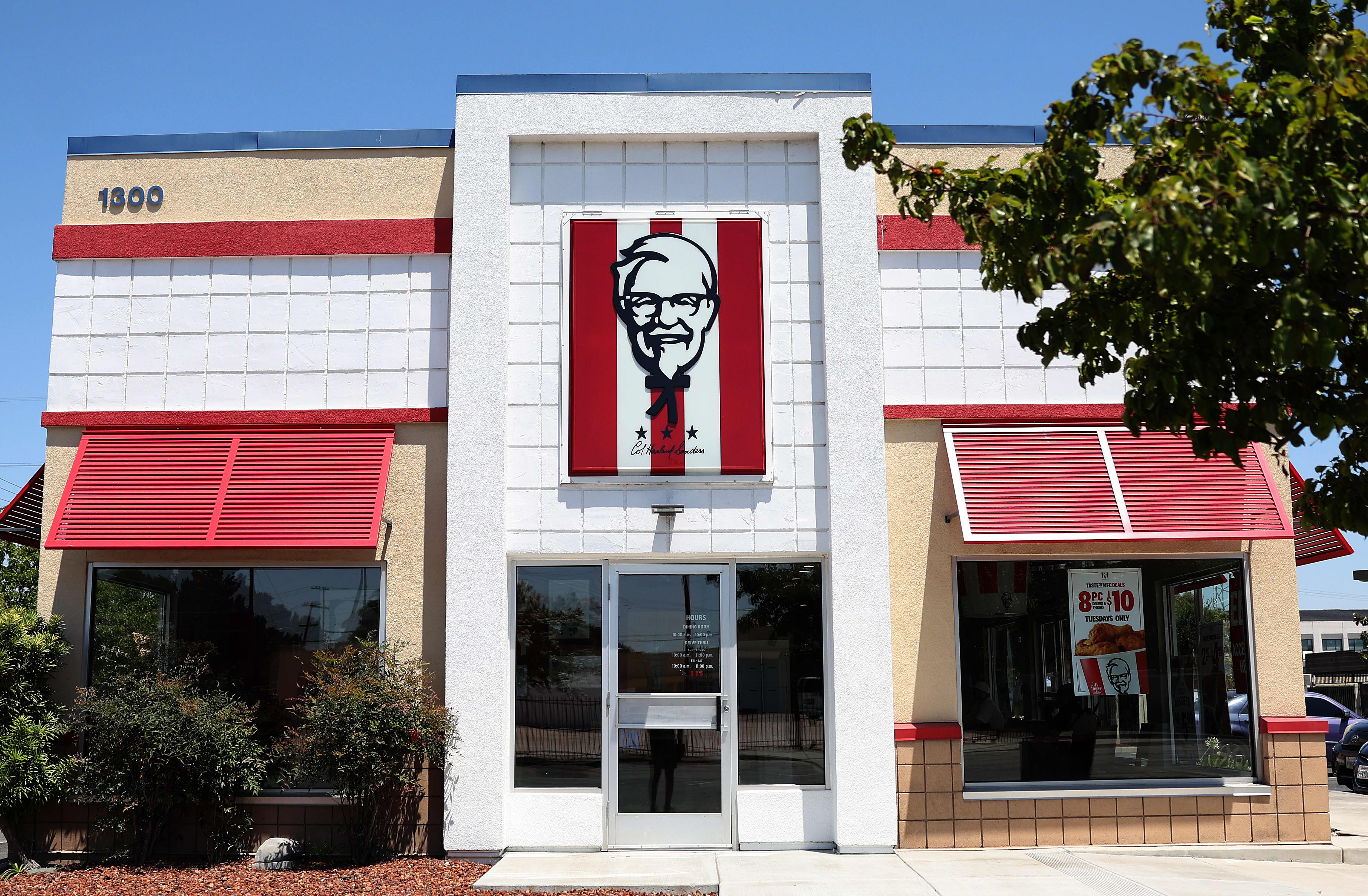
KFC Switches to Coca-Cola After Decades-Long Partnership with Pepsi
Breaking: KFC will replace PepsiCo with Coca-Cola beverages across all U.S. locations by Q1 2027, marking a major shift in the fast-food industry's beverage alliances.

Netflix Appoints Peter Rice as New Chief Content Officer to Revitalize Strategy
Netflix hires former Disney executive Peter Rice to lead content, replacing Bela Bajaria amid declining viewership and a massive workforce cut.

Nike's India Campus Strategy Amid China Sales Decline
Nike invests in Bengaluru campus as growth strategy while facing 26% revenue drop in China market.
Latest Articles
- China's Diplomatic Stance on Philippines: Navigating Tensions and Seeking Stability
- US Restrictions on Chinese Drones Backfire as Performance Gap Widens
- Strait of Hormuz Attacks Surge as Iran Seeks to Influence US Midterm Elections
- Southwest Airlines Overhauls Loyalty Program with New Tiers and Benefits
- Oregon School Shooting: Tragedy Sparks Debate on Gun Control
- The Billionaire Space Race: Musk vs. Bezos