Maduro's Legal Team Cites Immunity in Bid to Dismiss US Charges
Venezuelan President Maduro's defense files motion to dismiss US indictment on immunity grounds, citing sovereign immunity. Analysis of legal and geopolitical implications.
Source: thepaper.cn
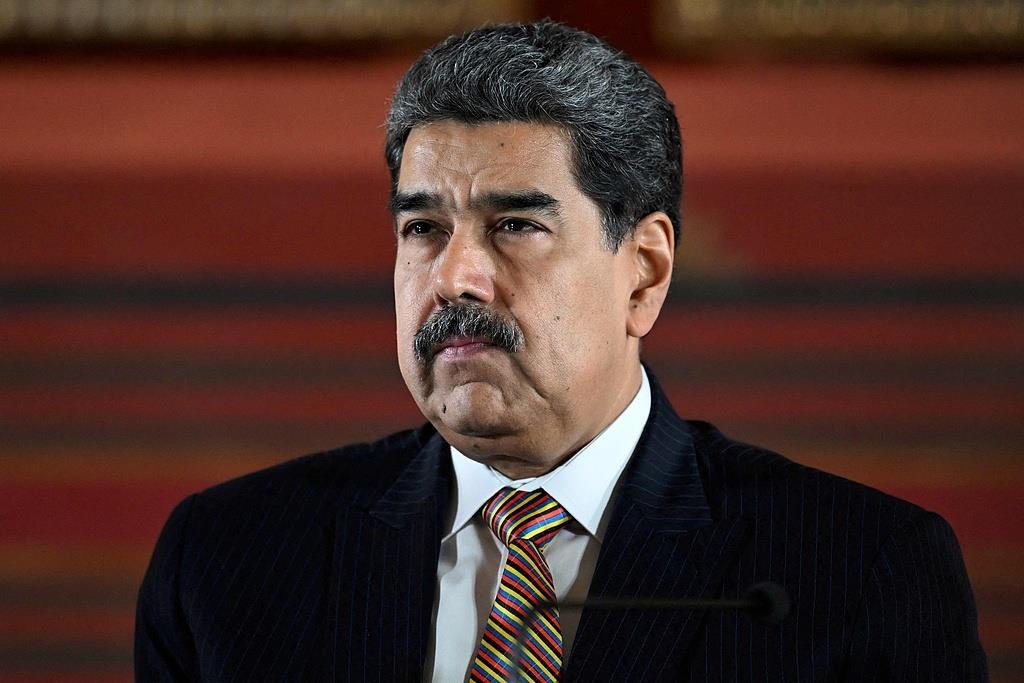
In a dramatic legal move with far-reaching geopolitical implications, Venezuelan President Nicolás Maduro's defense team has filed a motion to dismiss the charges against him in a US federal court, invoking head-of-state immunity. The filing, submitted on September 2, 2026, to the US District Court for the Southern District of New York, challenges the legitimacy of the prosecution and underscores the escalating tensions between Washington and Caracas. As the world watches, this case could set a precedent for how international law is applied to sitting leaders in foreign courts.
Key Details
-
Immunity Argument: Maduro's lawyers argue that as a sitting head of state, he enjoys absolute immunity from criminal prosecution in foreign courts under customary international law. They filed a motion to dismiss the fourth superseding indictment against him, backed by a legal memorandum and supporting documents.
-
Supporting Evidence: The defense submitted a declaration and multiple exhibits, including a January 3, 2026 ruling from Venezuela's Supreme Court's Constitutional Chamber, a document from the United Socialist Party, and two Italian court judgments. These are intended to bolster the claim that Maduro's detention and prosecution violate international norms.
-
Judicial Timeline: Judge Alvin Hellerstein has scheduled a hearing on the motion for November 17, 2026. The motion does not automatically result in dismissal; prosecutors will respond, and the judge will decide whether the immunity defense holds against US charges.
-
Background of the Case: The charges stem from a US military operation on January 3, 2026, which forcibly brought Maduro and his wife to the United States. They were arraigned on January 5, 2026, and have consistently rejected the allegations, which they call politically motivated.
-
International Reaction: The operation and subsequent prosecution have drawn widespread international condemnation, with many nations and organizations accusing the US of violating Venezuela's sovereignty and threatening regional stability in Latin America.
-
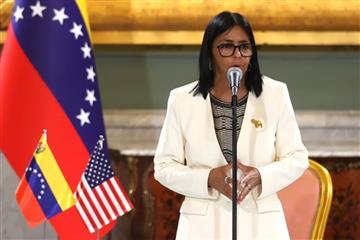
Venezuela's Political Situation: Meanwhile, interim president Delcy Rodríguez stated on September 2 that elections will be held when the country is "ready," without specifying a date. This adds another layer of uncertainty to an already volatile political landscape.
In-Depth Analysis
This case is unprecedented in modern international law. Never before has a sitting head of state been forcibly brought to the United States to face criminal charges. The immunity argument is legally robust, as sovereign immunity is a well-established principle. However, US courts have often been reluctant to grant immunity to foreign leaders accused of serious crimes, especially when those leaders are deemed hostile to US interests. The prosecution will likely argue that Maduro's alleged crimes—likely including drug trafficking and corruption—fall under exceptions to immunity, such as acts not performed in an official capacity or violations of jus cogens norms.
The geopolitical backdrop is equally significant. The US has long sought to isolate Maduro, recognizing opposition leader Juan Guaidó as interim president in 2019. The military operation to capture Maduro marks a dramatic escalation, effectively crossing a red line that could have severe consequences for international order. If the court denies immunity and proceeds with trial, it could embolden other nations to take similar actions against leaders they oppose, undermining the stability of diplomatic relations. Conversely, if immunity is granted, it would be a major setback for US policy and could embolden other leaders facing international scrutiny.
The timing of the motion, just weeks before the US midterm elections, adds a political dimension. The Biden administration may be under pressure to appear tough on foreign adversaries, but a protracted legal battle could also become a liability. For Venezuela, the power vacuum and the interim government's promise of elections create a fragile situation. Maduro's absence from the country has left a leadership void, and his potential return—if charges are dismissed—would dramatically alter the political landscape.
Looking ahead, the November hearing will be a critical juncture. Legal experts are divided on the outcome, but many believe the immunity defense has a strong chance, given the extraordinary circumstances of Maduro's capture. However, even if the motion is denied, appeals could drag on for years, keeping the case in the headlines and maintaining pressure on US-Venezuela relations.
Frequently Asked Questions
What is head-of-state immunity and why is it relevant? Head-of-state immunity is a principle of international law that protects sitting leaders from prosecution in foreign courts. Maduro's defense argues that this immunity applies to him, making the US charges invalid. The court's decision will hinge on whether this principle is absolute or has exceptions.
Could this case affect other leaders? Yes, the outcome could set a precedent. If the US court rejects immunity, it might encourage other countries to pursue legal actions against foreign leaders, potentially destabilizing international relations. Conversely, upholding immunity could reinforce the norm that leaders are protected from foreign prosecution while in office.
What happens next in the legal process? The prosecution will file a response to the motion, and both sides will present arguments at the November 17 hearing. The judge may rule immediately or take time to deliberate. If the motion is denied, the case will proceed to trial, which could take years. If granted, Maduro could be released and returned to Venezuela, though the political situation there remains uncertain.
Source: https://www.thepaper.cn/newsDetail_forward_33999155
Related posts

AI Startup Bankruptcies: The Reverse Acquihire Trend Explained
Character.ai's bankruptcy reveals a troubling trend in the AI industry: 'reverse acquihires' by tech giants like Google. We analyze the financial and strategic implications for startups.

LDP Senior Official Visits Yasukuni Shrine Amid Rising Regional Tensions
Analysis of the recent high-profile visits to Yasukuni Shrine by Japanese LDP leadership, including Katsunobu Kato and Masako Okada, and their implications for regional diplomacy.

IMF Secretary-General Warns: Strait of Hormuz Risks Remain High Amid Rising Attacks
The Strait of Hormuz faces severe security threats, with over 110 vessels attacked since conflict escalation. Learn why global shipping is at risk and what measures are being taken.
Trump Signs Executive Order to Waive Key Sanctions on Russia Amid Energy Crisis
Trump administration exempts major parts of the Graham Bill, including 500% tariffs on Russian imports, to stabilize domestic fuel markets.
Trump's AI to SI Rename: Political Theater or Tech Revolution?
Examining the implications of Trump's controversial decision to replace 'AI' with 'SI' in all US government documents, analyzing the political motivations and global repercussions.
KFC Switches to Coca-Cola After Decades-Long Partnership with Pepsi
Breaking: KFC will replace PepsiCo with Coca-Cola beverages across all U.S. locations by Q1 2027, marking a major shift in the fast-food industry's beverage alliances.
Netflix Appoints Peter Rice as New Chief Content Officer to Revitalize Strategy
Netflix hires former Disney executive Peter Rice to lead content, replacing Bela Bajaria amid declining viewership and a massive workforce cut.
Nike's India Campus Strategy Amid China Sales Decline
Nike invests in Bengaluru campus as growth strategy while facing 26% revenue drop in China market.
Latest Articles
- China's Diplomatic Stance on Philippines: Navigating Tensions and Seeking Stability
- US Restrictions on Chinese Drones Backfire as Performance Gap Widens
- Strait of Hormuz Attacks Surge as Iran Seeks to Influence US Midterm Elections
- Southwest Airlines Overhauls Loyalty Program with New Tiers and Benefits
- Oregon School Shooting: Tragedy Sparks Debate on Gun Control
- The Billionaire Space Race: Musk vs. Bezos