US Friend's China Visit Highlights People-to-People Ties
After 27 years, American Ronald Sakolsky returns to China, meeting desert hero Yin Yuzhen. Beijing backs more exchanges, signaling hope for US-China relations.
Source: thepaper.cn
In an era of geopolitical tension, a simple reunion between an American and a Chinese farmer is making headlines. Ronald Sakolsky, known in China as "Saikesi," returned to the country after 27 years to meet Yin Yuzhen, a national model worker celebrated for her decades of desert reclamation. The meeting, covered by state media, has become a symbol of enduring people-to-people friendship between the US and China. As official relations fluctuate, such personal stories remind us that diplomacy is not just about governments—it's about human connections that survive time and distance.
Key Highlights
-
A Reunion 27 Years in the Making: Ronald Sakolsky, an American who first visited China in the 1990s, reconnected with Yin Yuzhen, the "desert control heroine" who transformed over 60,000 acres of barren land in Inner Mongolia. Their cross-ocean friendship, forged during his earlier visit, underscores the lasting impact of cultural exchanges.
-
Government Endorsement: At a routine press briefing on September 2, Chinese Foreign Ministry spokesperson Guo Jiakun voiced support for the visit, stating that "the hope of Sino-US relations lies in the people, and the foundation is in the grassroots." He reaffirmed China's commitment to encouraging more exchanges between the two peoples.
-
A Story of Mutual Achievement: Guo emphasized that such warm stories prove that "the two great nations can achieve mutual success and benefit the world." This framing aligns with China's broader narrative of promoting peaceful coexistence despite political differences.
-
Media Framing: The visit was reported by Xinhua and The Paper, with headlines highlighting the personal nature of the story. This coverage reflects a deliberate strategy to showcase positive aspects of US-China relations, even as official dialogues face challenges.
-
Historical Context: Sakolsky's first visit occurred in the late 1990s, a period of relative warmth in US-China relations. His return comes amid renewed tensions over trade, technology, and regional security, making the reunion a poignant reminder of past goodwill.
-
Public Sentiment: The story has resonated with Chinese netizens, who view it as a testament to the value of grassroots diplomacy. Many commenters express hope that such exchanges can help stabilize bilateral ties.
In-Depth Analysis
This seemingly small event carries significant diplomatic weight. By highlighting Sakolsky's visit, Beijing is signaling that people-to-people exchanges remain a vital channel for maintaining US-China relations, even when official interactions are strained. The choice to feature a non-celebrity American—rather than a politician or business leader—is strategic: it humanizes the relationship and appeals to shared values of perseverance and friendship.
From a broader perspective, this story fits into China's long-standing narrative that the "foundation" of bilateral ties lies in civil society. By celebrating such stories, Beijing aims to build public support for continued engagement, countering narratives of inevitable conflict. For Washington, the visit may serve as a reminder that American citizens can still find common ground with Chinese counterparts, despite policy disagreements.
Looking ahead, the resumption of such exchanges could pave the way for more cultural, educational, and even economic collaborations. While official summits may remain stalled, grassroots initiatives might offer a pragmatic path forward. However, the impact of a single reunion should not be overstated—it is a symbolic gesture, not a policy shift. Still, in a climate where every positive signal matters, this story offers a glimmer of hope.
Frequently Asked Questions
Why is this visit being covered so prominently by Chinese media?
Because it aligns with Beijing's diplomatic narrative that people-to-people ties are the bedrock of US-China relations. Highlighting such stories helps foster a positive image of bilateral interactions and counters negative perceptions, potentially influencing public opinion both domestically and internationally.
Does this indicate a thaw in US-China relations?
The visit itself is not a diplomatic breakthrough, but it reflects a broader desire to maintain civil exchanges. While official relations remain complex, such events can create a favorable atmosphere for future dialogues. They are part of a gradual, incremental approach to stabilizing ties.
Who is Yin Yuzhen and why is she significant?
Yin Yuzhen is a renowned desert reclamation activist from Inner Mongolia who, with her family, spent decades planting trees to combat desertification. Her efforts have earned her national recognition, including the title of "National Model Worker." She represents the spirit of environmental stewardship and resilience, making her a fitting symbol of positive change.
Source: https://www.thepaper.cn/newsDetail_forward_33993529
Related posts
AI Startup Bankruptcies: The Reverse Acquihire Trend Explained
Character.ai's bankruptcy reveals a troubling trend in the AI industry: 'reverse acquihires' by tech giants like Google. We analyze the financial and strategic implications for startups.

LDP Senior Official Visits Yasukuni Shrine Amid Rising Regional Tensions
Analysis of the recent high-profile visits to Yasukuni Shrine by Japanese LDP leadership, including Katsunobu Kato and Masako Okada, and their implications for regional diplomacy.

IMF Secretary-General Warns: Strait of Hormuz Risks Remain High Amid Rising Attacks
The Strait of Hormuz faces severe security threats, with over 110 vessels attacked since conflict escalation. Learn why global shipping is at risk and what measures are being taken.
Trump Signs Executive Order to Waive Key Sanctions on Russia Amid Energy Crisis
Trump administration exempts major parts of the Graham Bill, including 500% tariffs on Russian imports, to stabilize domestic fuel markets.
Trump's AI to SI Rename: Political Theater or Tech Revolution?
Examining the implications of Trump's controversial decision to replace 'AI' with 'SI' in all US government documents, analyzing the political motivations and global repercussions.
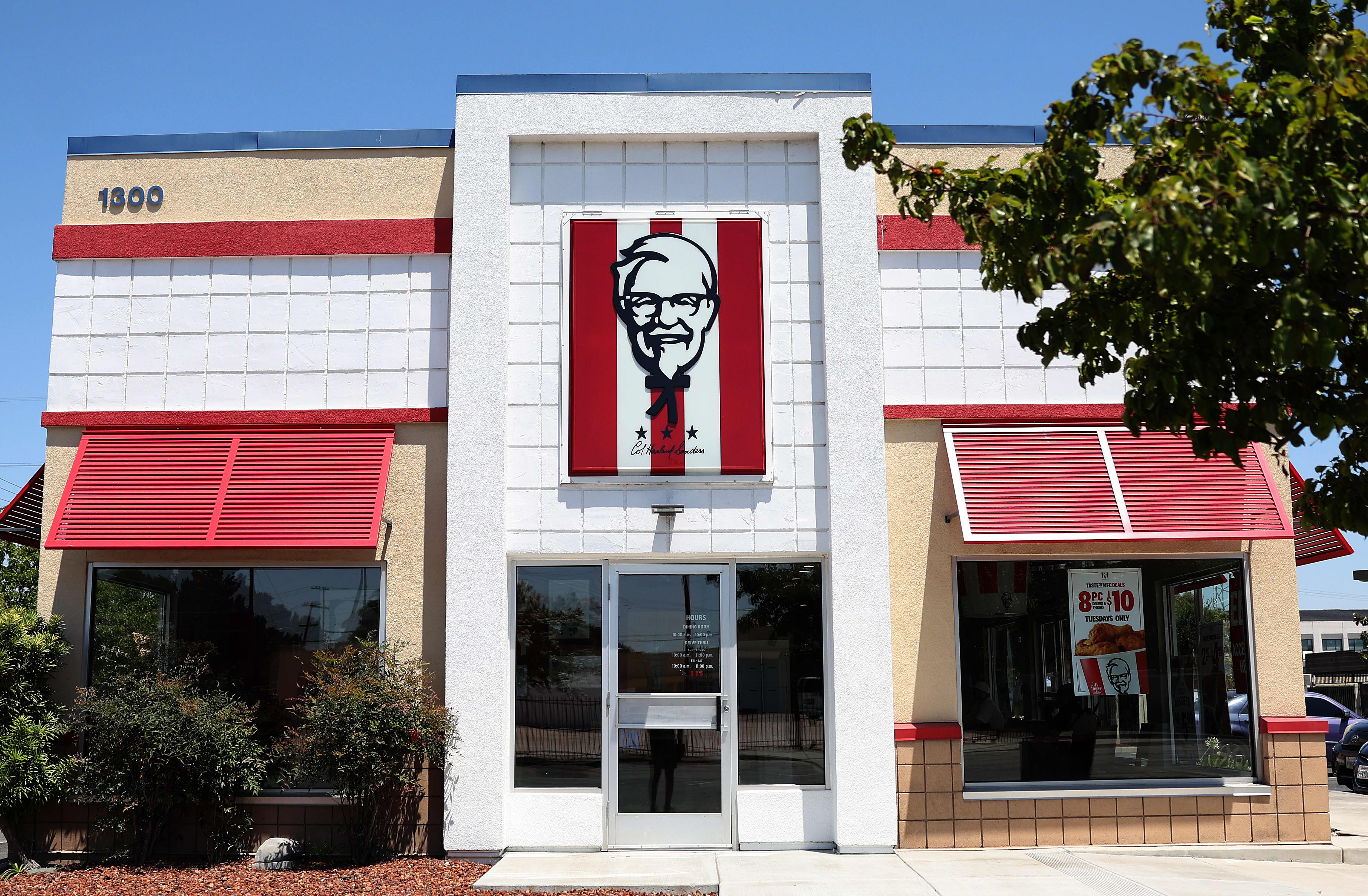
KFC Switches to Coca-Cola After Decades-Long Partnership with Pepsi
Breaking: KFC will replace PepsiCo with Coca-Cola beverages across all U.S. locations by Q1 2027, marking a major shift in the fast-food industry's beverage alliances.
Netflix Appoints Peter Rice as New Chief Content Officer to Revitalize Strategy
Netflix hires former Disney executive Peter Rice to lead content, replacing Bela Bajaria amid declining viewership and a massive workforce cut.
Nike's India Campus Strategy Amid China Sales Decline
Nike invests in Bengaluru campus as growth strategy while facing 26% revenue drop in China market.
Latest Articles
- China's Diplomatic Stance on Philippines: Navigating Tensions and Seeking Stability
- US Restrictions on Chinese Drones Backfire as Performance Gap Widens
- Strait of Hormuz Attacks Surge as Iran Seeks to Influence US Midterm Elections
- Southwest Airlines Overhauls Loyalty Program with New Tiers and Benefits
- Oregon School Shooting: Tragedy Sparks Debate on Gun Control
- The Billionaire Space Race: Musk vs. Bezos