Bugatti CEO: Supercars Enter 'Swiss Watch Phase' with Combustion Engines
Bugatti CEO Mate Rimac says supercars will keep combustion engines as wealthy buyers seek analog, hand-crafted experiences. Explore the market split and what it means for luxury autos.
Source: CNBC
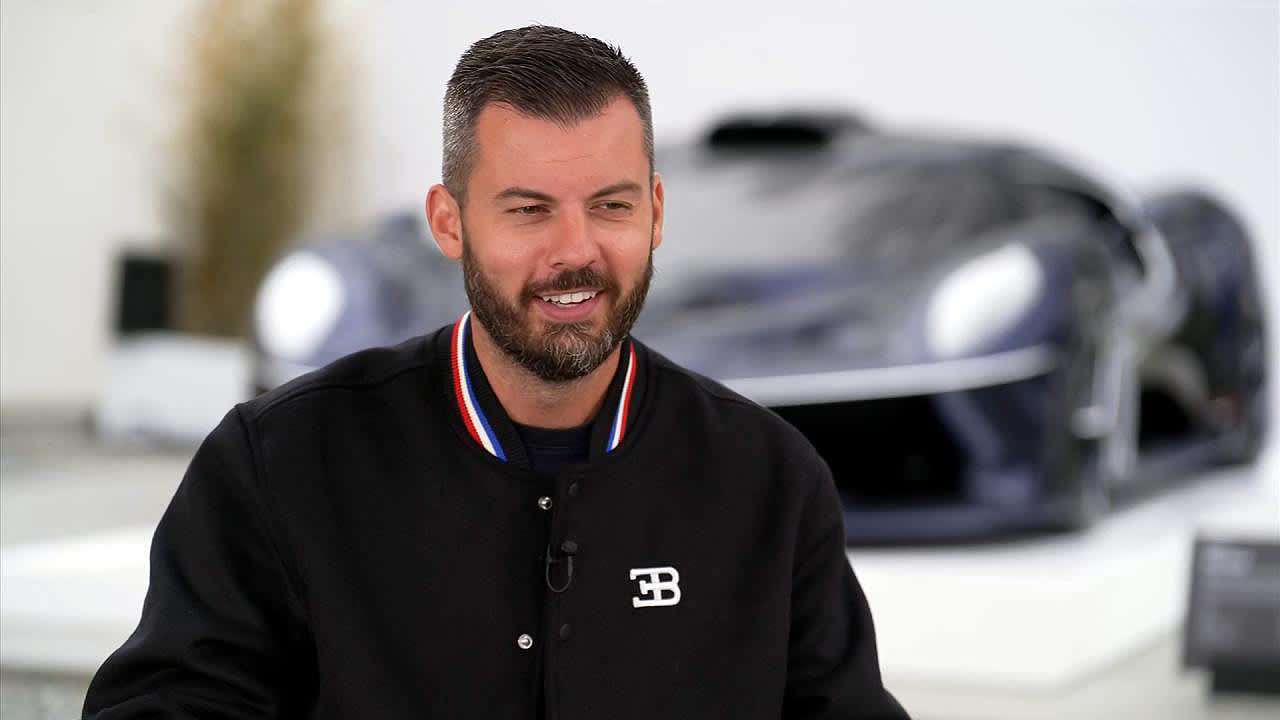
In an era dominated by electric vehicles and autonomous driving, Bugatti CEO Mate Rimac makes a bold prediction: the future of supercars lies in old-school combustion engines. As mainstream automakers pivot to EVs, the ultra-luxury segment is entering what Rimac calls its "Swiss watch phase," where the wealthiest buyers crave precision mechanics and emotional connection over high-tech gadgets. This shift signals a fundamental split in the automotive market, one that could redefine luxury for years to come.
Key Takeaways
-
Market Polarization: Rimac sees the car market dividing into two distinct segments. The mass market will be dominated by affordable EVs, many from China, while the top tier will be driven by wealthy buyers seeking traditional combustion-engine supercars with emotional appeal. This mirrors the watch industry, where smartwatches dominate volume but Swiss mechanical watches capture the lion's share of profits.
-
The "Swiss Watch" Analogy: Rimac compares supercars to high-end watches: only about 5% of watches are made in Switzerland, yet they generate 90% of the industry's profits. Similarly, while EVs will dominate sales, the supercar niche will remain combustion-powered, with buyers willing to pay premium prices for craftsmanship and heritage.
-
Tourbillon's Success: Despite expectations of an electric Bugatti, Rimac's first creation under his leadership is the Tourbillon, a hybrid with an 8.3-liter V16 engine—one of the largest naturally aspirated engines ever built for a production car. With a combined 1,800 horsepower, it's sold out at a starting price of $4.5 million, with customers adding an average of $600,000 to $700,000 in personalization.
-
Personalization as Profit Driver: Customization has become a major revenue stream for supercar makers. Bugatti, Ferrari, and Lamborghini are all leveraging bespoke options, from unique paint colors to one-off models like Bugatti's Destrier, which can cost tens of millions. Rimac notes that wealthy clients want objects that reflect their identity and tell their personal story.
-
Exclusivity Over Volume: Bugatti plans to keep production in the "low three-digit numbers" to maintain exclusivity. The company posted €200 million in EBITDA last year and aims to become the world's most profitable car company on a percentage basis, focusing on quality and profit rather than scale.
-
The Human Factor: In an age of AI and autonomous vehicles, Rimac emphasizes that Bugatti's guiding principle is celebrating human skill. He argues that performance is becoming secondary; what matters is the artistry, engineering, and emotional connection that a supercar provides—something that can't be replicated by a $50,000 Chinese EV.
Deep Dive Analysis
Rimac's "Swiss watch phase" theory offers a compelling lens through which to view the luxury automotive market. As EVs become ubiquitous and performance metrics like 0-60 times become democratized by affordable electric sedans, the ultra-wealthy are increasingly seeking differentiation through analog experiences. This is not just about nostalgia; it's about status and identity. In a world where a $50,000 EV can outperform a supercar from a decade ago, the value of a Bugatti lies not in its speed but in its scarcity, craftsmanship, and the story it tells.
The watch analogy is particularly apt. Just as the Apple Watch hasn't killed the Patek Philippe, the Tesla Roadster won't kill the Bugatti Tourbillon. The wealthy don't buy these objects for utility—they buy them for the emotional resonance and as a form of self-expression. This trend is likely to accelerate as wealth inequality grows and the ultra-rich seek ever more exclusive and personalized possessions.
However, this strategy is not without risks. Regulatory pressures on combustion engines, particularly in Europe, could eventually force even Bugatti to adapt. While Rimac's hybrid approach (combining a V16 with electric motors) is a stopgap, the long-term viability of large-displacement engines remains uncertain. Yet, if any brand can navigate this, it's Bugatti, which has a history of defying convention. The company's focus on profitability over volume, coupled with its strong personalization revenue, positions it well to weather the transition. As Rimac himself notes, life is strange—on the same production line in Croatia, the world's most powerful electric car is built alongside the world's largest combustion engine. That irony might just be the future of supercars.
Frequently Asked Questions
Q: Will Bugatti ever produce a fully electric supercar? A: While Rimac initially was expected to electrify Bugatti, he has instead championed combustion engines for the brand's halo models. However, the Tourbillon is a hybrid, and Rimac hasn't ruled out electric powertrains in the future. For now, the focus is on preserving the emotional and mechanical appeal that combustion engines offer.
Q: Why are wealthy buyers rejecting EVs in favor of combustion supercars? A: For the ultra-wealthy, EVs are often seen as utilitarian, lacking the visceral experience and craftsmanship of a combustion engine. Supercars with V16s or V12s offer a sensory experience—sound, vibration, and mechanical precision—that EVs can't replicate. Additionally, the exclusivity and heritage of combustion-powered brands like Bugatti hold significant status value.
Q: How does personalization impact the value of a supercar? A: Personalization allows buyers to create a unique vehicle that reflects their identity, which is highly valued in the luxury market. It also drives significant profit for manufacturers—Bugatti customers spend an average of $600,000 to $700,000 on custom features. This trend is reshaping how supercar companies approach design and customer engagement.
Source: https://www.cnbc.com/2026/08/25/bugatti-ceo-mate-rimac-supercars-gas-engines.html
Related posts
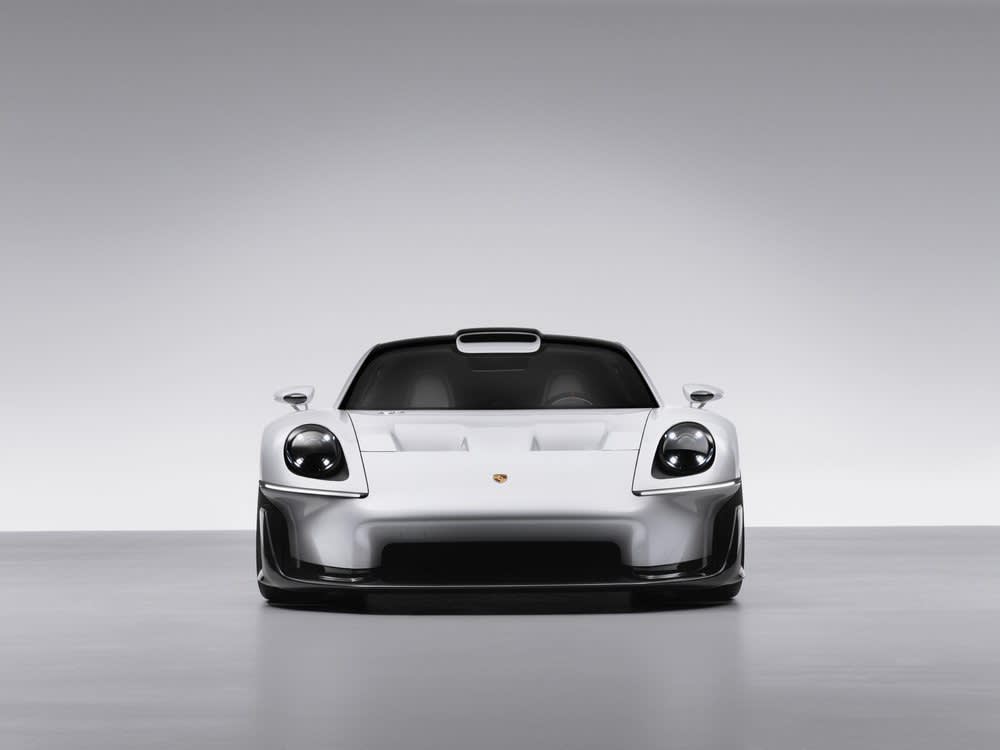
Porsche Unveils Mission S Concept: New Flagship Design Direction
Porsche reveals Mission S concept car previewing new design language and positioning above iconic 911 as part of turnaround strategy.
AI Startup Bankruptcies: The Reverse Acquihire Trend Explained
Character.ai's bankruptcy reveals a troubling trend in the AI industry: 'reverse acquihires' by tech giants like Google. We analyze the financial and strategic implications for startups.

LDP Senior Official Visits Yasukuni Shrine Amid Rising Regional Tensions
Analysis of the recent high-profile visits to Yasukuni Shrine by Japanese LDP leadership, including Katsunobu Kato and Masako Okada, and their implications for regional diplomacy.

IMF Secretary-General Warns: Strait of Hormuz Risks Remain High Amid Rising Attacks
The Strait of Hormuz faces severe security threats, with over 110 vessels attacked since conflict escalation. Learn why global shipping is at risk and what measures are being taken.

Trump Signs Executive Order to Waive Key Sanctions on Russia Amid Energy Crisis
Trump administration exempts major parts of the Graham Bill, including 500% tariffs on Russian imports, to stabilize domestic fuel markets.

Trump's AI to SI Rename: Political Theater or Tech Revolution?
Examining the implications of Trump's controversial decision to replace 'AI' with 'SI' in all US government documents, analyzing the political motivations and global repercussions.
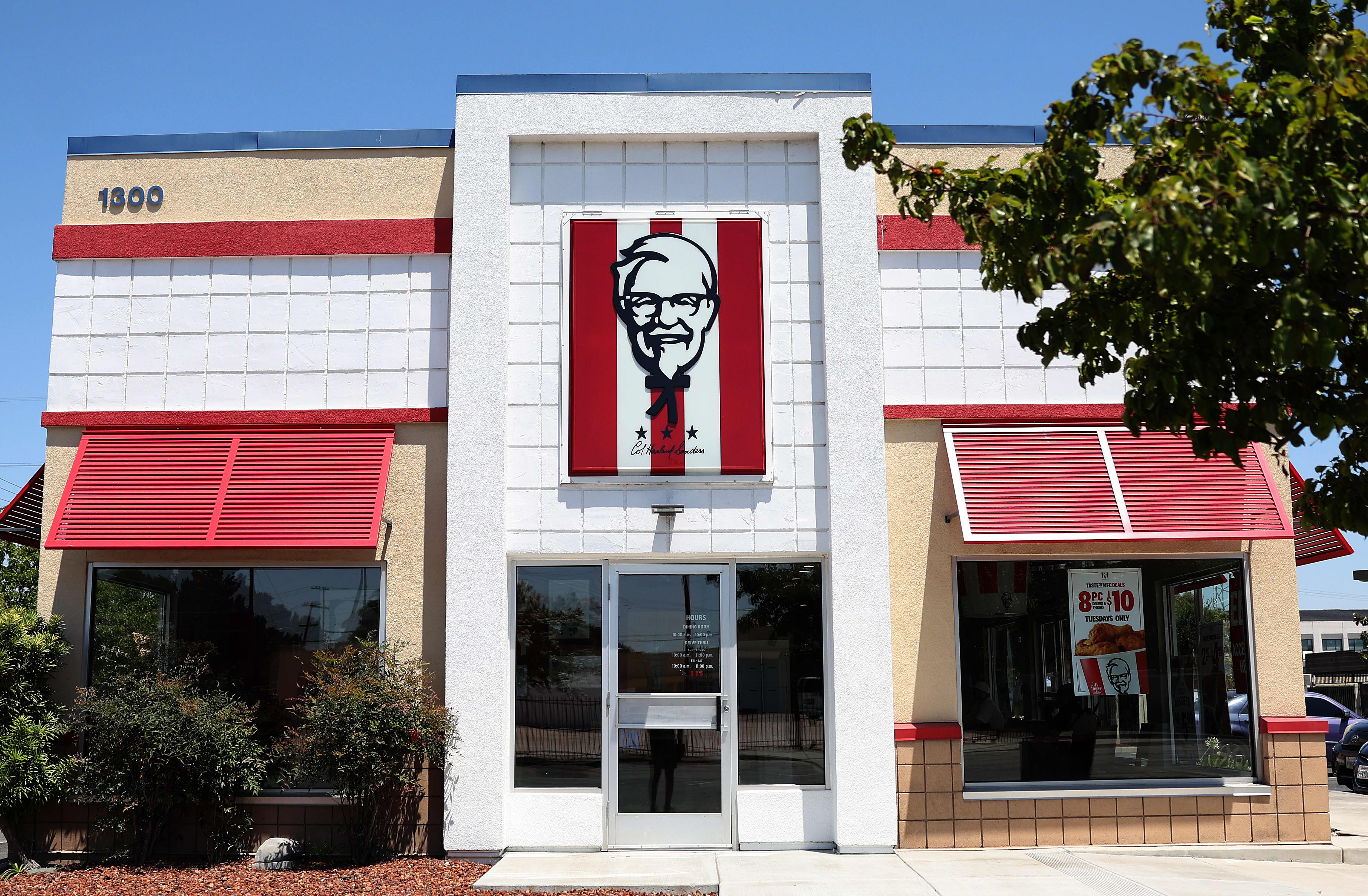
KFC Switches to Coca-Cola After Decades-Long Partnership with Pepsi
Breaking: KFC will replace PepsiCo with Coca-Cola beverages across all U.S. locations by Q1 2027, marking a major shift in the fast-food industry's beverage alliances.
Netflix Appoints Peter Rice as New Chief Content Officer to Revitalize Strategy
Netflix hires former Disney executive Peter Rice to lead content, replacing Bela Bajaria amid declining viewership and a massive workforce cut.
Latest Articles
- Nike's India Campus Strategy Amid China Sales Decline
- China's Diplomatic Stance on Philippines: Navigating Tensions and Seeking Stability
- US Restrictions on Chinese Drones Backfire as Performance Gap Widens
- Strait of Hormuz Attacks Surge as Iran Seeks to Influence US Midterm Elections
- Southwest Airlines Overhauls Loyalty Program with New Tiers and Benefits
- Oregon School Shooting: Tragedy Sparks Debate on Gun Control