OpenAI Lawsuits Allege PR Over Safety in Canada Shooting
New lawsuits claim OpenAI execs prioritized image over safety in the Tumbler Ridge shooting. Explore allegations, OpenAI's response, and AI accountability.
Source: NPR
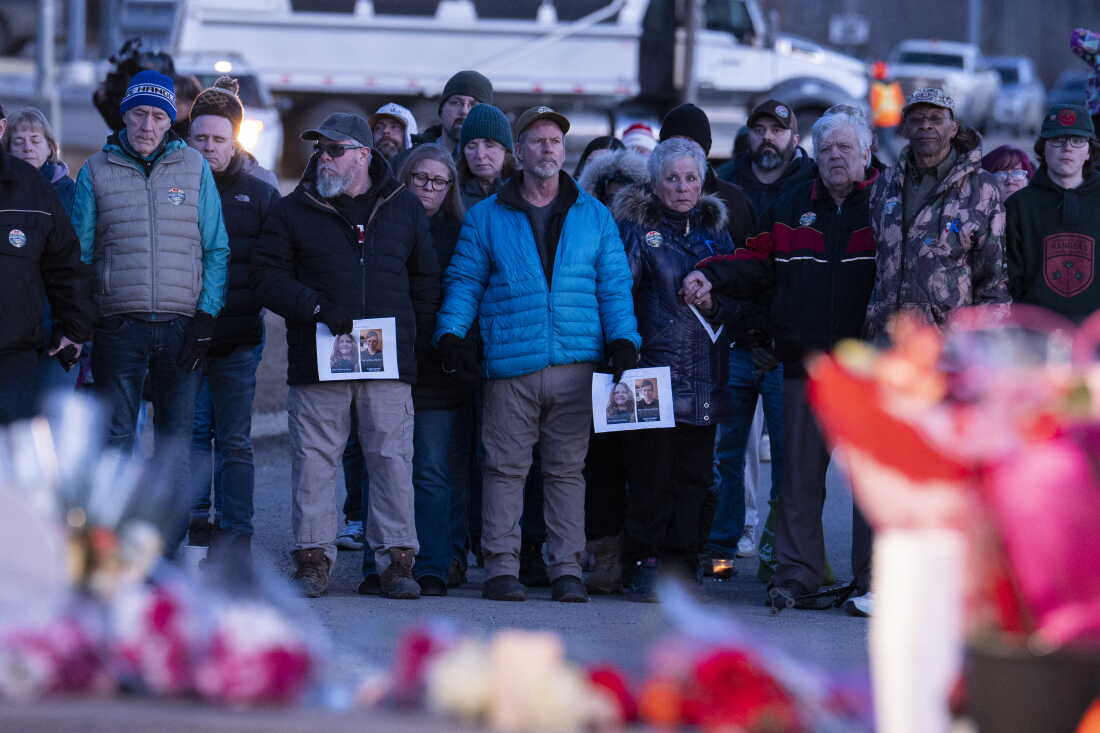
The tragic school shooting in Tumbler Ridge, British Columbia, has sparked a new wave of legal action against OpenAI, with plaintiffs alleging that company executives prioritized public relations over public safety. As the world grapples with the societal impact of generative AI, these lawsuits raise critical questions about corporate responsibility, regulatory oversight, and the ethical deployment of powerful technologies. The outcome could set a precedent for how AI companies handle threat detection and user safety.
Key Allegations
- New lawsuits filed: Thirty complaints were filed in a San Francisco federal court against OpenAI and CEO Sam Altman by individuals present during the February 2026 shooting, including students, teachers, and a principal. These lawsuits follow an earlier filing in April on behalf of seven other victims.
- PR over safety: The new complaints allege that OpenAI's global affairs team, led by Chris Lehane, overrode the safety team's recommendation to alert the Royal Canadian Mounted Police (RCMP) about the alleged shooter's threatening ChatGPT conversations. This suggests that public image considerations may have influenced critical safety decisions.
- The shooter's history: The alleged shooter, 18-year-old Jesse Van Rootselaar, was flagged by OpenAI's automated systems in June 2025 for "gun violence activity and planning." Although OpenAI deactivated the account, Van Rootselaar created a second one, which the company claims it was unaware of until after the shooting.
- Internal decision-making: Plaintiffs allege that Lehane and Altman approved decisions about whether to refer safety concerns to law enforcement, rather than leaving such decisions to trained threat-assessment professionals. One complaint states that the decision was made by Lehane or someone in his chain of command, ratified by Altman.
- OpenAI's denial: OpenAI's chief strategy officer, Jason Kwon, refuted the claims, stating that Lehane was not involved in the referral decision and that investigators do not report to him. Kwon emphasized that safety is a top priority and that the teams handling these cases are dedicated to protecting users.
- Similar allegations: The April lawsuits also accused OpenAI of failing to notify law enforcement and aiding and abetting the shooting. The new lawsuits add the allegation that PR officials overruled safety recommendations, highlighting a pattern of alleged negligence.
- Growing legal wave: These lawsuits are part of a broader trend of legal actions against AI companies. More than 30 lawsuits have been filed in federal and state courts against OpenAI and other AI companies over suicides, mass shootings, and other harms involving chatbot users.
Deep Dive Analysis
The Tumbler Ridge lawsuits represent a pivotal moment in the ongoing debate over AI accountability. At the core is the tension between corporate self-regulation and the need for independent oversight. OpenAI's defense—that it has robust safety protocols and that decisions are made by trained professionals—contrasts sharply with the plaintiffs' narrative of PR-driven decision-making. This case underscores a fundamental flaw in relying on companies to police themselves: the incentive to protect brand reputation may conflict with the duty to prevent harm.
The allegations also highlight the difficulty of balancing user privacy with public safety. OpenAI's systems flagged the shooter, but the company chose not to notify authorities, possibly due to privacy concerns or fear of backlash. This raises ethical questions: Should AI companies have a legal obligation to report potential threats? And if so, what threshold should trigger such reporting?
Looking ahead, these lawsuits could catalyze regulatory change. If courts find OpenAI liable, it may force AI companies to adopt more transparent and accountable practices, such as mandatory reporting of credible threats. Conversely, a ruling in OpenAI's favor might embolden the industry to maintain the status quo, relying on voluntary safeguards. The outcome will likely influence how AI companies design their safety mechanisms and interact with law enforcement.
Moreover, the case brings attention to the broader societal impact of AI chatbots, particularly on vulnerable individuals. The shooter's use of ChatGPT for violent planning is a stark reminder that these tools can amplify harmful intentions. As AI becomes more integrated into daily life, the need for robust safety frameworks and independent oversight becomes increasingly urgent.
The legal landscape is evolving rapidly, with Florida suing OpenAI and a criminal investigation into a separate shooting. These cases collectively signal a shift towards holding AI companies accountable for the real-world consequences of their technologies. The Tumbler Ridge lawsuits, with their detailed allegations of internal decision-making, may provide the most comprehensive look yet at how AI companies handle threat detection.

Frequently Asked Questions
Q: What are the specific allegations against OpenAI in the new lawsuits?
The lawsuits allege that OpenAI's public relations officials, including Chris Lehane, overrode the safety team's recommendation to report the shooter's account to law enforcement. Plaintiffs claim this decision was made to avoid negative publicity, thereby prioritizing image over public safety.
Q: How has OpenAI responded to these allegations?
OpenAI has denied the claims, stating that Lehane was not involved in the referral decision and that its investigators do not report to him. The company maintains that its safety teams are dedicated and that it has policies to report credible threats to law enforcement.
Q: What could be the broader impact of these lawsuits on the AI industry?
These lawsuits could set a legal precedent for AI accountability, potentially leading to stricter regulations and mandatory reporting requirements. They also highlight the need for independent oversight of AI companies to ensure that safety is not compromised for commercial interests.

Source: https://www.npr.org/2026/09/02/nx-s1-5953021/openai-tumbler-ridge-mass-shooting
Related posts

AI Startup Bankruptcies: The Reverse Acquihire Trend Explained
Character.ai's bankruptcy reveals a troubling trend in the AI industry: 'reverse acquihires' by tech giants like Google. We analyze the financial and strategic implications for startups.

LDP Senior Official Visits Yasukuni Shrine Amid Rising Regional Tensions
Analysis of the recent high-profile visits to Yasukuni Shrine by Japanese LDP leadership, including Katsunobu Kato and Masako Okada, and their implications for regional diplomacy.
IMF Secretary-General Warns: Strait of Hormuz Risks Remain High Amid Rising Attacks
The Strait of Hormuz faces severe security threats, with over 110 vessels attacked since conflict escalation. Learn why global shipping is at risk and what measures are being taken.

Trump Signs Executive Order to Waive Key Sanctions on Russia Amid Energy Crisis
Trump administration exempts major parts of the Graham Bill, including 500% tariffs on Russian imports, to stabilize domestic fuel markets.

Trump's AI to SI Rename: Political Theater or Tech Revolution?
Examining the implications of Trump's controversial decision to replace 'AI' with 'SI' in all US government documents, analyzing the political motivations and global repercussions.
KFC Switches to Coca-Cola After Decades-Long Partnership with Pepsi
Breaking: KFC will replace PepsiCo with Coca-Cola beverages across all U.S. locations by Q1 2027, marking a major shift in the fast-food industry's beverage alliances.
Netflix Appoints Peter Rice as New Chief Content Officer to Revitalize Strategy
Netflix hires former Disney executive Peter Rice to lead content, replacing Bela Bajaria amid declining viewership and a massive workforce cut.
Nike's India Campus Strategy Amid China Sales Decline
Nike invests in Bengaluru campus as growth strategy while facing 26% revenue drop in China market.
Latest Articles
- China's Diplomatic Stance on Philippines: Navigating Tensions and Seeking Stability
- US Restrictions on Chinese Drones Backfire as Performance Gap Widens
- Strait of Hormuz Attacks Surge as Iran Seeks to Influence US Midterm Elections
- Southwest Airlines Overhauls Loyalty Program with New Tiers and Benefits
- Oregon School Shooting: Tragedy Sparks Debate on Gun Control
- The Billionaire Space Race: Musk vs. Bezos