Nepal Landslide Disaster Claims 987 Lives: Rescue and Recovery Challenges
Nepal's catastrophic landslide has killed 987 people. Learn about the disaster, government response, and long-term recovery efforts in this in-depth analysis.
Source: thepaper.cn
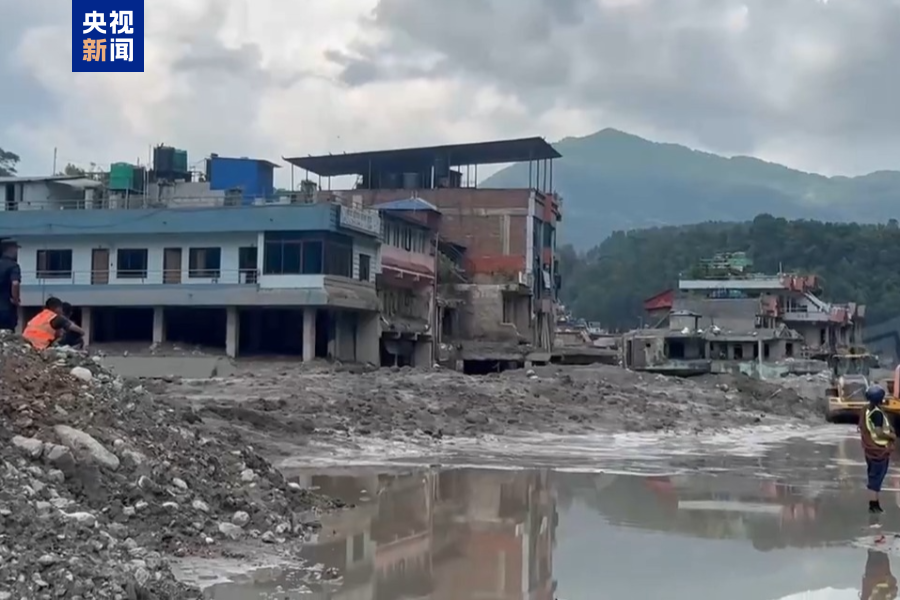
In a devastating turn of events, Nepal is grappling with one of the deadliest natural disasters in its recent history. As of September 1, 2026, the death toll from the massive landslide that struck the northern Rasuwa district has climbed to 987, according to the Nepal National Disaster Risk Reduction and Management Authority. The tragedy has not only shocked the nation but also raised urgent questions about disaster preparedness in mountainous regions worldwide. Here's what you need to know about the catastrophe, the ongoing rescue operations, and what lies ahead.
Key Facts
-
Death Toll and Scale: The landslide, which occurred on August 26, 2026, in the northern Rasuwa district, has killed at least 987 people. This makes it one of the worst landslide disasters in Nepal's history, surpassing many previous events in both magnitude and human cost.
-
Government Declaration: On the same day, the Nepalese government declared the affected areas as "disaster crisis zones" for a period of three months. This legal measure allows for centralized resource allocation, stricter personnel control, and accelerated recovery efforts.
-
Geographic Context: Rasuwa district is a mountainous region bordering Tibet, known for its rugged terrain and vulnerability to geological hazards. The area has experienced landslides before, but none of this scale in recent memory.
-
Rescue Operations: Search and rescue teams have been working around the clock, but the challenging terrain and ongoing monsoon rains have hampered efforts. Many villages remain cut off, and the death toll is expected to rise as communication is restored.
-
International Response: Neighboring countries and international organizations have offered assistance, but logistical hurdles in reaching the remote disaster zone have slowed the delivery of aid.
-
Historical Context: Nepal is no stranger to natural disasters, including the 2015 earthquake that killed nearly 9,000 people. However, landslides triggered by monsoon rains are a recurring threat, often causing significant loss of life and property.
-
Immediate Needs: The survivors urgently need shelter, clean water, food, and medical care. The government has set up temporary camps, but the scale of displacement is overwhelming local resources.
In-Depth Analysis
The Nepal landslide disaster underscores a broader crisis facing mountainous nations in the era of climate change. Scientists have long warned that rising global temperatures are intensifying the water cycle, leading to more frequent and severe rainfall events. In Nepal, deforestation and unplanned infrastructure development have further destabilized slopes, making landslides more likely. This tragedy is not an isolated incident but part of a worrying trend across the Himalayas, where communities are increasingly exposed to such hazards.
The government's decision to declare disaster crisis zones is a pragmatic step, but it also highlights a reactive approach to disaster management. While Nepal has made strides in early warning systems and community-based preparedness, this event reveals gaps in risk assessment and land-use planning. The three-month crisis period may help immediate relief, but long-term recovery will require rebuilding infrastructure with resilience in mind, relocating vulnerable communities, and implementing stricter environmental regulations.
Looking ahead, the international community must step up support for Nepal's recovery and invest in climate adaptation measures. The disaster also serves as a wake-up call for other countries with similar geographic profiles, such as India, Bhutan, and China, to review their own disaster preparedness strategies. As the planet warms, such events are likely to become more common, and proactive measures are essential to prevent future tragedies of this magnitude.
Frequently Asked Questions
What caused the landslide in Nepal? The landslide was triggered by heavy monsoon rains, which saturated the soil and destabilized the slopes in the mountainous Rasuwa district. Deforestation and road construction in the area likely exacerbated the risk.
How is the Nepalese government responding? The government has declared the affected areas as disaster crisis zones for three months, allowing for centralized resource management. It has also deployed rescue teams and set up temporary shelters for survivors, though challenges remain due to difficult terrain.
What can individuals do to help? Donations to reputable humanitarian organizations working in Nepal, such as the Red Cross, can provide immediate relief. Raising awareness about the disaster and advocating for stronger climate policies are also meaningful ways to contribute.
Source: https://www.thepaper.cn/newsDetail_forward_33982596
Related posts
Korea's Yoon Suk Yeol Prepares for Trump Golf Meeting
Yoon Suk Yeol's team is setting up a special working group for a potential golf meeting with Donald Trump. Explore the diplomatic strategy, recent controversies, and the political significance behind this high-profile sporting event.

Climate Journalism at the Tipping Point: Finding Action in Environmental Crisis
Exploring climate reporting's critical role in environmental awareness and action amid global climate tipping points.

US Lawmaker: AI Transcends Borders, Urging US-China Cooperation
Washington State Representative Roger Goodman emphasizes that AI risks don't recognize national boundaries, calling for enhanced US-China collaboration to ensure AI benefits humanity.

United Airlines 2027 Status Changes: Why Earning Top Tier is Getting Harder
United Airlines is removing flight segment requirements to reach elite status. Discover how the new points-based system works and what it means for your travel rewards.
US-EU Double Standards Exposed: Trump's Russia Diesel Deal Sparks Global Outcry
Trump's deal to buy Russian diesel while sanctioning others reveals a hypocritical US energy policy amid rising global inflation.

Walmart Expands Employee Healthcare: Free GLP-1s, Insulin, and More
Walmart is covering over 250 prescriptions, including insulin and GLP-1s, at no cost. Discover how the retail giant is reshaping employee benefits amid rising healthcare costs.
Travelers Beware: How Scammers Impersonate Consular Staff
Protect your finances from sophisticated impersonation scams targeting Chinese travelers in Laos. Learn how to verify official requests and secure your personal data.
Ukraine Claims Drone Attacks Reduced Russian Online Propaganda
President Zelensky asserts that strikes on Yandex data centers decreased social media bots, though experts question the causal link.
Latest Articles
- Saudi Crown Prince's Evacuation: Escalating Conflict Threatens Vision 2030
- FAA warns U.S. airlines of safety risks over Saudi Arabia after attacks
- McDonald's Chicken and Beverage Strategy Faces Intense Competition
- Delta Air Lines Delays Saudi Arabia Launch Due to Airport Security Threats
- The Paper Launches New Earth Channel to Address Climate Change
- China's Countermeasures Against Belize's Minister of Foreign Affairs and Trade