Mortgage Rates Hit 6.87% as Middle East Tensions Drive Oil and Bond Yields Higher
30-year fixed mortgage rates surge to highest since June 2025 amid renewed Middle East attacks and rising oil prices. Analysis of impact on homebuyers and market outlook.
Source: CNBC
The average rate on the 30-year fixed mortgage jumped to 6.87% on Monday, the highest level since June 2025, according to Mortgage News Daily. This uptick follows renewed hostilities in the Iran war, which have pushed oil prices up and, in turn, bond yields higher. For prospective homebuyers, this means higher monthly payments and tighter qualification standards, just as home prices begin to accelerate again in some regions. Here's a closer look at what's driving this surge and what it means for the housing market.
Key Drivers Behind the Rate Surge
-
Oil Price Shock: Renewed Middle East attacks have disrupted supply expectations, causing oil prices to climb. Higher energy costs feed into inflation expectations, which directly influence long-term bond yields and mortgage rates.
-
Bond Yield Pressure: Mortgage rates tend to track the 10-year Treasury yield. As bond yields rise due to inflation concerns and increased government bond issuance, mortgage rates follow suit. The 30-year fixed rate has risen 12 basis points since Thursday and over 30 basis points in the last two months.
-
Economic Resilience: Despite rate hikes, the economy remains robust, with strong employment and consumer spending. This resilience keeps inflation pressures alive, preventing rates from falling as some had hoped earlier in the year.
-
Inflation Expectations: The market's expectation of future inflation is a key driver. With oil prices up, these expectations have risen, pushing lenders to demand higher yields to compensate for the erosion of purchasing power.
-
Elevated Bond Issuance: Government borrowing to fund fiscal deficits increases the supply of bonds, which lowers prices and raises yields. This structural factor adds upward pressure on mortgage rates.
-
Impact on Affordability: For a $450,000 home (near the national median) with 20% down, the monthly principal and interest payment is now $2,363—$207 more than it was in late February when rates were 5.99%. This reduces buying power and disqualifies some borrowers due to debt-to-income ratio limits.
-
Home Prices Accelerating: The S&P CoreLogic Case-Shiller index shows national home prices rose 1.5% year-over-year in June, up from 1.2% in May. Lean supply and high demand are pushing prices up in some areas, compounding affordability challenges.
Deep Dive: The Slow Grind Higher and What Lies Ahead
The current rate environment is not a sudden spike but a gradual grind upward, as Matthew Graham of Mortgage News Daily notes. The "usual suspects"—inflation expectations, elevated bond issuance, and economic resilience—have been steadily pushing rates higher. This is particularly frustrating for buyers who expected rates to fall this year, especially after the Federal Reserve signaled potential cuts. However, the war with Iran and its impact on oil prices have upended those expectations. The geopolitical risk premium in oil is likely to persist as long as hostilities continue, keeping inflation pressures alive. Moreover, the Fed's stance remains data-dependent, and with economic data still strong, rate cuts may be delayed. For the housing market, this means continued headwinds: existing homeowners are reluctant to sell and give up their low-rate mortgages, limiting supply. This lock-in effect exacerbates the supply shortage, keeping prices elevated. Looking ahead, if oil prices stabilize and inflation cools, rates could ease, but the path is uncertain. Investors and homebuyers should monitor geopolitical developments and economic data closely. The bottom line: affordability will remain a challenge for the foreseeable future, and the dream of homeownership may require more patience and financial planning.
Frequently Asked Questions
Why do mortgage rates rise when oil prices go up? Oil price increases raise inflation expectations because energy costs feed into the prices of goods and services. Higher inflation expectations lead to higher bond yields, as investors demand compensation for the eroding value of fixed-income payments. Since mortgage rates are closely tied to bond yields, they rise as well.
How much more will I pay on a typical home loan now compared to earlier this year? For a $450,000 home with a 20% down payment and a 30-year fixed mortgage, the monthly principal and interest payment is now $2,363, which is $207 more than it would have been at the end of February when rates were 5.99%. Over a year, that's an extra $2,484 in payments.
Will mortgage rates fall again soon? It's uncertain. Rates depend on inflation, economic data, and geopolitical events. If oil prices stabilize and inflation cools, rates could ease. However, the Fed's decisions and economic resilience will play a key role. Monitoring monthly inflation reports and Fed statements can provide clues.
Source: https://www.cnbc.com/2026/08/31/mortgage-rates-surge-middle-east-attacks-oil.html
Related posts
Korea's Yoon Suk Yeol Prepares for Trump Golf Meeting
Yoon Suk Yeol's team is setting up a special working group for a potential golf meeting with Donald Trump. Explore the diplomatic strategy, recent controversies, and the political significance behind this high-profile sporting event.

Climate Journalism at the Tipping Point: Finding Action in Environmental Crisis
Exploring climate reporting's critical role in environmental awareness and action amid global climate tipping points.

US Lawmaker: AI Transcends Borders, Urging US-China Cooperation
Washington State Representative Roger Goodman emphasizes that AI risks don't recognize national boundaries, calling for enhanced US-China collaboration to ensure AI benefits humanity.

United Airlines 2027 Status Changes: Why Earning Top Tier is Getting Harder
United Airlines is removing flight segment requirements to reach elite status. Discover how the new points-based system works and what it means for your travel rewards.
US-EU Double Standards Exposed: Trump's Russia Diesel Deal Sparks Global Outcry
Trump's deal to buy Russian diesel while sanctioning others reveals a hypocritical US energy policy amid rising global inflation.
Walmart Expands Employee Healthcare: Free GLP-1s, Insulin, and More
Walmart is covering over 250 prescriptions, including insulin and GLP-1s, at no cost. Discover how the retail giant is reshaping employee benefits amid rising healthcare costs.
Travelers Beware: How Scammers Impersonate Consular Staff
Protect your finances from sophisticated impersonation scams targeting Chinese travelers in Laos. Learn how to verify official requests and secure your personal data.
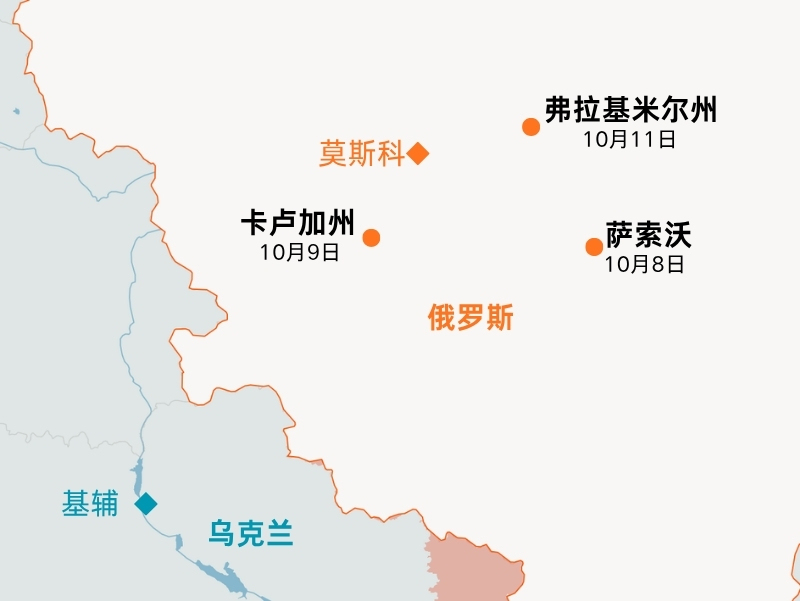
Ukraine Claims Drone Attacks Reduced Russian Online Propaganda
President Zelensky asserts that strikes on Yandex data centers decreased social media bots, though experts question the causal link.
Latest Articles
- Saudi Crown Prince's Evacuation: Escalating Conflict Threatens Vision 2030
- FAA warns U.S. airlines of safety risks over Saudi Arabia after attacks
- McDonald's Chicken and Beverage Strategy Faces Intense Competition
- Delta Air Lines Delays Saudi Arabia Launch Due to Airport Security Threats
- The Paper Launches New Earth Channel to Address Climate Change
- China's Countermeasures Against Belize's Minister of Foreign Affairs and Trade