Gold Plunges as Fed's Waller Turns Hawkish at Jackson Hole
Spot gold drops 2.95% after Fed Chair Waller's hawkish Jackson Hole speech, signaling possible September rate hike. Analysis of market impact and outlook.
Source: 163.com
The annual Jackson Hole symposium, a global barometer for central bank policy, delivered a jolt to financial markets this week. Federal Reserve Chair Kevin Waller's debut speech at the event was decidedly hawkish, sending shockwaves through the gold market. Spot gold plummeted nearly 3% in a single day, erasing weeks of gains and reigniting debates about the path of U.S. monetary policy. For investors, the message was clear: the fight against inflation is far from over, and interest rates may need to go higher.
Key Takeaways
-
Hawkish Stance: Waller stated that inflation remains "too high" and that the Fed is prepared to act if price pressures do not convincingly move toward the 2% target. This was a stark contrast to his previous ambiguous comments, signaling a clear willingness to raise rates in September.
-
Market Reaction: Spot gold fell 2.95% to $4,453.67 per ounce, hitting a one-week low of $4,444.80. COMEX gold futures dropped 3.43% to $4,504.10, breaking below the psychological $4,500 level. Silver fared worse, falling below key support at $67.69.
-
Rate Hike Odds Surge: Following the speech, market pricing for a September rate hike jumped to approximately 57%, according to the CME FedWatch tool. Two-year Treasury yields rose 10 basis points to 4.3%, while the dollar index hit a two-week high.
-
Inflation Data: The hawkish tone was reinforced by the July PCE price index, which rose 3.7% year-over-year, above expectations of 3.6%. Core PCE also came in hot at 3.3%, indicating persistent price pressures.
-
Profit-Taking and Technicals: Gold had rallied over 13% in three weeks, driven by short-covering and speculative flows. The sharp drop was exacerbated by profit-taking and programmatic stop-loss orders. Technical analysts now eye $4,458 as a key support level, with a break potentially leading to $4,320.
-
Institutional Views: While some analysts see the pullback as a buying opportunity, others warn of further downside if inflation remains sticky. UBS maintains a year-end target of $4,600, while Goldman Sachs reiterates $4,900, citing strong demand for call options.
In-Depth Analysis
The Jackson Hole speech marks a pivotal moment for the Fed under Waller's leadership. His explicit commitment to the 2% inflation target, even at the risk of a recession, underscores a paradigm shift from the previous era of ultra-loose monetary policy. The market's immediate reaction—higher yields, a stronger dollar, and a sharp sell-off in gold—reflects a repricing of rate expectations. However, the medium-term outlook is more nuanced.
Gold's recent rally was built on expectations of peak rates and a weakening dollar, driven by concerns over U.S. fiscal sustainability and de-dollarization trends. The hawkish pivot challenges this narrative in the short term, as higher real yields increase the opportunity cost of holding non-yielding assets. Yet, the structural drivers—soaring global debt, central bank buying, and geopolitical tensions—remain intact. As UBS points out, any sharp decline in gold should be viewed as a buying opportunity rather than the start of a bear market.
The broader implications extend beyond gold. Waller's hawkishness could trigger a repricing of risk assets globally, particularly in emerging markets. The dollar's strength may exacerbate debt servicing costs for countries with dollar-denominated debt, while higher U.S. yields could drain capital from other regions. Moreover, the Fed's credibility is on the line; if it fails to deliver on its hawkish signals, it risks losing market trust. Conversely, if it follows through, it may engineer a soft landing, which historically has been positive for equities.
Looking ahead, the August jobs report and CPI data will be crucial in determining the Fed's next move. A surprise cooling in inflation could stay the Fed's hand, while another hot print would solidify September hike expectations. For gold, the tug-of-war between short-term rate fears and long-term structural support will likely continue, leading to heightened volatility.
Frequently Asked Questions
Q: Will the Fed definitely raise rates in September? A: Not necessarily. While market odds have risen to 57%, the Fed will closely monitor upcoming economic data, especially inflation and employment figures. A significant cooling in CPI could prompt the Fed to hold rates steady.
Q: Is this a good time to buy gold? A: Many analysts view the recent pullback as a buying opportunity, given that long-term drivers like central bank purchases and fiscal concerns remain supportive. However, short-term volatility could persist, so investors should consider their risk tolerance and investment horizon.
Q: How does the Fed's hawkish stance affect other assets? A: A hawkish Fed typically strengthens the dollar and raises Treasury yields, which can pressure stocks, especially high-valuation tech shares. It may also lead to capital outflows from emerging markets. Conversely, financials and value stocks might benefit from higher interest rates.
Source: https://www.163.com/dy/article/L5KBOHD70519DDQ2.html
Related posts
Korea's Yoon Suk Yeol Prepares for Trump Golf Meeting
Yoon Suk Yeol's team is setting up a special working group for a potential golf meeting with Donald Trump. Explore the diplomatic strategy, recent controversies, and the political significance behind this high-profile sporting event.

Climate Journalism at the Tipping Point: Finding Action in Environmental Crisis
Exploring climate reporting's critical role in environmental awareness and action amid global climate tipping points.

US Lawmaker: AI Transcends Borders, Urging US-China Cooperation
Washington State Representative Roger Goodman emphasizes that AI risks don't recognize national boundaries, calling for enhanced US-China collaboration to ensure AI benefits humanity.
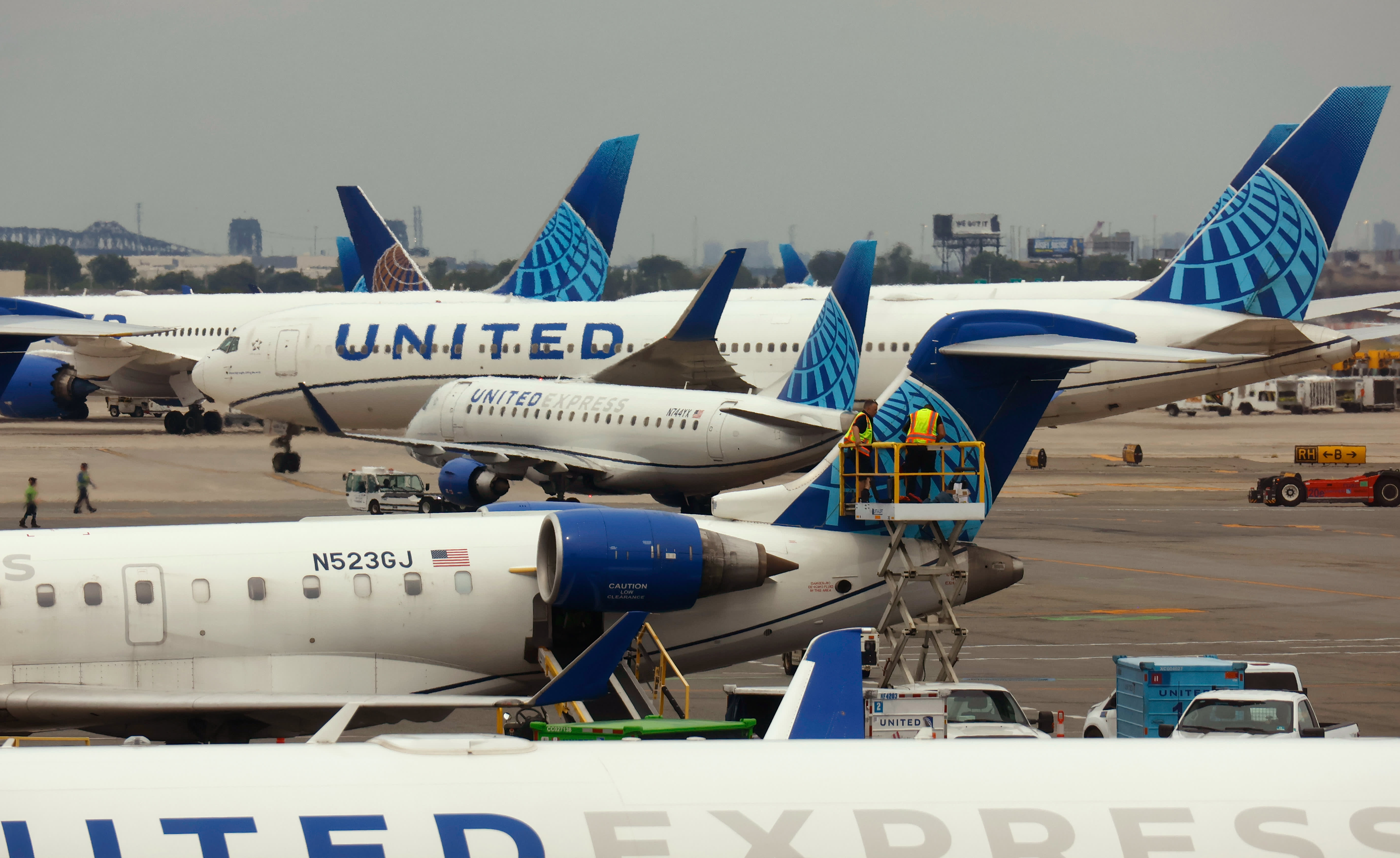
United Airlines 2027 Status Changes: Why Earning Top Tier is Getting Harder
United Airlines is removing flight segment requirements to reach elite status. Discover how the new points-based system works and what it means for your travel rewards.
US-EU Double Standards Exposed: Trump's Russia Diesel Deal Sparks Global Outcry
Trump's deal to buy Russian diesel while sanctioning others reveals a hypocritical US energy policy amid rising global inflation.
Walmart Expands Employee Healthcare: Free GLP-1s, Insulin, and More
Walmart is covering over 250 prescriptions, including insulin and GLP-1s, at no cost. Discover how the retail giant is reshaping employee benefits amid rising healthcare costs.
Travelers Beware: How Scammers Impersonate Consular Staff
Protect your finances from sophisticated impersonation scams targeting Chinese travelers in Laos. Learn how to verify official requests and secure your personal data.

Ukraine Claims Drone Attacks Reduced Russian Online Propaganda
President Zelensky asserts that strikes on Yandex data centers decreased social media bots, though experts question the causal link.
Latest Articles
- Saudi Crown Prince's Evacuation: Escalating Conflict Threatens Vision 2030
- FAA warns U.S. airlines of safety risks over Saudi Arabia after attacks
- McDonald's Chicken and Beverage Strategy Faces Intense Competition
- Delta Air Lines Delays Saudi Arabia Launch Due to Airport Security Threats
- The Paper Launches New Earth Channel to Address Climate Change
- China's Countermeasures Against Belize's Minister of Foreign Affairs and Trade