China's New September Regulations: Housing Funds, Micro-Dramas, and AI Customer Service
Starting September, China enforces new rules on housing fund withdrawals, RMB trading, AI customer service accountability, micro-drama oversight, and more. Here's what you need to know.
Source: 163.com
September marks a significant shift in China's regulatory landscape, with a wave of new rules taking effect that touch everything from housing funds to micro-dramas and AI-powered customer service. These changes reflect Beijing's ongoing effort to refine governance, protect consumers, and adapt to digital-age challenges. Whether you're a homeowner, a business owner, or a digital content consumer, these regulations will likely impact your daily life. Let's break down the key updates and what they mean for you.
Key Updates
-
Housing Fund Withdrawals Expanded: The revised Regulations on the Management of Housing Provident Funds (effective September 20) ease restrictions on using funds for rent. The previous income-proportion threshold is removed, and new withdrawal scenarios include home renovations, property management fees, and other approved housing consumption. Loan review timelines are also cut from 15 to 10 days, speeding up access to funds.
-
RMB Trading Rules Clarified: A joint announcement from the People's Bank of China and the State Administration for Market Regulation (effective September 1) clarifies when buying and selling RMB is legal. Exceptions include currency officially withdrawn from circulation, commemorative coins, and other cases specified by the central bank. This aims to curb illegal trading while preserving legitimate numismatic and collectible markets.
-
Stricter Exit-Entry Controls: New regulations on exit and entry administration (effective September 15) target fraud and illegal employment abroad. Applicants must provide truthful reasons for travel and cooperate with immigration authorities. Providing false documents or statements can result in denial of exit-entry permits, a move to combat overseas telecom fraud and human trafficking.
-
AI Customer Service Accountability: China's first national standard on human-AI customer service collaboration (Customer Contact Service – Requirements for Human and Intelligent Customer Service Collaboration) takes effect September 1. Companies can no longer hide behind disclaimers like "AI responses don't represent our position." They are now accountable for the content generated by AI systems, ensuring consumers aren't left without recourse.
-
Financial Product Marketing Crackdown: The Measures for the Administration of Online Marketing of Financial Products (effective September 30) bans misleading phrases like "low threshold," "instant approval," and "low interest rates" for loan products. Payment platforms must clearly separate payment tools from loan products to prevent consumer confusion, a significant step for financial consumer protection.
Micro-Drama Regulation: The Measures for the Administration of Micro-Drama Development (effective September 1) classify micro-dramas into three tiers based on investment and subject matter, requiring filing and distribution licenses. Content is prohibited if it endangers national security, distorts history, denigrates traditional culture, or harms minors. AI-generated micro-dramas must display clear labels each episode, promoting transparency.
Protecting Minors Online: New rules on multi-channel content distribution (effective September 1) prohibit platforms from offering live-streaming services to children under 16. For those 16 and older, platforms must verify identities and obtain parental consent, addressing growing concerns about youth online safety.
Local Initiatives: Cities like Shanghai are expanding medical insurance personal account usage for family members, while Beijing has issued green packaging guidelines for food delivery, specifying packaging types based on food characteristics. Shanxi introduced technical standards for "good housing," covering planning, design, and renovation.
In-Depth Analysis
These regulations signal a broader trend: China is moving from reactive to proactive governance, particularly in digital and consumer-facing sectors. The AI customer service standard is especially noteworthy—it's one of the first attempts globally to hold companies legally responsible for AI-generated responses. This could set a precedent for other jurisdictions grappling with AI accountability. The micro-drama rules reflect the explosive growth of short-form video content, which has become a cultural and economic force; by categorizing and licensing, the government aims to foster quality while curbing harmful content. Meanwhile, the housing fund changes address urban affordability pressures, allowing residents to tap into savings for everyday housing costs—a practical response to rising rents and property maintenance expenses. The financial marketing ban targets predatory lending practices that have trapped vulnerable consumers, aligning with broader efforts to stabilize the financial system. Together, these measures demonstrate a holistic approach: protecting citizens' rights, ensuring market order, and embracing technological change—all while maintaining social stability. As these rules roll out, expect further refinements and enforcement actions, particularly in the AI and digital content spaces.
Frequently Asked Questions
Q: How will the AI customer service standard affect businesses? A: Companies using AI chatbots must ensure their responses are accurate and compliant. They can no longer claim AI outputs are non-binding, so businesses need to monitor and update AI systems regularly to avoid legal liability.
Q: Can I still buy commemorative coins under the new RMB rules? A: Yes, commemorative coins issued by the People's Bank of China remain legal to buy and sell. The new rules only restrict trading of RMB that's still in circulation, except for specific exceptions.
Q: What does the micro-drama classification mean for creators? A: Creators must file their micro-dramas according to investment and content type, and obtain licenses before distribution. AI-generated content must be labeled, ensuring viewers know they're watching synthetic media.
Source: https://www.163.com/dy/article/L5L8S61G0514R9P4.html
Related posts
Korea's Yoon Suk Yeol Prepares for Trump Golf Meeting
Yoon Suk Yeol's team is setting up a special working group for a potential golf meeting with Donald Trump. Explore the diplomatic strategy, recent controversies, and the political significance behind this high-profile sporting event.
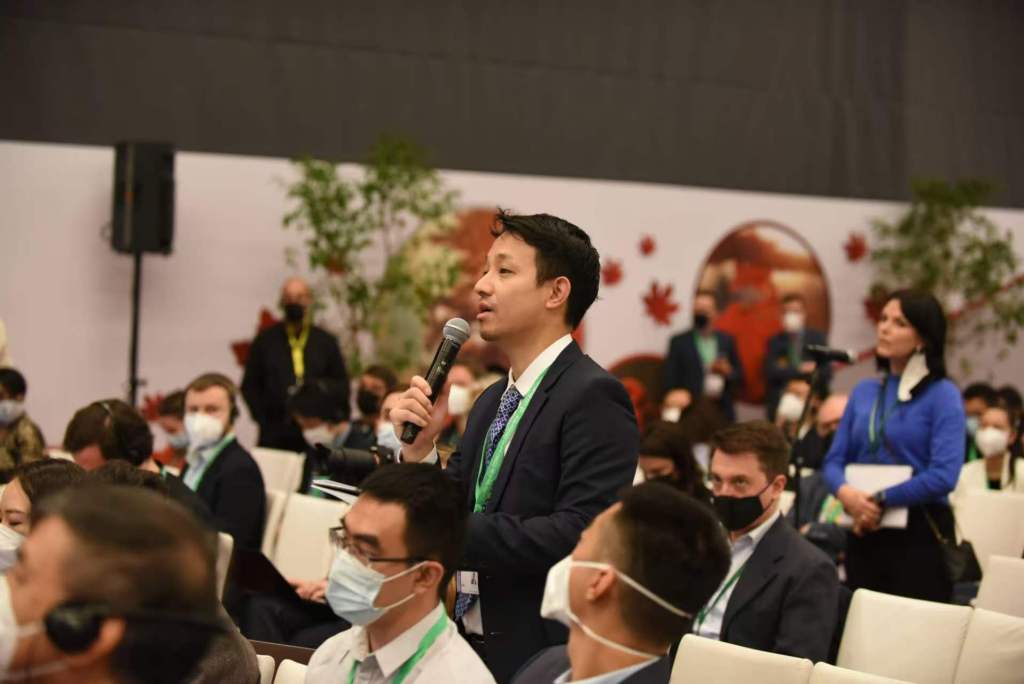
Climate Journalism at the Tipping Point: Finding Action in Environmental Crisis
Exploring climate reporting's critical role in environmental awareness and action amid global climate tipping points.

US Lawmaker: AI Transcends Borders, Urging US-China Cooperation
Washington State Representative Roger Goodman emphasizes that AI risks don't recognize national boundaries, calling for enhanced US-China collaboration to ensure AI benefits humanity.
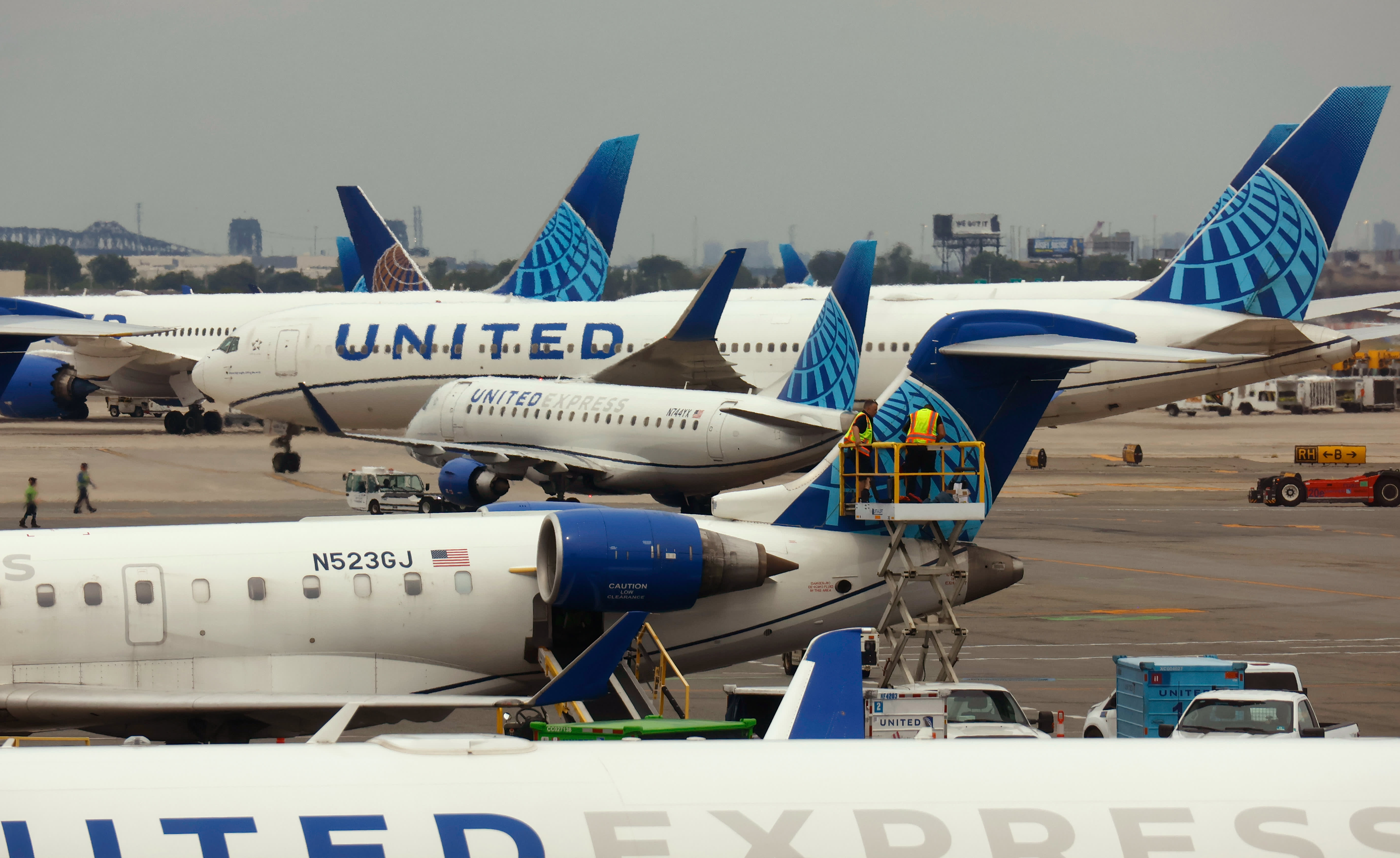
United Airlines 2027 Status Changes: Why Earning Top Tier is Getting Harder
United Airlines is removing flight segment requirements to reach elite status. Discover how the new points-based system works and what it means for your travel rewards.
US-EU Double Standards Exposed: Trump's Russia Diesel Deal Sparks Global Outcry
Trump's deal to buy Russian diesel while sanctioning others reveals a hypocritical US energy policy amid rising global inflation.
Walmart Expands Employee Healthcare: Free GLP-1s, Insulin, and More
Walmart is covering over 250 prescriptions, including insulin and GLP-1s, at no cost. Discover how the retail giant is reshaping employee benefits amid rising healthcare costs.
Travelers Beware: How Scammers Impersonate Consular Staff
Protect your finances from sophisticated impersonation scams targeting Chinese travelers in Laos. Learn how to verify official requests and secure your personal data.
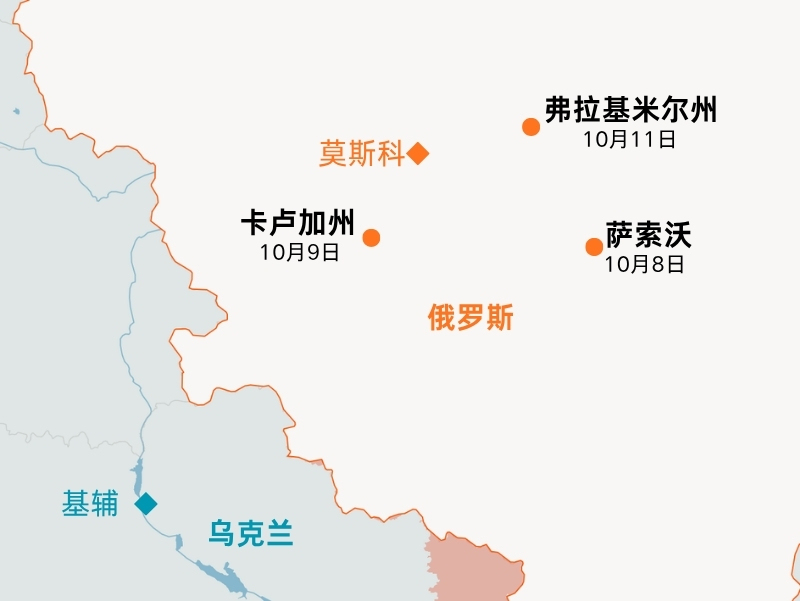
Ukraine Claims Drone Attacks Reduced Russian Online Propaganda
President Zelensky asserts that strikes on Yandex data centers decreased social media bots, though experts question the causal link.
Latest Articles
- Saudi Crown Prince's Evacuation: Escalating Conflict Threatens Vision 2030
- FAA warns U.S. airlines of safety risks over Saudi Arabia after attacks
- McDonald's Chicken and Beverage Strategy Faces Intense Competition
- Delta Air Lines Delays Saudi Arabia Launch Due to Airport Security Threats
- The Paper Launches New Earth Channel to Address Climate Change
- China's Countermeasures Against Belize's Minister of Foreign Affairs and Trade