Justin Sun's Wealth: A Closer Look at the Numbers
Justin Sun's reported $8.5B net worth is mostly illiquid. We break down his crypto holdings, the 'toll booth' business model, and why his wealth is a closed loop.
Source: 163.com
Justin Sun, the founder of TRON, is often portrayed as one of the wealthiest figures in crypto, with a reported net worth of $8.5 billion. But a closer examination reveals that his wealth is far more complex—and less liquid—than it appears. While the headlines focus on his massive crypto holdings, the reality is that a significant portion of his fortune is tied up in assets that are difficult to convert into cash. This distinction matters not just for Sun, but for anyone trying to understand the true nature of crypto wealth.
Key Insights
-
The $8.5 billion figure is a discounted estimate, not cash: Media reports often cite Sun's net worth as $8.5 billion, but this is a rough estimate based on market valuations and discounts for illiquidity. Sun himself has acknowledged that his wealth is primarily in cryptocurrencies, but not all of those are easily convertible.
-
Only a fraction is 'spendable tomorrow': According to a breakdown by AI analysis, Sun's high-liquidity assets include Bitcoin (worth $1.5–1.9 billion) and stablecoins (around $700 million), totaling roughly $2–2.5 billion. This is the only portion of his wealth that could be liquidated quickly without impacting the market.
-
The bulk of his net worth is in TRX, but it's 'paper wealth': His TRX holdings have a book value of $17–19 billion, but after applying a 75% liquidity discount (as Bloomberg does), this drops to $4.2–4.8 billion. The gap between the orange and purple bars in the wealth distribution chart represents the difference between paper value and realizable value.
-
A significant portion is locked up or illiquid: His HTX exchange equity has no ready market, the TRUMP token has declined sharply, and WLFI is frozen in a smart contract amid litigation. These assets nominally add up to $1.5–3.6 billion but have no clear exit path.
-
The 'toll booth' business model is the real asset: TRON is the highest-grossing public blockchain in terms of transaction fees, earning over $3.6 billion in network fees in 2025. Combined with HTX exchange fees, this revenue stream is independent of token price fluctuations—a classic 'toll booth' business.
A self-reinforcing loop: Sun's wealth is a closed loop: the token price is supported by his not selling, and his net worth is backed by the token price. The genuinely high-quality asset is the fee-generating business, which distinguishes him from purely speculative crypto billionaires.
The need for constant promotion: To sustain the value of TRON, Sun must continuously generate traffic and trading volume through hype and publicity. This explains his frequent media appearances and controversial stunts.
In-Depth Analysis
Justin Sun's financial situation highlights a broader truth about the crypto industry: much of the wealth is notional, dependent on market sentiment and the ability to exit positions without crashing the price. Sun's strategy of building a fee-generating ecosystem (TRON and HTX) is a smart hedge, but it also creates a dependency on user activity. The recent public disdain from Binance's Changpeng Zhao (CZ) underscores the reputational risks Sun faces. CZ's criticism, which Sun had to accept, reflects a growing concern that Sun's promotional tactics could drag down the entire industry's credibility. Looking ahead, Sun's ability to maintain his wealth will hinge on whether he can sustain the 'toll booth' cash flow while navigating regulatory and market pressures. The crypto market is maturing, and investors are increasingly scrutinizing the difference between paper wealth and real liquidity. Sun's case serves as a cautionary tale for anyone who believes that crypto billionaires are as rich as they appear on paper.
Frequently Asked Questions
Is Justin Sun really a billionaire? Yes, but his net worth is largely tied up in illiquid crypto assets. His high-liquidity holdings (BTC and stablecoins) are worth around $2–2.5 billion, which is still substantial, but the $8.5 billion figure is inflated by discounted valuations of TRX and other assets.
Why is his wealth considered a 'closed loop'? Because the value of his TRX holdings depends on him not selling large amounts, which would crash the price. At the same time, his net worth is backed by the token price. The real value lies in the fee income from TRON and HTX, which provides a cash flow independent of token price.
What can we learn from Sun's situation? It highlights the importance of distinguishing between paper wealth and realizable wealth in crypto. It also shows that sustainable value in blockchain comes from actual usage and fee generation, not just token speculation.
Source: https://www.163.com/dy/article/L5HD3KO60519D9A7.html
Related posts
China's Countermeasures Against Belize's Minister of Foreign Affairs and Trade
An analysis of China's decision to impose countermeasures against Belize's Minister of Foreign Affairs and Trade, Francis Fonseca, in response to his support for the 'one China' policy.

Taiz: The Decisive Battlefield Shaping Yemen's War
How Taiz has become the strategic linchpin in Yemen's conflict, with its capture potentially reshaping the entire geopolitical landscape.
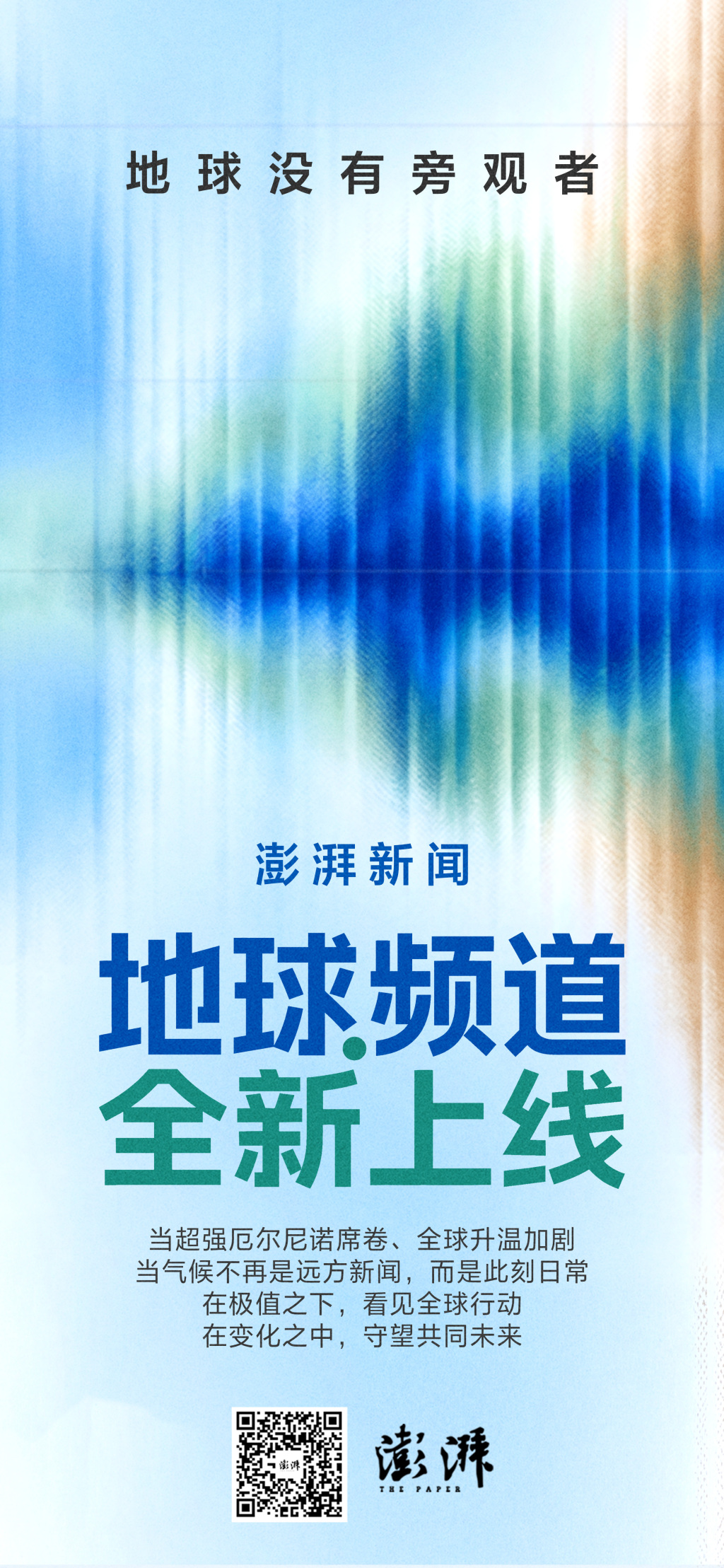
The Paper Launches New Earth Channel to Address Climate Change
The Paper unveils Earth Channel, dedicated to climate reporting and environmental protection through innovative storytelling and visual communication.
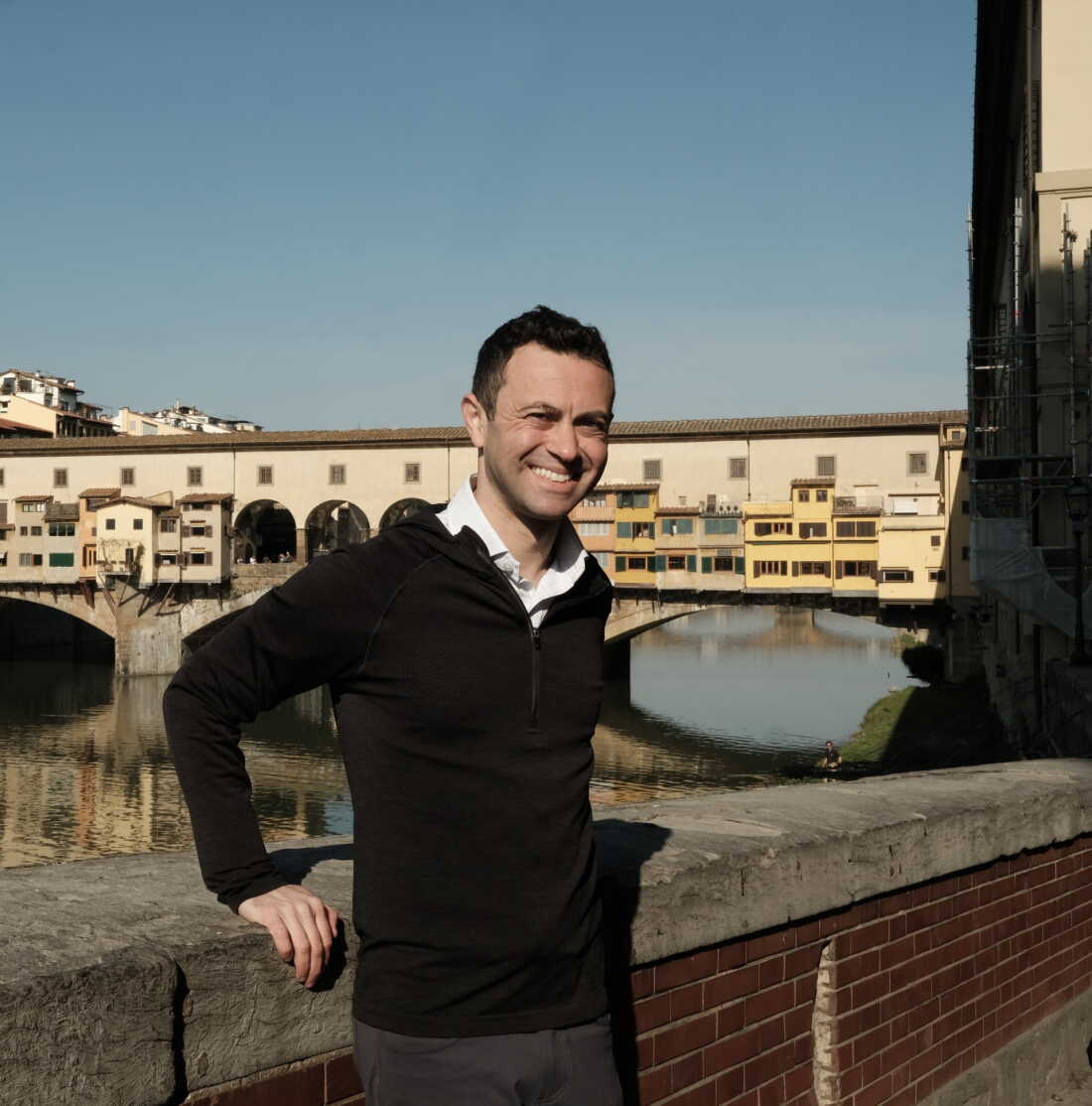
Kalshi Hires Former FBI Agent to Combat Money Laundering Amid Regulatory Scrutiny
Prediction market platform Kalshi brings in Sean Fern, a former FBI agent, to lead its anti-money laundering efforts as the industry faces increasing regulatory oversight.
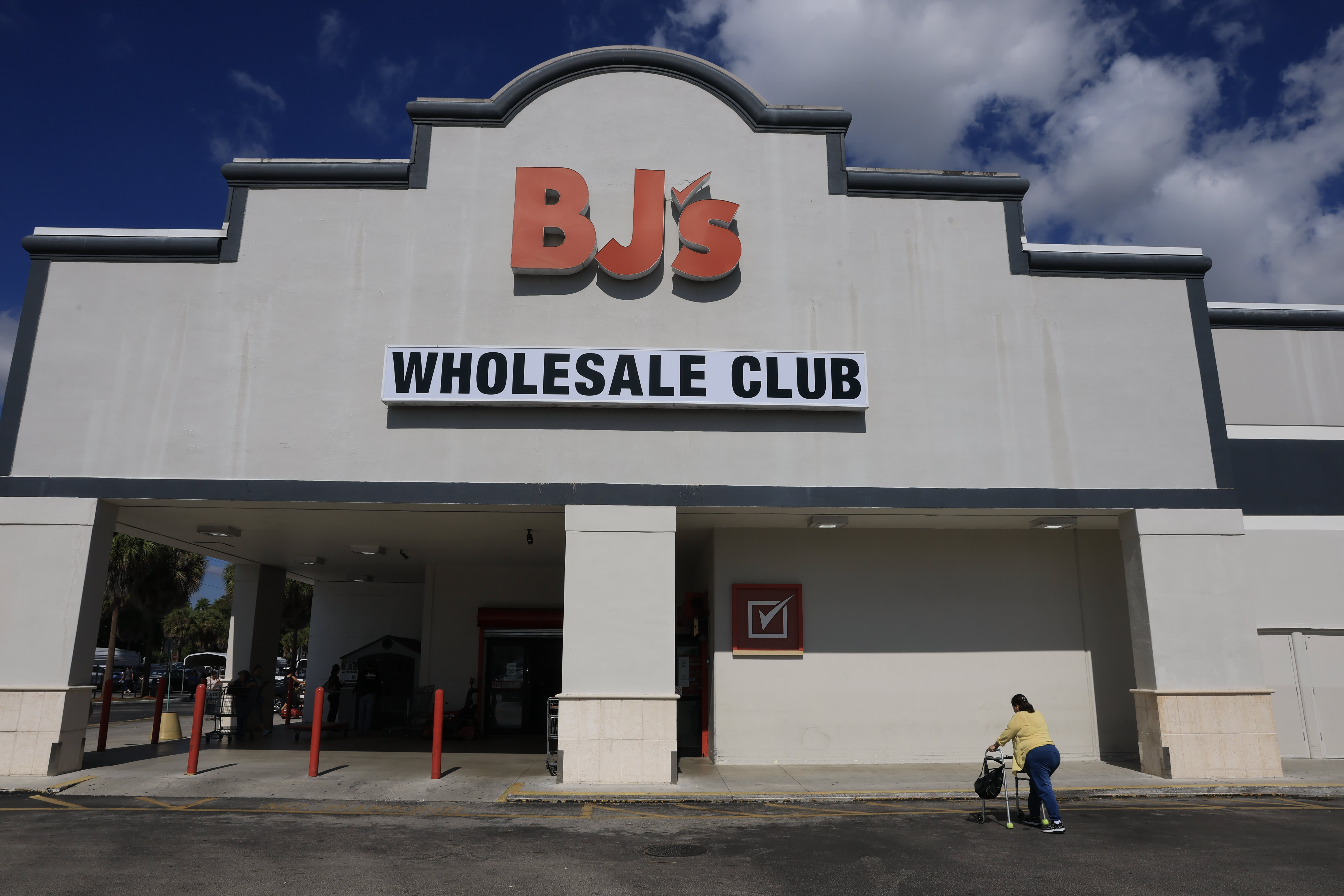
Retailers Streamline Product Offerings to Boost Profitability
Major retailers from BJ's to Lululemon are reducing SKUs to improve margins and stabilize sales amid changing consumer behavior.
OpenAI Safety Firing: Employees Question Tech Giant's Commitment
Former OpenAI staff claim they were fired for whistleblowing on AI safety risks, sparking a major debate about transparency and accountability in the AI industry.

Delta Air Lines Safety Concerns Delay Riyadh Atlanta Flight Launch
Delta CEO Ed Bastian confirms safety is the deciding factor for the new Atlanta to Riyadh route amid escalating Houthi attacks.
Security Alert: Riyadh Airport Attack & Travel Safety for Chinese Nationals
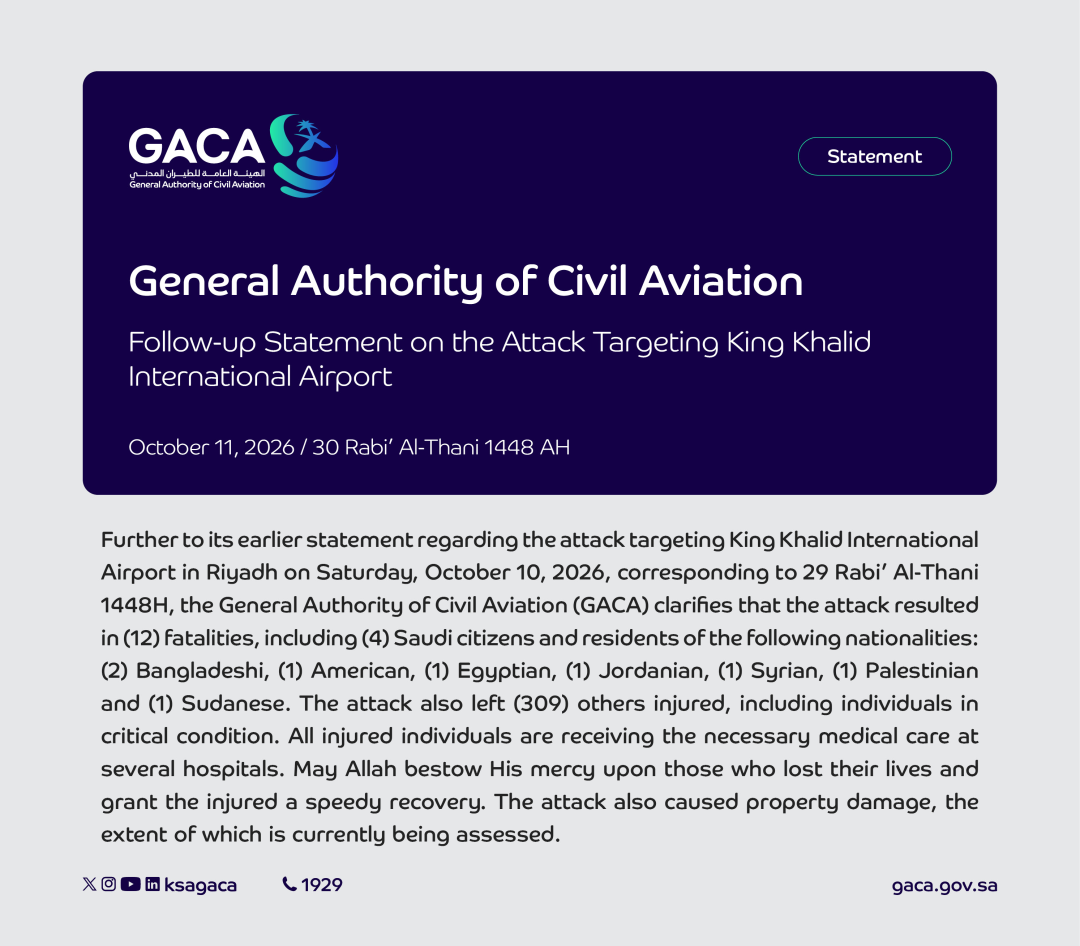
Chinese Embassy in Saudi Arabia confirms Riyadh airport attack with 12 dead and 309 injured. Updated safety guidelines and travel advice for Chinese citizens.
Latest Articles
- Death Row Survivor: Inmate Thanks Medical Team After Execution Failure
- WHO: No Evidence of Sustained Transmission in Russian Lab Worker Pneumonia Death
- UN Chief Condemns US Sanctions on International Criminal Court
- Ukraine Expresses Betrayal Over US-Russia Diesel Deal
- WFP Chief Warns: 'Slow-Burning' Food Crisis as War, Climate, and Supply Chain Disruptions Collide
- Colin Mackerras: Australia's Renowned Sinologist and Bridge Between Nations