Stem Cell Scams Exposed: The $2,400/Hour Hospital Beds and $23,000 Sham Treatments
An exposé on China's unregulated stem cell gray market, revealing fake certifications, inflated prices, and the new 2026 regulations aiming to curb abuse.
Source: 163.com
When hope meets a lucrative gray market, the results can be devastating. In China, a shadowy industry has emerged around stem cell treatments, promising miracle cures for chronic diseases—but often delivering nothing more than expensive saline. With hospital beds rented at $2,400 per hour and single treatments costing up to $23,000, desperate patients are paying exorbitant sums for unproven procedures. This article investigates the deceptive practices, the players involved, and the new regulations that seek to bring order to this chaotic field.
Key Findings
- High Costs, Dubious Value: Patients report paying ¥17,000 (approx. $2,400) for a single stem cell infusion, with some traveling to Japan for two sessions costing ¥320,000 (approx. $45,000). Despite these hefty price tags, many see no improvement in their conditions.
- Rented Hospital Authority: Clinics lease high-end hospital wards—at ¥5,000 per hour—to lend an air of legitimacy. This practice exploits the trust patients place in established medical institutions.
- Fake Certifications: A beauty clinic in Wuhan displayed an expired six-year-old test report as "international certification." Similarly, a promotional brochure from a cell company featured an outdated certification, highlighting a systemic issue of deceptive documentation.
- Misleading Endorsements: Companies leverage the names of Nobel laureates and reputable professors to build trust. For instance, a firm promoting stem cell treatments in Japan cited Nobel Prize winner Shinya Yamanaka, whose work on iPS cells is unrelated to the umbilical cord stem cell therapy they were selling.
- Unsubstantiated Claims: Sales personnel assert that stem cells have "no side effects" and are "absolutely safe," while regulatory documents reveal that these treatments are still in clinical trial phases and legally prohibited from charging patients.
- Legal Loopholes: Some companies use "health management service contracts" instead of medical contracts to evade liability when treatments fail, as seen in a 2025 court case where a patient lost a lawsuit against a beauty salon.
- New Regulations: In May 2026, China implemented the "Regulations on the Management of Clinical Research and Translational Application of New Biomedical Technologies," which establishes a dual-track system for stem cell oversight, prohibits charging during clinical trials, and imposes heavy fines for violations.
In-Depth Analysis
The stem cell gray market in China is a symptom of a larger problem: the desperation of patients with chronic, incurable diseases and the lack of accessible, affordable treatment options. The industry thrives on information asymmetry, where patients are easily swayed by scientific jargon and authoritative-sounding endorsements. The recent regulatory framework is a significant step forward, but its success hinges on enforcement and public awareness. The dual-track system, which distinguishes between drugs and technologies, provides clarity, yet the transition period may see continued abuse. Moreover, the high cost of legitimate stem cell therapies, such as the approved treatment in Hainan's Boao pilot zone, remains a barrier for many. The future of stem cell medicine in China will depend on balancing innovation with patient protection, ensuring that hope is not exploited for profit.
Frequently Asked Questions
Is stem cell therapy legal in China? Yes, but only under strict conditions. As of May 2026, clinical research must be conducted in top-tier (Class 3A) hospitals, and charging patients during clinical trials is prohibited. Only after regulatory approval can therapies be offered for a fee, as seen with the type 2 diabetes treatment in Hainan.
How can I verify if a stem cell clinic is legitimate? Check if the clinic is a Class 3A hospital or affiliated with one, and verify that the treatment has received official approval from the National Medical Products Administration or the National Health Commission. Be wary of clinics that rely on certifications from private organizations or expired documents.
What should I do if I've been scammed by a stem cell provider? Report the incident to local market supervision authorities or file a complaint with the police. Under the new regulations, clinics that illegally charge for unapproved treatments face fines up to 20 times the illegal gains, and individuals can be banned from the industry for life.
Source: https://www.163.com/money/article/KV4O6JQO00258105.html
Related posts
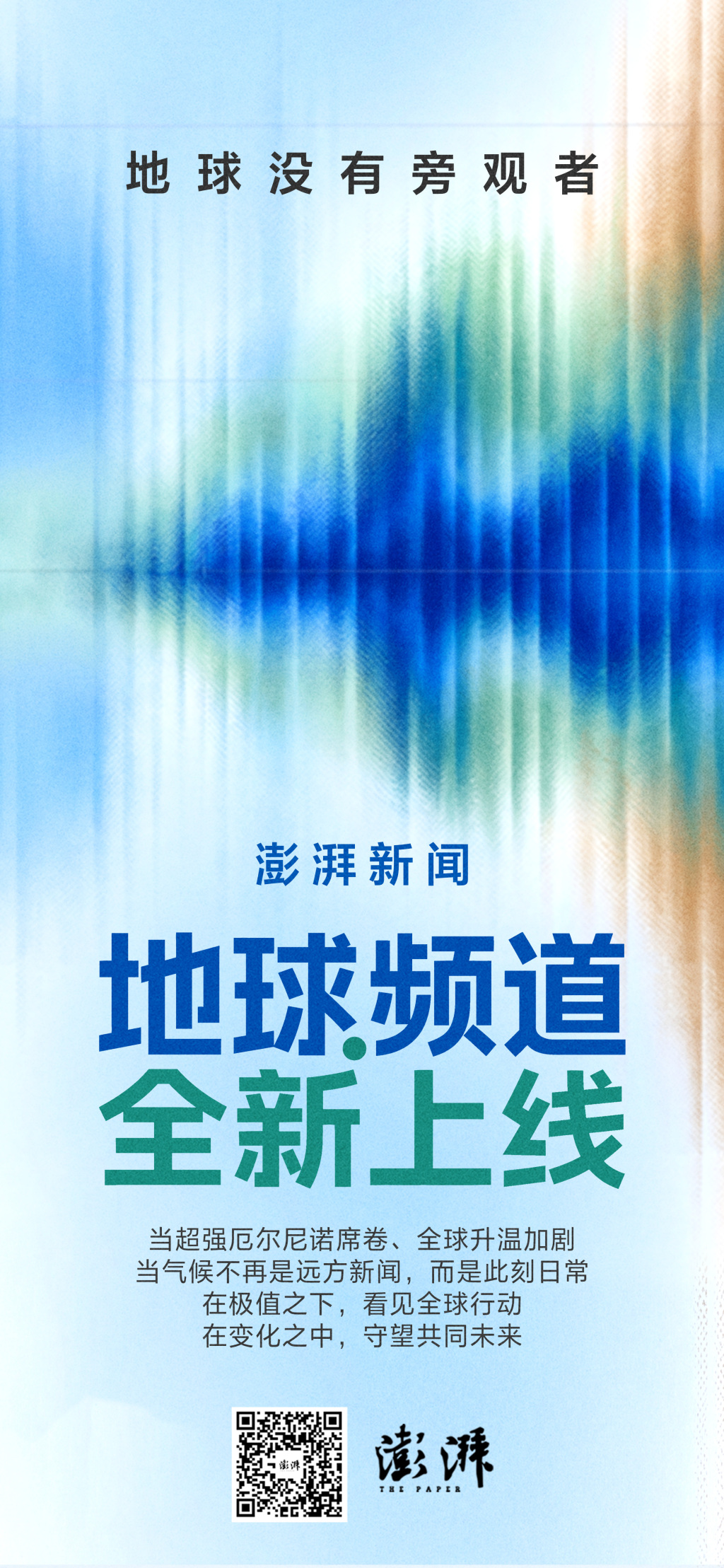
The Paper Launches New Earth Channel to Address Climate Change
The Paper unveils Earth Channel, dedicated to climate reporting and environmental protection through innovative storytelling and visual communication.
China's Countermeasures Against Belize's Minister of Foreign Affairs and Trade
An analysis of China's decision to impose countermeasures against Belize's Minister of Foreign Affairs and Trade, Francis Fonseca, in response to his support for the 'one China' policy.

Taiz: The Decisive Battlefield Shaping Yemen's War
How Taiz has become the strategic linchpin in Yemen's conflict, with its capture potentially reshaping the entire geopolitical landscape.
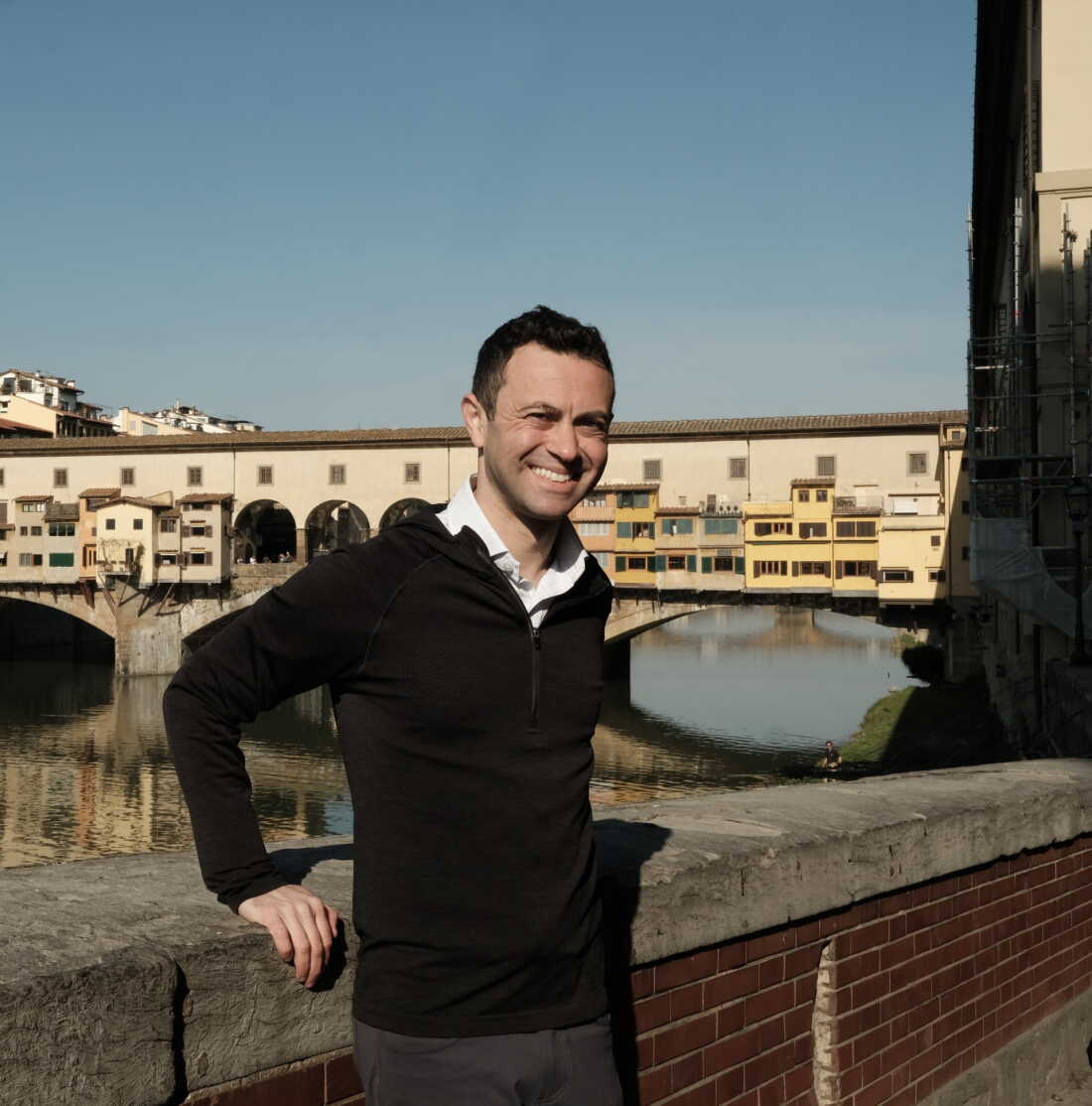
Kalshi Hires Former FBI Agent to Combat Money Laundering Amid Regulatory Scrutiny
Prediction market platform Kalshi brings in Sean Fern, a former FBI agent, to lead its anti-money laundering efforts as the industry faces increasing regulatory oversight.
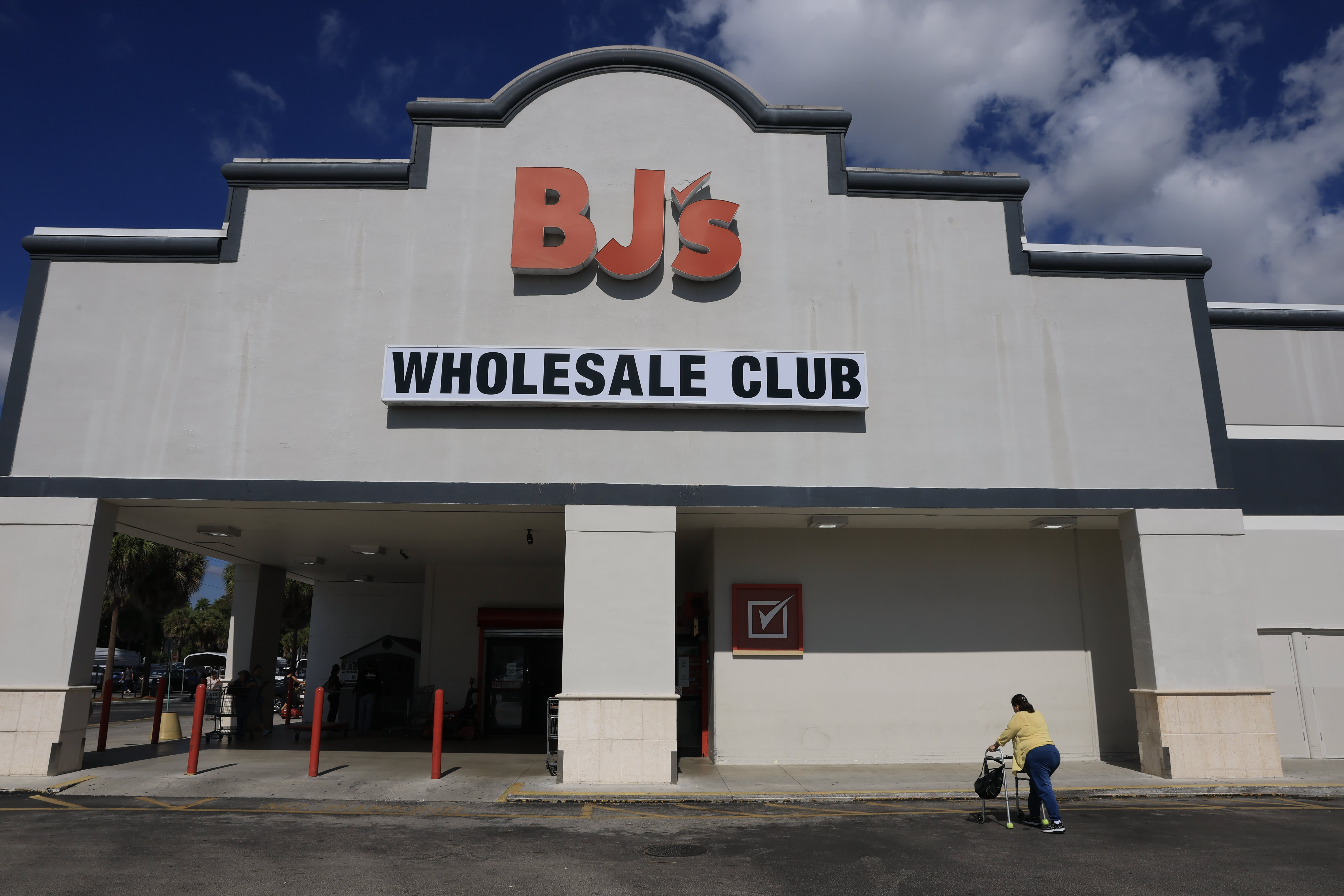
Retailers Streamline Product Offerings to Boost Profitability
Major retailers from BJ's to Lululemon are reducing SKUs to improve margins and stabilize sales amid changing consumer behavior.

OpenAI Safety Firing: Employees Question Tech Giant's Commitment
Former OpenAI staff claim they were fired for whistleblowing on AI safety risks, sparking a major debate about transparency and accountability in the AI industry.
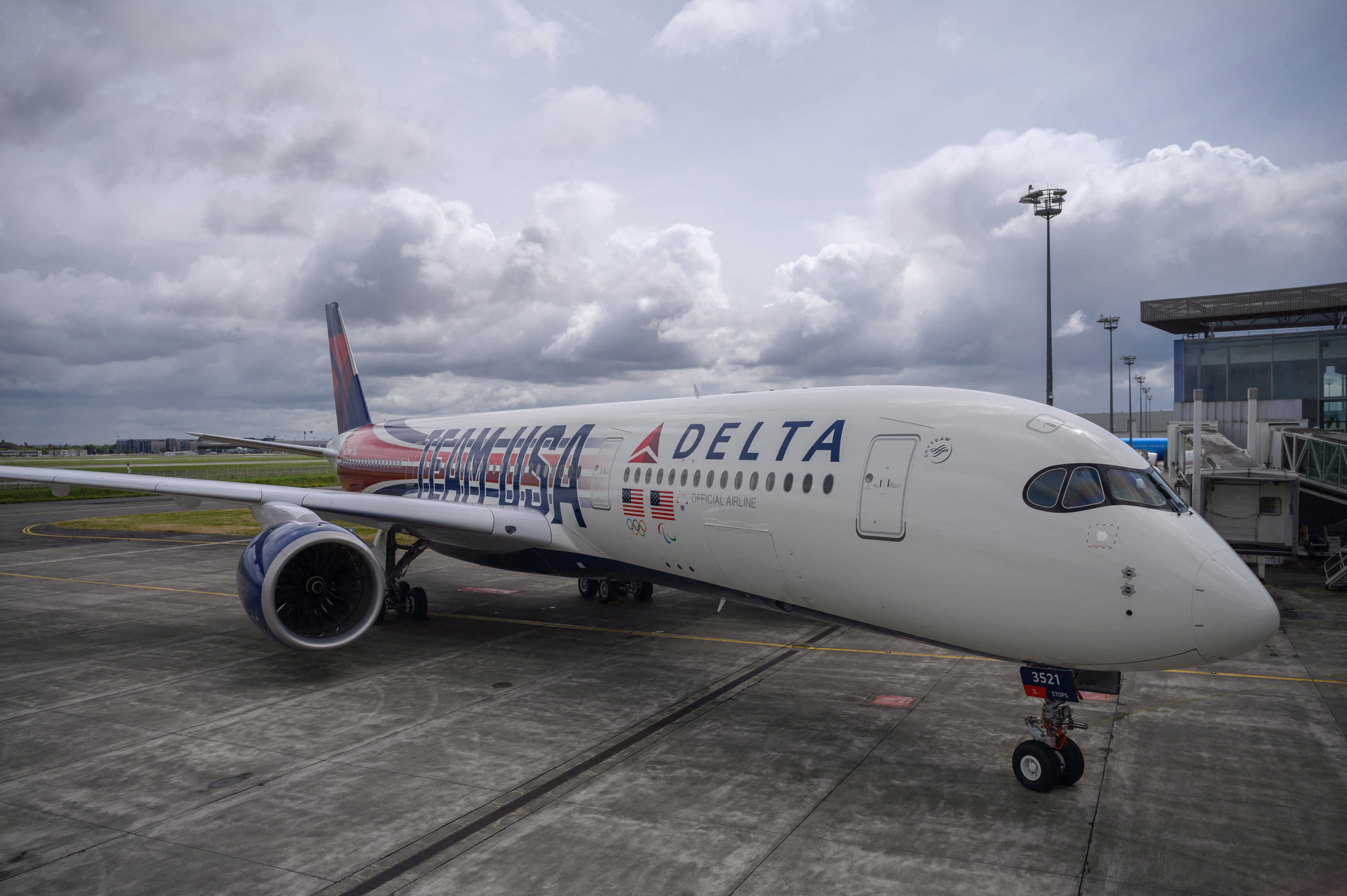
Delta Air Lines Safety Concerns Delay Riyadh Atlanta Flight Launch
Delta CEO Ed Bastian confirms safety is the deciding factor for the new Atlanta to Riyadh route amid escalating Houthi attacks.
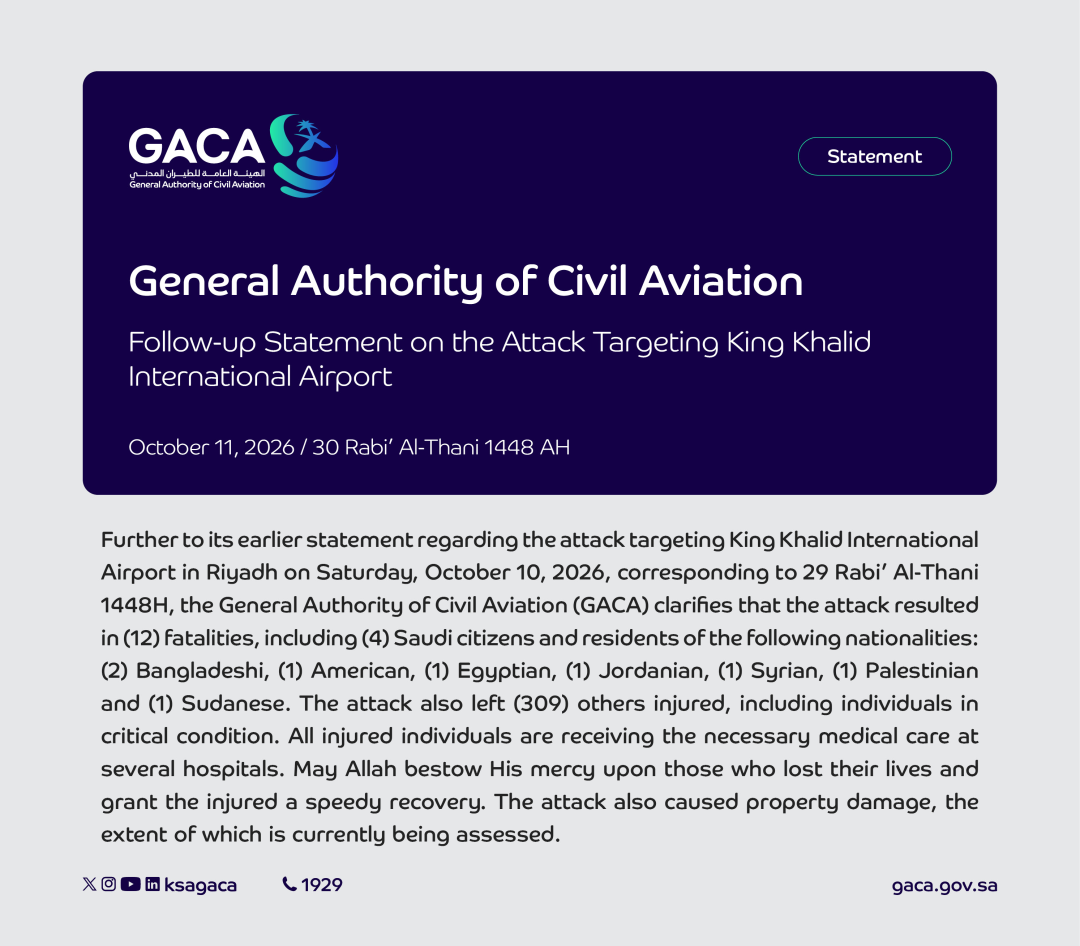
Security Alert: Riyadh Airport Attack & Travel Safety for Chinese Nationals
Chinese Embassy in Saudi Arabia confirms Riyadh airport attack with 12 dead and 309 injured. Updated safety guidelines and travel advice for Chinese citizens.
Latest Articles
- Death Row Survivor: Inmate Thanks Medical Team After Execution Failure
- WHO: No Evidence of Sustained Transmission in Russian Lab Worker Pneumonia Death
- UN Chief Condemns US Sanctions on International Criminal Court
- Ukraine Expresses Betrayal Over US-Russia Diesel Deal
- WFP Chief Warns: 'Slow-Burning' Food Crisis as War, Climate, and Supply Chain Disruptions Collide
- Colin Mackerras: Australia's Renowned Sinologist and Bridge Between Nations