China's Online Market for Medical-Grade Dermal Fillers: Risks and Regulatory Gaps
Explore how e-commerce platforms like JD, Taobao, and Xiaohongshu are selling Class III medical dermal fillers to consumers, bypassing regulations and posing serious health risks.
Source: 163.com
The beauty industry has seen a surge in at-home aesthetic procedures, but a concerning trend is emerging in China: the online sale of Class III medical devices, specifically dermal fillers (water light needles), directly to consumers. These products, which are strictly regulated and intended for professional use only, are being sold on major e-commerce platforms like JD.com, Taobao, and Xiaohongshu, often at bargain prices. This practice not only violates Chinese medical device regulations but also exposes consumers to significant health risks, including infections, scarring, and complications from unlicensed injections. As the demand for affordable beauty treatments grows, so does the urgency to address these regulatory gaps and protect public health.
Key Findings
-
Platform Sales: JD's "Jingxi Self-Operated" platform, Taobao's Tmall, and Xiaohongshu are actively selling Class III dermal fillers, including popular brands like Runbaiyan, Hi Body, and Haiwei. These products are marketed directly to individual consumers, despite being classified as high-risk medical devices.
-
Regulatory Violations: Class III medical devices, especially those containing anesthetic ingredients like lidocaine, are prohibited from retail sale to individuals. The law requires that such products only be sold to licensed medical institutions or qualified enterprises. Yet, these platforms are enabling widespread consumer access.
-
Supply Chain Irregularities: The products often originate from medical aesthetic institutions, which legally purchase them from manufacturers. These institutions then sell excess stock to medical device companies, who in turn list them on e-commerce platforms. This "channel diversion" bypasses the intended distribution controls.
-
Consumer Risks: Many buyers are unqualified individuals or small beauty salons without medical licenses. They may self-inject or hire unlicensed "injection specialists," leading to severe complications such as facial infections, granulomas, and permanent scarring. The authenticity of products is also questionable, with many being counterfeit or of unknown origin.
-
Platform Responsibility: E-commerce platforms have a legal obligation to monitor and report illegal sales activities. However, they often turn a blind eye, with some sellers even blurring out the lidocaine ingredient on product images to evade detection. Consumers are not asked to provide any proof of medical qualification during the purchase process.
-
Emergence of Authentication Services: The prevalence of counterfeit products has spawned a new business: remote authentication of dermal fillers. Individuals on second-hand platforms like Xianyu offer to verify product authenticity based on photos, highlighting the widespread distrust in the market.

In-Depth Analysis
The proliferation of Class III dermal fillers on e-commerce platforms underscores a critical failure in the regulatory enforcement of China's medical device market. While the government has established clear rules, the rapid growth of online marketplaces has outpaced oversight. Platforms like JD and Taobao have become virtual marketplaces for these high-risk products, leveraging their vast reach to capitalize on the beauty boom. The issue is not merely about individual consumer choices but reflects a systemic problem where profit motives override patient safety.
From a market perspective, the demand for affordable beauty treatments is skyrocketing, particularly among younger demographics who are price-sensitive. This has created a lucrative gray market for medical-grade products, with some sellers offering "retail" or "single-vial" purchases, a clear violation of regulations. The involvement of listed companies like Bloomage Biotechnology and Imeik Technology, which supply these products, adds another layer of complexity. While they maintain that their sales channels are compliant, the leakage of products into unregulated channels suggests a need for stricter supply chain controls.
Looking ahead, we can expect increased scrutiny from regulators, possibly leading to more stringent platform monitoring and harsher penalties for non-compliance. However, the onus is also on platforms to implement robust verification systems for sellers and products. Additionally, public awareness campaigns are crucial to educate consumers about the risks of self-injection and the importance of seeking qualified medical professionals. The beauty industry's future depends on balancing accessibility with safety, ensuring that innovations in aesthetics do not come at the cost of public health.
Frequently Asked Questions
Q: Why are dermal fillers considered high-risk medical devices? A: Dermal fillers, especially those containing lidocaine, are classified as Class III medical devices because they are invasive and require professional administration. Improper injection can lead to serious complications like tissue necrosis, infection, and allergic reactions.
Q: Can I legally purchase dermal fillers online for personal use in China? A: No. Chinese regulations prohibit the retail sale of Class III medical devices to individuals. They can only be sold to licensed medical institutions or qualified enterprises. Purchasing them online for personal use is illegal and unsafe.
Q: What should I do if I experience complications from an unlicensed injection? A: Seek immediate medical attention at a licensed hospital. Additionally, report the incident to local health authorities and the e-commerce platform where the product was purchased. Keep records of your purchase and any communications with the seller for evidence.
Source: https://www.163.com/money/article/KPE24P9J00258105.html
Related posts
McDonald's Chicken and Beverage Strategy Faces Intense Competition
As McDonald's bets on chicken and beverages for growth, new data shows stiff competition from specialized chains in these categories.
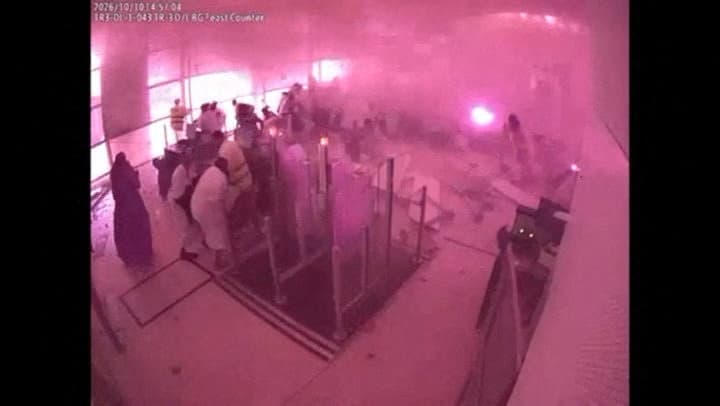
FAA warns U.S. airlines of safety risks over Saudi Arabia after attacks
FAA warns U.S. airlines of safety risks over Saudi Arabia after attacks. FAA warns U.S. airlines of safety risks over Saudi Arabia after attacks. FAA warns U.S. airlines of safety risks over Saudi Arabia after attacks.
Delta Air Lines Delays Saudi Arabia Launch Due to Airport Security Threats
Delta postpones Atlanta-Riyadh service to March 2027 after deadly Houthi attacks close King Khalid International Airport.

The Paper Launches New Earth Channel to Address Climate Change
The Paper unveils Earth Channel, dedicated to climate reporting and environmental protection through innovative storytelling and visual communication.
China's Countermeasures Against Belize's Minister of Foreign Affairs and Trade
An analysis of China's decision to impose countermeasures against Belize's Minister of Foreign Affairs and Trade, Francis Fonseca, in response to his support for the 'one China' policy.

Taiz: The Decisive Battlefield Shaping Yemen's War
How Taiz has become the strategic linchpin in Yemen's conflict, with its capture potentially reshaping the entire geopolitical landscape.
Kalshi Hires Former FBI Agent to Combat Money Laundering Amid Regulatory Scrutiny
Prediction market platform Kalshi brings in Sean Fern, a former FBI agent, to lead its anti-money laundering efforts as the industry faces increasing regulatory oversight.
Retailers Streamline Product Offerings to Boost Profitability
Major retailers from BJ's to Lululemon are reducing SKUs to improve margins and stabilize sales amid changing consumer behavior.
Latest Articles
- OpenAI Safety Firing: Employees Question Tech Giant's Commitment
- Delta Air Lines Safety Concerns Delay Riyadh Atlanta Flight Launch
- Security Alert: Riyadh Airport Attack & Travel Safety for Chinese Nationals
- Death Row Survivor: Inmate Thanks Medical Team After Execution Failure
- WHO: No Evidence of Sustained Transmission in Russian Lab Worker Pneumonia Death
- UN Chief Condemns US Sanctions on International Criminal Court