Li-Ning H1 Profit Rises 4.5% but Cautious Outlook Signals Slowing Demand
Li-Ning's H1 2026 net profit grew 4.5% to RMB 1.816B, but weaker Q2 sales, deeper discounts, and rising costs prompt a cautious full-year strategy. Read our analysis.
Source: 163.com
Chinese sportswear giant Li-Ning (02331.HK) reported a 4.5% year-on-year increase in net profit for the first half of 2026, reaching RMB 1.816 billion. While the headline numbers show growth, a closer look reveals mounting pressure at the consumer level, prompting management to adopt a more conservative strategy for the rest of the year. With the second quarter significantly missing expectations and no signs of improvement in July and August, the company has revised down its full-year revenue and net margin targets. This cautious pivot underscores the challenges facing the sportswear market in China amid a sluggish consumption recovery.
Key Highlights
-
Revenue Growth Slows to 2.8%: Li-Ning's first-half revenue reached RMB 15.235 billion, a modest 2.8% increase year-on-year. This marks a slowdown compared to previous periods, reflecting weakened consumer demand across the sector.
-
Net Profit Up 4.5% to RMB 1.816 Billion: Despite the sluggish top-line growth, net profit attributable to shareholders rose 4.5%. However, this was not solely driven by operational improvements; a lower effective tax rate played a significant role.
-
Gross Margin Improves to 50.9%: The gross margin expanded by 0.9 percentage points to 50.9%, aided by better product mix and cost control. However, this was offset by rising operating expenses.
-
Marketing Spend Surges 8.1%: Selling and distribution expenses increased to RMB 4.64 billion, up 8.1% year-on-year, outpacing revenue growth. Advertising and promotion costs rose by RMB 377 million, driven by Olympic sponsorship and athlete endorsements, including the recent partnership with Stephen Curry.
-
Operating Profit Flat, Margin Declines: Operating profit inched up slightly to RMB 2.452 billion, but the operating margin fell from 16.5% to 16.1% due to higher expenses. This indicates that the core business is under pressure.
-
Tax Cut Boosts Bottom Line: Pre-tax profit actually declined 6.1% to RMB 2.448 billion, but a RMB 238 million reduction in income tax expense lowered the effective tax rate from 33.3% to 25.8%, artificially inflating net profit.
-
Cash Flow Plummets 60.4%: Operating cash flow dropped sharply to RMB 954 million, reflecting increased cash expenses and prepayments related to the Curry collaboration. Net cash remains strong at RMB 19.391 billion.
-
Channel and Category Divergence: Apparel revenue grew 12%, while footwear only managed 1% growth and accessories fell 18%. Offline sales saw deeper discounts (3.5 percentage points year-on-year) and lower foot traffic, while e-commerce showed relative resilience.

In-Depth Analysis
The reported profit growth masks underlying weakness in Li-Ning's core operations. The company's decision to lower its full-year guidance is a clear acknowledgment that the current demand environment is challenging. The sharp decline in operating cash flow, coupled with a 10% increase in inventory costs, suggests that the company is accumulating stock as sell-through rates disappoint. The deeper discounts in the offline channel indicate that Li-Ning is resorting to price cuts to move inventory, which could erode brand equity over time.
The reliance on tax benefits to boost net profit is a red flag for investors. Excluding this one-off factor, the underlying profitability is actually declining. The increased marketing spend, particularly the high-profile Curry partnership, is a strategic bet to drive long-term growth, but it adds immediate cost pressure. The success of this investment will depend on whether it can translate into sustained sales growth, especially in a market where consumers are increasingly price-sensitive.
Looking ahead, Li-Ning's cautious stance is prudent. The company is prioritizing channel health and risk management over aggressive expansion, which should help mitigate inventory risks. However, the sportswear market in China is highly competitive, with domestic rivals like Anta and international brands like Nike and Adidas vying for market share. Li-Ning's ability to differentiate through innovation and brand storytelling will be crucial. The second half of 2026 will be a test of whether the Curry effect can revive consumer interest and offset the broader market slowdown.
Frequently Asked Questions
Q: Why did Li-Ning's net profit rise while operating profit was flat? A: The increase was primarily due to a lower effective tax rate, which dropped from 33.3% to 25.8% after a reduction in income tax expenses. Pre-tax profit actually declined 6.1%, so the tax benefit artificially boosted the bottom line.
Q: What is the impact of the Stephen Curry partnership on Li-Ning's finances? A: The partnership, announced in June 2026, will add to marketing expenses in the second half of the year. The company has already made prepayments, which contributed to a 60.4% drop in operating cash flow. The financial impact will be more pronounced in H2, potentially further pressuring margins.
Q: How is Li-Ning responding to the slowdown in consumer demand? A: Li-Ning has adopted a more cautious strategy, lowering its full-year revenue growth target to low single digits and net margin to mid-to-high single digits. The company is focusing on controlling inventory, supporting distributors, and closing underperforming stores to improve efficiency, rather than pursuing scale aggressively.
Source: https://www.163.com/money/article/L4SKPN0100258105.html
Related posts
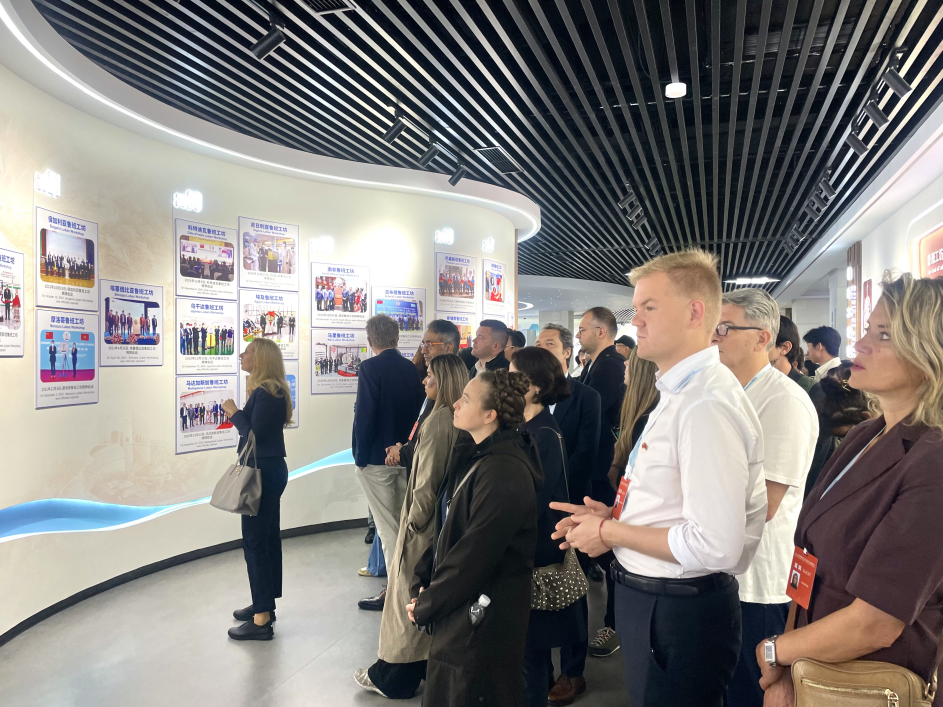
US Lawmaker: AI Transcends Borders, Urging US-China Cooperation
Washington State Representative Roger Goodman emphasizes that AI risks don't recognize national boundaries, calling for enhanced US-China collaboration to ensure AI benefits humanity.
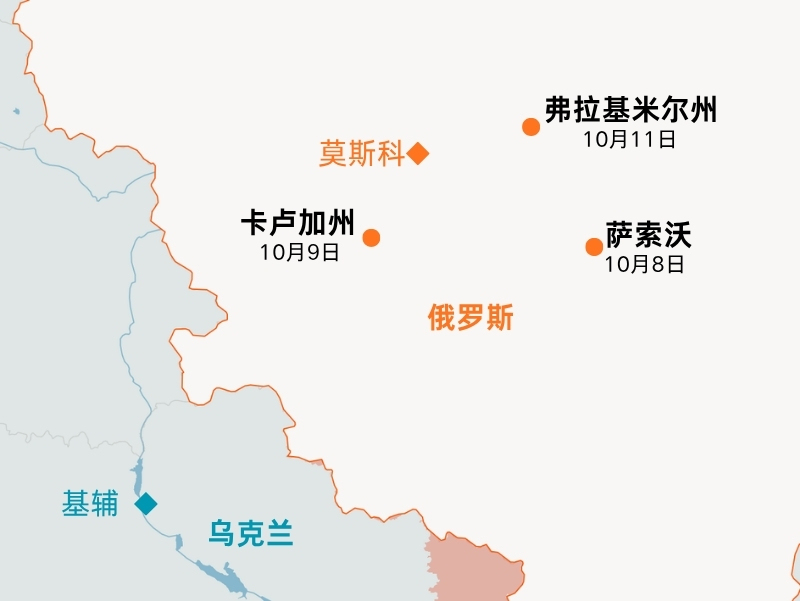
Ukraine Claims Drone Attacks Reduced Russian Online Propaganda
President Zelensky asserts that strikes on Yandex data centers decreased social media bots, though experts question the causal link.
Saudi Crown Prince's Evacuation: Escalating Conflict Threatens Vision 2030
Saudi Arabia faces a critical security crisis as Houthi attacks intensify, forcing the Crown Prince to relocate to fortified bunkers and jeopardizing major economic initiatives.

FAA warns U.S. airlines of safety risks over Saudi Arabia after attacks
FAA warns U.S. airlines of safety risks over Saudi Arabia after attacks. FAA warns U.S. airlines of safety risks over Saudi Arabia after attacks. FAA warns U.S. airlines of safety risks over Saudi Arabia after attacks.
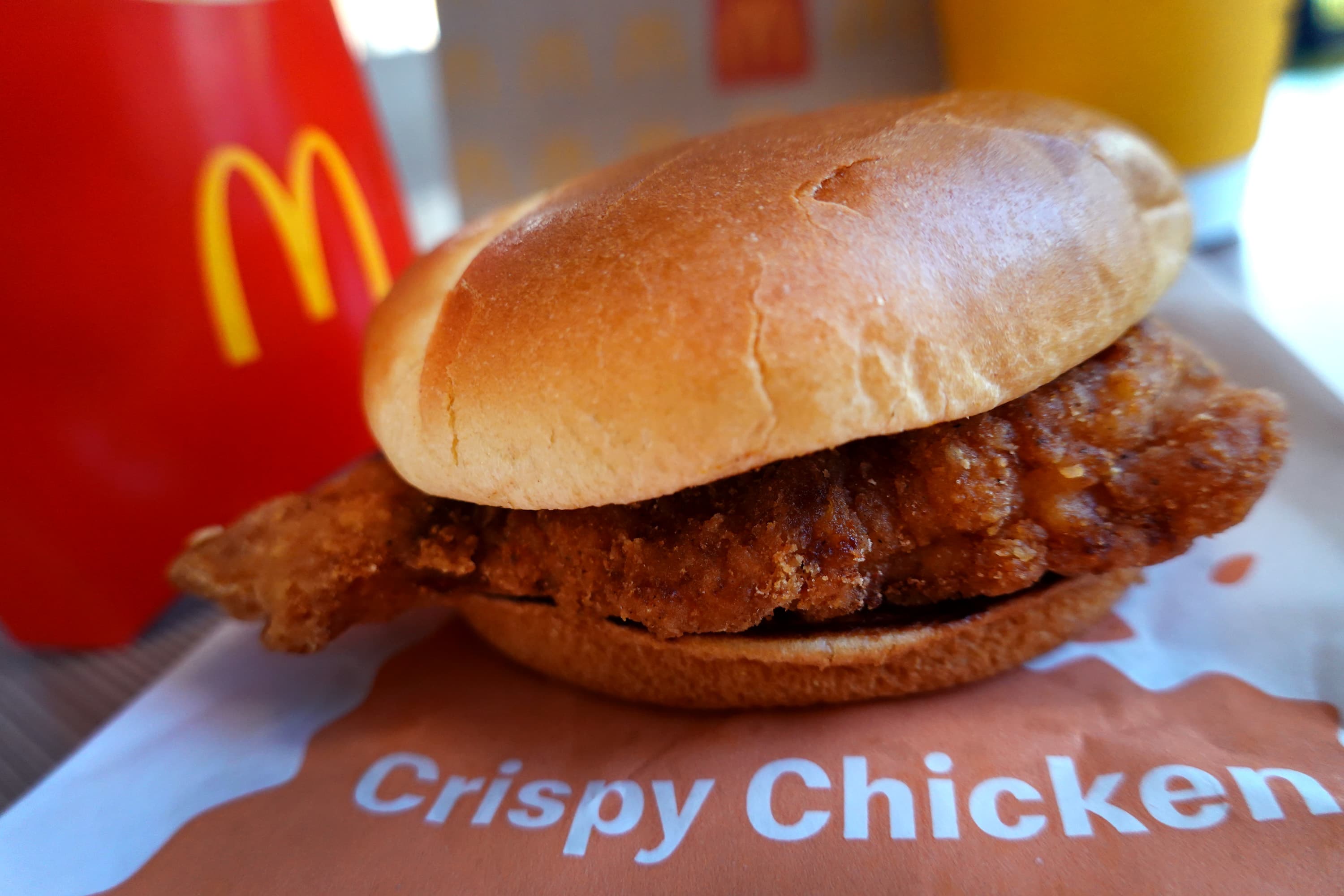
McDonald's Chicken and Beverage Strategy Faces Intense Competition
As McDonald's bets on chicken and beverages for growth, new data shows stiff competition from specialized chains in these categories.
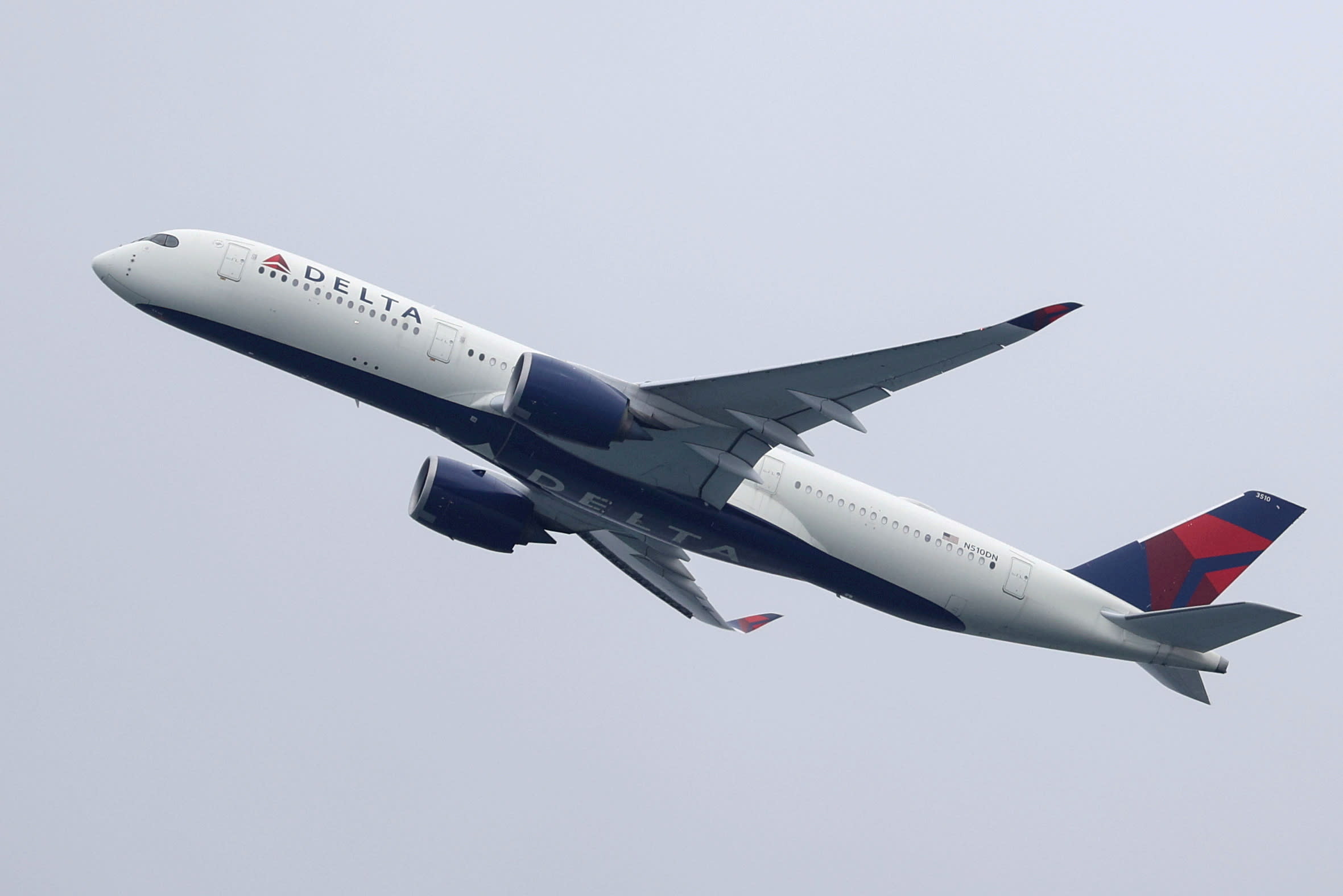
Delta Air Lines Delays Saudi Arabia Launch Due to Airport Security Threats
Delta postpones Atlanta-Riyadh service to March 2027 after deadly Houthi attacks close King Khalid International Airport.

The Paper Launches New Earth Channel to Address Climate Change
The Paper unveils Earth Channel, dedicated to climate reporting and environmental protection through innovative storytelling and visual communication.
China's Countermeasures Against Belize's Minister of Foreign Affairs and Trade
An analysis of China's decision to impose countermeasures against Belize's Minister of Foreign Affairs and Trade, Francis Fonseca, in response to his support for the 'one China' policy.
Latest Articles
- Taiz: The Decisive Battlefield Shaping Yemen's War
- Kalshi Hires Former FBI Agent to Combat Money Laundering Amid Regulatory Scrutiny
- Retailers Streamline Product Offerings to Boost Profitability
- OpenAI Safety Firing: Employees Question Tech Giant's Commitment
- Delta Air Lines Safety Concerns Delay Riyadh Atlanta Flight Launch
- Security Alert: Riyadh Airport Attack & Travel Safety for Chinese Nationals