Hua Xia Bank's Profit Plunge: A Deep Dive into Risk Cleanup and Leadership Challenges
Hua Xia Bank's H1 2026 net profit fell 18.35% despite revenue growth. Explore the reasons behind the 'profitless growth' and the strategic hurdles facing new chairman Yang Shujian.
Source: 163.com
When a bank reports a 12.71% revenue surge but a simultaneous 18.35% net profit plunge, the market takes notice. That's exactly the scenario Hua Xia Bank presented in its 2026 interim report. The numbers reveal a classic case of 'profitless growth'—a phenomenon that raises questions about asset quality, risk management, and strategic direction. For investors and industry watchers, this isn't just a quarterly blip; it's a signal of deeper structural challenges and a pivotal leadership transition.
Key Highlights
-
Revenue Growth with Diverging Profit: Hua Xia Bank's H1 2026 revenue reached RMB 51.31 billion, a 12.71% year-on-year increase. However, net profit attributable to shareholders fell to RMB 9.37 billion, down 18.35% from the previous year. This divergence stems from a significant increase in credit impairment losses, a deliberate move to strengthen the balance sheet.
-
Core Business Remains Stable: The bank's net interest income grew 12.71% to RMB 34.56 billion, with net interest margin slightly improving to 1.59%. Pre-provision operating profit rose 18.93% to RMB 36.12 billion, indicating that the core banking operations are performing well. The profit decline is not due to operational deterioration but rather to higher risk provisioning.
-
Risk Cleanup at the Forefront: The bank has been aggressively setting aside provisions to address legacy non-performing assets. This is a proactive measure to clean up its balance sheet, but it comes at the cost of near-term profitability. The trend was already visible in Q1 2026, where revenue grew 35.33% but net profit dipped, and it has now intensified.
-
Asset Quality Shows Signs of Improvement: Despite the high provisioning, the non-performing loan (NPL) ratio has actually declined slightly, suggesting that the cleanup efforts are yielding results. Total assets continued to grow, and credit expansion remained orderly, indicating overall stability.
-
Shenzhen Branch: A Hotspot of Risk: The Shenzhen branch has been a major source of trouble, with numerous lawsuits related to corporate loans, credit cards, and bad debt disposal. In 2026 alone, the branch disclosed multiple large-scale litigation cases, including a single claim exceeding RMB 1.5 billion against a Shenzhen-based enterprise. Regulatory fines for improper bad asset transfers have also been imposed, highlighting compliance gaps.
-
New Chairman's Background: Yang Shujian, who took over as chairman in March 2025, has nearly 30 years of banking experience but almost entirely within city commercial banks, notably Bank of Beijing. He lacks experience at a national joint-stock bank, which raises concerns about his ability to navigate the complexities of a nationwide institution.
2025 Annual Report Already Showed Weakness: The first full year under Yang's leadership saw revenue decline 5.39% to RMB 91.91 billion and net profit fall 1.72% to RMB 27.2 billion—the first annual profit decline since 2020. This set the stage for the current challenges.
In-Depth Analysis
The 'profitless growth' at Hua Xia Bank is a textbook example of a bank choosing to bite the bullet on asset quality. By ramping up provisions, the bank is acknowledging that its historical risk-taking, particularly at branches like Shenzhen, has left a legacy of bad debts that must be addressed. This is a prudent strategy for long-term health, but it creates a short-term earnings drag that investors must digest.
The leadership transition adds another layer of complexity. Yang Shujian's background in city commercial banks is a double-edged sword. On one hand, he brings deep operational knowledge and a track record of risk management. On the other, the scale and complexity of a national joint-stock bank like Hua Xia are vastly different. City commercial banks operate in regional silos with simpler risk profiles, while Hua Xia operates across the country with a diverse portfolio. His lack of experience in this environment could hinder strategic decision-making and cross-regional risk oversight.
Looking ahead, Hua Xia Bank faces a multi-year journey. The risk cleanup is likely to continue, keeping profits under pressure. The bank must also adapt its strategy to a competitive landscape where net interest margins are shrinking and fintech disruption is accelerating. Compared to peers like China Merchants Bank or Shanghai Pudong Development Bank, Hua Xia appears less resilient. The market will be watching closely to see if Yang can steer the bank out of this trough or if the challenges prove too steep.
Frequently Asked Questions
Why did Hua Xia Bank's profit drop so sharply despite higher revenue? The drop is primarily due to a significant increase in credit impairment losses. The bank is proactively setting aside more funds to cover potential losses from legacy non-performing assets, especially in its Shenzhen branch. This is a deliberate move to clean up the balance sheet, but it reduces net profit in the short term.
Is this a sign of fundamental problems at Hua Xia Bank? Not necessarily. The core business is stable, with growing revenue and improved net interest margin. The profit decline is a result of risk provisioning, not operational weakness. However, it does reveal underlying asset quality issues and management challenges that need to be addressed.
What should investors expect in the coming quarters? Investors should anticipate continued pressure on profits as the bank works through its risk cleanup. The pace of provisioning may slow as asset quality improves, but a full recovery will take time. Watch for signs of reduced provisioning and stable NPL ratios as indicators of progress.
Source: https://www.163.com/dy/article/L5HM6BBF05399V0I.html
Related posts

Death Row Survivor: Inmate Thanks Medical Team After Execution Failure
Christa Pike becomes first person to survive lethal injection execution, now receiving rehabilitation in prison.
WHO: No Evidence of Sustained Transmission in Russian Lab Worker Pneumonia Death
World Health Organization reports no ongoing transmission from fatal pneumonia case at Russian plague research institute, though pathogen remains unidentified.

Security Alert: Riyadh Airport Attack & Travel Safety for Chinese Nationals
Chinese Embassy in Saudi Arabia confirms Riyadh airport attack with 12 dead and 309 injured. Updated safety guidelines and travel advice for Chinese citizens.

OpenAI Safety Firing: Employees Question Tech Giant's Commitment
Former OpenAI staff claim they were fired for whistleblowing on AI safety risks, sparking a major debate about transparency and accountability in the AI industry.

Kalshi Hires Former FBI Agent to Combat Money Laundering Amid Regulatory Scrutiny
Prediction market platform Kalshi brings in Sean Fern, a former FBI agent, to lead its anti-money laundering efforts as the industry faces increasing regulatory oversight.
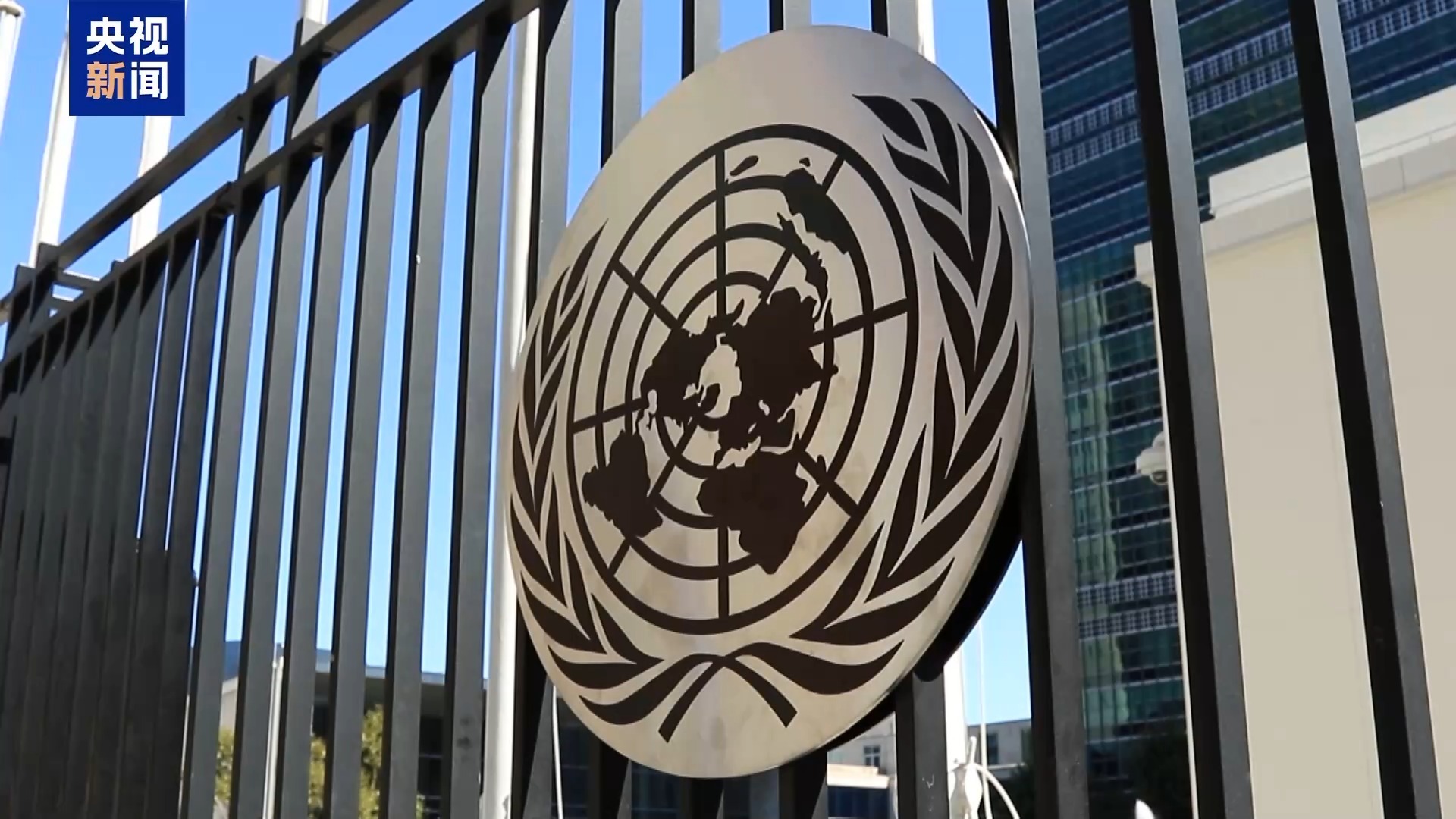
UN Chief Condemns US Sanctions on International Criminal Court
UN Secretary-General António Guterres denounces US sanctions on the ICC as a threat to global justice. Major allies like the UK and Germany also criticize the move.

Ukraine Expresses Betrayal Over US-Russia Diesel Deal
Ukrainian President Zelensky voices disappointment after US and Russia reach diesel agreement, calling it a 'weak decision' by a strong partner.

WFP Chief Warns: 'Slow-Burning' Food Crisis as War, Climate, and Supply Chain Disruptions Collide
An in-depth analysis of the structural collapse of global food security, featuring expert insights from WFP Director Jean-Martin Bauer on the compounded risks of conflict, El Niño, and logistics failures.
Latest Articles
- Colin Mackerras: Australia's Renowned Sinologist and Bridge Between Nations
- EU Parliament Report on China: Diplomatic Response & Future Outlook
- South Korea Successfully Tests First Indigenous Hypersonic Glide Vehicle
- Hurricane Isaias Prepares To Hit Gulf Coast: Oil Industry Evacuates, Refineries At Risk
- Delta Air Lines Cuts 2026 Forecast Due to Fuel Surge, Despite Strong Demand
- Botswana President's State Visit to China: Strengthening Strategic Partnership