Tencent's WorkBuddy Leads AI Office Race, Alibaba and ByteDance Respond
Tencent's WorkBuddy tops China's AI office agent market with 20.97M monthly visits, prompting Alibaba and ByteDance to restructure and launch rival products. An analysis of the intensifying competition.
Source: 163.com
In the fast-evolving landscape of AI-powered office tools, a new battleground has emerged in China. Tencent's WorkBuddy, launched just months ago, has surged to the top of the domestic AI office agent market, forcing rivals Alibaba and ByteDance to scramble. This isn't just a product race; it's a strategic pivot toward enterprise AI, where the stakes are high and the potential for recurring revenue is immense. As these tech giants realign their resources, the way we work—and the tools we use—may be on the verge of a fundamental shift.
Key Developments
-
WorkBuddy's Meteoric Rise: Launched on March 9, 2026, Tencent's WorkBuddy reached 20.97 million monthly visits by June, surpassing the combined traffic of ByteDance's Trae IDE (12.79 million) and Alibaba's QoderWork (7.88 million). This explosive growth, driven by its user-friendly interface and instant setup, has positioned it as China's leading desktop AI office agent.
-
ByteDance's Strategic Restructuring: On July 30, ByteDance announced the merger of its Feishu (Lark) product team into Doubao, with Feishu head Xie Xin now reporting to Doubao's Zhao Qi. Sales and customer service teams were consolidated under Volcano Engine, creating a unified To B organization. This move aims to combine Doubao's AI capabilities with Feishu's enterprise collaboration expertise.
-
Alibaba's QwenWork Launch: On August 3, Alibaba launched QwenWork (Qianwen Bangong), an enterprise-grade AI agent that integrates three existing products: QoderWork, MuleRun, and Wukong (based on DingTalk). The launch coincided with the release of Qwen3.8-Max, a 2.4-trillion-parameter model, signaling Alibaba's aggressive push into the office AI space.
-
Tencent's Rapid Iteration: WorkBuddy has seen 52 versions since launch, averaging a new release every two days. It became the first general-purpose agent app on HarmonyOS and introduced a collaborative editing feature called "human-machine dual writing" on July 30. Pony Ma, Tencent's CEO, is reportedly personally overseeing the product's development.
-
Financial Pressures and Monetization Challenges: ByteDance's Doubao, despite having 382 million monthly active users, incurs daily operational costs of tens of millions of yuan but generates less than one million yuan in daily revenue. This stark disparity underscores the urgent need for a sustainable business model, which office AI could provide.
-
The Rise of One-Person Companies (OPCs): According to the Zhongguancun Talent Association, there are over 16 million one-person limited liability companies in China, making up 27.4% of all enterprises. This growing segment, which values lightweight and cost-effective tools, is a prime target for AI office agents that can replace multiple roles.

In-Depth Analysis
This race is not merely about feature sets; it's a strategic pivot toward the enterprise market, where AI can become indispensable infrastructure. Unlike consumer AI, which suffers from low retention and minimal willingness to pay, office AI integrates into daily workflows—approvals, reports, meeting minutes—creating high switching costs and stable revenue streams. Anthropic's annualized run rate exceeding $44 billion, with enterprise agents as a core driver, validates this model. OpenAI's B2B revenue, now over 40%, further underscores the shift.
For Chinese tech giants, the playbook is clear: replicate and localize the success seen in Western markets. Tencent's WorkBuddy, with its simplicity and rapid iteration, has gained an early lead. ByteDance's restructuring aims to leverage Doubao's AI strength and Feishu's enterprise reach, but the integration challenges are significant. Alibaba's QwenWork, backed by a massive investment of 380 billion yuan over three years, brings a comprehensive suite of tools, but its success hinges on seamless integration with DingTalk.
The competitive dynamics are intense. Tencent's dominance, with 32.62 million combined visits across its AI office products, gives it a formidable moat. However, the market is still nascent, and the ultimate winner will be determined by who can best address the needs of the growing OPC segment and traditional enterprises. The "price war" in consumer AI is unsustainable; the office AI battle is about value creation, not just user acquisition. As these companies pour billions into AI infrastructure, the pressure to monetize is immense, making office AI the most promising avenue for returns.
Frequently Asked Questions
Why is the office AI market so crucial for Chinese tech giants?
Office AI offers a viable path to monetization, unlike consumer AI which struggles with low willingness to pay. By embedding AI into business workflows, companies can create indispensable tools with high switching costs, ensuring stable recurring revenue. This is particularly appealing given the massive infrastructure investments these companies have made.
How does WorkBuddy differ from other AI office agents?
WorkBuddy stands out for its simplicity and ease of use. Unlike competitors that require complex deployment, WorkBuddy can be installed and used immediately, with a clean interface that avoids technical jargon. Users can simply type commands to automate tasks, making it accessible to a broad audience, including non-technical users.
What impact will this competition have on small businesses and freelancers?
This competition is a boon for small businesses and freelancers, especially the growing number of one-person companies. AI office agents can handle administrative, writing, design, and basic analysis tasks, enabling individuals to operate as a full team. The competitive pricing and feature-rich offerings will make these tools more accessible, leveling the playing field.
Source: https://www.163.com/money/article/L3NT81TP00258105.html
Related posts

US Lawmaker: AI Transcends Borders, Urging US-China Cooperation
Washington State Representative Roger Goodman emphasizes that AI risks don't recognize national boundaries, calling for enhanced US-China collaboration to ensure AI benefits humanity.
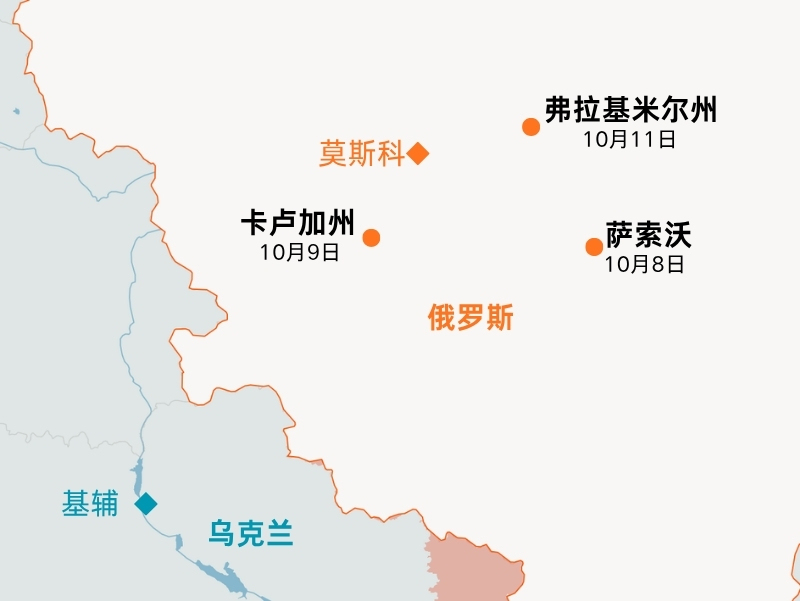
Ukraine Claims Drone Attacks Reduced Russian Online Propaganda
President Zelensky asserts that strikes on Yandex data centers decreased social media bots, though experts question the causal link.
Saudi Crown Prince's Evacuation: Escalating Conflict Threatens Vision 2030
Saudi Arabia faces a critical security crisis as Houthi attacks intensify, forcing the Crown Prince to relocate to fortified bunkers and jeopardizing major economic initiatives.

FAA warns U.S. airlines of safety risks over Saudi Arabia after attacks
FAA warns U.S. airlines of safety risks over Saudi Arabia after attacks. FAA warns U.S. airlines of safety risks over Saudi Arabia after attacks. FAA warns U.S. airlines of safety risks over Saudi Arabia after attacks.
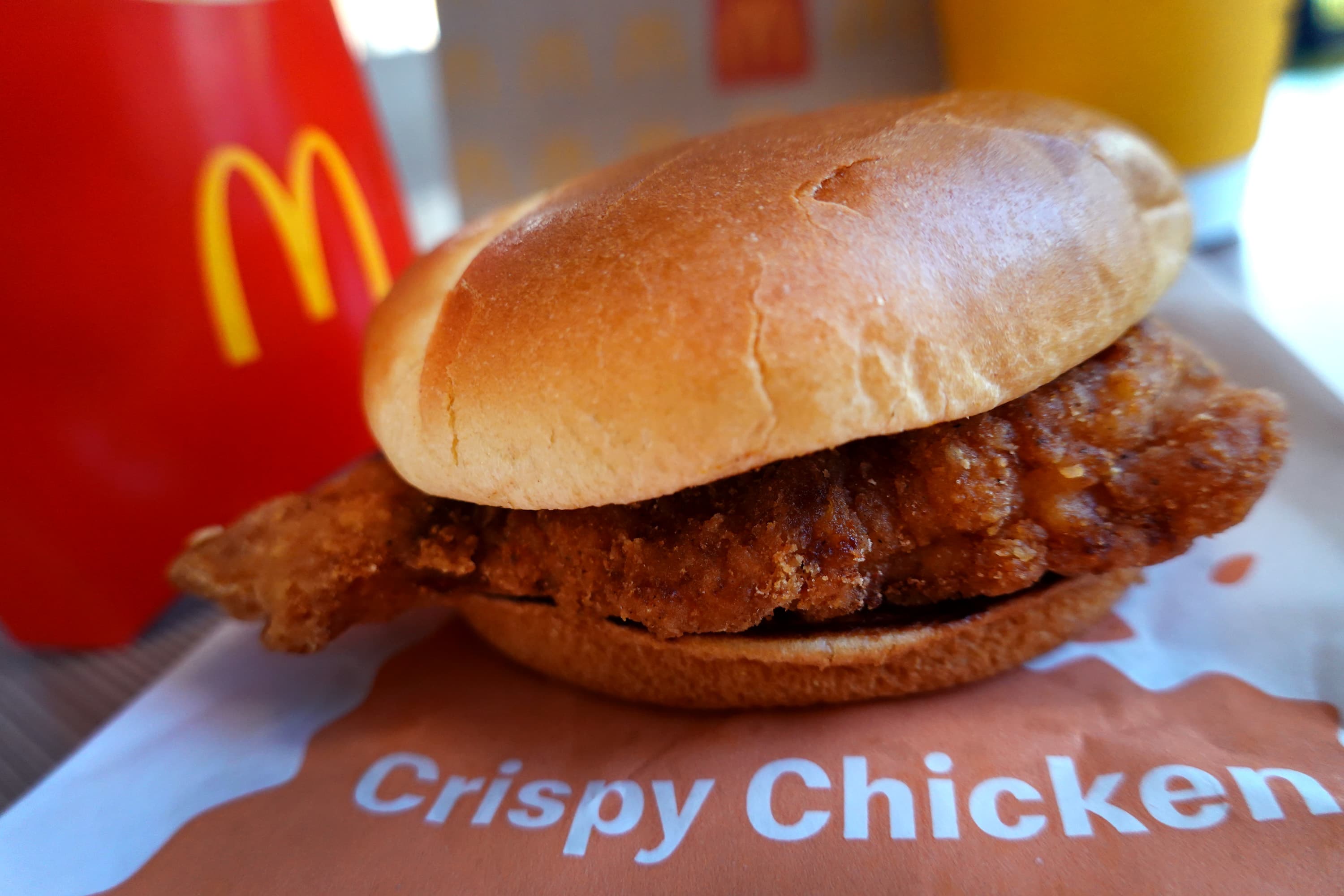
McDonald's Chicken and Beverage Strategy Faces Intense Competition
As McDonald's bets on chicken and beverages for growth, new data shows stiff competition from specialized chains in these categories.
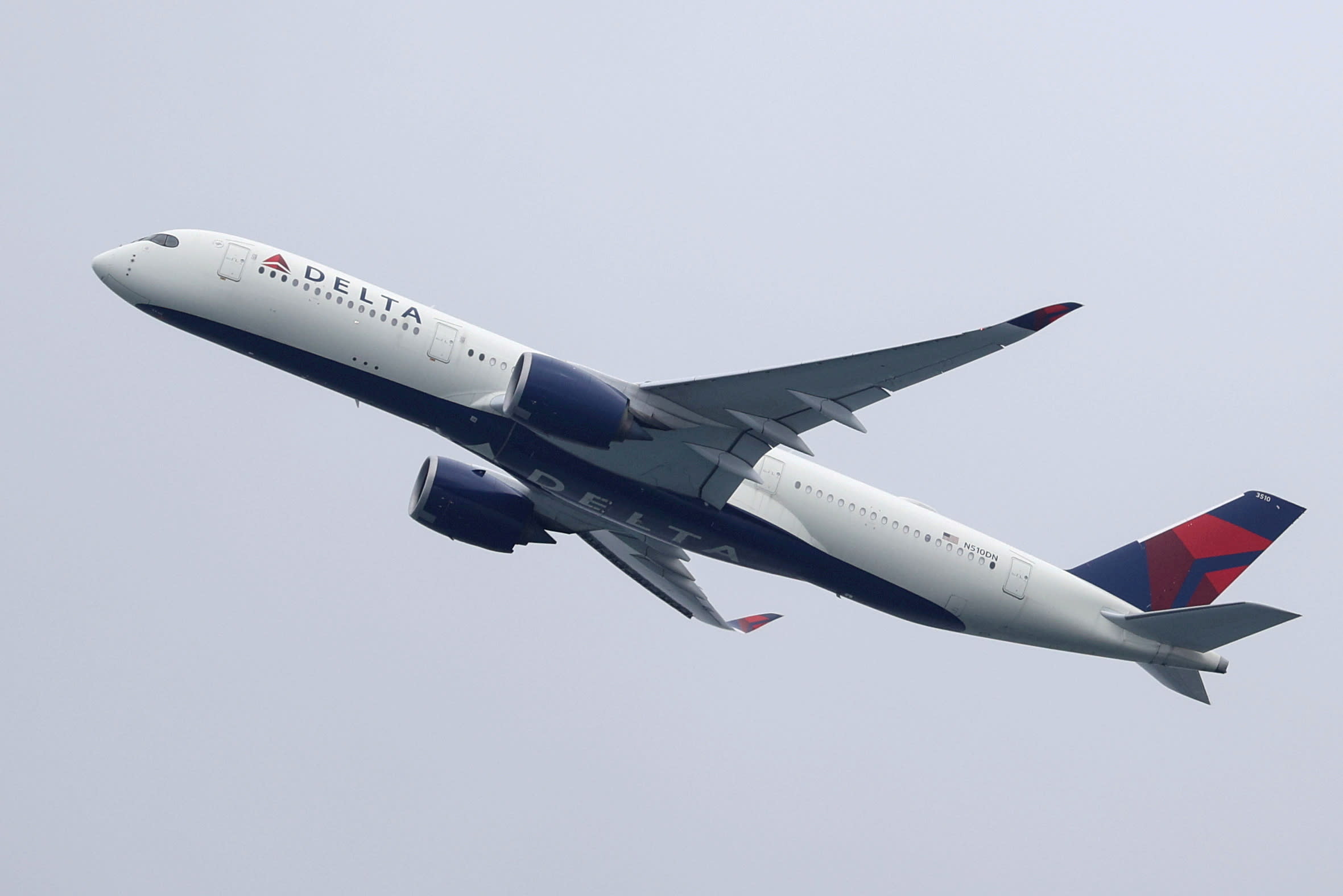
Delta Air Lines Delays Saudi Arabia Launch Due to Airport Security Threats
Delta postpones Atlanta-Riyadh service to March 2027 after deadly Houthi attacks close King Khalid International Airport.

The Paper Launches New Earth Channel to Address Climate Change
The Paper unveils Earth Channel, dedicated to climate reporting and environmental protection through innovative storytelling and visual communication.
China's Countermeasures Against Belize's Minister of Foreign Affairs and Trade
An analysis of China's decision to impose countermeasures against Belize's Minister of Foreign Affairs and Trade, Francis Fonseca, in response to his support for the 'one China' policy.
Latest Articles
- Taiz: The Decisive Battlefield Shaping Yemen's War
- Kalshi Hires Former FBI Agent to Combat Money Laundering Amid Regulatory Scrutiny
- Retailers Streamline Product Offerings to Boost Profitability
- OpenAI Safety Firing: Employees Question Tech Giant's Commitment
- Delta Air Lines Safety Concerns Delay Riyadh Atlanta Flight Launch
- Security Alert: Riyadh Airport Attack & Travel Safety for Chinese Nationals