Why Imax Remains Unsold Despite Record Box Office and Soaring Stock
Imax's record box office and soaring stock haven't attracted a buyer. Explore the strategic conflicts, potential suitors, and why the company is content to stay independent.
Source: CNBC
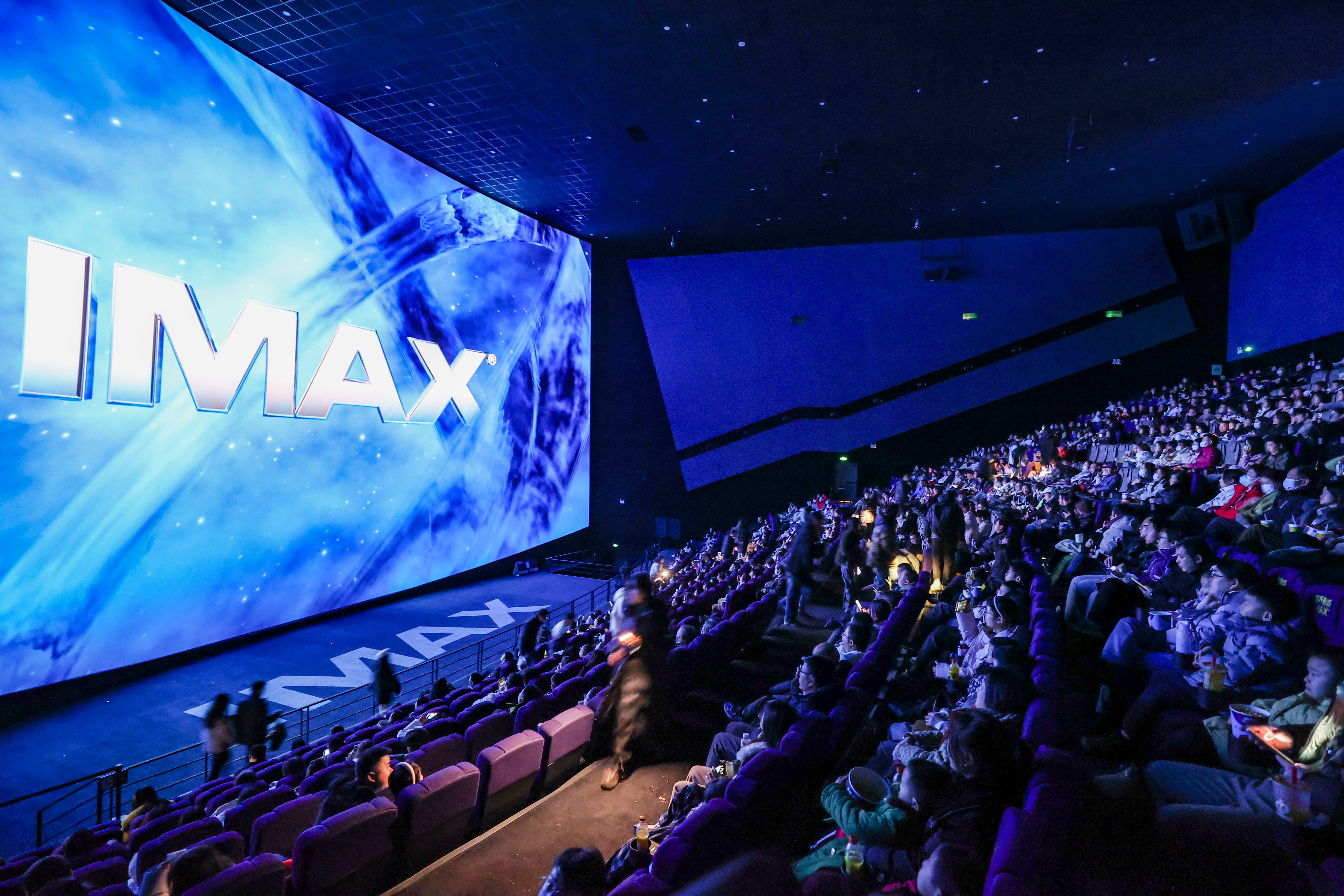
Imax is riding a wave of unprecedented success. Its stock has hit an all-time high, its box office is breaking records, and its premium large-format screens are more popular than ever. Yet, despite CEO Rich Gelfond's public openness to a sale earlier this year, no buyer has emerged. Why would a company with such momentum remain on the market? The answer lies in a complex web of strategic conflicts, valuation concerns, and the unique nature of Imax's business model.
Key Takeaways
- Record-Breaking Performance: Imax's global box office hit $1.28 billion in 2025, a 40% increase from 2024 and 13% above its previous record set in 2019. In 2026, the company is on track to set another record, fueled by blockbusters like Christopher Nolan's 'The Odyssey' and Denis Villeneuve's 'Dune: Part Three.'
- Premium Pricing Power: Imax's average ticket price in the U.S. is $20.57, over 60% higher than standard tickets and 18% higher than rival premium formats. This pricing power has not deterred audiences, demonstrating strong brand loyalty.
- Global Expansion: Imax is expanding its footprint with 160-175 new systems expected in 2026, and it's diversifying into local-language content in China, Japan, and South Korea.
- No Formal Sale Process: Despite preliminary talks, Imax hasn't hired new bankers or created a formal pitch book. The company is 'open to offers' but not actively seeking a sale.
- Conflict of Interest: Major studios like Disney, Universal, Paramount, and Warner Bros. would face immediate conflicts if they acquired Imax, as the company is 'studio agnostic' and charges all studios equally. Other studios would fear being sidelined for prime release slots.
- Potential Suitors: Analysts point to tech and streaming giants like Netflix, Apple, Amazon, and Sony as possible buyers, given their lower conflict risk and alignment with Imax's tech-heavy business.
- Valuation Concerns: Imax's stock has surged nearly 80% in the past year, making it a more expensive acquisition target. Some analysts believe potential buyers are waiting for a pullback.
In-Depth Analysis
The Imax situation is a fascinating case study in the dynamics of media consolidation. The company's core value proposition—providing premium theatrical experiences that drive box office revenue—makes it an attractive asset in an industry seeking growth. However, its neutrality is both its greatest strength and its biggest hurdle to acquisition.
Imax's business model relies on partnerships with all major studios, installing its screens in theaters and negotiating release windows. If a studio owned Imax, competitors would likely perceive a bias, undermining the trust that underpins Imax's relationships. This is why analysts believe a traditional studio acquisition is unlikely, despite the potential synergies.
Instead, the most logical buyers are tech companies or streaming platforms that are not direct competitors in theatrical distribution. Netflix, Apple, and Amazon have the financial resources and strategic interest in premium content delivery. Netflix's recent foray into M&A, despite its historical preference for organic growth, suggests it might consider such a move. Owning Imax would give these companies a foothold in the theatrical market and a way to offer filmmakers premium releases, enhancing their content strategies.
Another angle is private equity. A PE firm could acquire Imax without the conflict concerns, riding the stock's momentum and potentially taking it private to realize long-term value. However, the elevated valuation—now nearly $3 billion—might give PE investors pause, as they typically seek undervalued assets.
The fact that Imax is not desperate to sell gives it leverage. Executives can afford to wait for a bid that reflects the company's true worth. As Wedbush's Alicia Reese noted, Imax is 'perfectly fine as a standalone company,' and any deal would require a 'nice premium' to current trading levels.
Looking ahead, Imax's growth trajectory seems robust. The expansion of 'filmed for Imax' content, global partnerships, and the continued demand for premium experiences position the company well. While the North American box office is still recovering to pre-pandemic levels, Imax's outperformance suggests it is capturing a larger share of a shrinking pie. This resilience makes it a valuable asset, but also a pricey one.
Ultimately, the question of 'who would buy' may be less important than 'at what price.' Imax's management is playing a waiting game, confident in the company's standalone prospects. For now, the company remains independent, thriving on its own terms.
Frequently Asked Questions
Why hasn't a major studio like Disney or Warner Bros. acquired Imax?
A studio acquisition would create a conflict of interest, as Imax serves all studios equally. Other studios would likely feel disadvantaged, leading to a loss of trust and potentially fewer films being released on Imax screens. This would undermine Imax's business model, making such a deal counterproductive.
Could a tech company like Netflix or Apple realistically buy Imax?
Yes, they are considered potential suitors. These companies have less conflict of interest since they are not primarily theatrical distributors. Owning Imax would allow them to offer premium theatrical runs to filmmakers, enhancing their content libraries and potentially attracting top talent. However, their historical focus on streaming might make them hesitant to invest heavily in physical cinema infrastructure.
What would it take for Imax to agree to a sale?
Imax's management is not actively seeking a sale but is open to offers. Given the stock's strong performance, they would likely require a significant premium to current trading levels. Analysts suggest that a bid would need to be at least $65 per share or higher to be seriously considered, reflecting the company's growth prospects and strategic value.
Source: https://www.cnbc.com/2026/08/28/imax-sale-potential-buyers.html
Related posts

US Lawmaker: AI Transcends Borders, Urging US-China Cooperation
Washington State Representative Roger Goodman emphasizes that AI risks don't recognize national boundaries, calling for enhanced US-China collaboration to ensure AI benefits humanity.

Ukraine Claims Drone Attacks Reduced Russian Online Propaganda
President Zelensky asserts that strikes on Yandex data centers decreased social media bots, though experts question the causal link.
Saudi Crown Prince's Evacuation: Escalating Conflict Threatens Vision 2030
Saudi Arabia faces a critical security crisis as Houthi attacks intensify, forcing the Crown Prince to relocate to fortified bunkers and jeopardizing major economic initiatives.

FAA warns U.S. airlines of safety risks over Saudi Arabia after attacks
FAA warns U.S. airlines of safety risks over Saudi Arabia after attacks. FAA warns U.S. airlines of safety risks over Saudi Arabia after attacks. FAA warns U.S. airlines of safety risks over Saudi Arabia after attacks.

McDonald's Chicken and Beverage Strategy Faces Intense Competition
As McDonald's bets on chicken and beverages for growth, new data shows stiff competition from specialized chains in these categories.
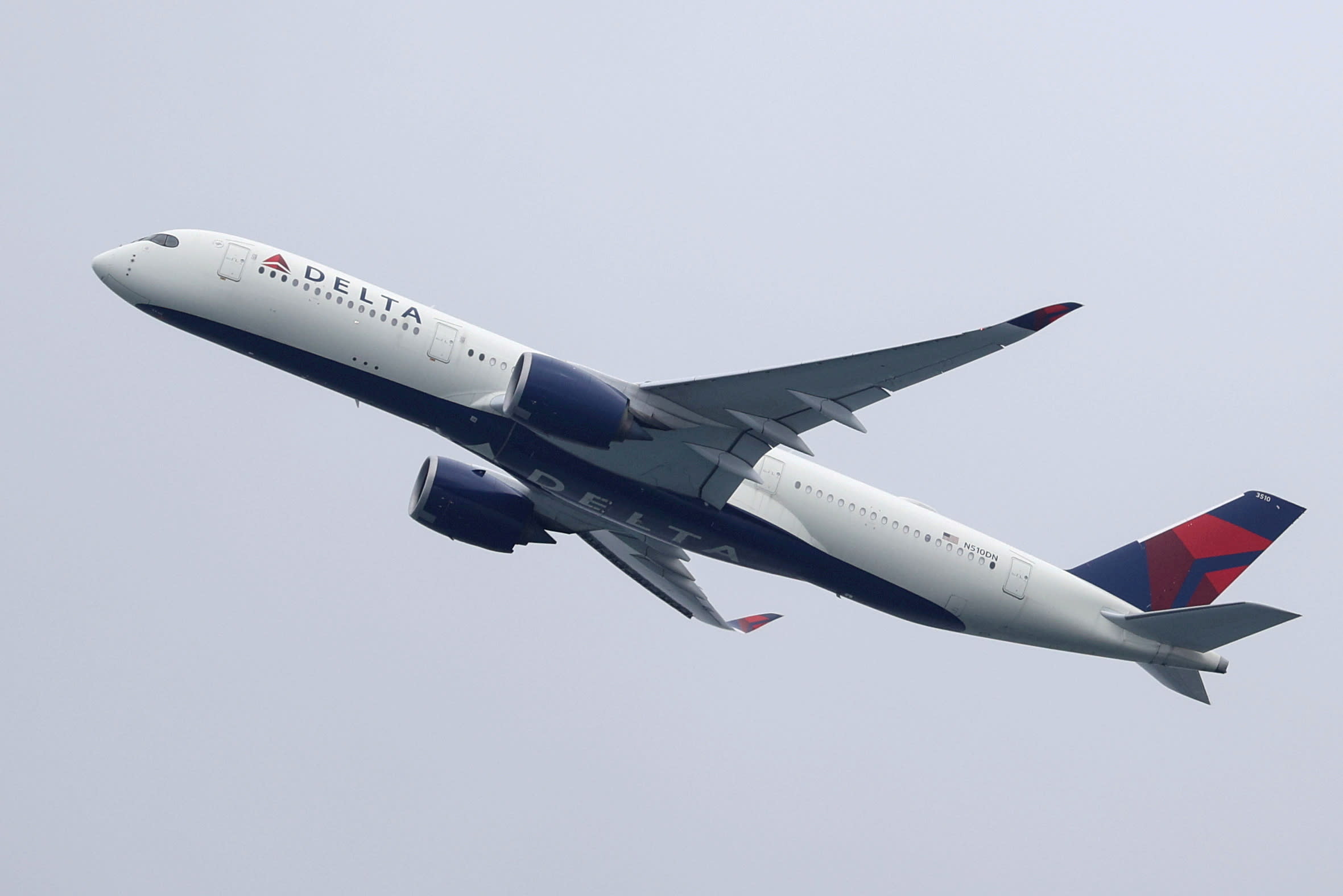
Delta Air Lines Delays Saudi Arabia Launch Due to Airport Security Threats
Delta postpones Atlanta-Riyadh service to March 2027 after deadly Houthi attacks close King Khalid International Airport.

The Paper Launches New Earth Channel to Address Climate Change
The Paper unveils Earth Channel, dedicated to climate reporting and environmental protection through innovative storytelling and visual communication.
China's Countermeasures Against Belize's Minister of Foreign Affairs and Trade
An analysis of China's decision to impose countermeasures against Belize's Minister of Foreign Affairs and Trade, Francis Fonseca, in response to his support for the 'one China' policy.
Latest Articles
- Taiz: The Decisive Battlefield Shaping Yemen's War
- Kalshi Hires Former FBI Agent to Combat Money Laundering Amid Regulatory Scrutiny
- Retailers Streamline Product Offerings to Boost Profitability
- OpenAI Safety Firing: Employees Question Tech Giant's Commitment
- Delta Air Lines Safety Concerns Delay Riyadh Atlanta Flight Launch
- Security Alert: Riyadh Airport Attack & Travel Safety for Chinese Nationals