Tariff Refunds: Why Businesses Get Billions But Consumers Get Nothing
The Supreme Court ruled Trump's tariffs illegal, triggering $160B in refunds—but most goes to corporations, not consumers. Here's why and what it means for you.
Source: NPR
When the Supreme Court struck down a sweeping set of tariffs earlier this year, it set the stage for the largest refund in U.S. customs history—more than $160 billion. But if you're a consumer who paid higher prices because of those tariffs, don't expect a check in the mail. The refunds are flowing to businesses and importers, not the shoppers who ultimately footed the bill. This asymmetry has sparked outrage, class-action lawsuits, and a fundamental question: in a system designed to protect domestic industries, why are corporations the only ones getting their money back?
Key Points
-
The Supreme Court ruling: In February, the Court declared many of President Trump's tariffs illegal, forcing the government to refund over $160 billion collected under those tariffs. The ruling was a landmark check on executive power, but it didn't specify how refunds should be distributed—leaving that to the administration and the courts.
-
Refunds go to importers, not consumers: The government is returning the money to the companies that directly paid the tariffs—typically U.S. importers and businesses. These companies often passed the extra cost to consumers through higher prices, but they are under no legal obligation to share the refunds.
-
Shipping companies are the exception: UPS, FedEx, and DHL have all pledged to pass along refunds to customers. Why? Because they explicitly charged customers tariff fees as line items. As Terence Lau, dean of Syracuse University's law school, notes, keeping the refund would be "a pretty open-and-shut lawsuit against them for unjust enrichment."
-
Retailers are a different story: Most retailers didn't itemize tariff costs—they simply raised prices across the board. This makes it nearly impossible to calculate how much each customer paid in tariffs. As Lau puts it, "It's like the retailer stirred the tax into the batter. So once it's cooked into the cake you can't just back it out ingredient by ingredient."
-
Home Depot's approach: Home Depot received about $730 million in tariff refunds last quarter but told investors it would use the cash to cover rising fuel costs, not to refund customers. The company's CFO said the fuel costs "will fully offset the benefit from tariff refunds over the year."
-
Walmart's price cuts: Walmart, which received most of its eligible $2.9 billion in refunds, plans to use the money to lower prices rather than issue direct refunds. While this benefits consumers, critics argue it's not the same as returning the money.
-
Class-action lawsuits: Costco and Nintendo are facing lawsuits from shoppers demanding refunds. Nintendo has asked the court to dismiss the case, arguing that "plaintiffs received exactly what they paid for: Nintendo products that plaintiffs knowingly and voluntarily purchased at the advertised price."
-
The consumer's dilemma: For individuals like Sandra Alonso, who paid an extra $3,500 on a wheelchair due to tariffs, there's little recourse. She imported it through UPS, so she may get a refund, but most consumers who bought from retailers are out of luck.

Deep Dive Analysis
The tariff refund saga exposes a fundamental flaw in how trade policy impacts everyday people. When tariffs are imposed, they are designed to protect domestic industries by making foreign goods more expensive. But the cost is almost always passed on to consumers in the form of higher prices. When those tariffs are ruled illegal, the government refunds the money to the importers—the same companies that already passed the cost to consumers. This creates a windfall for corporations at the expense of consumers, a transfer that Michael Ettlinger of the Institute on Taxation and Economic Policy calls "a giant transfer from consumers to corporations."
This situation is not just an administrative oversight; it's a structural problem. Tariffs are collected at the border from importers, not from consumers. The government has no direct relationship with the end consumer, making it nearly impossible to issue refunds to individuals. Even if they wanted to, the logistics of tracking every product's tariff component through the supply chain would be a nightmare. As Robert Shapiro, chair of the international trade group at Thompson Coburn, points out, many businesses themselves don't even know if they're paying tariffs—it's just rolled into the price of goods.
The legal and ethical implications are profound. While shipping companies are obligated to return refunds because they itemized tariff fees, retailers face no such obligation. This inconsistency highlights the need for clearer regulations on how tariff costs are disclosed and how refunds should be distributed. Some economists argue that the real sin is the illegal imposition of tariffs in the first place, which caused widespread economic distortion.
Looking ahead, the class-action lawsuits could set precedents. If courts rule in favor of consumers, it might force companies to adopt more transparent pricing models. However, the practical challenges of calculating individual refunds remain. The broader lesson is that trade policy has real, tangible effects on household budgets, and when the government gets it wrong, the burden of correction falls disproportionately on consumers.
As we move forward, policymakers should consider mechanisms to ensure that any future tariff refunds reach the people who actually paid them. This could include requiring importers to certify that they've passed on refunds to consumers or creating a consumer compensation fund. Until then, the $160 billion refund will remain a corporate windfall, leaving consumers to wonder why they're always the last to get their cut.
Frequently Asked Questions
Why are shipping companies refunding customers but retailers aren't? Shipping companies like UPS and FedEx itemized tariff fees on customer invoices, so they have a clear record of what each customer paid. Retailers, on the other hand, absorbed tariff costs into their overall pricing, making it impossible to determine how much each shopper contributed. Legally, shipping companies are obligated to return the money to avoid unjust enrichment, while retailers have no such obligation.
Can I get a refund if I bought a product from a retailer that received tariff refunds? In most cases, no. Unless you have a specific contract or the retailer voluntarily offers a refund, there's no legal mechanism for you to claim a share of the refund. Some companies like Walmart are using refunds to lower prices, which benefits future purchases but doesn't compensate you for past overpayments. Class-action lawsuits are the only current avenue, but they're uncertain and slow.
What should I do if I believe I overpaid due to tariffs? First, check if your purchase was made through a shipping company that itemized tariff fees—if so, you may be eligible for a refund. For retailer purchases, your options are limited. You can participate in class-action lawsuits if one exists, or contact your representatives to advocate for policy changes that would require companies to pass on refunds to consumers. Staying informed about ongoing legal developments is also crucial.


Source: https://www.npr.org/2026/08/28/nx-s1-5946782/businesses-getting-tariff-refunds-why-arent-consumers-getting-their-cut
Related posts
The Paper Launches New Earth Channel to Address Climate Change
The Paper unveils Earth Channel, dedicated to climate reporting and environmental protection through innovative storytelling and visual communication.
China's Countermeasures Against Belize's Minister of Foreign Affairs and Trade
An analysis of China's decision to impose countermeasures against Belize's Minister of Foreign Affairs and Trade, Francis Fonseca, in response to his support for the 'one China' policy.

Taiz: The Decisive Battlefield Shaping Yemen's War
How Taiz has become the strategic linchpin in Yemen's conflict, with its capture potentially reshaping the entire geopolitical landscape.

Kalshi Hires Former FBI Agent to Combat Money Laundering Amid Regulatory Scrutiny
Prediction market platform Kalshi brings in Sean Fern, a former FBI agent, to lead its anti-money laundering efforts as the industry faces increasing regulatory oversight.
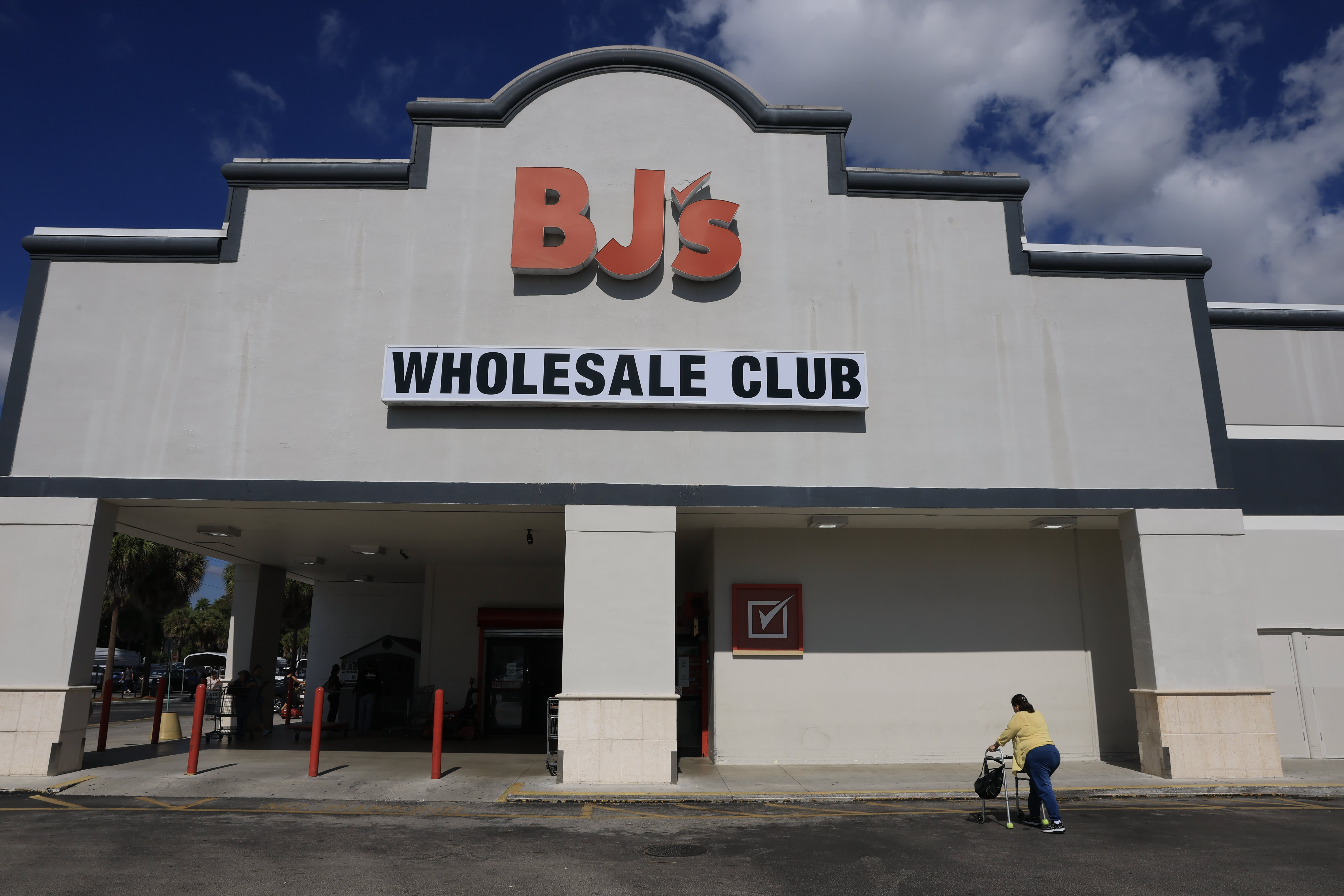
Retailers Streamline Product Offerings to Boost Profitability
Major retailers from BJ's to Lululemon are reducing SKUs to improve margins and stabilize sales amid changing consumer behavior.

OpenAI Safety Firing: Employees Question Tech Giant's Commitment
Former OpenAI staff claim they were fired for whistleblowing on AI safety risks, sparking a major debate about transparency and accountability in the AI industry.
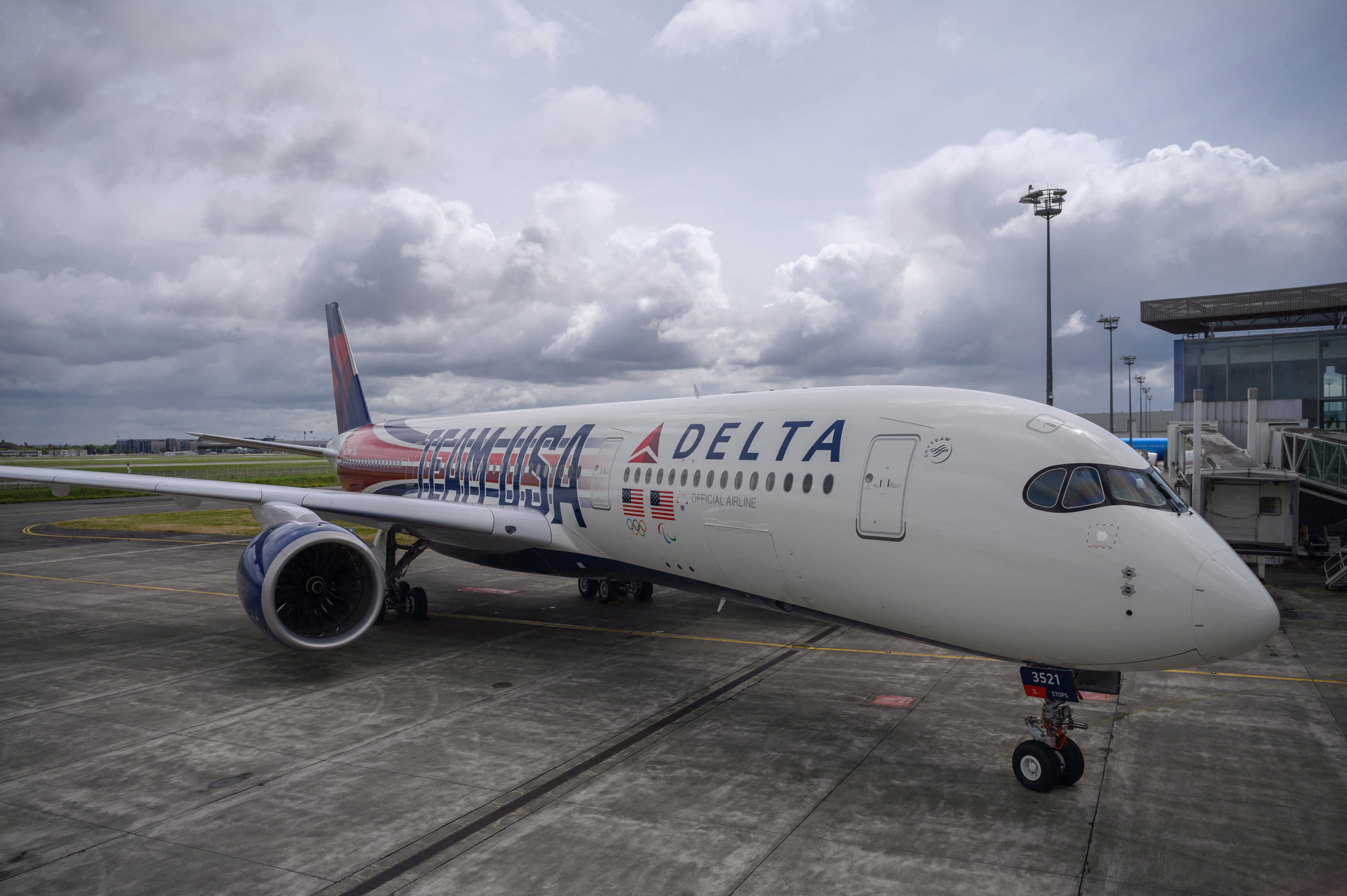
Delta Air Lines Safety Concerns Delay Riyadh Atlanta Flight Launch
Delta CEO Ed Bastian confirms safety is the deciding factor for the new Atlanta to Riyadh route amid escalating Houthi attacks.
Security Alert: Riyadh Airport Attack & Travel Safety for Chinese Nationals
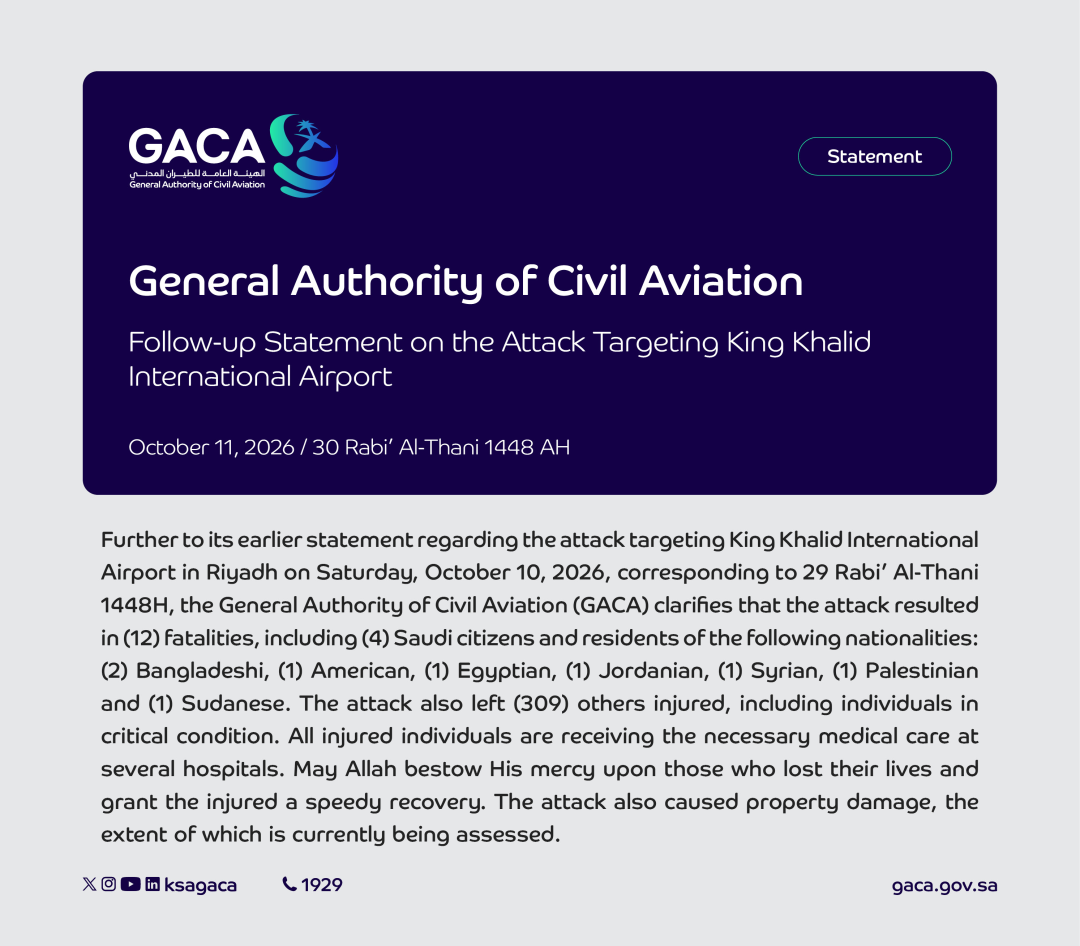
Chinese Embassy in Saudi Arabia confirms Riyadh airport attack with 12 dead and 309 injured. Updated safety guidelines and travel advice for Chinese citizens.
Latest Articles
- Death Row Survivor: Inmate Thanks Medical Team After Execution Failure
- WHO: No Evidence of Sustained Transmission in Russian Lab Worker Pneumonia Death
- UN Chief Condemns US Sanctions on International Criminal Court
- Ukraine Expresses Betrayal Over US-Russia Diesel Deal
- WFP Chief Warns: 'Slow-Burning' Food Crisis as War, Climate, and Supply Chain Disruptions Collide
- Colin Mackerras: Australia's Renowned Sinologist and Bridge Between Nations