Fake Consumer Activism: How 'Song Ge Da Hu' Became a Crime Syndicate
A Chinese influencer's 'product testing' turned into extortion. Learn how authorities are cracking down on online blackmail disguised as consumer rights advocacy.
Source: thepaper.cn
In the digital age, where a single viral video can make or break a brand, the line between legitimate consumer advocacy and malicious extortion has become dangerously blurred. The recent case of 'Song Ge Da Hu' (Brother Song Fights the Tiger), a popular Chinese social media influencer, serves as a stark reminder of how easily online fame can be weaponized for criminal gain. With over a million followers, this self-styled 'product police' was arrested and charged with leading an organized crime ring that extorted hundreds of businesses under the guise of exposing product defects. This incident has sparked a national conversation about the dark side of internet vigilantism and the urgent need for stronger oversight.
Key Points
-
The Arrest and Charges: In late August 2026, the Changchun Public Security Bureau announced the dismantling of a criminal organization led by Shen Mou Song (known online as 'Song Ge Da Hu'). Over 20 individuals were arrested, including key associates Zhang, Wang, and the Zeng brothers. The group is accused of systematic extortion and picking quarrels, targeting more than 100 businesses nationwide since 2023.
-
Modus Operandi: The gang exploited consumer concerns by purchasing products, then threatening to expose 'defects' unless the companies paid them off. This 'protection racket' style of operation was designed to look like legitimate consumer rights enforcement, making it difficult for victims to seek help without fear of public backlash.
-
Part of a Larger Crackdown: This case aligns with China's one-year special campaign against organized crime, which specifically targets 'soft violence' and cyber-enabled extortion. Authorities have noted a shift in criminal tactics from physical intimidation to online harassment, and this case is a prime example of that evolution.
-
Public Reaction is Divided: While many netizens applaud the arrests, some express sympathy for the influencer, citing his past 'exposés' that sometimes uncovered real issues. This division highlights the confusing nature of such 'non-traditional' crimes, where a veneer of justice can mask illegal activities.
-
Past Controversies: 'Song Ge Da Hu' had a history of questionable claims. His 'exposé' of snack brand Liangpinpuzi was officially debunked, and his former collaborator, a blogger known as 'Shadow Doesn't Lie', was arrested earlier for fabricating privacy invasion stories and selling fake anti-spy devices. These incidents had already tarnished his reputation before the latest charges.
-
Legal Implications: The case sends a clear message that using 'counterfeiting' as a pretext for extortion is a serious crime, regardless of any legitimate elements. Legal experts stress that the presence of some genuine findings does not excuse the criminal intent behind the operations.
-
Impact on Businesses: The extortion schemes not only harmed individual businesses financially but also increased compliance costs and disrupted fair market competition. Many small and medium enterprises were particularly vulnerable, often paying hush money to avoid a public relations disaster.
Erosion of Trust: Such fraudulent activities undermine consumer trust in online reviews and product testing. When audiences realize that some 'truth-tellers' are actually predators, they may become skeptical of all online information, making it harder for genuine whistleblowers to be heard.
Deep Analysis
The 'Song Ge Da Hu' case is not an isolated incident but a symptom of a broader societal issue: the commercialization of online influence. In the race for clicks and followers, some influencers have found that 'exposing' companies—regardless of the veracity of their claims—can be a lucrative business model. This phenomenon is not unique to China; globally, we see similar cases of 'clickbait activism' where sensationalism trumps accuracy. However, the scale and organization of this particular ring are notable.
The official classification of the group as an 'organized crime syndicate' marks a significant legal development. It signals that Chinese authorities are willing to use heavy-handed measures to combat cyber harassment and extortion, which have been notoriously difficult to prosecute due to their intangible nature. This case could set a precedent for how other online misconduct is treated, potentially leading to more aggressive enforcement against cyberbullying, doxxing, and other forms of digital abuse.
From a market perspective, this crackdown is likely to have a chilling effect on the 'internet celebrity' economy, where some individuals have built careers on controversial content. Brands may become more cautious in their engagement with influencers, and platforms may tighten their content review policies to avoid being associated with such scandals. This could lead to a more sanitized online environment, but also one where genuine criticism is harder to voice.
Looking ahead, the case underscores the need for clearer legal definitions of 'legitimate consumer rights protection' versus 'extortion'. It also highlights the importance of platform responsibility in verifying the credentials of self-proclaimed 'watchdogs'. As the digital landscape evolves, so too must our legal frameworks and corporate policies to protect both businesses and consumers from predatory behaviors.
Frequently Asked Questions
Q: Can ordinary consumers still report product issues without fear of legal repercussions? A: Absolutely. The law protects consumers who report genuine quality problems in good faith. The key difference is intent: if you seek to resolve a legitimate issue through proper channels, you are exercising your rights. It is only when demands for payment or other benefits are made under the threat of public exposure that it becomes illegal.
Q: How can businesses protect themselves from similar extortion schemes? A: Businesses should maintain transparent communication channels for customer feedback and document all interactions. If threatened with defamation or extortion, they should immediately consult legal counsel and report to authorities. Building a strong brand reputation and engaging with consumers openly can also reduce vulnerability to such attacks.
Q: What role do social media platforms play in preventing these crimes? A: Platforms have a responsibility to monitor content that involves accusations against businesses and to verify the credibility of accounts with large followings. They can implement stricter verification processes for 'consumer rights' advocates and cooperate with law enforcement to remove harmful content. Enhanced reporting mechanisms for businesses and users can also help identify abusive patterns early.
Source: https://www.thepaper.cn/newsDetail_forward_33971896
Related posts

The Paper Launches New Earth Channel to Address Climate Change
The Paper unveils Earth Channel, dedicated to climate reporting and environmental protection through innovative storytelling and visual communication.
China's Countermeasures Against Belize's Minister of Foreign Affairs and Trade
An analysis of China's decision to impose countermeasures against Belize's Minister of Foreign Affairs and Trade, Francis Fonseca, in response to his support for the 'one China' policy.

Taiz: The Decisive Battlefield Shaping Yemen's War
How Taiz has become the strategic linchpin in Yemen's conflict, with its capture potentially reshaping the entire geopolitical landscape.

Kalshi Hires Former FBI Agent to Combat Money Laundering Amid Regulatory Scrutiny
Prediction market platform Kalshi brings in Sean Fern, a former FBI agent, to lead its anti-money laundering efforts as the industry faces increasing regulatory oversight.

Retailers Streamline Product Offerings to Boost Profitability
Major retailers from BJ's to Lululemon are reducing SKUs to improve margins and stabilize sales amid changing consumer behavior.

OpenAI Safety Firing: Employees Question Tech Giant's Commitment
Former OpenAI staff claim they were fired for whistleblowing on AI safety risks, sparking a major debate about transparency and accountability in the AI industry.

Delta Air Lines Safety Concerns Delay Riyadh Atlanta Flight Launch
Delta CEO Ed Bastian confirms safety is the deciding factor for the new Atlanta to Riyadh route amid escalating Houthi attacks.
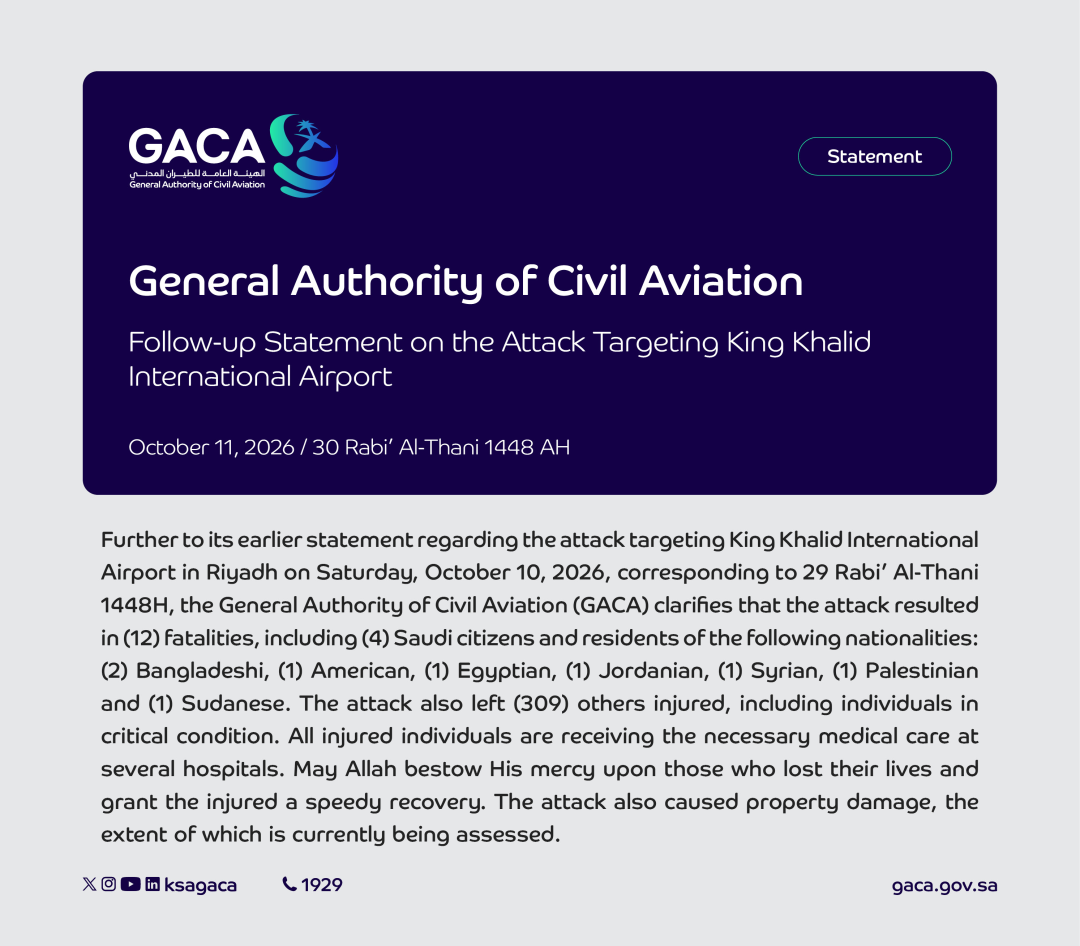
Security Alert: Riyadh Airport Attack & Travel Safety for Chinese Nationals
Chinese Embassy in Saudi Arabia confirms Riyadh airport attack with 12 dead and 309 injured. Updated safety guidelines and travel advice for Chinese citizens.
Latest Articles
- Death Row Survivor: Inmate Thanks Medical Team After Execution Failure
- WHO: No Evidence of Sustained Transmission in Russian Lab Worker Pneumonia Death
- UN Chief Condemns US Sanctions on International Criminal Court
- Ukraine Expresses Betrayal Over US-Russia Diesel Deal
- WFP Chief Warns: 'Slow-Burning' Food Crisis as War, Climate, and Supply Chain Disruptions Collide
- Colin Mackerras: Australia's Renowned Sinologist and Bridge Between Nations