US Economy at Historic Turning Point, China Shows Triple K-Shape Divergence: Economist
Economist Hong Hao discusses US recession risks, AI investment paradox, and China's triple K-shaped divergence in an exclusive interview at the 2026 NetEase Economist Annual Summer Forum.
Source: 163.com
The global economy stands at a crossroads, with the United States facing a potential historic inflection point and China experiencing unprecedented structural divergence. At the 2026 NetEase Economist Annual Summer Forum held in Shenzhen in August, renowned economist Hong Hao, Chief Investment Officer of Lianhua Asset Management, shared his incisive views on these critical issues in an exclusive interview. His analysis challenges conventional wisdom, particularly regarding inflation, market leverage, and the transformative potential of artificial intelligence. As investors navigate an increasingly complex landscape, Hong's insights offer a framework for understanding the forces reshaping the global economy.
Key Takeaways
-
Semiconductor Volatility Far From Over: Hong warns that despite recent turbulence, the semiconductor sector's long-term cycle remains intact, with 5-10 years of dizzying technological progress ahead. However, short-term volatility persists, particularly for Korean giants like SK Hynix and Samsung. Their misleadingly low valuations—single-digit or even 3-4 times earnings—have attracted heavy retail leverage. While institutional derivatives leverage has largely cleared, retail margin balances remain twice the normal level, indicating the deleveraging process is incomplete.
-
Korean Market's Global Ripple Effect: Nearly half of the Korean stock market's weight is concentrated in SK Hynix and Samsung. Their price swings transmit globally through ADRs, affecting the entire semiconductor industry. The Korean market's implied volatility recently approached 100, suggesting a high probability of daily moves of ±6%. Until leverage is fully purged, expect continued wild swings in chip stocks worldwide.
-
The US Policy Paradox: Hong points out a contradiction: Kevin Warsh should be raising interest rates from a policy perspective, but August's employment data showing real job losses in the physical economy stays his hand. Meanwhile, AI investments are projected to reach $1.5 trillion annually, which should boost GDP by nearly 0.5% in a $30 trillion economy. This investment should also convert into household income and consumption through leverage, yet the reality diverges from this expectation.
-
Inflation Risks Are Underestimated: Many market participants see job losses and weak wage growth as signs that inflation is contained, but Hong cautions that inflation uncertainty remains high with both downside and upside pressures. While strategic petroleum reserve releases, reduced Chinese crude purchases, and OPEC production increases suppress oil prices, a sustained conflict in the Strait of Hormuz could quickly spike prices and fuel inflation expectations. Moreover, long-term Treasury yields are rising, with the 30-year yield potentially climbing to 7%, making Hong more concerned about an inflation crisis than the market consensus.
-
US Debt Crisis Looming: Hong offers a stark assessment: US debt service costs have surpassed military, social security, and healthcare spending. With $40 trillion in debt and an average duration of about 7 years, annual interest payments exceed $1 trillion. Historically, when a nation's interest payments exceed its military budget, it signals a decline in national power—as seen in the UK and Denmark. While this turning point won't happen overnight, it is a long-term process that Hong believes we may witness in our lifetime.
China's Triple K-Shape Divergence: Hong identifies three distinct K-shaped patterns in China's economy. First, technology versus non-technology sectors: STAR Market and ChiNext indices hit new highs with robust tech earnings, while real estate investment continues to decline, hurting those who bought property at 2021 peaks. Second, real estate versus non-real estate: new credit is no longer flowing massively into property and infrastructure, a positive long-term shift, but benefits are concentrated in tech, with consumption and other sectors yet to feel the improvement. Third, exchange rate divergence: the real effective exchange rate has been falling since 2022, diverging from the nominal rate, making the yuan one of the most undervalued currencies globally—exports are cheap, imports expensive, and the price gap between domestic and external demand is significant.
AI as an Equalizer: Hong posits that if AI reaches AGI (Artificial General Intelligence), it could serve as a great equalizer. In such a scenario, the division of labor within and between societies becomes less relevant, potentially resolving many real-world problems. This variable, he notes, is unprecedented and could even allow the US to 'self-rescue' before a crisis hits.

In-Depth Analysis
Hong Hao's observations come at a critical juncture. The US economy's potential inflection point is not just about cyclical downturns but a structural shift in its fiscal position. The fact that interest payments exceed military spending—a metric historically associated with imperial decline—underscores the severity of the debt trajectory. However, Hong's caveat about AGI introduces a wildcard: if AI-driven productivity gains materialize before the crisis, the US could avert disaster. This is a novel perspective that merges technological optimism with fiscal realism.
For China, the triple K-shaped divergence reflects a deliberate policy shift away from real estate and infrastructure toward technology and innovation. While this rebalancing is painful in the short term, particularly for those exposed to property, it aligns with long-term strategic goals. The real exchange rate depreciation, though unusual, enhances export competitiveness and could help offset domestic demand weakness. Yet, the benefits have yet to trickle down to consumption, creating a two-speed economy.
The semiconductor volatility, driven by Korean retail leverage, highlights a broader global phenomenon: the retail investor's role in amplifying market swings. Hong's observation that 'people go crazy collectively, then slowly wake up one by one' resonates across markets. It suggests that despite regulatory efforts, investor education alone cannot prevent bubbles. This behavioral reality poses challenges for policymakers and investors alike.
Looking ahead, the interplay between AI investment, inflation, and fiscal sustainability will define the next few years. If AI delivers on its promise, it could boost productivity and ease debt burdens. If not, the US may face a prolonged period of high rates and slow growth. For China, the success of its tech-driven rebalancing will determine whether it can achieve sustainable, high-quality growth. Investors should heed Hong's warnings about leverage and volatility, and adopt a cautious, long-term perspective.
Frequently Asked Questions
Q: What does the 'triple K-shape divergence' mean for ordinary Chinese investors? A: It means that investment outcomes will vary widely depending on the sector. Technology stocks may continue to perform well, while real estate and related assets may lag. Investors should focus on companies with strong fundamentals and growth potential, and be cautious about over-leveraged positions.
Q: Is the US economy heading for a recession, and how should global investors position themselves? A: Hong suggests that the US is at a historical turning point, but the timing is uncertain. Investors should diversify across asset classes and geographies, consider hedging against inflation, and monitor AI-related developments closely, as they could alter the economic trajectory.
Q: How can retail investors assess the valuation of AI companies? A: Hong notes that it's challenging for ordinary investors to make rational judgments through education alone. He advises against following herd behavior and emphasizes the importance of understanding a company's fundamentals, competitive moat, and the sustainability of its growth. However, he also acknowledges that human nature often leads to irrational decisions, so discipline and a long-term perspective are crucial.
Source: https://www.163.com/money/article/L59CNO0800259SCR.html
Related posts
Retailers Streamline Product Offerings to Boost Profitability
Major retailers from BJ's to Lululemon are reducing SKUs to improve margins and stabilize sales amid changing consumer behavior.
OpenAI Safety Firing: Employees Question Tech Giant's Commitment
Former OpenAI staff claim they were fired for whistleblowing on AI safety risks, sparking a major debate about transparency and accountability in the AI industry.
Delta Air Lines Safety Concerns Delay Riyadh Atlanta Flight Launch
Delta CEO Ed Bastian confirms safety is the deciding factor for the new Atlanta to Riyadh route amid escalating Houthi attacks.
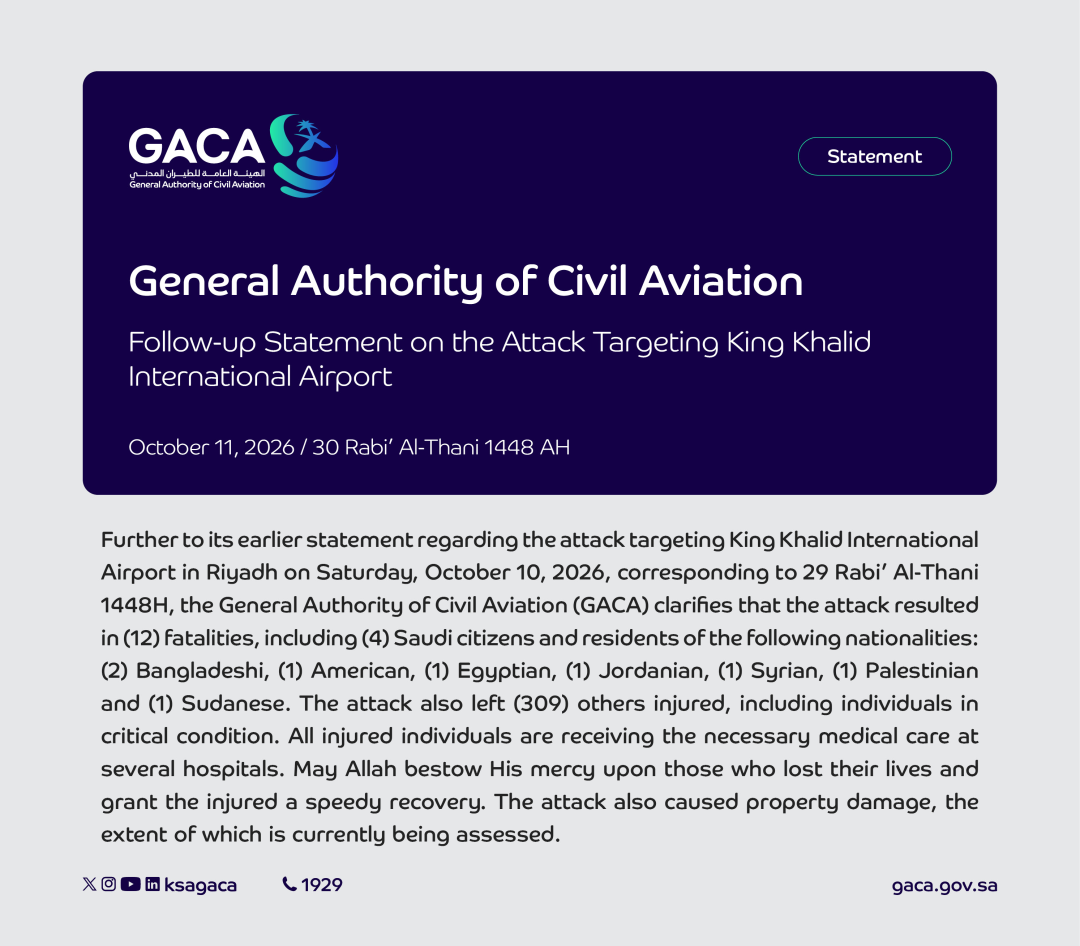
Security Alert: Riyadh Airport Attack & Travel Safety for Chinese Nationals
Chinese Embassy in Saudi Arabia confirms Riyadh airport attack with 12 dead and 309 injured. Updated safety guidelines and travel advice for Chinese citizens.

Death Row Survivor: Inmate Thanks Medical Team After Execution Failure
Christa Pike becomes first person to survive lethal injection execution, now receiving rehabilitation in prison.
WHO: No Evidence of Sustained Transmission in Russian Lab Worker Pneumonia Death
World Health Organization reports no ongoing transmission from fatal pneumonia case at Russian plague research institute, though pathogen remains unidentified.

Kalshi Hires Former FBI Agent to Combat Money Laundering Amid Regulatory Scrutiny
Prediction market platform Kalshi brings in Sean Fern, a former FBI agent, to lead its anti-money laundering efforts as the industry faces increasing regulatory oversight.
UN Chief Condemns US Sanctions on International Criminal Court
UN Secretary-General António Guterres denounces US sanctions on the ICC as a threat to global justice. Major allies like the UK and Germany also criticize the move.
Latest Articles
- Ukraine Expresses Betrayal Over US-Russia Diesel Deal
- WFP Chief Warns: 'Slow-Burning' Food Crisis as War, Climate, and Supply Chain Disruptions Collide
- Colin Mackerras: Australia's Renowned Sinologist and Bridge Between Nations
- EU Parliament Report on China: Diplomatic Response & Future Outlook
- South Korea Successfully Tests First Indigenous Hypersonic Glide Vehicle
- Hurricane Isaias Prepares To Hit Gulf Coast: Oil Industry Evacuates, Refineries At Risk