Taylor Farms and the Hidden Risks of America's Salad Supply Chain
How Taylor Farms became a critical player in U.S. food supply, the cyclospora outbreak, and the dangers of consolidation in the fresh-cut produce industry.
Source: CNBC
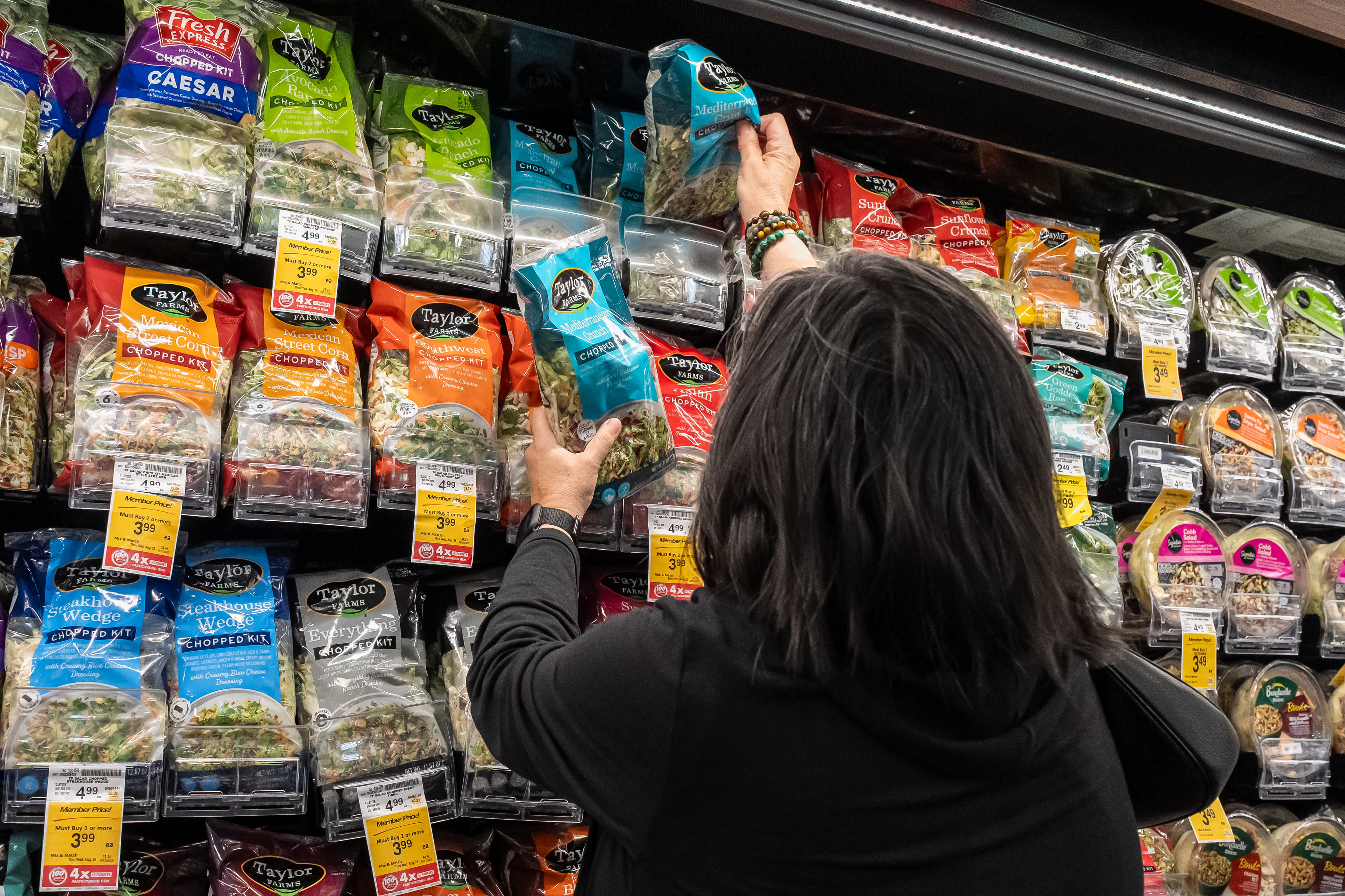
When you grab a bag of salad from your local grocery store, you probably don't think about the complex web of suppliers that brought those greens to your fridge. But recent events have thrust one company—Taylor Farms—into the spotlight, revealing just how interconnected and fragile America's food supply system has become. The largest cyclospora outbreak in U.S. history, linked to lettuce processed by Taylor Farms, has sickened thousands and prompted recalls at major retailers and restaurants. This isn't just a story about contaminated lettuce; it's a wake-up call about the risks of consolidation in the food industry, where a single point of failure can ripple across the entire nation.
Key Points
-
Taylor Farms is a salad giant: The company supplies 40% of salad kits sold in U.S. grocery stores, according to its own claims. Its products are found at Walmart, Kroger, Whole Foods, and Target, and it serves restaurant chains like McDonald's, Taco Bell, and Chipotle. This scale makes it a linchpin of the fresh-cut produce market.
-
The cyclospora outbreak: The FDA has linked the current outbreak to iceberg lettuce processed at Taylor Farms' facility in central Mexico. Some of that lettuce was served at Taco Bell restaurants, leading to lettuce removal and recalls of bagged salads at Walmart. The outbreak has sickened thousands across multiple states, making it the largest in U.S. history.
-
Vertical integration and acquisitions: Founded in 1995, Taylor Farms has grown through acquisitions and investments, including Earthbound Farm in 2019 and agricultural robotics company Farmwise in 2025. It handles everything from sourcing to processing, packaging, and distribution, making it an indispensable link between farms and major food companies.
-
Food safety investments: Taylor Farms says it spends over $200 million annually on food safety, calling it its "biggest area of funding by several orders of magnitude." In response to the outbreak, it voluntarily suspended sourcing and production of iceberg lettuce from central Mexico and commissioned independent experts to review its food safety practices.
-
History of outbreaks: This isn't the first time Taylor Farms has been linked to foodborne illness. Food safety lawyer Bill Marler compiled a list including a 2009 salmonella outbreak from shredded lettuce and a 2024 E. coli outbreak tied to slivered onions served at McDonald's. Marler Clark has already filed five lawsuits related to the current cyclospora outbreak.
-
Regulatory scrutiny and political influence: Taylor Farms has made political donations, including $1 million to a pro-Trump super PAC, and has spent millions on lobbying against regulations. Critics like Marion Nestle argue that such influence could lead to weaker oversight, especially as the industry consolidates.
In-Depth Analysis
The cyclospora outbreak is more than a public health crisis—it's a case study in the unintended consequences of industrial consolidation. Taylor Farms' success lies in its ability to provide consistent, convenient, and affordable produce to massive buyers. Restaurant consultant Stephen Zagor points out that chains prefer dealing with a major multinational than with local farmers because it simplifies supply chains and reduces labor costs. But this convenience comes at a price: when one supplier dominates, a single contamination event can affect millions of consumers simultaneously. Zagor calls it a "culinary national nightmare" when a company distributing food to so many others becomes the epicenter of an outbreak.
The FDA's difficulty in tracing the source of cyclospora highlights another vulnerability: the long lag between contamination and symptom onset, combined with the short shelf life of lettuce, makes it nearly impossible to test the exact crop that caused the illness. This means that by the time an outbreak is detected, the contaminated products have already been consumed, and the source may be gone. This underscores the need for better traceability systems, yet the industry has resisted stricter regulations. The Trump administration delayed a rule related to food tracing requirements, a move that critics link to industry lobbying.
Looking ahead, the outbreak could prompt a reevaluation of how food safety is managed in a consolidated industry. While Taylor Farms has taken steps to address the issue, the fundamental structure remains unchanged: a few giant suppliers control a significant portion of the fresh-cut produce market. If consumers and regulators demand more transparency and accountability, we may see increased pressure on companies like Taylor Farms to adopt more robust safety protocols and for government agencies to strengthen oversight. However, as Nestle notes, companies want to produce food as cheaply as possible, and that means oversight is essential. The question is whether the political will exists to enforce it.
Frequently Asked Questions
Q: How did Taylor Farms become so dominant in the salad market? A: Taylor Farms grew through a combination of scale and strategic acquisitions. By building an infrastructure that spans the entire supply chain—from sourcing to distribution—it has made itself indispensable to major retailers and restaurant chains that value consistency and efficiency over dealing with multiple local suppliers.
Q: Is it safe to eat bagged salads now? A: The FDA and Taylor Farms have taken steps to address the outbreak, including suspending sourcing from the affected region and recalling potentially contaminated products. However, consumers should stay informed about recalls and follow food safety guidelines, such as washing produce thoroughly and checking for any official advisories.
Q: What can be done to prevent future outbreaks? A: Experts suggest that stronger regulatory oversight, improved traceability systems, and more diversified supply chains could help. Consumers can also support local and smaller-scale producers, but ultimately, systemic changes are needed to ensure that consolidation doesn't compromise food safety.
Source: https://www.cnbc.com/2026/08/28/how-taylor-farms-became-integral-to-americas-food-supply-system.html
Related posts

FAA warns U.S. airlines of safety risks over Saudi Arabia after attacks
FAA warns U.S. airlines of safety risks over Saudi Arabia after attacks. FAA warns U.S. airlines of safety risks over Saudi Arabia after attacks. FAA warns U.S. airlines of safety risks over Saudi Arabia after attacks.
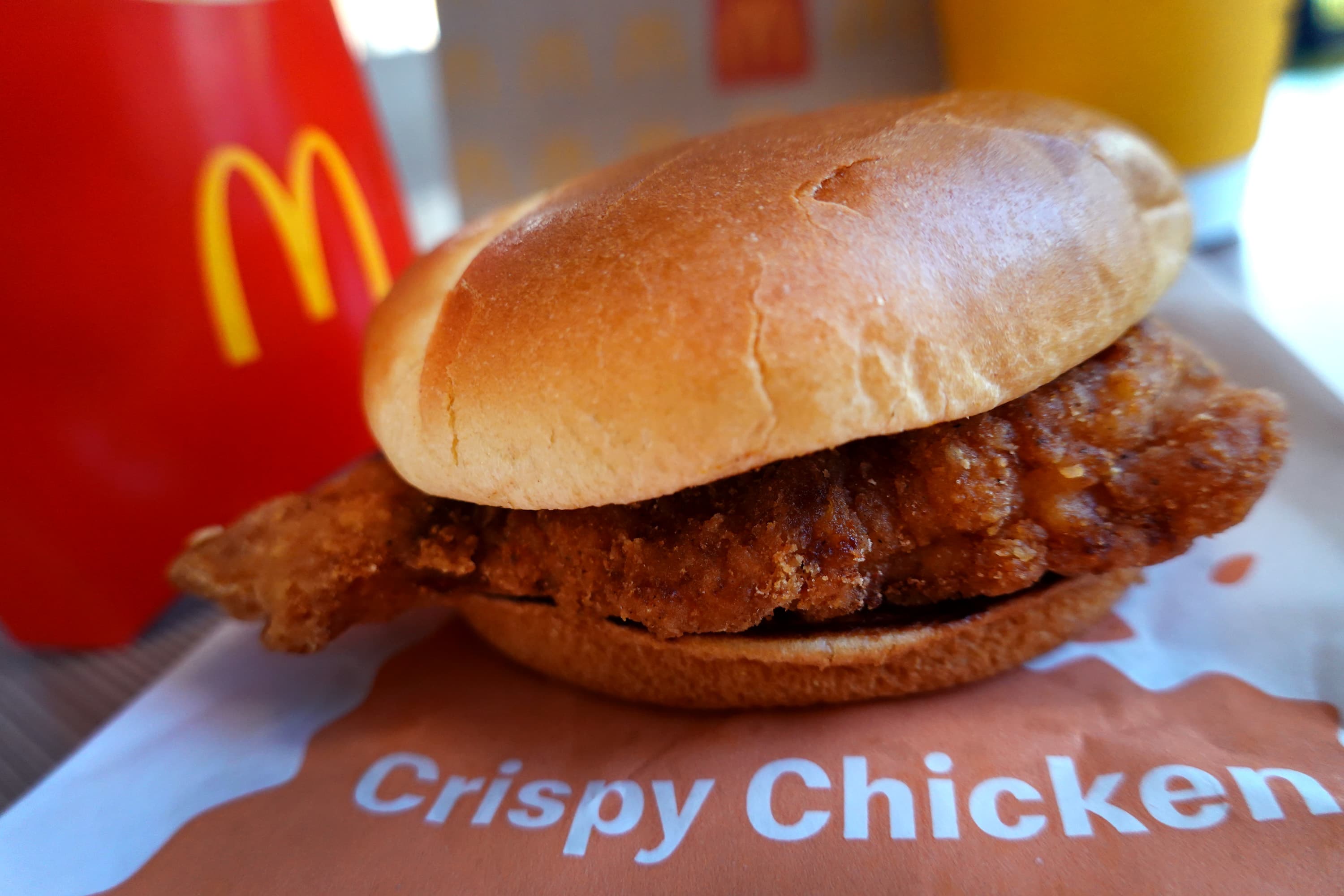
McDonald's Chicken and Beverage Strategy Faces Intense Competition
As McDonald's bets on chicken and beverages for growth, new data shows stiff competition from specialized chains in these categories.
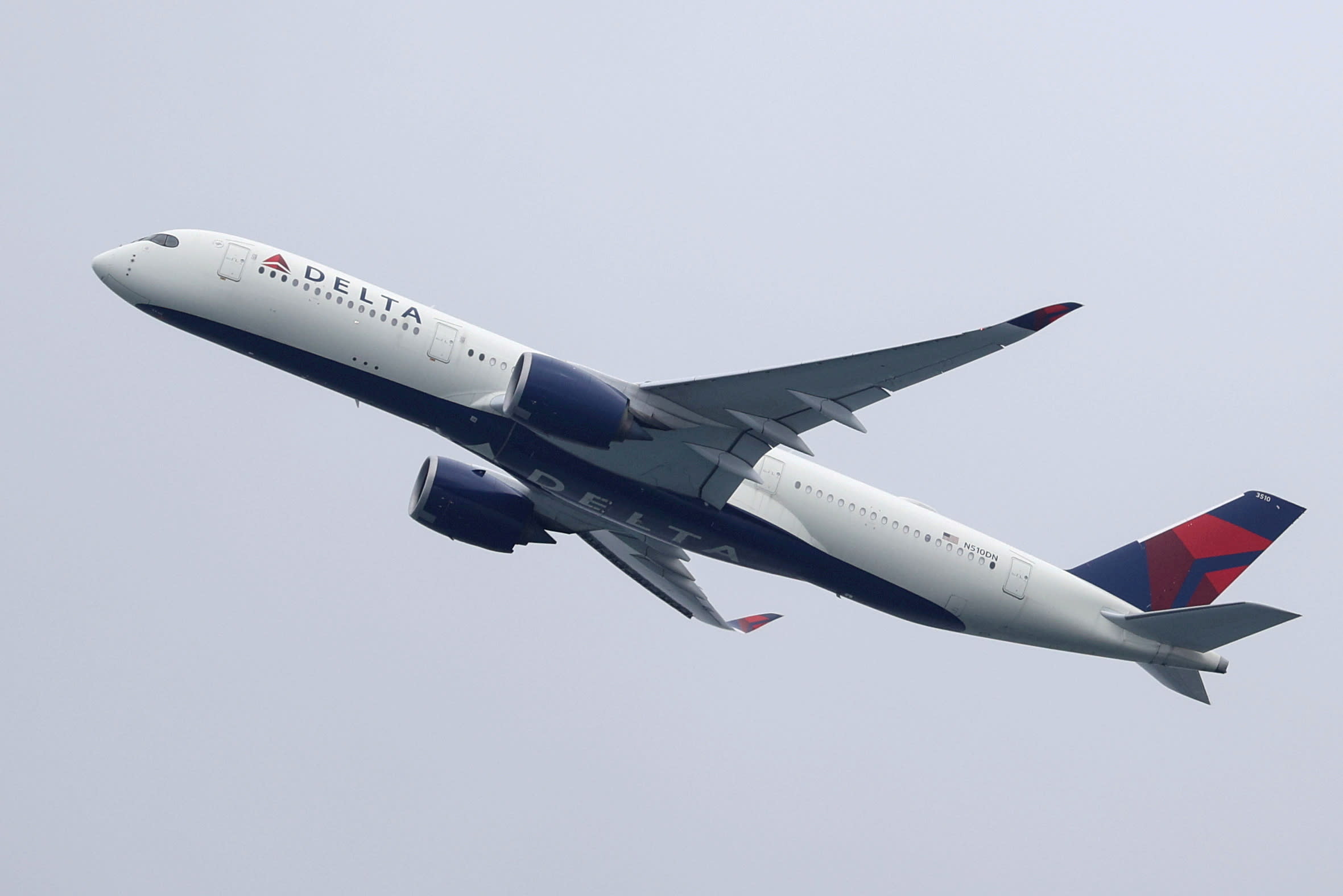
Delta Air Lines Delays Saudi Arabia Launch Due to Airport Security Threats
Delta postpones Atlanta-Riyadh service to March 2027 after deadly Houthi attacks close King Khalid International Airport.

The Paper Launches New Earth Channel to Address Climate Change
The Paper unveils Earth Channel, dedicated to climate reporting and environmental protection through innovative storytelling and visual communication.
China's Countermeasures Against Belize's Minister of Foreign Affairs and Trade
An analysis of China's decision to impose countermeasures against Belize's Minister of Foreign Affairs and Trade, Francis Fonseca, in response to his support for the 'one China' policy.

Taiz: The Decisive Battlefield Shaping Yemen's War
How Taiz has become the strategic linchpin in Yemen's conflict, with its capture potentially reshaping the entire geopolitical landscape.

Kalshi Hires Former FBI Agent to Combat Money Laundering Amid Regulatory Scrutiny
Prediction market platform Kalshi brings in Sean Fern, a former FBI agent, to lead its anti-money laundering efforts as the industry faces increasing regulatory oversight.
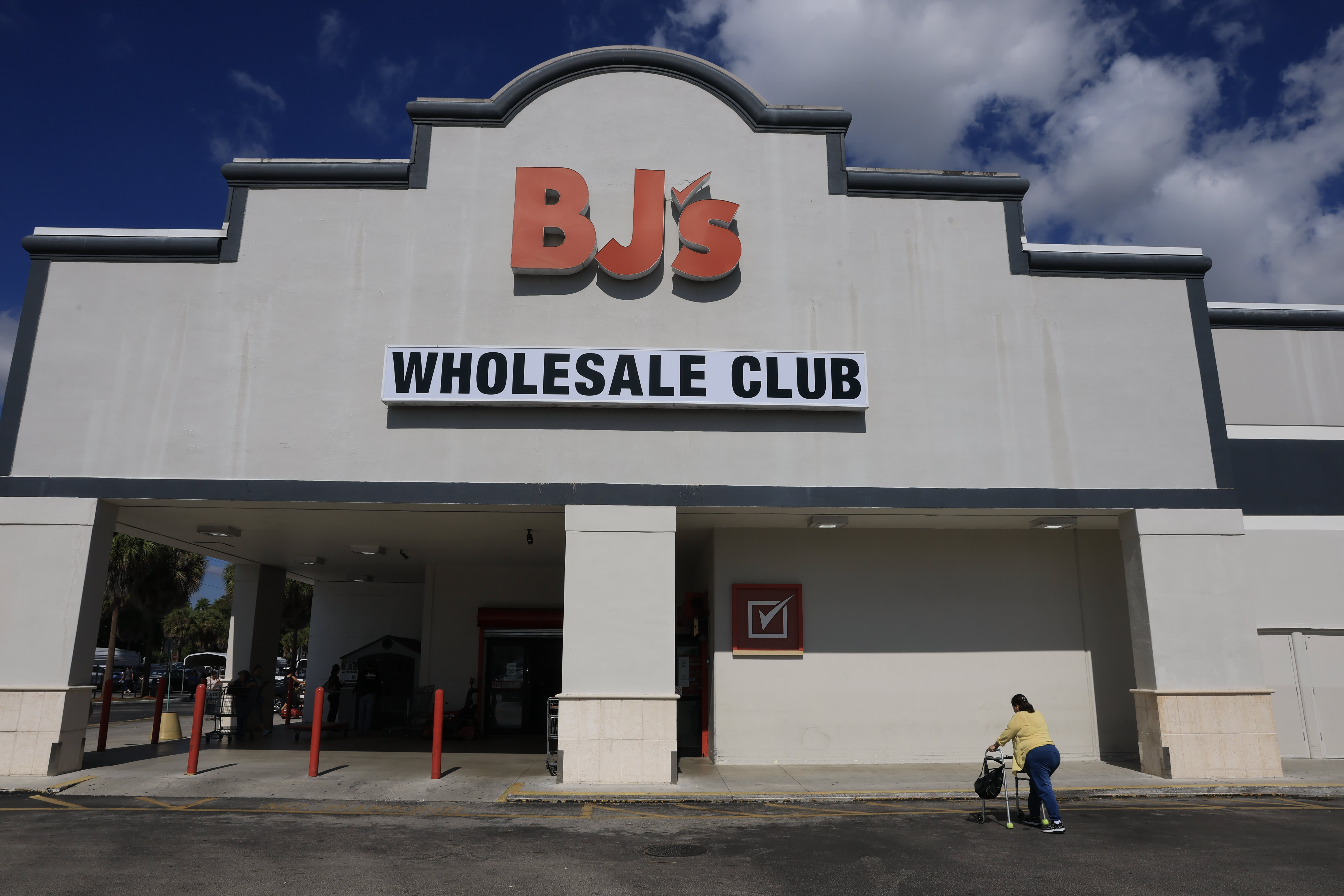
Retailers Streamline Product Offerings to Boost Profitability
Major retailers from BJ's to Lululemon are reducing SKUs to improve margins and stabilize sales amid changing consumer behavior.
Latest Articles
- OpenAI Safety Firing: Employees Question Tech Giant's Commitment
- Delta Air Lines Safety Concerns Delay Riyadh Atlanta Flight Launch
- Security Alert: Riyadh Airport Attack & Travel Safety for Chinese Nationals
- Death Row Survivor: Inmate Thanks Medical Team After Execution Failure
- WHO: No Evidence of Sustained Transmission in Russian Lab Worker Pneumonia Death
- UN Chief Condemns US Sanctions on International Criminal Court