Gold, Bitcoin Plunge as Fed's Warsh Signals Hawkish Shift
Gold and Bitcoin tumbled after Fed Chair Warsh's hawkish remarks, with rate hike odds soaring. Our analysis covers market impact and what's next.
Source: 163.com
Global markets were rattled in the early hours of August 29 as a hawkish surprise from the new Federal Reserve Chair, Kevin Warsh, triggered a sharp sell-off across precious metals and cryptocurrencies. Gold plunged nearly 3%, Bitcoin dropped over 3%, and more than 96,000 traders were liquidated in a single day. This sudden shift in monetary policy expectations has sent shockwaves through risk assets, raising the question: is this the beginning of a broader correction, or a temporary hiccup in a resilient bull market?
Key Takeaways
- Gold's Steep Decline: Spot gold fell 2.95% to $4,453.67 per ounce, erasing earlier gains of nearly 1%. Silver dropped 4.16% to $66.33. This marks one of the worst single-day performances for the precious metal in recent months, as higher rate expectations diminish the appeal of non-yielding assets.
- Cryptocurrency Bloodbath: Bitcoin and Ethereum both shed over 3%, while altcoins like SOL, HYPE, XRP, and Dogecoin fell more than 4%. According to CoinGlass, 96,839 traders were liquidated in the last 24 hours, with total liquidations reaching $474 million. This highlights the extreme leverage and volatility in the crypto market.
- Treasury Yields Surge: The two-year Treasury yield, highly sensitive to Fed policy, jumped over 10 basis points to 4.356%, its highest in a month. The 10-year yield also climbed to 4.722%. This sharp rise reflects traders pricing in a higher probability of rate hikes.
- Rate Hike Odds Soar: Interest rate futures now show a 60% chance of a September rate hike, up from just 35% before Warsh's speech. This dramatic repricing underscores the market's sensitivity to any hawkish signals from the Fed.
- Stock Market Under Pressure: US stocks reversed gains to close lower, with the Dow down 0.02%, S&P 500 down 0.25%, and Nasdaq down 0.52%. Chip stocks were hit hardest, with the Philadelphia Semiconductor Index falling 3.47%.
- Tech Giants Mixed: While Amazon surged nearly 4% and Apple, Google, Microsoft, and Meta each gained over 1%, Nvidia fell over 4%, and Tesla dropped over 1%. This divergence highlights the rotation away from growth stocks that are sensitive to higher discount rates.
- Marvell Technology's Plunge: Marvell Technology, a high-flying optical communication stock, crashed over 10% amid concerns about the timing of revenue from its AI chip deal with Google, despite raising its 2027 revenue outlook. This shows the fragility of AI-related valuations.
Deep Dive Analysis
Warsh's hawkish pivot is a seismic shift in Fed policy, marking a departure from the previous administration's dovish stance. His insistence on achieving the 2% inflation target "clearly and quickly" suggests a willingness to raise rates even if it risks economic slowdown. According to Bloomberg, this was the most hawkish speech since 2009, surpassing even Powell's Jackson Hole addresses in 2022 and 2023.
The market reaction was swift and brutal. The two-year Treasury yield's surge indicates that traders are now pricing in multiple rate hikes by mid-2027. This has profound implications for asset valuations: higher rates increase the opportunity cost of holding non-yielding assets like gold and silver, and they compress the present value of future earnings for growth stocks, particularly in the tech sector.
However, the real question is whether the Fed will follow through. Warsh has given clear direction but no specific timeline. Economists are split: some, like Stephen Stanley, believe a September hike is highly likely unless economic data dramatically deteriorates. Others, like Capital Economics, caution that a hike is not a done deal, but Warsh is at least signaling his readiness.
This uncertainty creates a challenging environment for investors. The AI-driven rally in stocks, particularly in semiconductor and optical communication names, is now vulnerable to higher discount rates. Marvell's 10% drop is a warning sign that even companies with strong AI narratives are not immune to valuation compression.
Looking ahead, the market will be closely watching upcoming economic data, especially inflation reports and employment figures. If inflation remains sticky, the Fed may be forced to act, leading to further volatility. Conversely, if data weakens, the rate hike expectations could fade, offering a potential rebound in gold and crypto.
For investors, this is a time for caution. Diversification and risk management are crucial. The days of easy money are over, and the new Fed regime demands a more disciplined approach to asset allocation.
Frequently Asked Questions
Why did gold and Bitcoin drop after Warsh's speech? Gold and Bitcoin are non-yielding assets, meaning they don't pay interest or dividends. When the Fed signals higher interest rates, the opportunity cost of holding these assets increases, making them less attractive compared to yield-bearing investments. Additionally, higher rates strengthen the US dollar, which typically pressures commodity prices and crypto.
Will the Fed actually raise rates in September? It's not guaranteed. While market odds have jumped to 60%, the Fed will depend on upcoming economic data. If inflation shows signs of cooling or growth weakens significantly, the Fed might hold off. However, Warsh's hawkish tone suggests he is prepared to act if necessary.
How should investors position themselves in this environment? Investors should consider reducing exposure to high-valuation growth stocks and non-yielding assets like gold and crypto in the short term. Diversifying into value stocks, dividend-paying equities, and short-duration bonds could provide more stability. Keeping some cash reserves to take advantage of potential dips is also prudent.
Source: https://www.163.com/dy/article/L5G08G3T0519JFL1.html
Related posts

US Lawmaker: AI Transcends Borders, Urging US-China Cooperation
Washington State Representative Roger Goodman emphasizes that AI risks don't recognize national boundaries, calling for enhanced US-China collaboration to ensure AI benefits humanity.
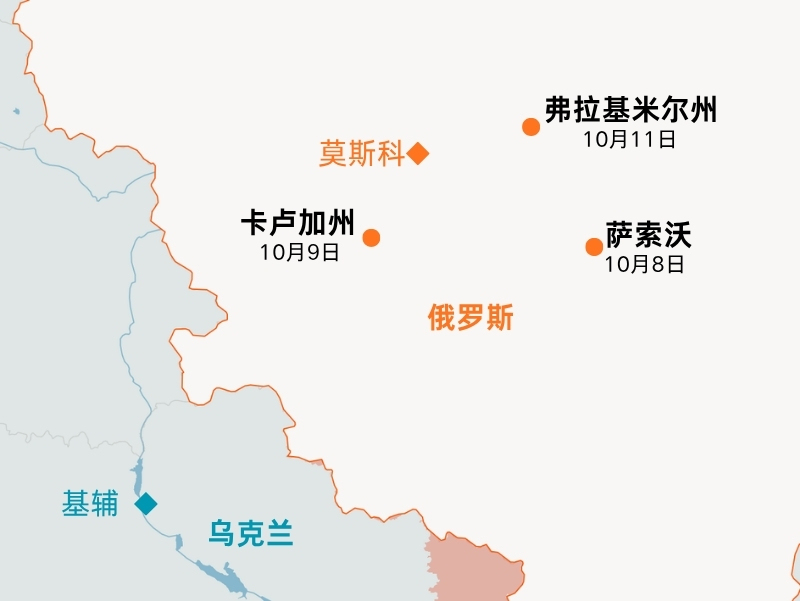
Ukraine Claims Drone Attacks Reduced Russian Online Propaganda
President Zelensky asserts that strikes on Yandex data centers decreased social media bots, though experts question the causal link.
Saudi Crown Prince's Evacuation: Escalating Conflict Threatens Vision 2030
Saudi Arabia faces a critical security crisis as Houthi attacks intensify, forcing the Crown Prince to relocate to fortified bunkers and jeopardizing major economic initiatives.

FAA warns U.S. airlines of safety risks over Saudi Arabia after attacks
FAA warns U.S. airlines of safety risks over Saudi Arabia after attacks. FAA warns U.S. airlines of safety risks over Saudi Arabia after attacks. FAA warns U.S. airlines of safety risks over Saudi Arabia after attacks.
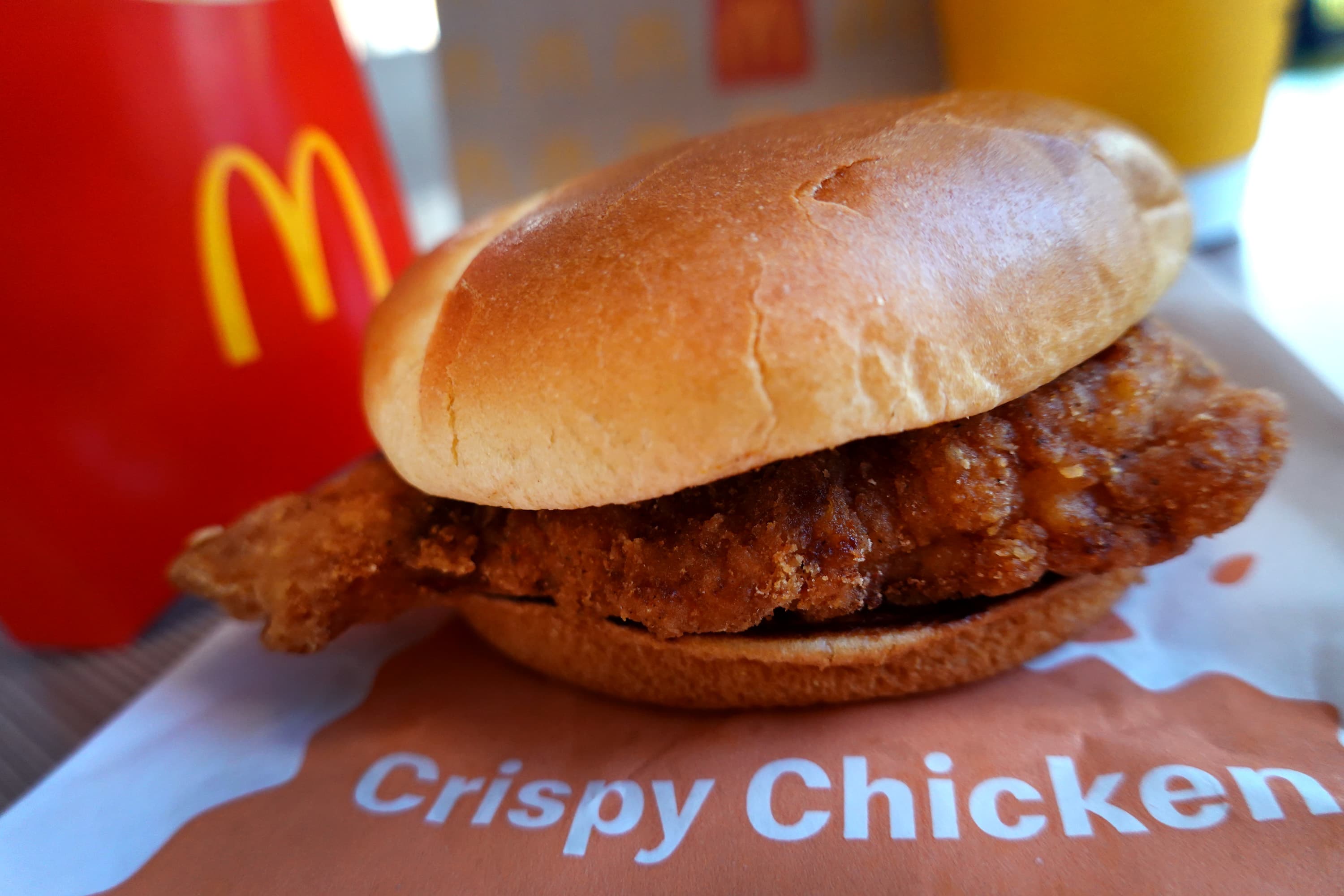
McDonald's Chicken and Beverage Strategy Faces Intense Competition
As McDonald's bets on chicken and beverages for growth, new data shows stiff competition from specialized chains in these categories.
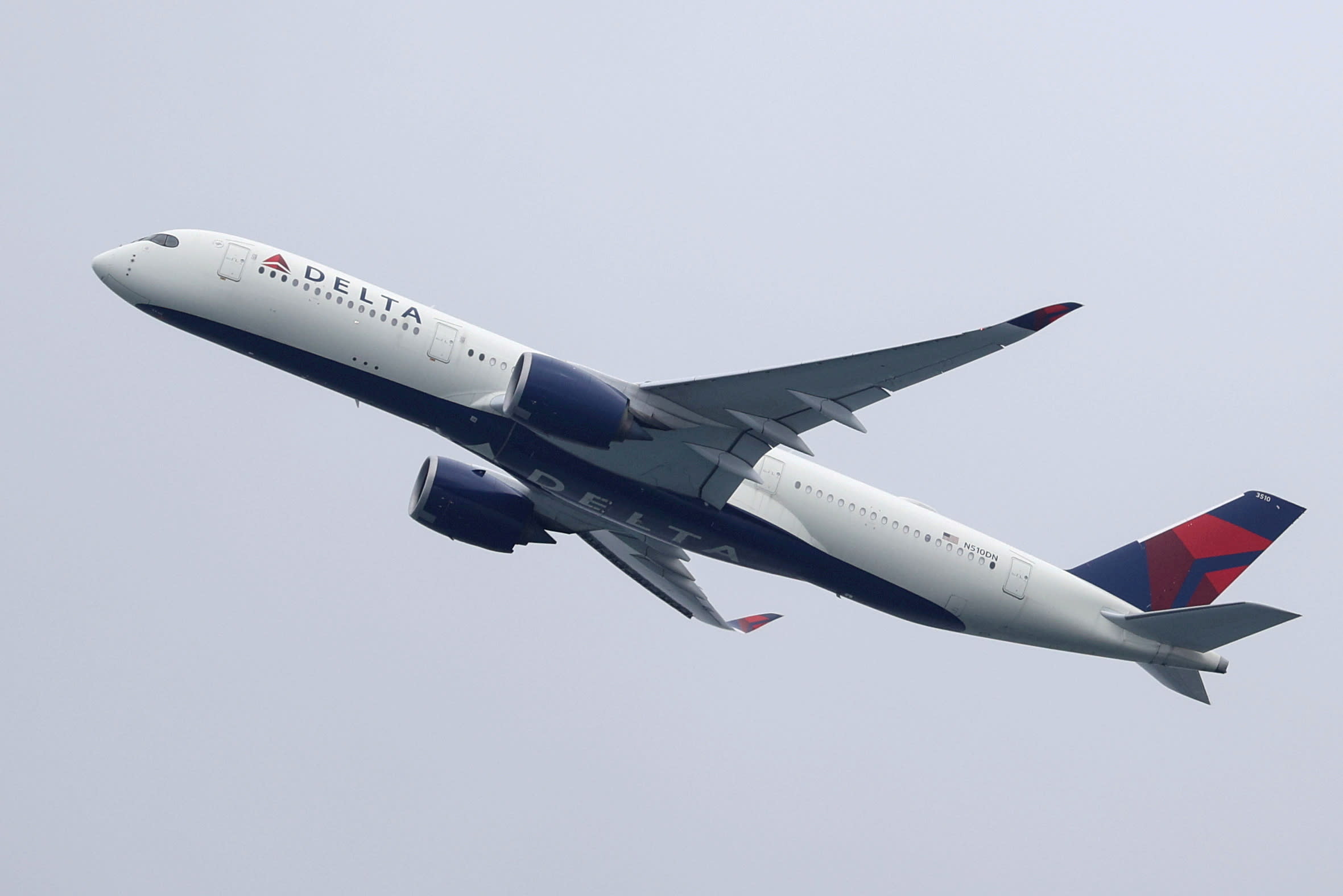
Delta Air Lines Delays Saudi Arabia Launch Due to Airport Security Threats
Delta postpones Atlanta-Riyadh service to March 2027 after deadly Houthi attacks close King Khalid International Airport.

The Paper Launches New Earth Channel to Address Climate Change
The Paper unveils Earth Channel, dedicated to climate reporting and environmental protection through innovative storytelling and visual communication.
China's Countermeasures Against Belize's Minister of Foreign Affairs and Trade
An analysis of China's decision to impose countermeasures against Belize's Minister of Foreign Affairs and Trade, Francis Fonseca, in response to his support for the 'one China' policy.
Latest Articles
- Taiz: The Decisive Battlefield Shaping Yemen's War
- Kalshi Hires Former FBI Agent to Combat Money Laundering Amid Regulatory Scrutiny
- Retailers Streamline Product Offerings to Boost Profitability
- OpenAI Safety Firing: Employees Question Tech Giant's Commitment
- Delta Air Lines Safety Concerns Delay Riyadh Atlanta Flight Launch
- Security Alert: Riyadh Airport Attack & Travel Safety for Chinese Nationals