Official WeChat Account Returns After 5-Year Hiatus: What It Means for Government Communication
A Chinese government WeChat account resumed posting after a 5-year silence due to admin changes. Explore the implications for digital governance and public engagement.
Source: thepaper.cn
In an era where digital presence is synonymous with accessibility, a five-year silence from a government social media account is almost unthinkable. Yet, that's exactly what happened with the 'Echeng Zhengxie' (Echeng CPPCC) official WeChat account in Hubei Province, China. After going dormant in July 2021, the account suddenly sprang back to life in August 2026, sparking curiosity and debate about the state of government communication in the digital age. This unexpected revival isn't just a minor administrative blip—it's a window into the challenges and evolving strategies of public institutions navigating the fast-paced world of social media.
Key Takeaways
-
Five-Year Hiatus Explained: The account's prolonged silence was attributed to an administrator's job transfer, which left the account inaccessible. This highlights a critical vulnerability in single-point administrative dependencies within government digital operations.
-
Public Apology and Commitment: The Echeng District CPPCC office issued a formal apology, acknowledging the inconvenience and pledging to resume regular updates. This move underscores the importance of accountability in public communication.
-
Content Strategy Shift: The revived account promises to share CPPCC activities, member profiles, and civic education content. This indicates a deliberate effort to engage citizens beyond mere announcements, fostering a more interactive relationship.
-
Alternative Communication Channels: During the hiatus, the CPPCC continued to disseminate information through the municipal WeChat account, official website, and local media. This multi-platform approach mitigated the impact of the dormant account but also revealed a lack of redundancy.
-
Public Reaction and Scrutiny: The sudden reactivation drew media attention and public curiosity, reflecting growing expectations for transparency and consistency in government social media presence.
-
Broader Trend: This incident is not isolated. Many government agencies worldwide struggle with maintaining active social media accounts due to staff turnover, technical issues, or shifting priorities. It raises questions about institutional memory and continuity in digital governance.
In-Depth Analysis
The resurrection of the Echeng CPPCC WeChat account serves as a microcosm of the broader challenges facing government entities in the digital sphere. At its core, the five-year silence was a failure of institutional resilience—a single administrator's departure crippled the account, exposing a lack of contingency planning. This is a common pitfall in many organizations, but for public institutions, the stakes are higher: citizens rely on these platforms for timely information and civic engagement.
From a communication strategy perspective, the incident reveals a reactive rather than proactive approach. The apology and promise of regular updates came only after public scrutiny, suggesting that the institution may not have prioritized its digital presence until it became a reputational issue. This is a missed opportunity for proactive engagement, especially in an era where social media is a primary news source for many.
Looking ahead, this case could prompt other government agencies to audit their own digital assets. Are there accounts lying dormant due to similar administrative oversights? What protocols exist for transferring account credentials during staff changes? These are practical questions that need addressing. Moreover, the revival could signal a new wave of digital revitalization among local governments in China, as they seek to rebuild trust and relevance in a crowded online landscape.
The strategic implication is clear: digital governance must be institutionalized, not dependent on individuals. This means establishing clear procedures for account management, content calendars, and emergency protocols. It also means viewing social media not as an optional add-on but as a core component of public service delivery. As citizens increasingly expect real-time updates and interactive communication, government agencies must adapt or risk becoming irrelevant.
Frequently Asked Questions
Why did the Echeng CPPCC WeChat account stop updating for five years? The account became inaccessible after the administrator in charge was transferred to another position, and no one else had the login credentials. This administrative hiccup, combined with a lack of oversight, led to the prolonged silence.
What kind of content will the account share now that it's back? According to the official statement, the account will regularly post updates on CPPCC activities, profiles of committee members, and educational content about the CPPCC's role. The goal is to enhance transparency and public engagement.
Does this incident reflect a wider problem in Chinese government social media management? While not necessarily widespread, this case highlights potential vulnerabilities in single-point dependencies. It serves as a reminder for all government agencies to implement robust digital governance frameworks to ensure continuity and reliability.
Source: https://www.thepaper.cn/newsDetail_forward_33972449
Related posts

The Paper Launches New Earth Channel to Address Climate Change
The Paper unveils Earth Channel, dedicated to climate reporting and environmental protection through innovative storytelling and visual communication.
China's Countermeasures Against Belize's Minister of Foreign Affairs and Trade
An analysis of China's decision to impose countermeasures against Belize's Minister of Foreign Affairs and Trade, Francis Fonseca, in response to his support for the 'one China' policy.

Taiz: The Decisive Battlefield Shaping Yemen's War
How Taiz has become the strategic linchpin in Yemen's conflict, with its capture potentially reshaping the entire geopolitical landscape.

Kalshi Hires Former FBI Agent to Combat Money Laundering Amid Regulatory Scrutiny
Prediction market platform Kalshi brings in Sean Fern, a former FBI agent, to lead its anti-money laundering efforts as the industry faces increasing regulatory oversight.

Retailers Streamline Product Offerings to Boost Profitability
Major retailers from BJ's to Lululemon are reducing SKUs to improve margins and stabilize sales amid changing consumer behavior.

OpenAI Safety Firing: Employees Question Tech Giant's Commitment
Former OpenAI staff claim they were fired for whistleblowing on AI safety risks, sparking a major debate about transparency and accountability in the AI industry.

Delta Air Lines Safety Concerns Delay Riyadh Atlanta Flight Launch
Delta CEO Ed Bastian confirms safety is the deciding factor for the new Atlanta to Riyadh route amid escalating Houthi attacks.
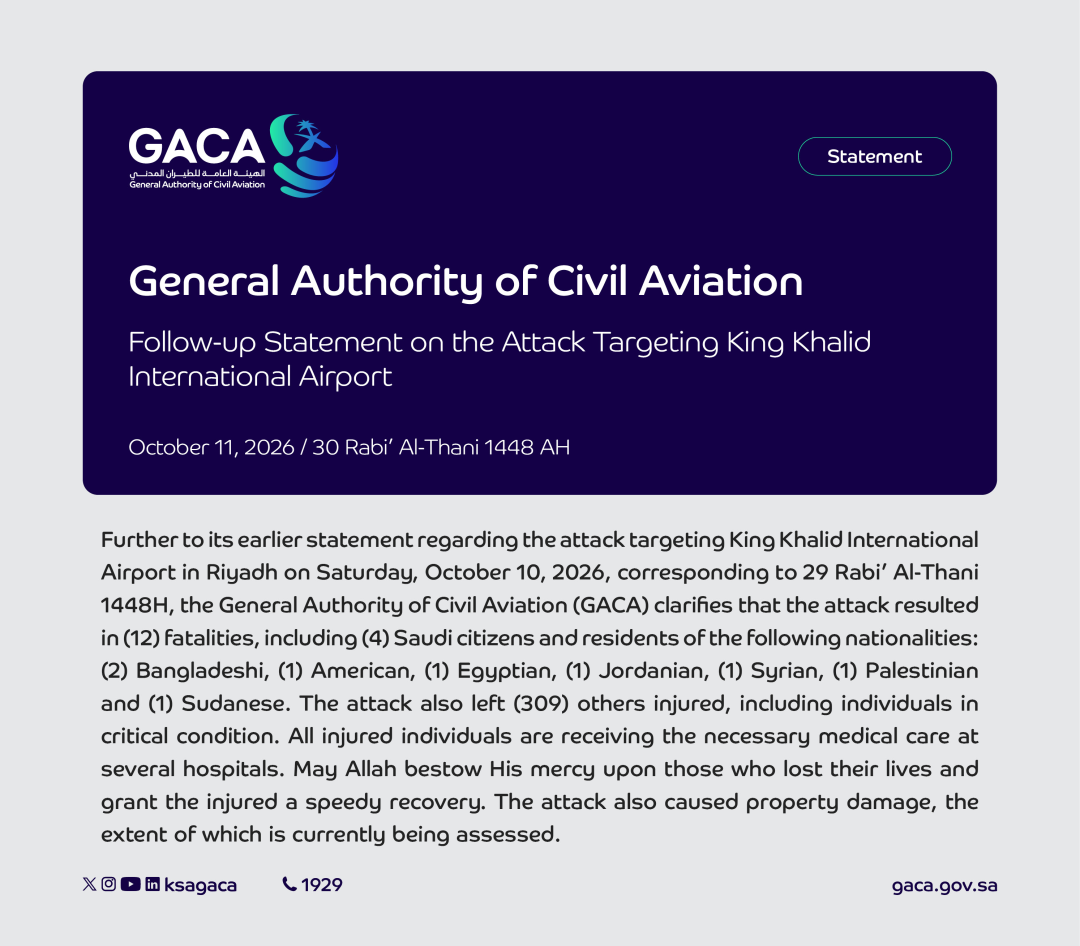
Security Alert: Riyadh Airport Attack & Travel Safety for Chinese Nationals
Chinese Embassy in Saudi Arabia confirms Riyadh airport attack with 12 dead and 309 injured. Updated safety guidelines and travel advice for Chinese citizens.
Latest Articles
- Death Row Survivor: Inmate Thanks Medical Team After Execution Failure
- WHO: No Evidence of Sustained Transmission in Russian Lab Worker Pneumonia Death
- UN Chief Condemns US Sanctions on International Criminal Court
- Ukraine Expresses Betrayal Over US-Russia Diesel Deal
- WFP Chief Warns: 'Slow-Burning' Food Crisis as War, Climate, and Supply Chain Disruptions Collide
- Colin Mackerras: Australia's Renowned Sinologist and Bridge Between Nations