Apple's Foldable iPhone Could Cost $2,500: Key Tech News Roundup
Apple's foldable iPhone may average $2,500, Konka plans delisting after $2.8B losses, and global billionaires hit record 3,795. Plus AI, space, and market updates.
Source: 36氪
Apple's highly anticipated foldable iPhone is generating buzz with reports suggesting a hefty price tag, while a legendary Chinese TV brand faces an uncertain future. Meanwhile, the world's billionaire population has reached an all-time high, and major AI developments continue to shape the tech landscape. Here's a comprehensive look at today's most significant stories.
Key Highlights
-
Apple's Foldable iPhone: Premium Pricing and High Volume: According to multiple reports, Apple's first foldable iPhone, possibly named iPhone Ultra, could have an average selling price of $2,500 (about 17,000 RMB), with higher storage versions reaching up to $3,000. The device is expected to launch at Apple's September 9 event, with initial orders in the tens of millions. This would make it the most expensive iPhone ever, positioning it as a luxury device with iPad mini-like functionality that folds to fit in a pocket.
-
Konica (Konka) Plans Voluntary Delisting After Massive Losses: *ST Konka, once hailed as China's leading TV brand, announced on August 27 its board approved a voluntary delisting plan after accumulating losses of about 20 billion RMB (roughly $2.8 billion) over four years. The company will transfer its A and B shares to the National Equities Exchange and Quotations (NEEQ) after delisting from the Shenzhen Stock Exchange. This marks a dramatic fall for a brand that had been listed for 34 years and was a household name in China.
-
Global Billionaire Population Hits Record High: Altrata's latest wealth report reveals that the number of billionaires worldwide reached 3,795 in 2025, a new record. Their combined wealth surged by 12.8% to an unprecedented $15.1 trillion, nearly a quarter of the S&P 500's total market capitalization. This growth reflects a concentration of wealth and its increasing influence in areas like sports team ownership and philanthropy.
-
Anthropic Unveils First AI Tool for the Physical World: Anthropic announced the upcoming release of "Model Hardware Standard" (MHS), a tool designed for physical world applications. It enables AI to autonomously operate programmable research and manufacturing equipment, reducing hardware integration time from weeks or months to hours or minutes and supporting 24/7 autonomous experiments.
-
OpenAI and Tech Giants Call for Global Cyber Defense: OpenAI published an open letter on August 27, signed by over 100 organizations including Anthropic, AWS, Google, Microsoft, and Oracle, urging enhanced global cybersecurity measures. The letter warns that as AI models become more capable, AI-powered cyberattacks will become more widespread and sophisticated.
-
Bill Gates Urges US-China Cooperation on AI Risks: In a 6,000-word essay, Microsoft co-founder Bill Gates emphasized that AI could either become the most powerful "equalizer" or the worst source of injustice. He argued that the US and China must collaborate to address AI-related social issues, noting that the transition to an AI era will be one of the most turbulent periods in human history.
-
SHEIN Raises $1.7 Billion in Hong Kong IPO: According to filings, SHEIN raised $1.7 billion through its Hong Kong IPO, issuing about 280 million shares at HK$48.56 per share. This marks a significant milestone for the fast-fashion giant as it expands its global footprint.
-
MiHoYo Takes Legal Action Against Defamation: MiHoYo's legal department confirmed that an individual named Wang Daxiong was subjected to compulsory measures after fabricating and spreading false information about "outsourcing discrimination" at the company. The misinformation, which circulated on social media, was found to have no factual basis, and the company filed a police report, leading to an investigation for picking quarrels and provoking trouble.

In-Depth Analysis
Today's news highlights several transformative trends shaping the global economy and technology. First, Apple's entry into the foldable market signals a strategic shift towards ultra-premium devices. With an average price of $2,500, Apple is not just competing with Samsung but redefining the luxury smartphone segment. This move could drive significant revenue per unit, but it also raises questions about market demand, especially in price-sensitive regions like China. The high volume (in the tens of millions) suggests Apple is confident in its supply chain and consumer appetite, but the price point may limit adoption to early adopters and affluent users.
Second, Konka's delisting underscores the challenges faced by traditional electronics manufacturers in China. Once a dominant player in the TV market, Konka struggled to adapt to the smart TV era and intense competition from newer brands like Xiaomi and Huawei. Its voluntary delisting reflects a broader trend of legacy companies either reinventing themselves or exiting the public market. This case serves as a cautionary tale for other established firms in rapidly evolving industries.
Third, the record number of billionaires and their growing wealth concentration has significant implications. It highlights the widening wealth gap, but also the potential for increased philanthropic contributions and investments in innovation. The fact that billionaire wealth now rivals a quarter of the S&P 500's market cap indicates their outsized influence on global markets and policy.
In the AI sector, Anthropic's MHS and OpenAI's cyber defense call indicate a maturation of AI from digital to physical applications and a growing awareness of security risks. The collaboration between major tech companies on cybersecurity is a positive step, but it also underscores the escalating arms race in AI-powered threats. Bill Gates' call for US-China cooperation is particularly timely, as geopolitical tensions could hinder collaborative efforts to mitigate AI risks.
Looking ahead, we can expect more foldable devices from Apple, potentially driving down costs over time. The delisting of companies like Konka may lead to industry consolidation. And the concentration of wealth will likely continue to spark debates on taxation and regulation. Overall, these stories reflect a world in flux, where technology, wealth, and policy intersect in complex ways.

Frequently Asked Questions
When will Apple's foldable iPhone be released, and what will it cost? Apple is expected to announce the foldable iPhone at its September 9 event, with availability possibly later in the year. The average selling price is estimated at $2,500 (about 17,000 RMB), but the base model with 256GB storage might start at $1,999. Higher storage versions could reach $3,000.
Why is Konka delisting, and what happens to its shareholders? Konka is voluntarily delisting due to prolonged financial losses and a challenging market environment. After delisting, shares will trade on the NEEQ, which may offer lower liquidity. Shareholders may face reduced share value, but the company hopes to restructure and potentially relist in the future.
How will the new billionaire wealth record affect the global economy? The record number of billionaires and their increased wealth could lead to more investments in startups, philanthropy, and political influence. However, it also raises concerns about income inequality and the concentration of economic power, potentially prompting regulatory responses.

Source: https://mp.weixin.qq.com/s/VCwPk7VS7ZAxsPQTCgF_IA
Related posts

Volkswagen to Cut 100,000 Jobs: Inside the Biggest Automaker Restructuring
Volkswagen plans 100,000 job cuts, four German plant closures, and a halved model lineup by 2035 as profits collapse and China earnings shrink.

Alibaba Scrapped Its P-Level System: What It Means for Your Company
Alibaba dismantled its 19-year-old P-level hierarchy in 2023. Here's why high-level 'performers' drain profits, and how smaller firms can cut layers before it's too late.

China's 2026 Unicorn Rankings: AI Reshapes the Top 10
China ranks second globally with 381 unicorns. AI leads the 2026 list as ByteDance, Ant Group, and DeepSeek dominate. Explore the shifting landscape.

ByteDance Boosts AI Talent Incentives with Doubao Stock Hike
ByteDance raises Doubao stock price by 14.6% to retain AI talent, expands equity incentives, and integrates teams to accelerate AI adoption in the workplace.
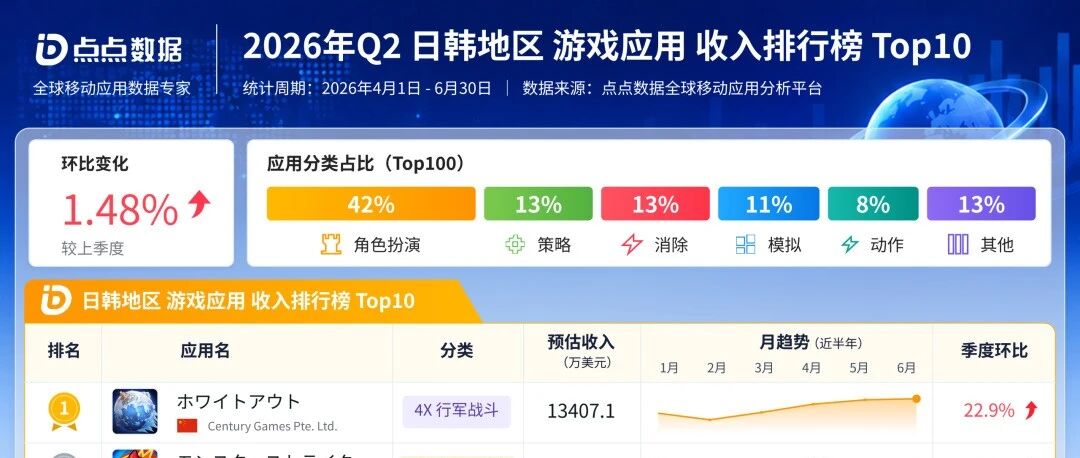
Chinese Mobile Games Dominate Japan & Korea Q2 2026 Revenue Charts
Diandian Interactive's Whiteout Survival and Kingshot top Japan/Korea Q2 2026 revenue rankings. Market shows steady growth with iOS users spending 1.2x more. Full analysis inside.

Global Mobile Gaming Revenue Dips 1% in August: Why Mid-Tier Games Are Losing
Sensor Tower's August report reveals a $66M monthly revenue drop in mobile gaming. Top titles grow while mid-tier suffers. Insights on market shifts, regional trends, and what it means for developers.

China Southern Airlines Incheon Airport Ground Staff Recruitment 2026: A Gateway for Bilingual Talent
China Southern Airlines is hiring ground staff at Incheon International Airport for 2026. Learn about the role, requirements, and why this is a strategic opportunity for Korean-Chinese bilinguals.

Korea Coast Guard 2026 Chinese Translation Exam: Key Dates & Rules
Korea Coast Guard's 2026 3rd recruitment Chinese translation written exam set for Sept 5. Learn schedule, scoring, ID rules, prohibited items, and results date.
Latest Articles
- The Paper Launches New Earth Channel to Address Climate Change
- China's Countermeasures Against Belize's Minister of Foreign Affairs and Trade
- Taiz: The Decisive Battlefield Shaping Yemen's War
- Kalshi Hires Former FBI Agent to Combat Money Laundering Amid Regulatory Scrutiny
- Retailers Streamline Product Offerings to Boost Profitability
- OpenAI Safety Firing: Employees Question Tech Giant's Commitment