Anta Sports Reports Strong H1 2026 Results, Unveils AI Strategy
Anta Sports' H1 2026 revenue surpasses 40 billion yuan, with FILA margin recovery and a new AI-driven strategy. Explore key insights and market implications.
Source: 谢芸子 张帆
Anta Sports, one of China's largest sportswear giants, has just released its first-half 2026 financial results, and the market is paying attention. With group revenue crossing the 40 billion yuan mark for the first time in a half-year period, the company is demonstrating resilience in a challenging retail environment. But beyond the numbers, it's the company's ambitious new AI strategy that is capturing the imagination of investors and industry watchers alike. As the sportswear industry faces a global slowdown, Anta's dual focus on brand refinement and technological innovation could redefine its competitive edge.
Key Highlights
-
Revenue and Profit Growth: In H1 2026, Anta Sports reported a group revenue of 43.51 billion yuan, a 12.9% year-on-year increase. Gross margin improved to 63.9%, and operating profit rose 16.1% to 11.76 billion yuan, achieving an operating margin of 27.0%—the highest for the first half in seven years. This performance underscores the strength of Anta's multi-brand portfolio.
-
Brand Performance Breakdown: The Anta main brand generated 17.77 billion yuan in revenue, up 4.8%, while FILA saw a 6.1% increase to 15.05 billion yuan. The 'all other brands' segment, including Descente and Kolon, surged 44.2% to 10.69 billion yuan, crossing the 10 billion yuan threshold for the first time in a half-year report.
-
Product Strategy Focus: Anta's main brand is doubling down on professional sports products. Key running shoe lines—PG7, C-family, Mach, and Zone 2 Heart Rate—sold over 5.6 million pairs in H1, a 30% increase. Storm Armor apparel exceeded 2 million units, up nearly 35%. This focus, however, has squeezed profit margins due to higher e-commerce and direct-to-consumer sales.
-
Channel Reforms and Store Closures: The number of Anta main brand stores (excluding Anta Kids) decreased by 81 to 7,122 by June 30. Co-CEO Lai Shixian emphasized that channel reform is about effective product reach, not store count. This marks a correction from aggressive store expansions and experimental store formats like 'Super Anta' and 'Anta SV'.
-
Overseas Expansion: Overseas revenue for the main brand grew 35% year-on-year. Anta is executing a 'Southeast Asia Thousand Stores Plan' and opened its first flagship store in Los Angeles, partnering with major retailers like Foot Locker and JD Sports. However, this growth is from a small base and requires heavy investment.
-
FILA's Margin Recovery: FILA's operating margin improved by 1 percentage point to 28.7%, driven by the 'ONE FILA' strategy focusing on tennis and golf. Women's apparel now accounts for over 40% of FILA's apparel sales, up 2 percentage points. Still, FILA's footwear innovation remains limited compared to its apparel strength.
-
AI 365 Strategy: Anta unveiled its 'AI 365' strategy, featuring proprietary AI models. The 'Linglong' design model converts sketches to design drafts in 15 seconds, and the 'Lingxi' styling model offers outfit recommendations and virtual try-ons in stores. AI is also used for market trend analysis and inventory management. R&D spending reached 2.5% of revenue, among the highest in the industry.

In-Depth Analysis
Anta's H1 2026 results signal a strategic pivot from aggressive expansion to operational efficiency and technological integration. The company's ability to grow revenue by 12.9% while improving margins in a soft consumer market is commendable. However, the slight dip in the main brand's operating margin (from 23.3% to 22.5%) reveals the tension between investing in professional product lines and maintaining profitability. The decision to close stores and refine channel strategy suggests a more disciplined approach, learning from the mixed results of previous store format experiments.
The standout narrative is Anta's foray into AI. By integrating AI into design, retail, and supply chain management, Anta is positioning itself as a tech-enabled sportswear company. This could lead to faster product development cycles, better inventory management, and enhanced customer experiences. Yet, as Co-CEO Lai admitted, the company is in early stages, and the real test will be whether AI translates into tangible business outcomes like improved sell-through rates and reduced markdowns.
Looking ahead, Anta faces several challenges. The overseas expansion, particularly in Southeast Asia and North America, carries execution risks. The 'Thousand Stores Plan' requires significant capital and local market expertise. Meanwhile, FILA's footwear weakness could limit its growth in a category where technology and performance are key differentiators. The broader industry downturn in sportswear adds another layer of complexity, making Anta's multi-brand and AI strategies crucial for sustaining momentum.
Despite these hurdles, Anta's strong cash flow and diversified portfolio provide a buffer. The market's positive reaction—shares jumped 9.53% to HKD 78.75—reflects confidence in the company's direction. If Anta can successfully scale its AI initiatives and maintain brand discipline, it could emerge as a leader in the next phase of sportswear innovation.

Frequently Asked Questions
Q: What is Anta's 'AI 365' strategy?
A: The 'AI 365' strategy is Anta's comprehensive plan to integrate AI across its operations. It includes proprietary models like 'Linglong' for rapid design iteration and 'Lingxi' for personalized styling in retail. The goal is to enhance efficiency from product creation to customer engagement, ultimately improving profitability and customer satisfaction.
Q: How is Anta addressing the decline in its main brand's operating margin?
A: The decline is primarily due to a shift towards professional sports products, which require higher investment, and a rise in e-commerce and direct-to-consumer sales that have lower margins. Anta is focusing on product quality and channel optimization rather than store count, aiming to improve efficiency and consumer reach without diluting brand value.
Q: What are the risks associated with Anta's overseas expansion?
A: Anta's overseas growth, while promising, comes from a small base and involves substantial investments in new markets. The 'Southeast Asia Thousand Stores Plan' and North American partnerships require significant capital and local expertise. The company must navigate cultural differences, competitive landscapes, and potential supply chain complexities to achieve sustainable returns.

Source: https://mp.weixin.qq.com/s/1rZwBLMyzCtk5jgg-Hgaqg
Related posts

Volkswagen to Cut 100,000 Jobs: Inside the Biggest Automaker Restructuring
Volkswagen plans 100,000 job cuts, four German plant closures, and a halved model lineup by 2035 as profits collapse and China earnings shrink.

Alibaba Scrapped Its P-Level System: What It Means for Your Company
Alibaba dismantled its 19-year-old P-level hierarchy in 2023. Here's why high-level 'performers' drain profits, and how smaller firms can cut layers before it's too late.

China's 2026 Unicorn Rankings: AI Reshapes the Top 10
China ranks second globally with 381 unicorns. AI leads the 2026 list as ByteDance, Ant Group, and DeepSeek dominate. Explore the shifting landscape.

ByteDance Boosts AI Talent Incentives with Doubao Stock Hike
ByteDance raises Doubao stock price by 14.6% to retain AI talent, expands equity incentives, and integrates teams to accelerate AI adoption in the workplace.
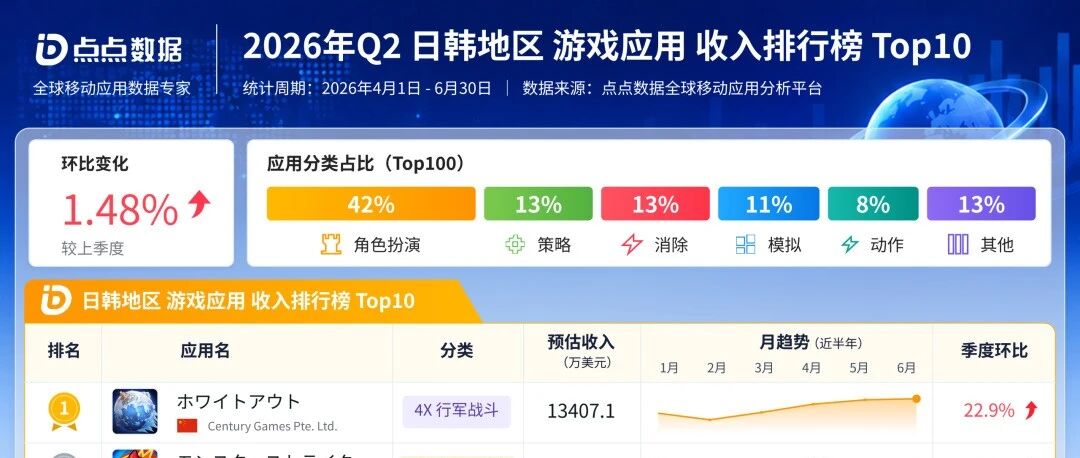
Chinese Mobile Games Dominate Japan & Korea Q2 2026 Revenue Charts
Diandian Interactive's Whiteout Survival and Kingshot top Japan/Korea Q2 2026 revenue rankings. Market shows steady growth with iOS users spending 1.2x more. Full analysis inside.

Global Mobile Gaming Revenue Dips 1% in August: Why Mid-Tier Games Are Losing
Sensor Tower's August report reveals a $66M monthly revenue drop in mobile gaming. Top titles grow while mid-tier suffers. Insights on market shifts, regional trends, and what it means for developers.
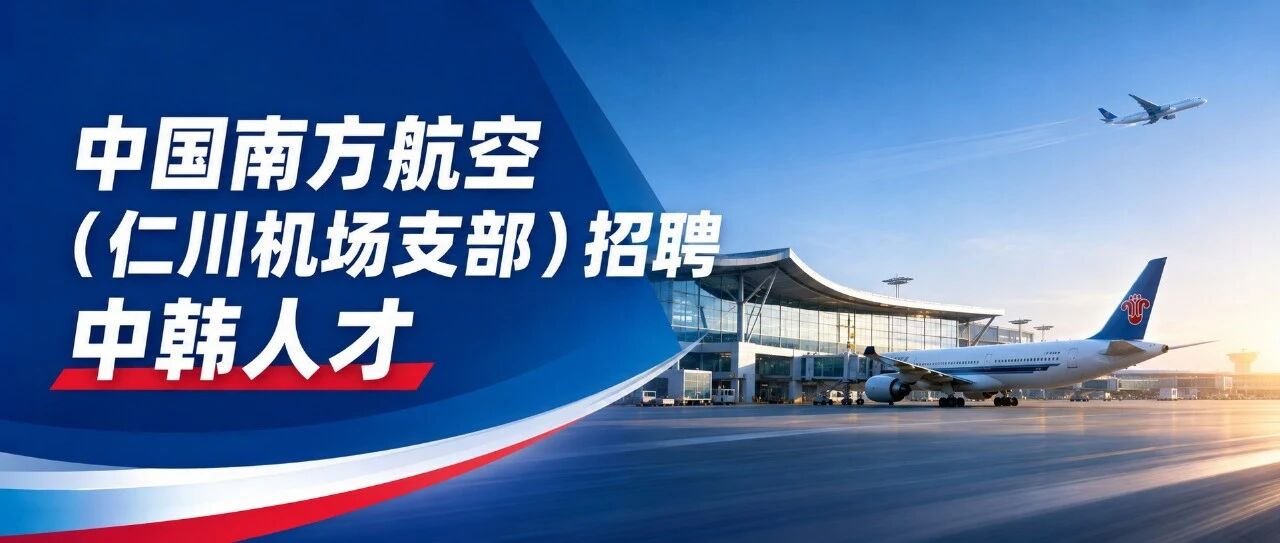
China Southern Airlines Incheon Airport Ground Staff Recruitment 2026: A Gateway for Bilingual Talent
China Southern Airlines is hiring ground staff at Incheon International Airport for 2026. Learn about the role, requirements, and why this is a strategic opportunity for Korean-Chinese bilinguals.

Korea Coast Guard 2026 Chinese Translation Exam: Key Dates & Rules
Korea Coast Guard's 2026 3rd recruitment Chinese translation written exam set for Sept 5. Learn schedule, scoring, ID rules, prohibited items, and results date.
Latest Articles
- Delta Air Lines Delays Saudi Arabia Launch Due to Airport Security Threats
- The Paper Launches New Earth Channel to Address Climate Change
- China's Countermeasures Against Belize's Minister of Foreign Affairs and Trade
- Taiz: The Decisive Battlefield Shaping Yemen's War
- Kalshi Hires Former FBI Agent to Combat Money Laundering Amid Regulatory Scrutiny
- Retailers Streamline Product Offerings to Boost Profitability