Tencent's Tengyu Interactive: Inside the 'Internal Outsourcing' Phenomenon
Explore Tengyu Interactive, Tencent's wholly-owned subsidiary in Wuhan. We break down salaries, work culture, and the pros and cons of being an 'internal outsourcer' in China's gaming industry.
Source: en的幸福时光
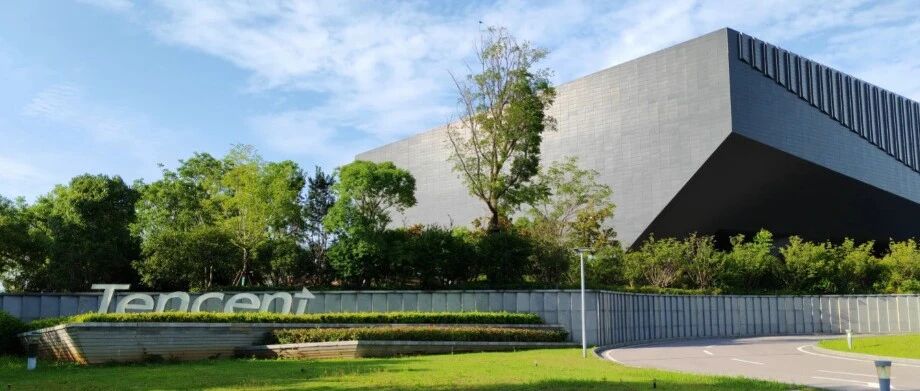
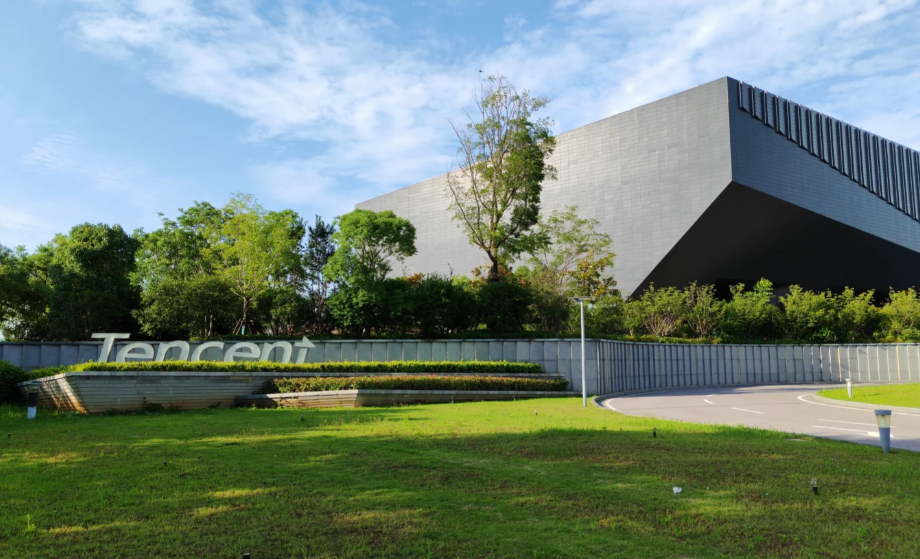
In the sprawling landscape of China's tech industry, there's a category of employment that sits in a gray zone—neither fully part of the mothership nor entirely separate. It's called 'internal outsourcing' (内包), and one of its most prominent examples is Tengyu Interactive (腾娱互动), a wholly-owned subsidiary of Tencent. Founded in 2021, Tengyu handles game development, art, and testing for Tencent Games, operating from offices in Wuhan, Shanghai, Chengdu, and Hangzhou. For many job seekers, landing a role at Tengyu feels like a golden ticket—you work in Tencent's iconic buildings, swipe Tencent access cards, and eat in Tencent cafeterias. But beneath the surface lies a more complex reality: a dual-track system where your badge color, contract, and career ceiling differ from your Tencent-employed colleagues. As the gaming industry matures and cost-cutting becomes a priority, understanding this 'internal outsourcing' model is crucial for anyone navigating China's tech job market in 2026.
Key Takeaways
-
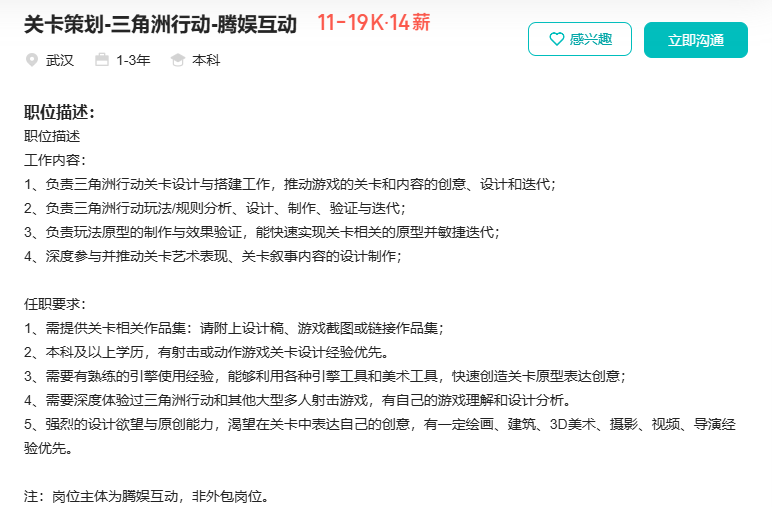
Competitive Salaries for Wuhan: Tengyu's compensation packages are top-tier for the region. For instance, game combat designers earn between 15,000 and 30,000 RMB per month, while server C++ developers bring in 15,000–22,000 RMB. Many positions offer 14-month salaries, a significant boost compared to the local average. This makes Tengyu an attractive option for professionals who want to stay in Wuhan rather than relocate to first-tier cities like Shenzhen or Shanghai.
-
A Foot in the Door at Tencent: Employees work on high-profile IPs like Naruto, Roco Kingdom, Under One Person, and One Piece: Ambition. Being part of these projects adds a prestigious line to your resume, even if your role is narrowly defined. For fresh graduates, this exposure to Tencent's development processes, standards, and tools is an invaluable learning opportunity that can accelerate career growth.
-
The 'Internal Outsourcing' Stigma: Despite the perks, Tengyu employees are not Tencent employees. They hold a 'blue card' instead of the coveted 'red card' of regular staff. This distinction affects everything from stock options to annual bonuses and promotion paths. One former employee bluntly stated, "Those who have worked at a big tech company will feel inferior at Tengyu." This psychological burden is a significant factor to consider.
-
Work-Life Balance Varies by Team: Reports on Tengyu's work culture are polarized. Some employees praise the relaxed pace, noting they've only worked overtime once in nearly a year. Others, especially interns, describe a fast-paced, demanding environment. The truth is that it depends on the project—mature products with stable maintenance schedules allow for a more 'laid-back' routine, while new or large-scale projects often require intense crunch time, especially before launches.
-
Career Ceiling and Identity Crisis: For ambitious veterans, Tengyu may feel stifling. The company's structure means that core design and decision-making remain with Tencent's main studios. Employees often handle modular tasks—like a cog in a machine. As one analogy puts it, you might be chopping scallions in a Michelin-starred kitchen: you can say you work there, but you're doing the simplest part of the job. This can lead to frustration for those seeking leadership roles or creative control.
-
Benefits and Perks Are Real: Tengyu employees enjoy the full suite of benefits at Tencent's Wuhan R&D Center, including social insurance, housing fund, paid annual leave, meal allowances, and regular health check-ups. The office environment is modern and well-equipped, adding to the overall appeal.
A Stepping Stone or a Destination? For newcomers, Tengyu is an excellent launchpad. A few years of experience can make your resume stand out, and the salary is hard to beat in Wuhan. However, for those with long-term ambitions of reaching Tencent's core decision-making levels, the subsidiary route has a visible ceiling. It's a trade-off between stability and growth, comfort and ambition.
In-Depth Analysis
Tengyu Interactive is a textbook example of how Chinese tech giants are restructuring their workforce to cut costs while maintaining flexibility. By spinning off development tasks into a wholly-owned subsidiary, Tencent can offer competitive-but-lower salaries than its main entity, avoid diluting its stock pool, and create a buffer for headcount adjustments. This 'internal outsourcing' model is increasingly common across the industry, with companies like Alibaba and ByteDance adopting similar strategies. For employees, it's a double-edged sword: you get access to world-class projects and infrastructure, but you're forever in the shadow of the parent brand.
Looking ahead, this trend is likely to accelerate. As the gaming market becomes saturated and regulatory pressures persist, companies will seek more efficient cost structures. For job seekers, this means the line between 'core' and 'peripheral' roles will blur further. The key is to understand your own priorities: if you value a handsome paycheck and a prestigious name on your resume, subsidiaries like Tengyu are a smart choice. If you crave creative autonomy and a clear path to the top, you may need to look elsewhere—or be prepared to work your way up from the inside.
The psychological aspect cannot be overstated. In China's status-conscious job market, the color of your badge carries weight. Employees at subsidiaries often report feeling like 'second-class citizens' despite sharing the same office. This identity crisis can erode morale over time. However, as the market evolves, this distinction may become less stigmatized. Younger workers are increasingly pragmatic, prioritizing work-life balance and financial rewards over corporate titles. In that sense, Tengyu might be ahead of the curve, offering a taste of the 'gig economy' within a corporate framework.

Frequently Asked Questions
Is Tengyu Interactive the same as Tencent?
No, Tengyu is a wholly-owned subsidiary of Tencent, meaning it's fully owned but operates independently. Employees sign contracts with Tengyu, not Tencent, and have different benefit structures, promotion paths, and job stability. However, they work on Tencent projects and often share office spaces.
What are the salary levels at Tengyu in Wuhan?
Salaries vary by role but are generally competitive for Wuhan. For example, game combat designers earn 15,000–30,000 RMB per month, and server developers earn 15,000–22,000 RMB. Many positions offer 14 months of pay per year, which is higher than the regional average. Internships pay around 150–200 RMB per day.
Should I accept a job at Tengyu as a fresh graduate?
Yes, if you're starting your career, Tengyu can be a great stepping stone. You'll gain exposure to Tencent's ecosystem, learn industry-standard practices, and earn a good salary for Wuhan. However, be aware of the potential limitations on career growth and the psychological impact of being a subsidiary employee. Weigh the pros and cons based on your long-term goals.
Source: https://mp.weixin.qq.com/s/7GLfxbTWzG4qmdsbVD6eYg
Related posts

Volkswagen to Cut 100,000 Jobs: Inside the Biggest Automaker Restructuring
Volkswagen plans 100,000 job cuts, four German plant closures, and a halved model lineup by 2035 as profits collapse and China earnings shrink.

Alibaba Scrapped Its P-Level System: What It Means for Your Company
Alibaba dismantled its 19-year-old P-level hierarchy in 2023. Here's why high-level 'performers' drain profits, and how smaller firms can cut layers before it's too late.
China's 2026 Unicorn Rankings: AI Reshapes the Top 10
China ranks second globally with 381 unicorns. AI leads the 2026 list as ByteDance, Ant Group, and DeepSeek dominate. Explore the shifting landscape.

ByteDance Boosts AI Talent Incentives with Doubao Stock Hike
ByteDance raises Doubao stock price by 14.6% to retain AI talent, expands equity incentives, and integrates teams to accelerate AI adoption in the workplace.
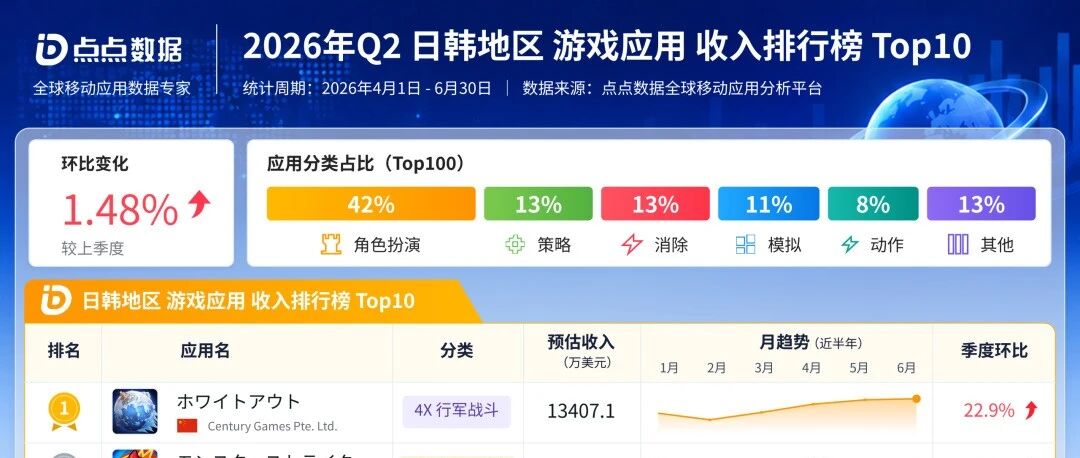
Chinese Mobile Games Dominate Japan & Korea Q2 2026 Revenue Charts
Diandian Interactive's Whiteout Survival and Kingshot top Japan/Korea Q2 2026 revenue rankings. Market shows steady growth with iOS users spending 1.2x more. Full analysis inside.

Global Mobile Gaming Revenue Dips 1% in August: Why Mid-Tier Games Are Losing
Sensor Tower's August report reveals a $66M monthly revenue drop in mobile gaming. Top titles grow while mid-tier suffers. Insights on market shifts, regional trends, and what it means for developers.

China Southern Airlines Incheon Airport Ground Staff Recruitment 2026: A Gateway for Bilingual Talent
China Southern Airlines is hiring ground staff at Incheon International Airport for 2026. Learn about the role, requirements, and why this is a strategic opportunity for Korean-Chinese bilinguals.

Korea Coast Guard 2026 Chinese Translation Exam: Key Dates & Rules
Korea Coast Guard's 2026 3rd recruitment Chinese translation written exam set for Sept 5. Learn schedule, scoring, ID rules, prohibited items, and results date.
Latest Articles
- Delta Air Lines Delays Saudi Arabia Launch Due to Airport Security Threats
- The Paper Launches New Earth Channel to Address Climate Change
- China's Countermeasures Against Belize's Minister of Foreign Affairs and Trade
- Taiz: The Decisive Battlefield Shaping Yemen's War
- Kalshi Hires Former FBI Agent to Combat Money Laundering Amid Regulatory Scrutiny
- Retailers Streamline Product Offerings to Boost Profitability