JD to Alibaba: What a Tech Giant's Internal Tools Reveal About Its Culture
A developer's move from JD.com to Alibaba exposes stark differences in internal infrastructure, tech culture, and daily workflow—offering lessons for anyone choosing a tech employer.
Source: 大朋zzz
When I first joined JD.com, I thought it was a solid company. Stable, decent benefits compared to my previous small firm, and the online reputation wasn't bad—many people called JD "the most normal big tech company." I used to think so too, until I jumped to Alibaba. That's when I realized the gap among "first-tier tech giants" is far larger than I ever imagined.
Online reputations are for outsiders. The real differences are only known to those who've worked inside.
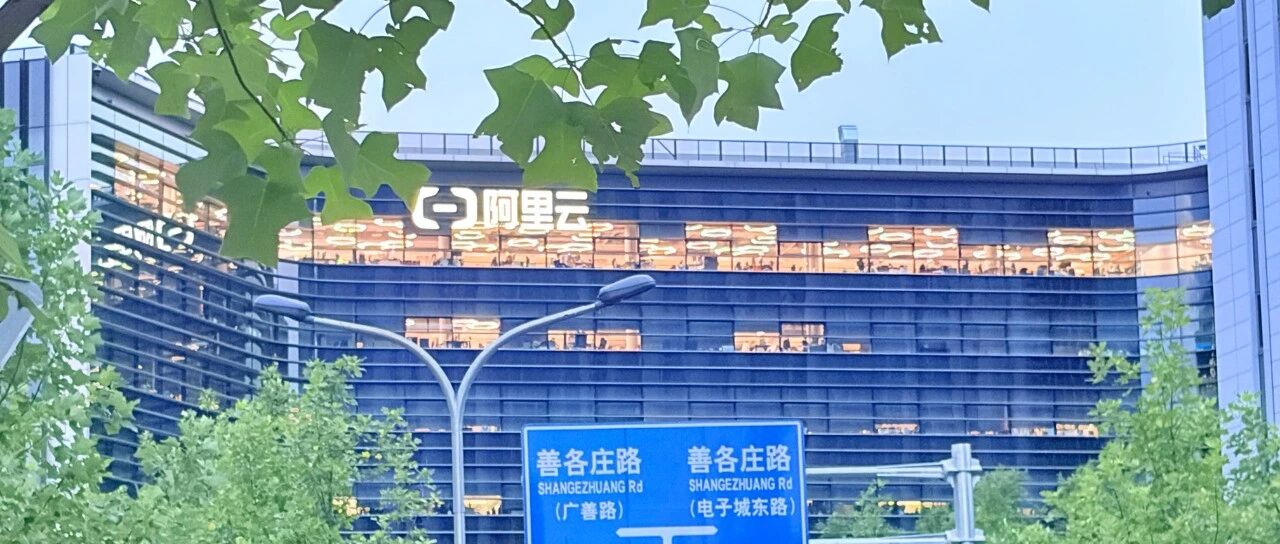
Key Takeaways
-
The daily routine of a programmer differs drastically. At Alibaba, most work happens within DingTalk: checking requirements, tracking projects, receiving alerts, and finding documents—all in one entry point. At JD, everything is a separate system: code repository, project management, docs, communication—each with its own account, interface, and logic. New hires spend their first week collecting over twenty links just to access basic tools.
-
Documentation search quality is night and day. Alibaba's internal docs are searchable, well-linked, and show authors and update times. JD's docs are scattered across systems, and search feels like opening a blind box—often returning outdated or missing information. Over a year, that adds up to dozens of hours wasted.
-
The core gap isn't tools—it's culture. Alibaba has a high density of technical sharing, with quality content and real discussions about frameworks and pitfalls. JD also has sharing sessions, but the atmosphere is less intense. The public perception of JD as "less competitive" hides the reality that "brothers" face their own struggles.
-
Handling on-call alerts reveals systemic differences. Alibaba's alerting has clear chains and seamless incident response via DingTalk groups. JD's alerts are split across multiple systems, requiring switching between pages and hunting for the right contact. Each incident might take an extra ten minutes, but the cumulative effect is a vastly different experience.
-
These gaps stem from decades of accumulated infrastructure. They're not something you can fix by hiring a few star engineers or buying new systems. A company's true technical strength is reflected in the tools its employees use every day, not in its external product launches.
Deep Dive
This first-hand account underscores a universal truth about tech companies: internal developer experience (DevEx) is a strategic asset, not a perk. Alibaba's investment in unified platforms like DingTalk and its internal documentation ecosystem reflects a deliberate, top-down commitment to engineering efficiency. JD.com, despite its strengths in supply chain and logistics, appears to have underinvested in developer tooling, leading to fragmented workflows that silently erode productivity and morale.
The contrast is emblematic of broader industry trends. Companies like Google, Meta, and Alibaba treat internal infrastructure as a competitive moat—they build custom tools that reduce friction and accelerate innovation. In contrast, many traditional or retail-heavy companies like JD may prioritize external customer-facing systems over internal ones, inadvertently stifling their engineering culture.
For engineers evaluating job offers, this account is a wake-up call: don't judge a company by its brand or perks alone. Instead, ask about the tools, the documentation, and the incident response process. These are the daily realities that shape your growth and satisfaction. As the tech talent market becomes more competitive, companies that neglect DevEx will struggle to retain top engineers, while those that invest in it will reap the benefits of higher productivity and innovation.
Looking ahead, we can expect more companies to follow Alibaba's lead, recognizing that developer experience is directly linked to business outcomes. The gap between "good" and "great" tech employers will increasingly be defined by their internal infrastructure and culture.

FAQ
Q: How much does internal tooling really affect a developer's daily work? A: It's huge. Developers spend a significant portion of their day navigating tools—searching for docs, tracking projects, and responding to alerts. Fragmented systems waste time and mental energy, directly impacting productivity and job satisfaction.
Q: Can a company like JD.com improve its internal infrastructure quickly? A: It's possible but not quick. Building a unified platform like DingTalk requires sustained investment, cultural change, and time. It's a long-term strategic commitment, not a short-term fix.
Q: What should I ask during a job interview to gauge a company's tech culture? A: Ask about the tools you'll use daily: how do you track projects? Where do you find internal documentation? How are on-call alerts handled? The answers will reveal the company's investment in engineering efficiency.
Source: https://mp.weixin.qq.com/s/kz8VzOzfxsW68RgELSr6_w
Related posts
Volkswagen to Cut 100,000 Jobs: Inside the Biggest Automaker Restructuring
Volkswagen plans 100,000 job cuts, four German plant closures, and a halved model lineup by 2035 as profits collapse and China earnings shrink.

Alibaba Scrapped Its P-Level System: What It Means for Your Company
Alibaba dismantled its 19-year-old P-level hierarchy in 2023. Here's why high-level 'performers' drain profits, and how smaller firms can cut layers before it's too late.
China's 2026 Unicorn Rankings: AI Reshapes the Top 10
China ranks second globally with 381 unicorns. AI leads the 2026 list as ByteDance, Ant Group, and DeepSeek dominate. Explore the shifting landscape.

ByteDance Boosts AI Talent Incentives with Doubao Stock Hike
ByteDance raises Doubao stock price by 14.6% to retain AI talent, expands equity incentives, and integrates teams to accelerate AI adoption in the workplace.
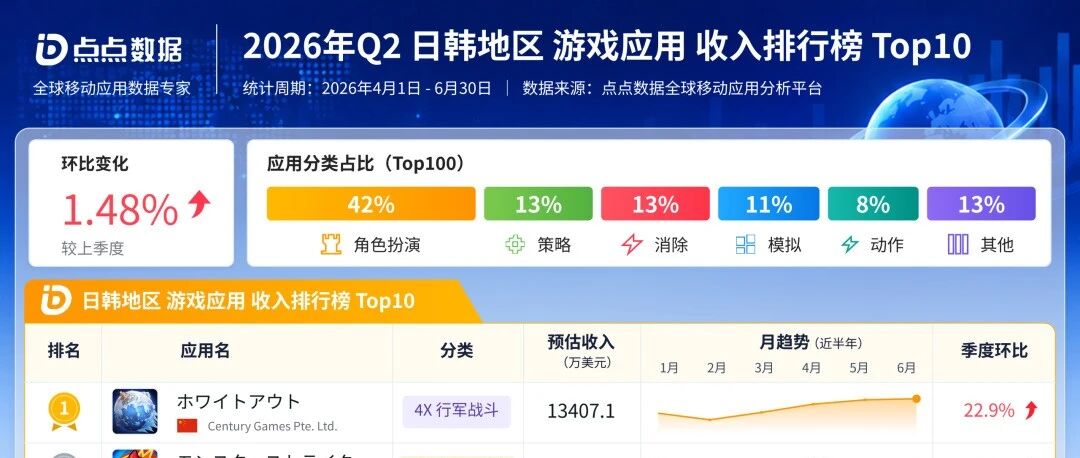
Chinese Mobile Games Dominate Japan & Korea Q2 2026 Revenue Charts
Diandian Interactive's Whiteout Survival and Kingshot top Japan/Korea Q2 2026 revenue rankings. Market shows steady growth with iOS users spending 1.2x more. Full analysis inside.

Global Mobile Gaming Revenue Dips 1% in August: Why Mid-Tier Games Are Losing
Sensor Tower's August report reveals a $66M monthly revenue drop in mobile gaming. Top titles grow while mid-tier suffers. Insights on market shifts, regional trends, and what it means for developers.

China Southern Airlines Incheon Airport Ground Staff Recruitment 2026: A Gateway for Bilingual Talent
China Southern Airlines is hiring ground staff at Incheon International Airport for 2026. Learn about the role, requirements, and why this is a strategic opportunity for Korean-Chinese bilinguals.

Korea Coast Guard 2026 Chinese Translation Exam: Key Dates & Rules
Korea Coast Guard's 2026 3rd recruitment Chinese translation written exam set for Sept 5. Learn schedule, scoring, ID rules, prohibited items, and results date.
Latest Articles
- Ukraine Expresses Betrayal Over US-Russia Diesel Deal
- UN Chief Condemns US Sanctions on International Criminal Court
- EU Parliament Report on China: Diplomatic Response & Future Outlook
- South Korea Successfully Tests First Indigenous Hypersonic Glide Vehicle
- Hurricane Isaias Prepares To Hit Gulf Coast: Oil Industry Evacuates, Refineries At Risk
- Delta Air Lines Cuts 2026 Forecast Due to Fuel Surge, Despite Strong Demand