Game Science: Why Landing a Job at Black Myth: Wukong's Creator Is Harder Than Getting Into Harvard
Game Science, the studio behind Black Myth: Wukong, receives over 100,000 resumes but hires only a handful each year. Discover the brutal hiring process, company culture, and why employees stay despite lower pay.
Source: en的幸福时光
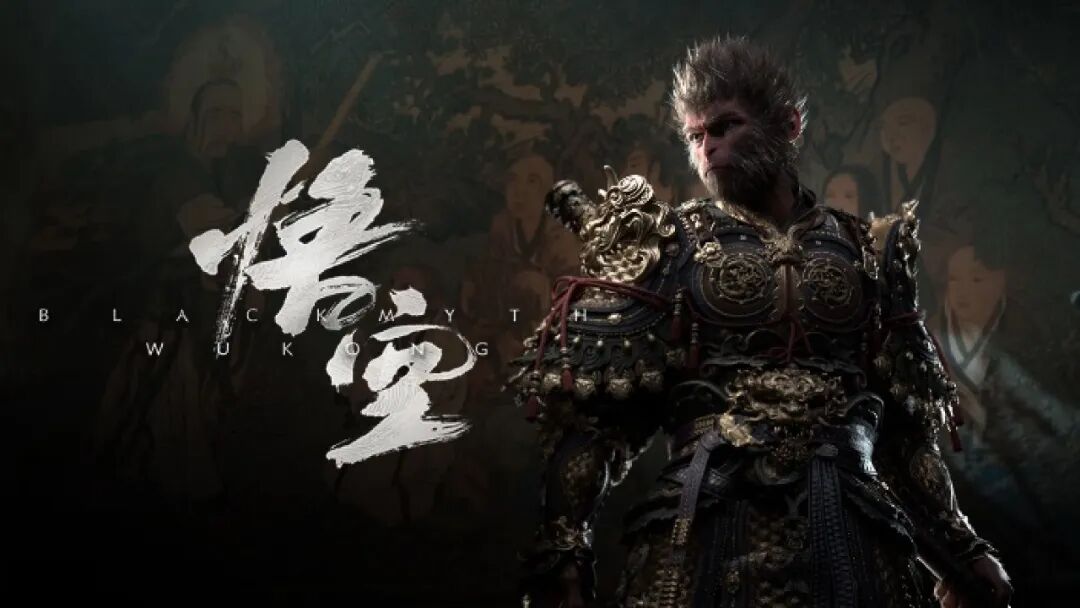
When Black Myth: Wukong launched in August 2024, it shattered records with over 2.35 million concurrent players on Steam. But for those in the gaming industry, the real buzz wasn't just about sales—it was about how impossibly difficult it is to get a job at the studio behind the phenomenon. With acceptance rates lower than Ivy League admissions, Game Science has become a legend in its own right. Here's what makes this studio's hiring process so notoriously tough, and why thousands still dream of joining.
Key Highlights
-
Over 100,000 resumes in 48 hours: When Game Science released the first gameplay trailer for Black Myth: Wukong in 2020, the company's inbox was flooded with more than 100,000 applications within two days. At the time, the entire studio had only about 70 employees. Founder Feng Ji decided to hire just 10–15 people, an acceptance rate of roughly 0.01%.
-
Extremely selective growth: From 70 employees in 2020, the team grew to 113 in 2022, 132 in 2023, and 140 at launch in 2024. By 2026, it had reached only 165 people. That's an average of about 30 new hires per year, despite receiving resumes by the tens of thousands for every project.
-
Tiny team, massive output: With just 165 people, Game Science produced a AAA title that generated over 7 billion RMB in global sales and ranked second on Steam's revenue charts. For comparison, Western studios typically need 300–1,000+ developers for similar projects, like Red Dead Redemption 2 or God of War.
-
Rigorous technical assessments: Candidates face high-level algorithm problems, deep dives into past projects, and mandatory proficiency in Unreal Engine 5, including understanding its underlying architecture. Art roles require mastery of PBR material workflows, and level designers must build playable prototypes using blueprints and behavior trees.
-
A single daunting task: One leaked job requirement asked candidates to independently complete a full level—including numerical balance, map design, and combat mechanics—within two weeks. This is a stark contrast to most studios where these tasks are split among specialists.
-
Interview pass rate around 50%: Even the first round is brutal, with only about half of candidates making it through. Many report being rejected without any feedback, leaving them confused about where they fell short.
-
Cultural fit is non-negotiable: Founder Feng Ji famously avoided mass hiring because he feared diluting the team's shared values. He compared a star-studded team to an NBA All-Star lineup—great for show, but not for building a cohesive, championship-winning unit.
-
Employees stay despite lower pay: The average monthly salary at Game Science is about 24,305 RMB, below the industry average of 25,578 RMB. Long hours and closed development cycles are common, yet when headhunters tried to poach employees after the game's success, many publicly declared they weren't interested, and co-founder Yang Qi even begged recruiters to stop.
In-Depth Analysis
Game Science's hiring philosophy is a masterclass in building a mission-driven team. By prioritizing cultural alignment and extreme technical competence over rapid expansion, the studio has created an environment where every member is fully invested in the shared goal of crafting world-class single-player games. This approach is rare in an industry often driven by quarterly profits and shareholder expectations. The company's deliberate slowness in hiring—averaging just 30 people per year—reflects a long-term vision that values quality over quantity. It's a stark contrast to typical Chinese tech companies, which often scale aggressively to meet market demands.
The studio's decision to tackle Black Myth: Zhong Kui next, rather than immediately capitalizing on Wukong's success with a sequel or DLC, further underscores this mindset. Founder Feng Ji explicitly stated that choosing Zhong Kui was a way to force the team out of their comfort zone. This "embrace difficulty" ethos is embedded in the company's values, attracting individuals who are not just skilled but also deeply passionate about the craft. For the broader gaming industry, Game Science serves as a proof point that a small, dedicated team can compete on the global stage without compromising their artistic vision. It also highlights a growing trend in China where developers are willing to sacrifice short-term gains for long-term artistic achievements. As the studio continues to grow, its hiring practices will likely remain a benchmark for how to build a resilient, high-performance team in the creative sector.

Frequently Asked Questions
Why is Game Science's hiring process so much harder than other game companies?
Game Science deliberately keeps its team small and cohesive. They believe that a tight-knit group with shared values and high trust can produce better work than a large, loosely connected team. This means they only hire people who are not only technically exceptional but also culturally aligned, making the bar extremely high.
What does the interview process actually look like?
Candidates typically face a written test with challenging algorithmic problems, followed by multiple rounds of interviews that probe deeply into their past projects and decision-making processes. For technical roles, a deep understanding of Unreal Engine 5 is essential. The process is notoriously opaque, with many candidates receiving no feedback after rejection.
Is it worth trying to get a job there if you don't meet all the requirements?
Even if you don't meet every requirement, applying can be a valuable learning experience. Many candidates report that the process itself pushed them to improve their skills. However, given the extremely low acceptance rate, it's wise to also consider other studios where your talents might be a better fit.
Source: https://mp.weixin.qq.com/s/hv_Ws4sbBxIb2k3vjbbLIw
Related posts

Volkswagen to Cut 100,000 Jobs: Inside the Biggest Automaker Restructuring
Volkswagen plans 100,000 job cuts, four German plant closures, and a halved model lineup by 2035 as profits collapse and China earnings shrink.

Alibaba Scrapped Its P-Level System: What It Means for Your Company
Alibaba dismantled its 19-year-old P-level hierarchy in 2023. Here's why high-level 'performers' drain profits, and how smaller firms can cut layers before it's too late.
China's 2026 Unicorn Rankings: AI Reshapes the Top 10
China ranks second globally with 381 unicorns. AI leads the 2026 list as ByteDance, Ant Group, and DeepSeek dominate. Explore the shifting landscape.

ByteDance Boosts AI Talent Incentives with Doubao Stock Hike
ByteDance raises Doubao stock price by 14.6% to retain AI talent, expands equity incentives, and integrates teams to accelerate AI adoption in the workplace.
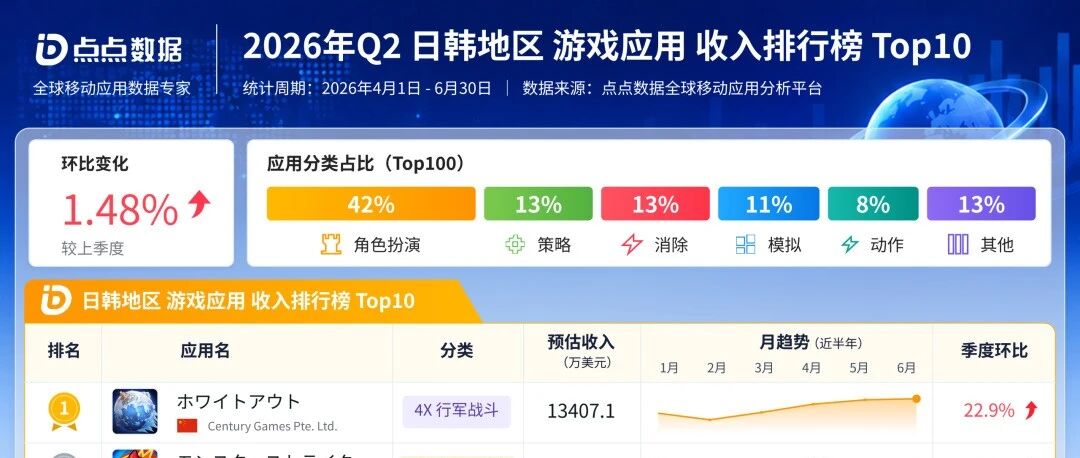
Chinese Mobile Games Dominate Japan & Korea Q2 2026 Revenue Charts
Diandian Interactive's Whiteout Survival and Kingshot top Japan/Korea Q2 2026 revenue rankings. Market shows steady growth with iOS users spending 1.2x more. Full analysis inside.

Global Mobile Gaming Revenue Dips 1% in August: Why Mid-Tier Games Are Losing
Sensor Tower's August report reveals a $66M monthly revenue drop in mobile gaming. Top titles grow while mid-tier suffers. Insights on market shifts, regional trends, and what it means for developers.

China Southern Airlines Incheon Airport Ground Staff Recruitment 2026: A Gateway for Bilingual Talent
China Southern Airlines is hiring ground staff at Incheon International Airport for 2026. Learn about the role, requirements, and why this is a strategic opportunity for Korean-Chinese bilinguals.

Korea Coast Guard 2026 Chinese Translation Exam: Key Dates & Rules
Korea Coast Guard's 2026 3rd recruitment Chinese translation written exam set for Sept 5. Learn schedule, scoring, ID rules, prohibited items, and results date.
Latest Articles
- US Budget Deficit Reaches $2 Trillion in FY 2026: A Warning Sign for Global Markets
- South Korea Successfully Tests First Indigenous Hypersonic Glide Vehicle
- EU Parliament Report on China: Diplomatic Response & Future Outlook
- Starbucks Acquisition of Chipotle: A Strategic Fit or Financial Overreach?
- Japan Requests China Show 'Respect' to Prime Minister, Sparks Diplomatic Row
- Skydance & Warner Bros. Merger: Building the Next Gen Media Giant