Genshin Impact Tops July Anime Game Revenue Chart; MiHoYo Sweeps Top 3
July 2026 anime game revenue rankings: Genshin Impact leads with $15.87B RMB, MiHoYo claims top 3 spots for the first time. In-depth analysis of trends, player behavior, and market shifts.
Source: en的幸福时光
The summer gaming season is winding down, but the battle for players' wallets in the anime-style gacha game market has never been more intense. July 2026 revenue data from Sensor Tower reveals a historic shakeup: MiHoYo, the powerhouse behind Genshin Impact, has claimed the top three spots on the global anime game revenue chart for the first time ever. This unprecedented sweep not only underscores MiHoYo's dominance but also highlights shifting player preferences, the rise of nostalgia-driven spending, and the brutal reality of live-service game economics. Let's dive into the full Top 10 breakdown and what it means for the industry.
Key Highlights from the July Top 10
-
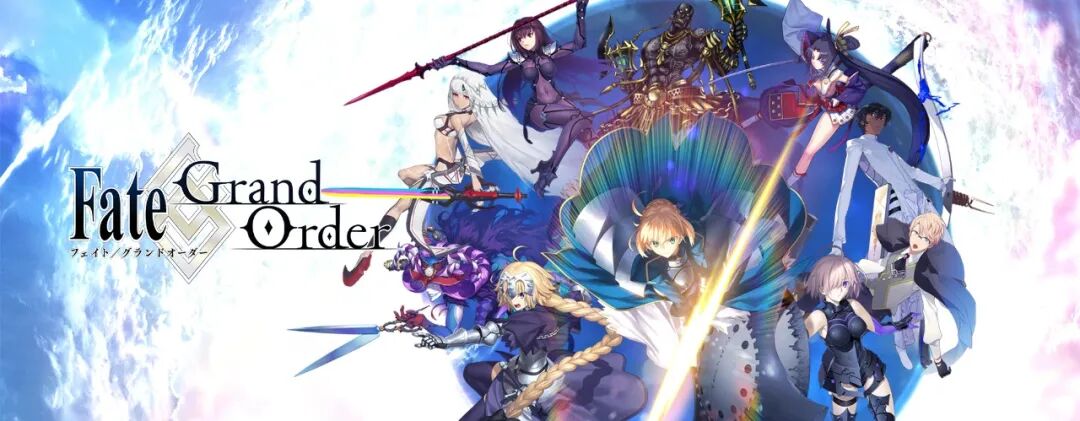
#10 Fate/Grand Order (≈201M RMB): The veteran title held steady, fueled by its 10th anniversary celebration. FGO's enduring success isn't about graphics or gameplay—it's the deep emotional connection with the Type-Moon IP that keeps players spending on nostalgia rather than power.
-
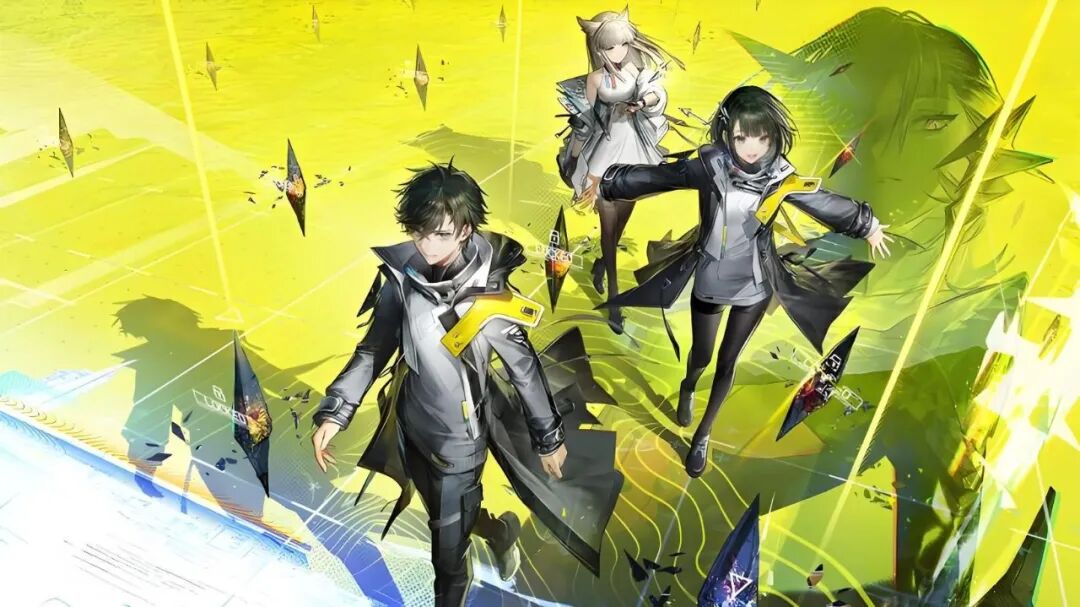
#9 Arknights: Endfield (≈268M RMB): Hypergryph's sequel launched this year to strong initial hype, but its position in the lower half of the chart suggests the open-world strategy didn't fully resonate. The real test is long-term retention after the IP's initial boost fades.
-
#8 Goddess of Victory: NIKKE (≈359M RMB): Shift Up's summer swimsuit skins and collabs proved once again that seasonal cosmetics are a cash cow. Players complain about monetization but open their wallets without hesitation—a familiar dynamic in this genre.
-
#7 Neverness to Everness (≈389M RMB): Perfect World's new urban fantasy title launched globally in April and has already crossed 2B RMB in cumulative revenue. Its dual-banner strategy in July drove solid numbers, positioning it as a strong contender in the second tier.
-
#6 Naruto Mobile (≈496M RMB): Tencent's long-running fighter remains a money printer, with a new character release pushing it to #7 on the overall bestseller list. The player base's "complain but pay" mentality creates a resilient revenue stream.
-
#5 Roco Kingdom: World (≈540M RMB): Tencent's creature-collection open-world game celebrated its 16th anniversary, but its revenue has been declining steadily. Despite a massive debut (13M DAU, 1.5-2B RMB first month), it's struggling to maintain momentum, nearly overtaken by Naruto.
-
#4 Wuthering Waves (≈899M RMB): Kuro Games' action RPG surged on the popularity of its mascot character and summer events, pushing global revenue past $600M. However, mobile revenue dipped from $34M in June to $26M in July, raising questions about content sustainability.
-
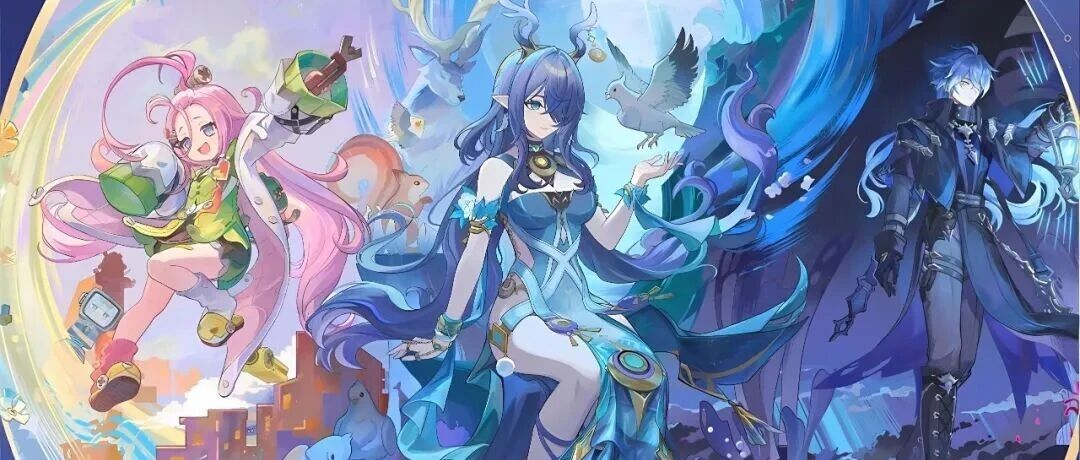
#3 Honkai: Star Rail (≈900M RMB): MiHoYo's turn-based RPG saw a 51% month-over-month revenue jump thanks to a new character banner and a Fate crossover. Its lightweight, daily-friendly design remains a key draw for busy players.
-
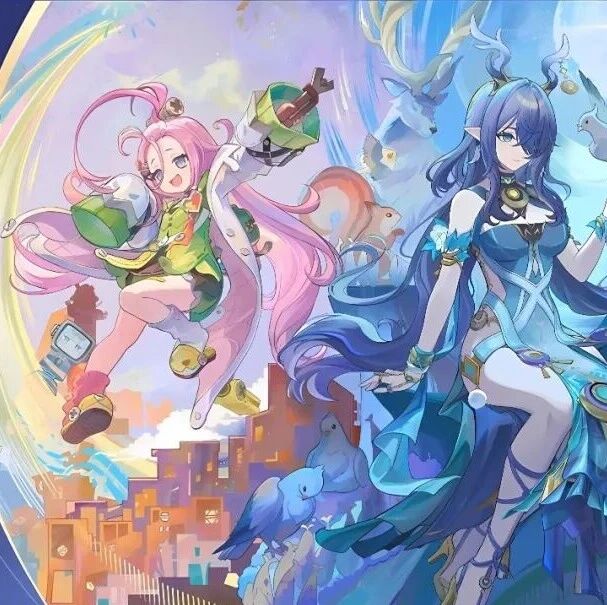
#2 Zenless Zone Zero (≈1.06B RMB): The biggest dark horse of July, with mobile revenue surging 287% MoM. The 2nd anniversary update and a new character "Lemiere" single-handedly drove the game to #1 in Japan and Korea's action game charts, catapulting it from #18 to #3 overall.
-
#1 Genshin Impact: Song of the Moon (≈1.587B RMB): The final version of the "Song of the Moon" series, featuring the new 5-star character "Sandrone," propelled revenue up 68% MoM. The update immediately hit #2 on China's iOS bestseller chart, proving the game's enduring appeal after six years.
In-Depth Analysis
This July's rankings mark a pivotal moment in the anime game industry. MiHoYo's top-three sweep—Genshin Impact, Zenless Zone Zero, and Honkai: Star Rail—is not just a commercial triumph but a strategic validation of its multi-game portfolio approach. By diversifying across genres (open-world, action, turn-based) while maintaining high production values, MiHoYo has created a self-reinforcing ecosystem where each game feeds off the others' player bases and brand loyalty. The combined revenue of these three titles ($135M USD) represents over 60% of the entire anime game market's mobile revenue in July, a concentration of power that raises concerns about market monopolization and the sustainability of smaller developers.
However, the success of Zenless Zone Zero, which jumped 287% MoM, highlights a crucial trend: content quality and event timing are paramount. The 2nd anniversary update with a compelling narrative and a highly anticipated character proved that even a game that had been underperforming can explode with the right stimulus. This "one character, one game" phenomenon is both a boon and a risk—it demonstrates the immense revenue potential of well-executed gacha design, but also the volatility inherent in relying on single events.
Meanwhile, the dramatic fall of Papergames' Love and Deepspace (from #1 to #16, an 80% revenue drop) serves as a cautionary tale. The backlash over a new male character's introduction shows that otome games, which sell emotional connection, are particularly vulnerable to player sentiment. When players feel their emotional investment is disrespected, they vote with their wallets—a lesson for all live-service games.
Looking ahead, the market is bifurcating: MiHoYo dominates the mass-market AAA tier, while other companies must carve out niches (like NIKKE's fanservice or FGO's IP loyalty) to survive. The 38 Chinese developers in the global Top 100 earned $2.3B combined in July, but the gap between the leader and the rest is widening. For players, this means more diverse choices but also more aggressive monetization. For developers, the challenge is to innovate while maintaining player trust—a delicate balance that will define the next phase of the industry.
Frequently Asked Questions
Why did MiHoYo's three games all rank in the top three? This is the first time a single company has swept the top three spots on the global anime game revenue chart. It reflects MiHoYo's strategic diversification across genres, consistent content updates, and strong brand loyalty. Each game appeals to different player preferences, creating a broad yet loyal user base.
What caused Love and Deepspace's massive revenue drop? The 80% month-over-month decline was triggered by the controversial introduction of a new male character, "Ao Yin," which sparked widespread player protests. In otome games, players form deep emotional attachments, and when they feel the narrative or character design disrespects their feelings, they boycott by ceasing purchases.
Is the anime game market becoming too concentrated? Yes, MiHoYo alone accounts for over 60% of July's anime game revenue. While this shows the company's strength, it also poses risks for market diversity. Smaller developers are increasingly forced to focus on niche segments, such as NIKKE's adult-oriented appeal or FGO's IP-driven nostalgia, to compete effectively.
Source: https://mp.weixin.qq.com/s/nkfVLBDBaNKaGdSlvwewcQ
Related posts

Volkswagen to Cut 100,000 Jobs: Inside the Biggest Automaker Restructuring
Volkswagen plans 100,000 job cuts, four German plant closures, and a halved model lineup by 2035 as profits collapse and China earnings shrink.

Alibaba Scrapped Its P-Level System: What It Means for Your Company
Alibaba dismantled its 19-year-old P-level hierarchy in 2023. Here's why high-level 'performers' drain profits, and how smaller firms can cut layers before it's too late.
China's 2026 Unicorn Rankings: AI Reshapes the Top 10
China ranks second globally with 381 unicorns. AI leads the 2026 list as ByteDance, Ant Group, and DeepSeek dominate. Explore the shifting landscape.

ByteDance Boosts AI Talent Incentives with Doubao Stock Hike
ByteDance raises Doubao stock price by 14.6% to retain AI talent, expands equity incentives, and integrates teams to accelerate AI adoption in the workplace.
Chinese Mobile Games Dominate Japan & Korea Q2 2026 Revenue Charts
Diandian Interactive's Whiteout Survival and Kingshot top Japan/Korea Q2 2026 revenue rankings. Market shows steady growth with iOS users spending 1.2x more. Full analysis inside.
Global Mobile Gaming Revenue Dips 1% in August: Why Mid-Tier Games Are Losing
Sensor Tower's August report reveals a $66M monthly revenue drop in mobile gaming. Top titles grow while mid-tier suffers. Insights on market shifts, regional trends, and what it means for developers.

China Southern Airlines Incheon Airport Ground Staff Recruitment 2026: A Gateway for Bilingual Talent
China Southern Airlines is hiring ground staff at Incheon International Airport for 2026. Learn about the role, requirements, and why this is a strategic opportunity for Korean-Chinese bilinguals.

Korea Coast Guard 2026 Chinese Translation Exam: Key Dates & Rules
Korea Coast Guard's 2026 3rd recruitment Chinese translation written exam set for Sept 5. Learn schedule, scoring, ID rules, prohibited items, and results date.
Latest Articles
- US Budget Deficit Reaches $2 Trillion in FY 2026: A Warning Sign for Global Markets
- South Korea Successfully Tests First Indigenous Hypersonic Glide Vehicle
- EU Parliament Report on China: Diplomatic Response & Future Outlook
- Starbucks Acquisition of Chipotle: A Strategic Fit or Financial Overreach?
- Japan Requests China Show 'Respect' to Prime Minister, Sparks Diplomatic Row
- Skydance & Warner Bros. Merger: Building the Next Gen Media Giant