Alibaba Sells Lingxi Games: $1.5B Exit Signals Strategic Shift to AI
Alibaba sells Lingxi Games to CITIC Capital for over $1.5B, marking a strategic exit from gaming as it pivots to AI. Analysis of the deal, Lingxi's future, and industry trends.
Source: en的幸福时光
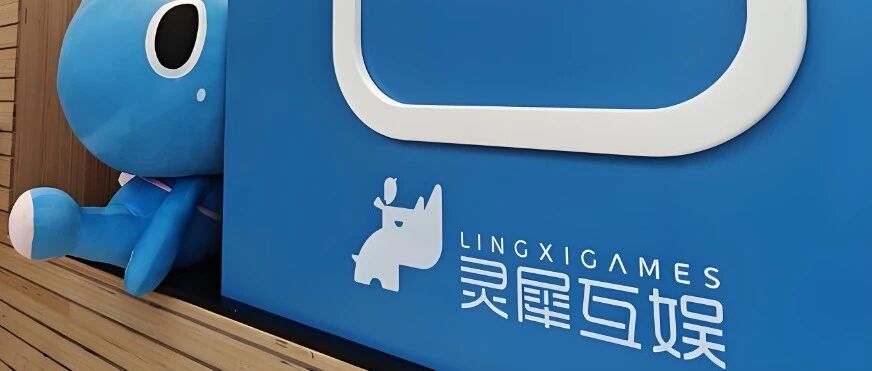
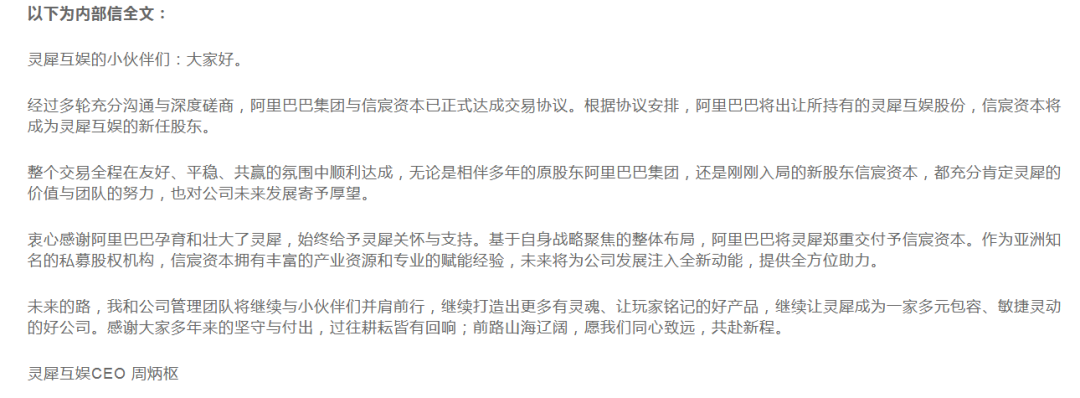
In a move that has been rumored for months, Alibaba has officially sold its gaming subsidiary Lingxi Games to CITIC Capital (via its private equity arm, Trustar Capital). The deal, reportedly valued at over $1.5 billion (approximately RMB 10.1 billion), was confirmed through an internal letter from Lingxi CEO Zhou Bingshu. This transaction marks a significant strategic shift for Alibaba, which is now doubling down on AI and cloud computing. For the gaming industry, it raises questions about the future of one of China's most successful strategy game developers and the broader trend of tech giants retreating from gaming.
Key Takeaways
-
Alibaba's Full Exit: Alibaba has sold its entire stake in Lingxi Games to Trustar Capital, the private equity arm of CITIC Capital. The deal, exceeding $1.5 billion, was confirmed via an internal letter from Lingxi CEO Zhou Bingshu on August 17, 2026. This ends Alibaba's nine-year involvement in the gaming sector.
-
Lingxi's Financial Health: Despite the sale, Lingxi Games is financially robust, with 2025 revenues estimated at RMB 3-4 billion and net profits of RMB 1.5-2 billion. It ranked in the top 10 of Sensor Tower's China mobile game publisher global revenue rankings in June 2026.
-
Strategic Rationale: Alibaba's decision is driven by its "all-in AI" strategy. With CEO Eddie Wu targeting $100 billion in AI revenue over the next five years and a $380 billion investment in AI infrastructure, gaming—which contributes less than 2% of Alibaba's total revenue—is no longer a strategic priority.
-
Buyer's Profile: Trustar Capital, managing over $14 billion in assets, is known for investments in mature companies like McDonald's China and SF Express. This is its first gaming investment in a decade, after a previous unsuccessful venture in 2015.
-
Product Concentration Risk: Lingxi's revenue is heavily dependent on Three Kingdoms Tactics (《三国志·战略版》), which accounts for over 70% of its overseas revenue. Global revenue has declined from a peak of nearly RMB 6 billion (2020-2022) to RMB 2.369 billion in 2025.
-
Management Stability: Zhou Bingshu and the current management team will remain in place, ensuring continuity in the short term. However, the long-term strategy may shift under private equity ownership.
-
Industry Trend: The sale reflects a broader exodus of Chinese tech giants from gaming. ByteDance sold Moonton, and now Alibaba has exited Lingxi, as resources pivot to AI.
Deep Dive Analysis
The sale of Lingxi Games is a textbook example of strategic portfolio pruning in the age of AI. Alibaba's acquisition of Lingxi (then Guangzhou Jian Yue) in 2017 for RMB 1 billion was part of an ambitious push to become a top-three player in China's gaming market. The launch of Three Kingdoms Tactics in 2019 was a phenomenal success, catapulting Lingxi to industry prominence. However, the company's subsequent inability to replicate that success, coupled with Alibaba's shifting priorities, made it a non-core asset.
From a financial perspective, the deal is a win for Alibaba: a 10x return on investment in nine years. But strategically, it highlights the challenges tech giants face in creative industries. Gaming requires long-term patience and a culture that fosters creativity—elements that often clash with the data-driven, efficiency-focused mindset of internet conglomerates. Alibaba's internal friction with Lingxi's founding team, which eventually departed in 2024, underscores this cultural mismatch.
For Trustar Capital, the acquisition is a calculated financial play. Private equity firms are attracted to stable cash flows and predictable returns. Three Kingdoms Tactics is a mature SLG (strategy game) with a loyal player base and consistent revenue, making it an ideal asset for a PE firm looking for steady income. However, the concentration risk is alarming: if the game's popularity wanes, Lingxi's entire revenue stream could collapse. The new management has yet to produce a hit on par with Three Kingdoms Tactics, and the pipeline, including an ambitious UE5 open-world Three Kingdoms SLG, remains unproven.
The broader industry implication is profound. Chinese tech giants, once eager to enter gaming, are now retreating. ByteDance's sale of Moonton and Alibaba's divestment of Lingxi signal a strategic realignment toward AI, which is seen as the next growth frontier. This shift could leave the gaming market to specialized companies like Tencent and NetEase, who have the expertise and patience to succeed. For Lingxi, the future is uncertain: it may thrive under PE ownership if Trustar Capital invests in new IPs, or it may be squeezed for short-term profits, stifling innovation. The next 1-2 years will be critical as the company attempts to diversify beyond its flagship title.
Frequently Asked Questions
Will the sale affect the operation of Three Kingdoms Tactics and other games? In the short term, no. The internal letter assures that the management team remains unchanged, and game operations will continue as usual. However, long-term decisions about resource allocation and new game development may be influenced by the new owner's financial objectives.
Why did Alibaba sell Lingxi despite its profitability? Alibaba is pivoting to AI and cloud computing, areas it considers core to its future growth. Lingxi's revenue, though substantial, accounts for less than 2% of Alibaba's total, making it a non-core asset. The sale allows Alibaba to focus resources on AI initiatives and simplifies its corporate structure.
What does this mean for the Chinese gaming industry? The sale reinforces a trend of internet giants exiting gaming to focus on AI. This could lead to a consolidation of the gaming market among specialized companies, and potentially reduce the influence of tech conglomerates in gaming. For players, the impact is likely minimal in the short term, but the long-term innovation pipeline may be affected if new owners prioritize cost-cutting over R&D.
Source: https://mp.weixin.qq.com/s/eX9ayaUcjEMT0VUXk00S2A
Related posts

Volkswagen to Cut 100,000 Jobs: Inside the Biggest Automaker Restructuring
Volkswagen plans 100,000 job cuts, four German plant closures, and a halved model lineup by 2035 as profits collapse and China earnings shrink.

Alibaba Scrapped Its P-Level System: What It Means for Your Company
Alibaba dismantled its 19-year-old P-level hierarchy in 2023. Here's why high-level 'performers' drain profits, and how smaller firms can cut layers before it's too late.
China's 2026 Unicorn Rankings: AI Reshapes the Top 10
China ranks second globally with 381 unicorns. AI leads the 2026 list as ByteDance, Ant Group, and DeepSeek dominate. Explore the shifting landscape.

ByteDance Boosts AI Talent Incentives with Doubao Stock Hike
ByteDance raises Doubao stock price by 14.6% to retain AI talent, expands equity incentives, and integrates teams to accelerate AI adoption in the workplace.
Chinese Mobile Games Dominate Japan & Korea Q2 2026 Revenue Charts
Diandian Interactive's Whiteout Survival and Kingshot top Japan/Korea Q2 2026 revenue rankings. Market shows steady growth with iOS users spending 1.2x more. Full analysis inside.

Global Mobile Gaming Revenue Dips 1% in August: Why Mid-Tier Games Are Losing
Sensor Tower's August report reveals a $66M monthly revenue drop in mobile gaming. Top titles grow while mid-tier suffers. Insights on market shifts, regional trends, and what it means for developers.
China Southern Airlines Incheon Airport Ground Staff Recruitment 2026: A Gateway for Bilingual Talent
China Southern Airlines is hiring ground staff at Incheon International Airport for 2026. Learn about the role, requirements, and why this is a strategic opportunity for Korean-Chinese bilinguals.

Korea Coast Guard 2026 Chinese Translation Exam: Key Dates & Rules
Korea Coast Guard's 2026 3rd recruitment Chinese translation written exam set for Sept 5. Learn schedule, scoring, ID rules, prohibited items, and results date.
Latest Articles
- Ukraine Expresses Betrayal Over US-Russia Diesel Deal
- UN Chief Condemns US Sanctions on International Criminal Court
- EU Parliament Report on China: Diplomatic Response & Future Outlook
- South Korea Successfully Tests First Indigenous Hypersonic Glide Vehicle
- Hurricane Isaias Prepares To Hit Gulf Coast: Oil Industry Evacuates, Refineries At Risk
- Delta Air Lines Cuts 2026 Forecast Due to Fuel Surge, Despite Strong Demand