Nissan Boosts U.S. Production with 2027 Rogue Hybrid Launch
Nissan eyes 3 shifts at US plants to boost production to 1M units with the new Rogue e-Power hybrid.
Source: CNBC
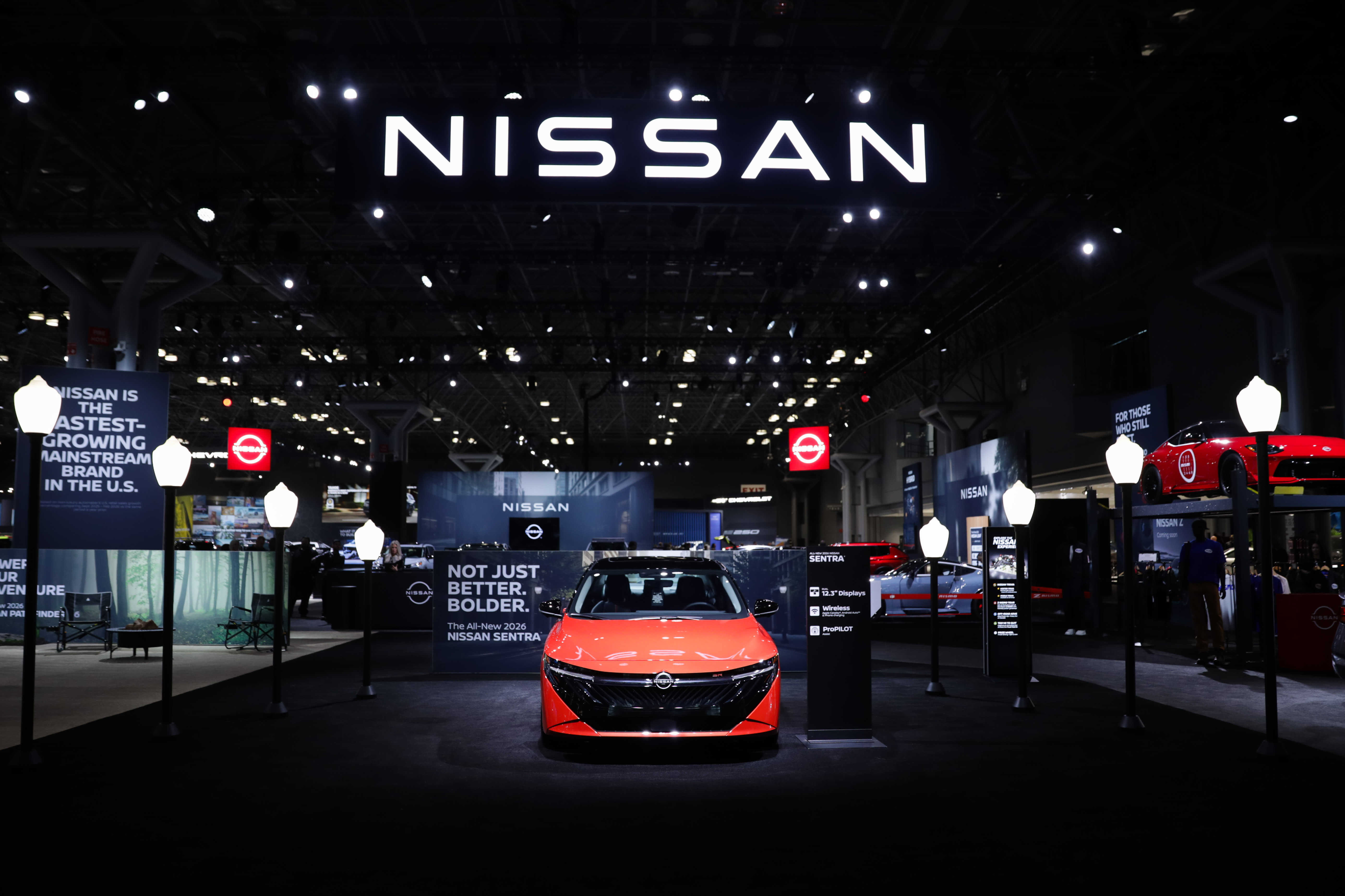
As the automotive landscape shifts toward more efficient powertrains, Nissan is making a strategic pivot to solidify its manufacturing footprint in the United States. The Japanese automaker announced plans to transition from two to three production shifts at its key assembly plants, a move directly linked to the upcoming launch of the 2027 Rogue crossover. This expansion is not merely about volume; it reflects a broader commitment to American manufacturing and a strategic bet on the growing appetite for hybrid technology among U.S. consumers.
Key Highlights of the Production Expansion
- Capacity Expansion: Nissan plans to implement three shifts at its assembly plants, aiming to significantly boost annual U.S. production capacity.
- New Hybrid Powertrain: The launch of the 2027 Rogue will feature Nissan's proprietary e-Power technology, a series hybrid system designed to compete directly with market leaders like the Toyota RAV4.
- Strategic Import Strategy: Initially, the hybrid models will be imported from Japan to accelerate market entry, ensuring a timely response to consumer demand.
- Sales Growth: This production increase is expected to push annual U.S. output to approximately 1 million units, up from nearly 487,000 in 2025.
- Market Positioning: By introducing the hybrid Rogue, Nissan aims to capture a larger share of the highly competitive small crossover segment, a segment currently dominated by hybrids.
- Global Turnaround: The production boost is part of a larger global strategy to streamline the lineup and drive sales recovery in key markets like the U.S. and China.
Deep Dive Analysis
The decision to increase production capacity comes at a critical juncture for Nissan, which is currently navigating a complex global turnaround plan. Chairman of Nissan Americas, Christian Meunier, emphasized that the company is currently "maxing out" its existing infrastructure and is optimistic that the hybrid launch will facilitate the necessary transition to three shifts. This operational upgrade is a tangible response to the evolving market dynamics, where fuel efficiency and alternative powertrains are becoming non-negotiable for many buyers.
The introduction of the 2027 Rogue with its "e-Power" technology represents a significant departure from traditional hybrid models. Unlike plug-in hybrids or fully electric vehicles, Nissan's e-Power system operates as a series hybrid. In this configuration, the gasoline engine functions solely as a generator to charge the battery, which then powers the electric motors that drive the wheels. This architecture offers the driving experience of an EV without the range anxiety or charging infrastructure requirements, positioning it as a compelling alternative for consumers wary of full electrification.
Furthermore, this move aligns with broader industry trends and geopolitical pressures. The U.S. manufacturing sector has seen renewed focus on domestic production, particularly under the Trump administration's policies aimed at increasing employment in the auto industry. By expanding shifts in Tennessee and Mississippi, Nissan is not only creating hundreds of new jobs but also signaling a long-term commitment to the American economy. This aligns with their 2030 goal of producing 80% of the vehicles sold domestically within the U.S.
However, the strategy is not without its challenges. Competitors like Toyota and Honda have already established strong footholds in the hybrid crossover segment with models like the RAV4 and CR-V. To compete effectively, Nissan is exploring unconventional sales tactics, such as allowing customers to test drive both the Rogue and its rivals at Nissan dealerships—a practice not typically standard in the industry. This aggressive marketing approach suggests that Nissan is leaving nothing to chance in its bid to regain market share.
Frequently Asked Questions
Q: What is the e-Power technology in the 2027 Rogue?
A: e-Power is Nissan's series hybrid system. Unlike traditional hybrids, it does not use the gasoline engine to drive the wheels directly. Instead, the engine acts as a generator to charge the battery, which powers the electric motors for propulsion. This provides a quiet, responsive driving experience similar to an electric vehicle without the need for external charging.
Q: How will the production increase affect the U.S. economy?
A: Implementing three shifts at assembly plants is expected to create hundreds, if not thousands, of new jobs. This expansion supports Nissan's goal of strengthening its domestic manufacturing footprint and aligns with broader economic policies focused on boosting local employment in the automotive sector.
Q: What are the pricing and competition details for the new Rogue hybrid?
A: The starting price for the 2027 Rogue hybrid ranges from $35,490 for the entry-level model to $43,490 for the "Platinum" trim. It will compete directly against the Toyota RAV4 and Honda CR-V, aiming to capitalize on the growing consumer demand for fuel-efficient crossovers.
Source: https://www.cnbc.com/2026/09/21/nissan-2027-rogue-production.html
Related posts

NVIDIA's AI Revolution: Transforming Industries with Cutting-Edge Technology
Explore how NVIDIA's latest AI innovations are reshaping industries, from healthcare to autonomous vehicles, and what this means for the future of technology.

Germany's Political Shift: AfD's Rise and the Fall of the Firewall
Why is Germany's political landscape fracturing? Analyzing the AfD's surge, the collapse of the firewall, and the rise of left-wing movements.
Pakistan Police Camp Terror Attack: China's Firm Stance Against Terrorism
China strongly condemns Pakistan police camp terror attack, reaffirming unwavering support in global fight against terrorism.
China to Participate in ASEAN Defense Exercise 'Trident Resolve' in Indonesia
Chinese military to join multinational disaster response drill focusing on earthquake and compound disaster scenarios in Southeast Asia.

Budget Airlines Shift Strategy: Frontier, Allegiant, JetBlue Add Premium Seats
Bill Franke's Frontier Airlines leads a major industry shift by introducing first-class cabins. Why are ultra-low-cost carriers finally warming up to premium upgrades?

Philippine Vessel's 'Staged' Collision: Analyzing South China Sea Tactics
A deep dive into the recent 'staged' collision between the Philippine Coast Guard and Chinese Maritime Militia vessels in the South China Sea, revealing the strategic intent behind the provocation.

Ticket Prices Surge 45% For Macklemore Solo Concert Amid Ed Sheeran Tour Fallout
Macklemore's removal from Ed Sheeran's tour triggers a ripple effect in the ticket market. Find out why resale prices for his upcoming solo shows are soaring.
The Three-Way Squeeze: How Tariffs, Fuel Costs, and Interest Rates Are Reshaping American Business
American companies face a 'triple squeeze' from tariffs, soaring fuel prices due to the Iran war, and rising interest rates, forcing executives to make tough decisions.
Latest Articles
- Semaglutide Lawsuits: Link Between Diabetes Drug and Rare Vision Damage Under Scrutiny
- Caribbean Nations Seek Reparations from Britain: A New Era of Legal Action
- How The Federal Reserve Interest Rate Changes Impact Your Wallet And The Economy
- Russia's 2026 Duma Election: War, Drone Threats, and a Tightened Grip on Power
- Microsoft Executives Admit AI Could Destroy Journalism: 'Unprecedented Theft of Labor'
- EU Proposes Ban on Social Media for Children Under 13