Verizon Fiber Cut Causes Major Flight Disruptions Across Northeast US
Construction accident in New Jersey cuts critical Verizon fiber cable, halting hundreds of flights to Newark, NYC, and Philadelphia airports.
Source: CNBC
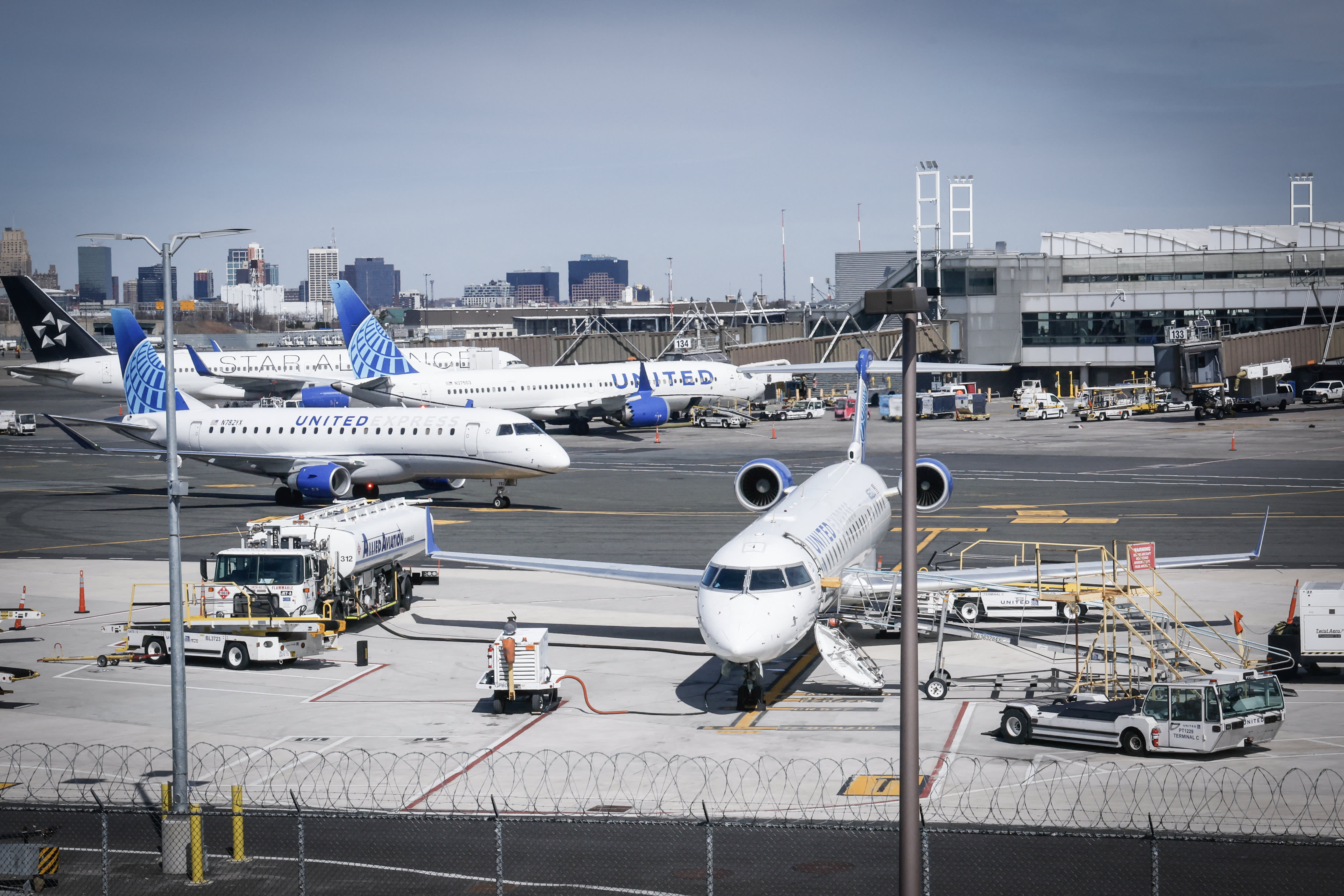
The Northeast US aviation system faced significant chaos Monday when a construction accident in New Jersey severed a critical Verizon fiber cable, disrupting air traffic control systems and causing hundreds of flight cancellations and delays across the region. The incident highlighted the fragility of our nation's aviation infrastructure and the cascading effects that can result from single points of failure in our interconnected digital systems.
Key Points
- Massive Flight Disruptions: More than 600 flights at Newark Liberty International Airport were canceled by 6 p.m., representing over half of the day's scheduled operations. Philadelphia International Airport saw over 200 cancellations and 400 delays, while LaGuardia and JFK in New York City also experienced significant disruptions.
- Root Cause: A construction crew working on a rail project between New Brunswick and North Brunswick accidentally cut a Verizon fiber-optic cable approximately 10 feet from utility markings. The incident severed both primary and backup data feeds for air traffic control systems.
- Technical Impact: The cable cut affected the Terminal Radar Approach Control (TRACON) facility in Philadelphia, which guides planes in and out of both Newark and Philadelphia airports. When the initial circuit failed, the backup system also went down due to the severed fiber.
- Emergency Response: Verizon immediately deployed technicians to repair the damaged cable, while the FAA halted flights bound for affected airports. Nearly 100 planes, including some transatlantic flights from Europe, were diverted to other airports across the United States.
- Passenger Impact: Major carriers like United Airlines and American Airlines waived change fees for affected passengers. United also offered extra pay to staff to cover trips at Newark and confirmed commuting arrangements to the New York City area.
- International Diversions: Over 100 flights bound for Newark were forced to divert, including international services from Iceland, Egypt, Greece, Spain, France, and Sweden. A United flight from Berlin was rerouted to Detroit, while an SAS flight from Stockholm went to Washington Dulles.
In-Depth Analysis
This incident serves as a stark reminder of the vulnerabilities in our nation's aging aviation infrastructure and the critical importance of redundant systems. The fact that both primary and backup systems failed simultaneously due to a single construction accident reveals potentially inadequate redundancy in our air traffic control systems. The timing of this disruption, occurring just hours before President Trump and international leaders were scheduled to arrive in New York for the United Nations General Assembly, adds another layer of significance to this infrastructure failure.
The aviation industry has long struggled with outdated equipment and technology issues, with the Trump administration previously announcing a multibillion-dollar overhaul of US air traffic control systems. However, this incident suggests that modernization efforts may be proceeding too slowly or insufficiently addressing critical vulnerabilities. The Transportation Secretary's call for additional funding to modernize aging infrastructure appears particularly timely in light of these events.
From a broader perspective, this case highlights the interconnected nature of modern infrastructure systems. A single fiber cut in New Jersey had cascading effects across multiple airports and affected thousands of passengers. This interconnection, while efficient in normal operations, creates systemic risks that require more robust fail-safes and contingency planning. The incident also raises questions about utility marking accuracy and construction site safety protocols near critical infrastructure.
Looking ahead, we can expect increased scrutiny on infrastructure redundancy and more stringent requirements for construction near critical utilities. The aviation industry may accelerate its push for modernization, potentially incorporating more advanced technologies like AI-powered air traffic control systems that were being showcased at the event where the FAA Administrator made his comments. This incident could serve as a catalyst for more comprehensive infrastructure investment and more resilient system design.
Frequently Asked Questions
How long did the flight disruptions last? Flights began resuming Monday evening after Verizon completed repairs to the damaged fiber cable, though residual delays continued into the night as airlines worked to reposition aircraft and crews.
Who was responsible for the utility markings at the construction site? NJ Transit stated that its staff was working to determine whether Verizon or the construction contractor made the utility markings at the site, with investigations ongoing to establish responsibility for the inadequate markings that contributed to the incident.
What steps are being taken to prevent similar incidents in the future? Transportation Secretary Sean Duffy has emphasized the need for additional funding to modernize aging infrastructure, and we can expect increased scrutiny on construction protocols near critical utilities, potentially leading to more stringent marking requirements and safety measures.
Source: https://www.cnbc.com/2026/09/21/newark-philadelphia-nyc-flight-disruptions.html
Related posts

Nissan Boosts U.S. Production with 2027 Rogue Hybrid Launch
Nissan eyes 3 shifts at US plants to boost production to 1M units with the new Rogue e-Power hybrid.

NVIDIA's AI Revolution: Transforming Industries with Cutting-Edge Technology
Explore how NVIDIA's latest AI innovations are reshaping industries, from healthcare to autonomous vehicles, and what this means for the future of technology.
Germany's Political Shift: AfD's Rise and the Fall of the Firewall
Why is Germany's political landscape fracturing? Analyzing the AfD's surge, the collapse of the firewall, and the rise of left-wing movements.
Pakistan Police Camp Terror Attack: China's Firm Stance Against Terrorism
China strongly condemns Pakistan police camp terror attack, reaffirming unwavering support in global fight against terrorism.
China to Participate in ASEAN Defense Exercise 'Trident Resolve' in Indonesia
Chinese military to join multinational disaster response drill focusing on earthquake and compound disaster scenarios in Southeast Asia.

Budget Airlines Shift Strategy: Frontier, Allegiant, JetBlue Add Premium Seats
Bill Franke's Frontier Airlines leads a major industry shift by introducing first-class cabins. Why are ultra-low-cost carriers finally warming up to premium upgrades?
Philippine Vessel's 'Staged' Collision: Analyzing South China Sea Tactics
A deep dive into the recent 'staged' collision between the Philippine Coast Guard and Chinese Maritime Militia vessels in the South China Sea, revealing the strategic intent behind the provocation.

Ticket Prices Surge 45% For Macklemore Solo Concert Amid Ed Sheeran Tour Fallout
Macklemore's removal from Ed Sheeran's tour triggers a ripple effect in the ticket market. Find out why resale prices for his upcoming solo shows are soaring.
Latest Articles
- The Three-Way Squeeze: How Tariffs, Fuel Costs, and Interest Rates Are Reshaping American Business
- Semaglutide Lawsuits: Link Between Diabetes Drug and Rare Vision Damage Under Scrutiny
- Caribbean Nations Seek Reparations from Britain: A New Era of Legal Action
- How The Federal Reserve Interest Rate Changes Impact Your Wallet And The Economy
- Russia's 2026 Duma Election: War, Drone Threats, and a Tightened Grip on Power
- Microsoft Executives Admit AI Could Destroy Journalism: 'Unprecedented Theft of Labor'