AliExpress Tops Brazil Shopping App Charts: What It Means for Cross-Border E-Commerce
AliExpress surged to #1 in Brazil's shopping app downloads during August sales, beating Amazon, Temu, and Shopee. Discover the growth drivers, brand strategies, and implications for global sellers.
Source: 戳蓝字关注👉
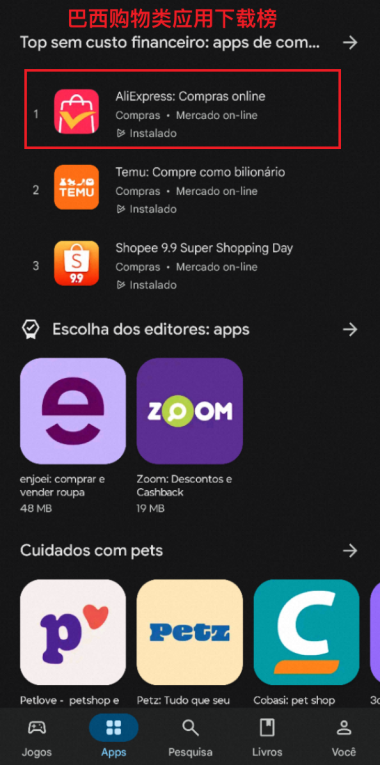
In a striking display of cross-border e-commerce momentum, AliExpress has overtaken regional giants to become the most-downloaded shopping app in Brazil during the opening days of its August promotional campaign. According to data from Data.ai, the platform surpassed Mercado Livre, Amazon, Temu, and Shopee—a feat that underscores the shifting dynamics in Latin America's largest e-commerce market. With first-day sales jumping 85% compared to the June sales event, the achievement signals more than just a temporary spike; it reflects a strategic transformation in how Chinese brands are penetrating overseas markets.

Key Highlights
-
Download Chart Topper: On the first day of the August sale, AliExpress climbed to the top of Brazil's shopping app download rankings, outpacing established players like Mercado Livre, Amazon, Temu, and Shopee. This marks a significant milestone for the platform in a market known for fierce competition.
-
Sales Surge: First-day sales during the August event grew 85% compared to the June promotion. This robust growth indicates strong consumer appetite and effective campaign execution, even during a period traditionally considered a slow season.
-
Brand-Focused Growth: The "Brand+" initiative, which supports brand merchants, emerged as a primary driver. One 3D printer brand reportedly accumulated over $2 million in sales within just two days, with its manager expressing surprise at the explosive demand.
-
Category Leaders: Computer components, particularly SSDs and memory modules, saw GMV more than double compared to the 618 sale. One SSD brand's top-selling item grew over ninefold, highlighting the sustained popularity of DIY PC building in Brazil.
-
Diverse Category Expansion: Beyond electronics, gaming peripherals, cycling accessories, and audio equipment also experienced triple-digit growth in several SKUs. This diversification suggests AliExpress is broadening its appeal beyond its traditional electronics base.
-
Consumer Perception Shift: AliExpress has successfully established a reputation among Brazilian consumers for offering "good products, good prices, and good value," particularly for high-tech categories like consumer electronics, computer office supplies, and outdoor cycling gear.
-
Integrated Marketing Approach: The platform combined offline brand exposure, affiliate marketing, influencer partnerships, and live-streaming to create a seamless "outside-plant, inside-convert" traffic loop—driving awareness externally and converting sales internally.
-
Dual-Logistics Strategy: AliExpress has invested heavily in Brazil, with both cross-border lightweight parcels and overseas warehouse heavy goods experiencing parallel growth. This dual approach ensures faster delivery and better service for a wider range of products.

In-Depth Analysis
AliExpress's rise to the top of Brazil's download charts is not an isolated victory but a testament to a well-orchestrated strategy that aligns with broader trends in Latin American e-commerce. Brazil, with its population exceeding 200 million and increasing smartphone penetration, represents a massive opportunity for cross-border platforms. However, the market has historically been dominated by local player Mercado Livre and global behemoth Amazon. AliExpress's success indicates that Chinese platforms are no longer just low-cost alternatives but are building brand equity and consumer trust.
The "Brand+" initiative is particularly noteworthy. By empowering Chinese brands to establish a presence in Brazil, AliExpress is moving away from a purely marketplace model toward a curated brand destination. This shift is crucial because Brazilian consumers are increasingly quality-conscious, and the perception of "cheap Chinese goods" is evolving into "smart Chinese brands." The 3D printer brand's rapid success exemplifies how niche, high-value products can find a receptive audience when backed by the right platform support.
Moreover, the surge in computer components and DIY PC accessories suggests a growing tech-savvy demographic in Brazil. This is likely fueled by remote work trends, gaming culture, and a desire for customization. AliExpress's ability to offer a wide assortment at competitive prices makes it a go-to for these enthusiasts. The platform's investment in logistics—both lightweight cross-border and heavier warehouse-based—ensures that even bulky items like PC cases or monitors can be delivered efficiently, removing a major barrier to purchase.
Looking ahead, the implications are profound. For Chinese sellers, Brazil represents a high-growth frontier, but success requires more than just listing products. It demands localization, brand building, and a deep understanding of local consumer behavior. AliExpress's playbook—combining data-driven marketing, influencer collaborations, and live commerce—offers a blueprint that could be replicated in other emerging markets. However, challenges remain, including regulatory hurdles, currency fluctuations, and intense competition from local and global players. The question is whether AliExpress can sustain this momentum and convert download leadership into long-term market share. Given the "brand overseas" push and the platform's aggressive investments, the answer seems promising, but only time will tell.
Frequently Asked Questions
Why did AliExpress outperform Amazon and Mercado Livre in Brazil? AliExpress's success can be attributed to its aggressive investment in local logistics, competitive pricing, and a strong push for branded products. The "Brand+" program helped Chinese brands establish credibility, while targeted marketing campaigns and influencer partnerships boosted visibility. Additionally, the platform's focus on high-tech categories like electronics and computer parts filled a niche that competitors may have under-served.
What does the "Brand+" initiative mean for international sellers? The "Brand+" initiative is designed to help brands—especially Chinese ones—enter overseas markets with comprehensive support, including marketing resources, logistics solutions, and data insights. For international sellers, this means an opportunity to leverage AliExpress's infrastructure and customer base to grow their brand in Brazil and other Latin American countries, without having to build everything from scratch.
Is the growth sustainable for AliExpress in Brazil? While the August sales surge is impressive, sustainability depends on several factors: continued investment in logistics, ability to maintain competitive pricing, and adaptation to local regulations. The platform's dual logistics strategy and focus on brand building suggest a long-term commitment. However, competition is intense, and consumer preferences can shift. AliExpress will need to keep innovating and localizing to retain its edge.
Source: https://mp.weixin.qq.com/s/Nrv3LOLxbJzUFhQVMjou9A
Related posts

Volkswagen to Cut 100,000 Jobs: Inside the Biggest Automaker Restructuring
Volkswagen plans 100,000 job cuts, four German plant closures, and a halved model lineup by 2035 as profits collapse and China earnings shrink.

Alibaba Scrapped Its P-Level System: What It Means for Your Company
Alibaba dismantled its 19-year-old P-level hierarchy in 2023. Here's why high-level 'performers' drain profits, and how smaller firms can cut layers before it's too late.

China's 2026 Unicorn Rankings: AI Reshapes the Top 10
China ranks second globally with 381 unicorns. AI leads the 2026 list as ByteDance, Ant Group, and DeepSeek dominate. Explore the shifting landscape.

ByteDance Boosts AI Talent Incentives with Doubao Stock Hike
ByteDance raises Doubao stock price by 14.6% to retain AI talent, expands equity incentives, and integrates teams to accelerate AI adoption in the workplace.
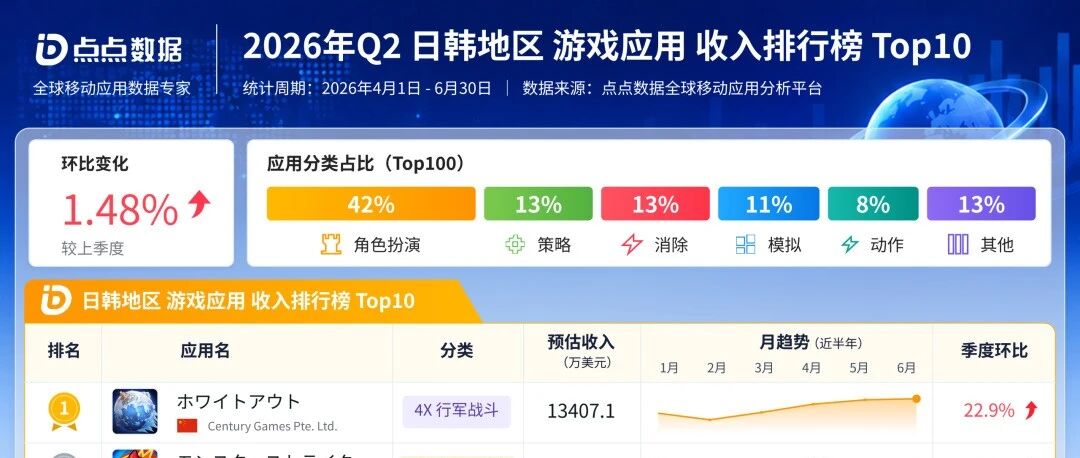
Chinese Mobile Games Dominate Japan & Korea Q2 2026 Revenue Charts
Diandian Interactive's Whiteout Survival and Kingshot top Japan/Korea Q2 2026 revenue rankings. Market shows steady growth with iOS users spending 1.2x more. Full analysis inside.

Global Mobile Gaming Revenue Dips 1% in August: Why Mid-Tier Games Are Losing
Sensor Tower's August report reveals a $66M monthly revenue drop in mobile gaming. Top titles grow while mid-tier suffers. Insights on market shifts, regional trends, and what it means for developers.

China Southern Airlines Incheon Airport Ground Staff Recruitment 2026: A Gateway for Bilingual Talent
China Southern Airlines is hiring ground staff at Incheon International Airport for 2026. Learn about the role, requirements, and why this is a strategic opportunity for Korean-Chinese bilinguals.

Korea Coast Guard 2026 Chinese Translation Exam: Key Dates & Rules
Korea Coast Guard's 2026 3rd recruitment Chinese translation written exam set for Sept 5. Learn schedule, scoring, ID rules, prohibited items, and results date.
Latest Articles
- Starbucks Acquisition of Chipotle: A Strategic Fit or Financial Overreach?
- Japan Requests China Show 'Respect' to Prime Minister, Sparks Diplomatic Row
- Skydance & Warner Bros. Merger: Building the Next Gen Media Giant
- PepsiCo Slashes Earnings Forecast as North American Turnaround Faces Delays
- German Intelligence Chief Arrested in Major Espionage Scandal
- US Company Accuses Chinese Entities of AI Attacks on Korean Banks