Tibet's Nyingchi Responds to Glacial Lake Outburst Risk with Real-Time Monitoring
Nyingchi, Tibet, swiftly addresses a new glacial lake hazard, deploying 24/7 monitoring to prevent GLOF disasters and protect downstream communities.
Source: thepaper.cn
As climate change accelerates glacial retreat across the Tibetan Plateau, the threat of glacial lake outburst floods (GLOFs) is becoming a stark reality. On August 28, 2026, the water resources authority in Nyingchi, Tibet, announced urgent measures to address a newly identified high-risk glacial lake in Gongbo'gyamda County. The lake's overlying ice and snow layer has developed cracks, raising the potential for ice collapse and lake breach—a scenario that could endanger lives and property downstream. This proactive response highlights a growing regional focus on disaster preparedness in high-altitude environments.
Key Actions Taken
-
Immediate Risk Assessment and Communication: The Nyingchi Water Resources Bureau issued an urgent advisory to local authorities, emphasizing the need for heightened vigilance. They conducted a thorough survey of downstream villages to identify vulnerable populations and prioritize protection efforts.
-
Community-Level Engagement: Leveraging village-level flood prevention officers and驻村 work teams, authorities launched comprehensive inspections along the downstream areas. Residents were instructed to recognize warning signs—such as sudden river swelling, turbidity, flow interruption, or loud rumbling sounds—and to evacuate immediately if any occur.
-
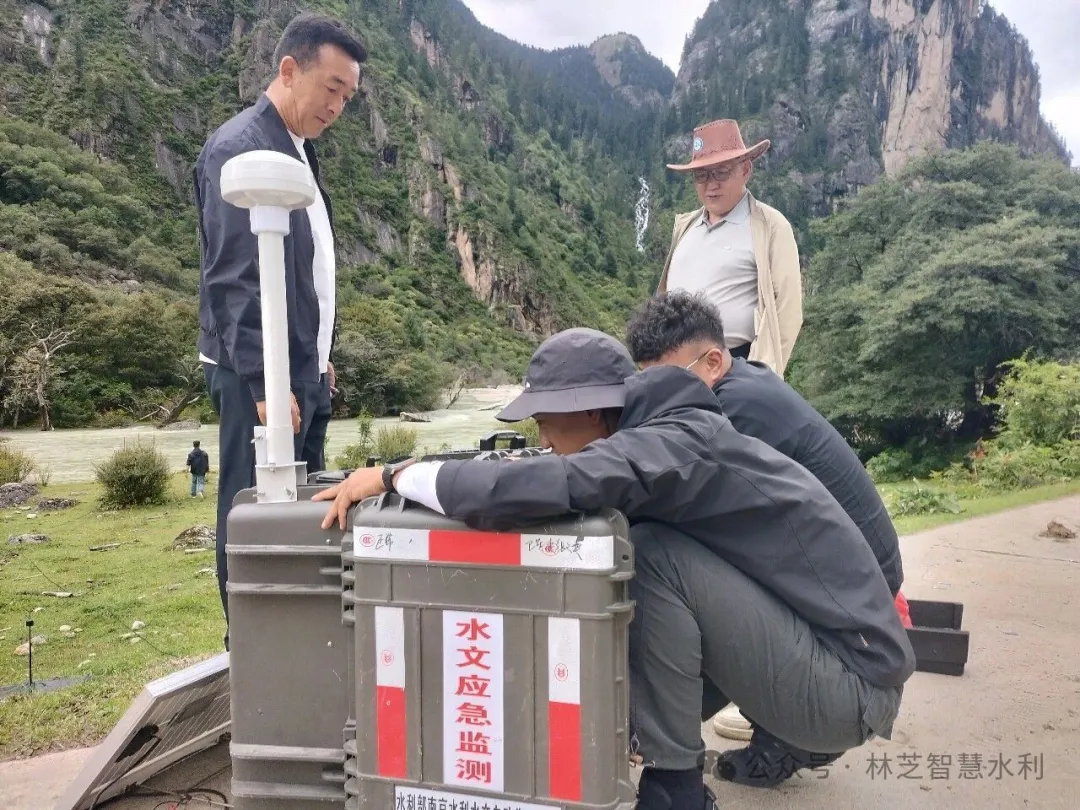
Enhanced Monitoring Infrastructure: Professional technical teams were dispatched to the site to install advanced monitoring equipment in collaboration with the local hydrological sub-bureau. This includes 24/7 real-time tracking of water levels and ice deformation, creating a technological early-warning barrier.
-
Data-Driven Decision Making: The monitoring system enables real-time data collection, timely reporting, and precise risk assessment, allowing authorities to make informed decisions swiftly.
-
Strengthened Emergency Protocols: The bureau is intensifying routine inspections and improving inter-departmental coordination. They are also refining the 'call-and-response' alert mechanism to ensure that warnings reach every at-risk individual, triggering immediate evacuation procedures if signs of danger appear.
-
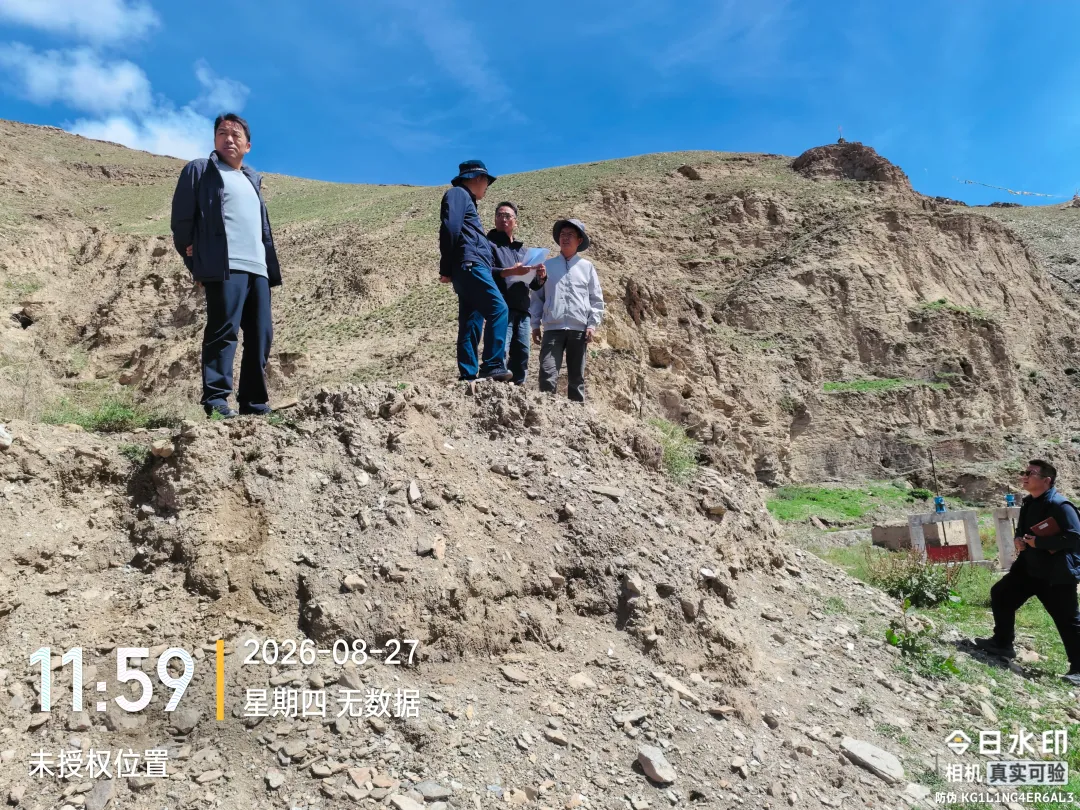
Regional Replication: Similar initiatives are being rolled out across other high-risk areas. For instance, in Dege County, Sichuan, local authorities conducted joint inspections of glacial lakes and remote valleys on August 27, focusing on glacier melt, lake capacity, dam stability, and river flow capacity.
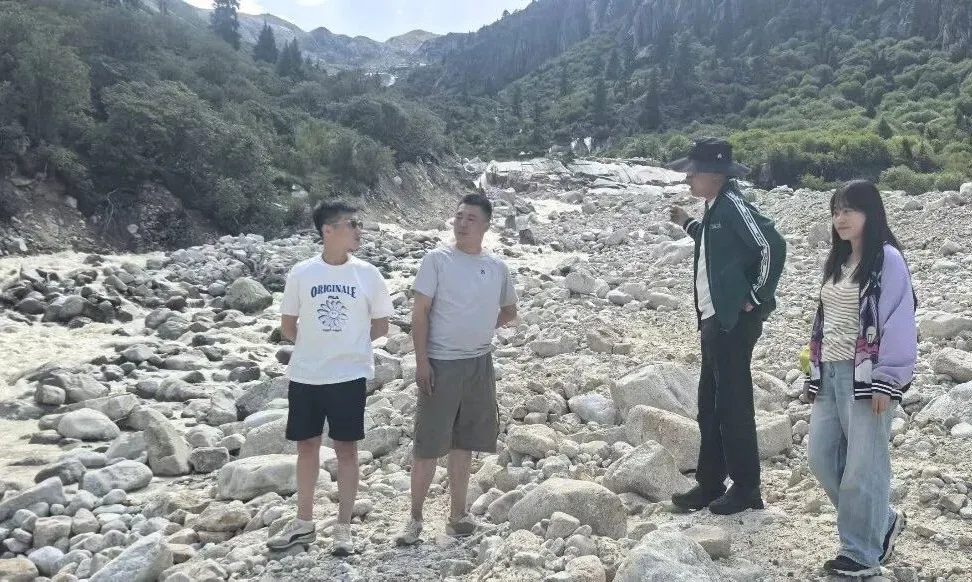
Comprehensive Hazard Mapping: In Kangma County, Shigatse, the natural resources bureau surveyed all 46 geological hazard sites and key glacial lakes, checking for cracks, seepage, and loose rocks, while also verifying monitoring equipment and evacuation routes.
In-Depth Analysis
The Nyingchi response is emblematic of a broader shift in China's disaster management strategy, moving from reactive relief to proactive prevention. With climate change intensifying glacial melt, the number of glacial lakes is increasing, and many are becoming unstable. According to a 2023 study, the Tibetan Plateau has seen a significant rise in the number and size of glacial lakes, with some at risk of breaching. The decision to deploy real-time monitoring is a critical investment, as GLOFs can occur with little warning, releasing millions of cubic meters of water and debris, devastating downstream communities.
The 'human + technology' approach is particularly noteworthy. While technological tools like satellite imagery and ground sensors provide invaluable data, the human element—trained village monitors and effective communication—remains essential. The 'call-and-response' mechanism ensures that warnings are not just issued but acknowledged and acted upon, bridging the gap between early warning and early action.
Looking ahead, we can expect to see more regions adopting similar integrated strategies. However, challenges remain, including the high cost of monitoring equipment in remote areas and the need for continuous community education. Moreover, as climate models predict further warming, the frequency of such hazards may increase, necessitating even more robust adaptation measures. The Nyingchi case sets a precedent, but it also underscores the urgency of global climate action to mitigate the root causes of these disasters.
Frequently Asked Questions
What is a glacial lake outburst flood (GLOF)? A GLOF occurs when a lake formed by glacial meltwater suddenly releases its contents, often due to the collapse of a natural dam (such as moraine or ice). This can cause catastrophic flooding downstream, with significant loss of life and property.
Why is Nyingchi particularly vulnerable? Nyingchi is located in a high-altitude region with numerous glaciers and glacial lakes. Rapid warming has accelerated glacier retreat, leading to the formation of new lakes and the expansion of existing ones, increasing the risk of breaches.
How can local residents stay safe? Residents should be aware of warning signs such as sudden changes in river flow, unusual sounds, or visible cracks in ice. They should follow evacuation orders from local authorities and participate in regular disaster preparedness drills.
Source: https://www.thepaper.cn/newsDetail_forward_33971540
Related posts

South Korea Successfully Tests First Indigenous Hypersonic Glide Vehicle
President Lee Jae-myung watches the successful launch of the Hycore hypersonic missile, marking a major shift in regional defense capabilities.
EU Parliament Report on China: Diplomatic Response & Future Outlook
China's Foreign Ministry responds to the European Parliament's recent report, condemning ideological bias and interference in domestic affairs.

Starbucks Acquisition of Chipotle: A Strategic Fit or Financial Overreach?
Starbucks reportedly explores buying Chipotle. Analyze the potential merger, synergies, and risks for both restaurant giants.
Japan Requests China Show 'Respect' to Prime Minister, Sparks Diplomatic Row
Japan demands China show proper respect to Prime Minister Sanae Takaichi after Chinese diplomats omitted her title in a press conference, escalating diplomatic tensions between the two Asian powers.

Skydance & Warner Bros. Merger: Building the Next Gen Media Giant
Skydance CEO David Ellison explains how combining Paramount and Warner Bros. creates a dominant global entertainment powerhouse.

PepsiCo Slashes Earnings Forecast as North American Turnaround Faces Delays
PepsiCo reports stronger international growth but lowers full-year earnings outlook due to underperformance in its North American market, where turnaround efforts are taking longer than anticipated.
German Intelligence Chief Arrested in Major Espionage Scandal
Former BND chief August Hanning arrested for allegedly leaking 2,000 classified documents to foreign intelligence agency, exposing critical security vulnerabilities.
US Company Accuses Chinese Entities of AI Attacks on Korean Banks
US cybersecurity firm CrowdStrike alleges Chinese individuals and organizations used AI tools to attack South Korean financial institutions, prompting diplomatic response.
Latest Articles
- Israel Closes UK Consulate in Jerusalem, Escalating Diplomatic Tensions
- Death Penalty Failure in Tennessee: Legal and Ethical Crisis After Krista Parker Survives Execution
- Levi Strauss Q3 2026: Profit Guidance Hikes Amid Tariff Refunds and DTC Challenges
- Lululemon's Strategic Product Shift: Athleta CEO Maggie Gauger Joins as Chief Product Officer
- Constellation Brands Strategic Pivot: Adapting to Beer Demand Shifts & Diversifying into RTD Beverages
- Used Car Prices Decline as Fuel Efficiency Demand Surges