Nokia's China Exit: Hangzhou R&D Closure and 1,600 Layoffs Signal a Strategic Retreat
Nokia is closing its Hangzhou R&D center and cutting 1,600 jobs as part of a broader pullback from China. Explore the reasons behind this move, its impact on the telecom industry, and what it means for Nokia's global strategy.
Source: 一刀
In a move that underscores the shifting dynamics of the global telecom industry, Nokia has announced the closure of its R&D center in Hangzhou, China, along with the layoff of 1,600 employees. This decision, reported by Light Reading, is part of a larger strategic retreat from the Chinese market, with plans to shut down offices in Beijing, Chengdu, Qingdao, and Shanghai in the coming months. As Nokia's presence in China dwindles, questions arise about the future of foreign tech companies in the region and the broader implications for global 5G development.

Key Highlights
-
Hangzhou R&D Center Closure: Nokia is shutting down its R&D facility in Hangzhou, a key hub for its technology development in China. The closure will affect 1,600 employees, who will be laid off in three batches by December 2026. This move is a significant blow to the local tech ecosystem, which has historically benefited from foreign investment and expertise.
-
Broader Office Closures: Beyond Hangzhou, Nokia plans to close its offices in Beijing, Chengdu, Qingdao, and Shanghai. This indicates a comprehensive withdrawal from the Chinese market, rather than a isolated adjustment. By 2025, Nokia's workforce in Greater China had already shrunk from 13,700 in 2020 to 7,200, and this latest round of cuts will further reduce its footprint.
-
Declining Revenue in China: Nokia's revenue from Greater China has halved, dropping from €2.2 billion in 2018 to €913 million in 2025. This sharp decline is attributed to the slowdown in 5G infrastructure spending in China, where domestic players like Huawei and ZTE dominate the market. The company's spokesperson cited the ongoing impact of 5G business challenges as a primary reason for the restructuring.
-
Strategic Shift to Global Alignment: Nokia is adjusting its operations in China to align with its global strategy. This means consolidating resources and focusing on markets where it can maintain a competitive edge. The company is pivoting towards communication infrastructure (optical, 5G/6G, IP networks) and AI computing networks, areas where it sees long-term growth potential.
-
Nokia's Transformation Beyond Phones: While Nokia is no longer a major smartphone brand, it remains a powerhouse in the telecom industry. The company generates substantial revenue from patent licensing, earning over €1 billion annually. In 2025, this figure reached €1.9 billion, accounting for 9.5% of its total revenue. This "Nokia tax" on every smartphone sold highlights its enduring influence in the tech world.

In-Depth Analysis
The decision to exit China is a calculated move by Nokia to streamline its operations and focus on more profitable markets. The Chinese telecom equipment market has become increasingly challenging for foreign companies due to intense competition from local giants like Huawei and ZTE, who offer similar technology at lower costs. Moreover, geopolitical tensions and trade restrictions have made it harder for Western firms to operate in China, prompting many to reconsider their presence.
Nokia's retreat is not an isolated incident. Other global tech companies have also scaled back their operations in China, citing regulatory hurdles and market saturation. This trend reflects a broader decoupling of technology ecosystems between the West and China, which could have long-term implications for global innovation. As Nokia shifts its focus to AI and next-generation networks, it is betting on markets in Europe, North America, and other regions where it can leverage its expertise and intellectual property.
The "Nokia tax" is a testament to the company's strategic pivot. By monetizing its vast patent portfolio, Nokia ensures a steady revenue stream without the risks associated with hardware manufacturing. This approach allows the company to invest in R&D for future technologies like 6G, while maintaining profitability. However, the loss of its Chinese R&D center may slow its innovation cycle, as China has been a hub for telecom talent and research.
Looking ahead, Nokia's exit from China could accelerate the consolidation of the global telecom equipment industry, with fewer players dominating the market. It also raises questions about the future of 5G and 6G development, as collaboration between Western and Chinese companies becomes more limited. For other multinationals, Nokia's move serves as a cautionary tale about the risks of over-reliance on the Chinese market.
Frequently Asked Questions
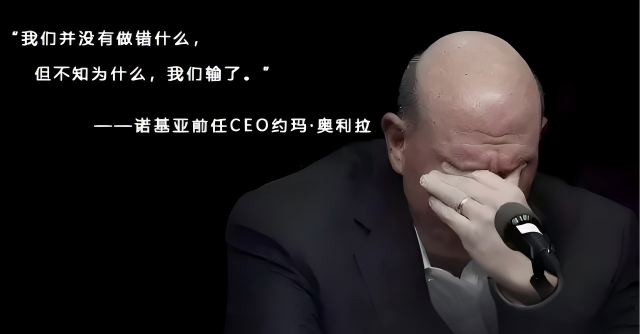
Why is Nokia closing its R&D center in Hangzhou? Nokia is closing the Hangzhou R&D center as part of a broader cost-cutting and strategic realignment. The company has seen a significant decline in revenue in China due to intense competition and reduced 5G spending, making it unsustainable to maintain a large presence there. The closure is aimed at aligning China operations with Nokia's global strategy, focusing on more profitable markets.
How will this affect Nokia's global operations? The layoffs and office closures in China are expected to have a minimal impact on Nokia's global operations, as the company is reallocating resources to other regions. Nokia remains a key player in the telecom infrastructure and patent licensing markets, and its focus on AI and 6G is likely to drive future growth. The move may also lead to increased efficiency and cost savings.
What does this mean for the telecom industry in China? Nokia's exit further consolidates the dominance of Chinese companies like Huawei and ZTE in the domestic market. It also signals a potential reduction in foreign investment and technology transfer, which could impact the pace of innovation in China's telecom sector. However, Chinese firms are well-positioned to fill the gap, and the industry is likely to continue evolving with domestic leadership.
Source: https://mp.weixin.qq.com/s/by-t-JKUvShvyF0uhIx3-Q
Related posts

Volkswagen to Cut 100,000 Jobs: Inside the Biggest Automaker Restructuring
Volkswagen plans 100,000 job cuts, four German plant closures, and a halved model lineup by 2035 as profits collapse and China earnings shrink.

Alibaba Scrapped Its P-Level System: What It Means for Your Company
Alibaba dismantled its 19-year-old P-level hierarchy in 2023. Here's why high-level 'performers' drain profits, and how smaller firms can cut layers before it's too late.
China's 2026 Unicorn Rankings: AI Reshapes the Top 10
China ranks second globally with 381 unicorns. AI leads the 2026 list as ByteDance, Ant Group, and DeepSeek dominate. Explore the shifting landscape.

ByteDance Boosts AI Talent Incentives with Doubao Stock Hike
ByteDance raises Doubao stock price by 14.6% to retain AI talent, expands equity incentives, and integrates teams to accelerate AI adoption in the workplace.
Chinese Mobile Games Dominate Japan & Korea Q2 2026 Revenue Charts
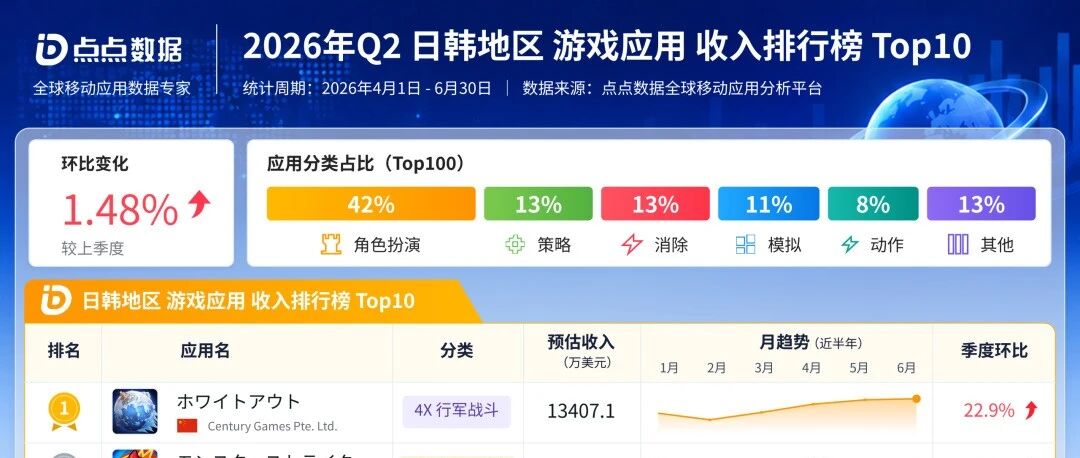
Diandian Interactive's Whiteout Survival and Kingshot top Japan/Korea Q2 2026 revenue rankings. Market shows steady growth with iOS users spending 1.2x more. Full analysis inside.

Global Mobile Gaming Revenue Dips 1% in August: Why Mid-Tier Games Are Losing
Sensor Tower's August report reveals a $66M monthly revenue drop in mobile gaming. Top titles grow while mid-tier suffers. Insights on market shifts, regional trends, and what it means for developers.
China Southern Airlines Incheon Airport Ground Staff Recruitment 2026: A Gateway for Bilingual Talent
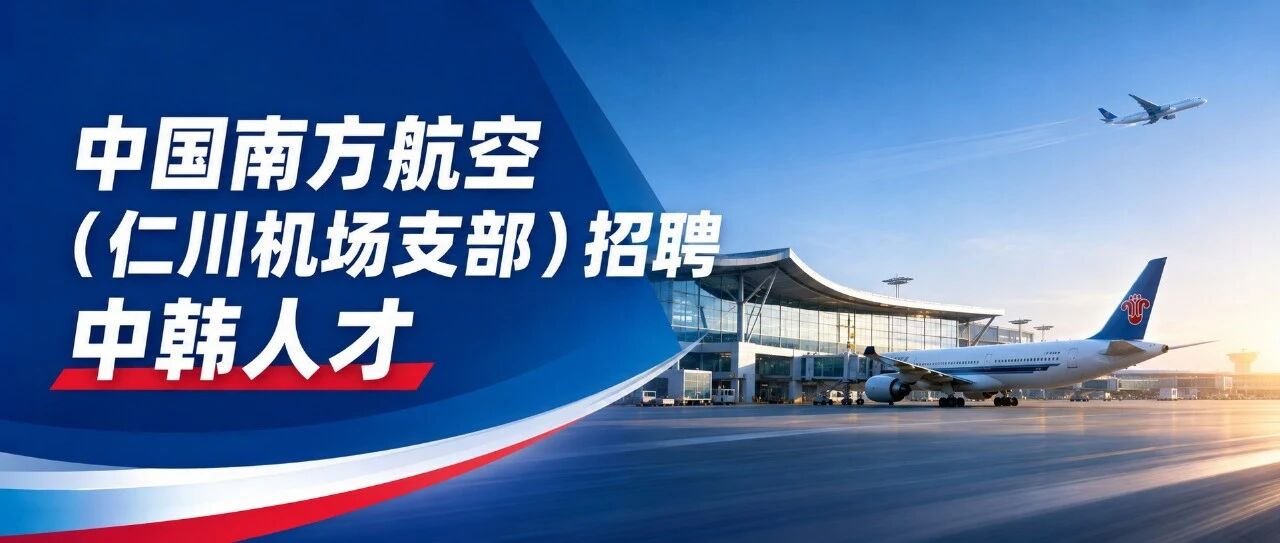
China Southern Airlines is hiring ground staff at Incheon International Airport for 2026. Learn about the role, requirements, and why this is a strategic opportunity for Korean-Chinese bilinguals.

Korea Coast Guard 2026 Chinese Translation Exam: Key Dates & Rules
Korea Coast Guard's 2026 3rd recruitment Chinese translation written exam set for Sept 5. Learn schedule, scoring, ID rules, prohibited items, and results date.
Latest Articles
- Japan Requests China Show 'Respect' to Prime Minister, Sparks Diplomatic Row
- German Intelligence Chief Arrested in Major Espionage Scandal
- US Company Accuses Chinese Entities of AI Attacks on Korean Banks
- Israel Closes UK Consulate in Jerusalem, Escalating Diplomatic Tensions
- Death Penalty Failure in Tennessee: Legal and Ethical Crisis After Krista Parker Survives Execution
- Levi Strauss Q3 2026: Profit Guidance Hikes Amid Tariff Refunds and DTC Challenges