Alibaba's Workforce Drops by 100,000 in Four Years: A Strategic Shift from Retail to AI
Alibaba's employee count fell from 254,941 to 124,320 in four years. Explore the strategic divestitures and pivot to cloud and AI that drove this transformation.
Source: 文斯月
In just four years, Alibaba Group has seen its workforce shrink by more than 100,000 people—a staggering number that might suggest mass layoffs. But the reality is far more nuanced. This dramatic reduction is not merely about cost-cutting; it reflects a profound strategic transformation as the Chinese tech giant sheds labor-intensive retail assets and doubles down on cloud computing and artificial intelligence. As global investors and tech enthusiasts watch Alibaba's every move, understanding this shift offers a window into the future of one of the world's largest e-commerce and technology conglomerates.
Key Highlights
-
The Numbers Tell a Story: Alibaba's employee count has steadily declined from 254,941 in March 2022 to 235,216 in March 2023, then to 204,891 in March 2024, and finally to 124,320 in March 2025. That's a cumulative reduction of over 130,000 employees, or roughly 51% of its peak workforce. While some of this is due to attrition and layoffs, the bulk is tied to divestitures.
-
Divestitures of Labor-Intensive Businesses: The primary driver of the headcount drop is Alibaba's strategic decision to sell off physical retail operations. In 2024, Alibaba sold its stake in Sun Art Retail (which operates hypermarket chain RT-Mart) and Intime Department Store. These businesses are notoriously labor-heavy, employing tens of thousands of staff. When these assets were sold, their employees ceased to be counted under Alibaba's umbrella, even though many kept their jobs under new ownership.
-
Shift to Cloud and AI: Alibaba has been pivoting its focus toward high-margin, technology-driven sectors. The company's cloud computing arm, Alibaba Cloud, and its AI initiatives (including the Tongyi Qianwen large language model) are now central to its growth strategy. This pivot is part of a broader industry trend where Chinese tech giants are moving away from capital-intensive, low-margin retail toward scalable digital services.
-
Becoming 'Light and Strong': Alibaba's leadership has repeatedly emphasized the goal of becoming a 'light and strong' technology company. This means streamlining operations, reducing fixed costs, and focusing on core competencies like cloud infrastructure, AI algorithms, and digital ecosystems. The workforce reduction is a direct consequence of this philosophy.
-
Not Just Layoffs: It's important to clarify that this isn't a simple story of mass firings. Many employees transferred to the acquiring companies during divestitures. For example, when Sun Art Retail was sold, its employees became part of the new owner's workforce. Alibaba's core e-commerce and tech teams have also seen some layoffs, but the scale is much smaller than the headline number suggests.
-
Industry Context: Alibaba is not alone in this transformation. Other Chinese tech giants like Tencent and JD.com have also been restructuring, though Alibaba's divestiture-driven approach is unique. Globally, tech companies are increasingly focusing on AI, which often requires fewer but more specialized workers.
-
Impact on Employees and Society: The reduction has significant implications for the Chinese job market, especially for workers in traditional retail. However, Alibaba's move also signals a broader economic shift toward a knowledge-based economy, where skills in AI and cloud computing are in high demand.

Deep Analysis
This transformation is more than a corporate restructuring; it's a strategic bet on the future of technology. Alibaba, once synonymous with e-commerce and retail, is now positioning itself as a leader in cloud computing and AI. The divestiture of physical retail assets is a clear signal that the company wants to distance itself from the low-margin, high-cost operations that defined its early growth. Instead, it aims to leverage its vast data resources and technological infrastructure to build a new revenue stream based on cloud services and AI solutions.
The timing is crucial. China's tech sector has faced increased regulatory scrutiny and economic headwinds, prompting companies to seek more sustainable business models. By focusing on cloud and AI, Alibaba aligns itself with national priorities that emphasize technological self-reliance and digital transformation. Moreover, the global AI boom, accelerated by the success of models like ChatGPT, has created a massive demand for computing power and AI capabilities. Alibaba Cloud is well-positioned to capitalize on this, offering both domestic and international clients a robust platform for AI development.
However, this pivot is not without risks. The cloud computing market is highly competitive, with players like Huawei Cloud, Tencent Cloud, and international giants like Amazon Web Services and Microsoft Azure. Alibaba will need to continuously innovate and invest in R&D to maintain its edge. Additionally, the loss of a large workforce may impact the company's ability to scale certain operations quickly, especially if it needs to pivot again in response to market changes.
Looking ahead, we can expect Alibaba to further streamline its portfolio, possibly divesting other non-core businesses. The company may also increase its focus on international expansion, particularly in Southeast Asia and other emerging markets where cloud and AI services are in high demand. For investors, this transformation could lead to higher margins and a more resilient business model, but it also requires patience as the company navigates this transitional period.
In conclusion, Alibaba's workforce reduction is a bold move that reflects a deeper strategic vision. It's a bet that technology, not physical retail, will drive the next decade of growth. Whether this bet pays off remains to be seen, but it's clear that Alibaba is determined to redefine itself for the AI era.

Frequently Asked Questions
Q: Are the 100,000+ employees who left Alibaba all laid off?
No, the majority were not laid off. Many employees were transferred to the companies that acquired Alibaba's retail assets, such as Sun Art Retail and Intime Department Store. Only a smaller portion faced direct layoffs, primarily in overlapping corporate functions.
Q: How will this affect Alibaba's business operations?
The divestitures allow Alibaba to focus on its core tech businesses—cloud computing, AI, and digital commerce. This should improve operational efficiency and profit margins, though it may reduce the company's direct presence in physical retail.
Q: What does this mean for the Chinese job market?
The shift reflects a broader economic transition from labor-intensive industries to technology-driven ones. While it may cause short-term job losses in retail, it also creates demand for skilled workers in cloud computing, AI, and data analytics, aligning with China's push for high-tech development.
Source: https://mp.weixin.qq.com/s/gWAE3gjskh1QRkGooZQp2A
Related posts

Volkswagen to Cut 100,000 Jobs: Inside the Biggest Automaker Restructuring
Volkswagen plans 100,000 job cuts, four German plant closures, and a halved model lineup by 2035 as profits collapse and China earnings shrink.

Alibaba Scrapped Its P-Level System: What It Means for Your Company
Alibaba dismantled its 19-year-old P-level hierarchy in 2023. Here's why high-level 'performers' drain profits, and how smaller firms can cut layers before it's too late.
China's 2026 Unicorn Rankings: AI Reshapes the Top 10
China ranks second globally with 381 unicorns. AI leads the 2026 list as ByteDance, Ant Group, and DeepSeek dominate. Explore the shifting landscape.

ByteDance Boosts AI Talent Incentives with Doubao Stock Hike
ByteDance raises Doubao stock price by 14.6% to retain AI talent, expands equity incentives, and integrates teams to accelerate AI adoption in the workplace.
Chinese Mobile Games Dominate Japan & Korea Q2 2026 Revenue Charts
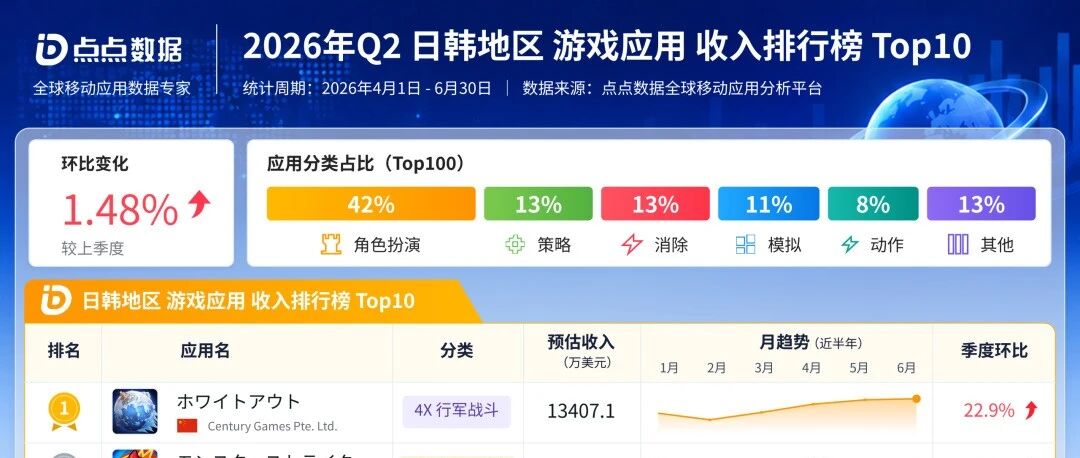
Diandian Interactive's Whiteout Survival and Kingshot top Japan/Korea Q2 2026 revenue rankings. Market shows steady growth with iOS users spending 1.2x more. Full analysis inside.

Global Mobile Gaming Revenue Dips 1% in August: Why Mid-Tier Games Are Losing
Sensor Tower's August report reveals a $66M monthly revenue drop in mobile gaming. Top titles grow while mid-tier suffers. Insights on market shifts, regional trends, and what it means for developers.
China Southern Airlines Incheon Airport Ground Staff Recruitment 2026: A Gateway for Bilingual Talent
China Southern Airlines is hiring ground staff at Incheon International Airport for 2026. Learn about the role, requirements, and why this is a strategic opportunity for Korean-Chinese bilinguals.

Korea Coast Guard 2026 Chinese Translation Exam: Key Dates & Rules
Korea Coast Guard's 2026 3rd recruitment Chinese translation written exam set for Sept 5. Learn schedule, scoring, ID rules, prohibited items, and results date.
Latest Articles
- Japan Requests China Show 'Respect' to Prime Minister, Sparks Diplomatic Row
- Skydance & Warner Bros. Merger: Building the Next Gen Media Giant
- PepsiCo Slashes Earnings Forecast as North American Turnaround Faces Delays
- German Intelligence Chief Arrested in Major Espionage Scandal
- US Company Accuses Chinese Entities of AI Attacks on Korean Banks
- Israel Closes UK Consulate in Jerusalem, Escalating Diplomatic Tensions