Macy's Q2 2026 Earnings Beat: Turnaround Gains Traction
Macy's Q2 2026 earnings show 2.7% comparable sales growth, raised guidance, and a $96M tariff refund reinvestment plan. Here's what it means for retail investors.
Source: CNBC
Macy's just delivered its strongest quarter in years, and the market barely blinked. On September 10, 2026, the department store chain reported comparable sales growth across all three of its nameplates and raised its full-year outlook — a rare combination for a legacy retailer that has spent three years fighting for relevance. Yet shares slipped slightly in morning trading, a reminder that turnaround stories take time to win over skeptical investors. Here's what the numbers actually say, and why they matter beyond one quarter.
Key Takeaways
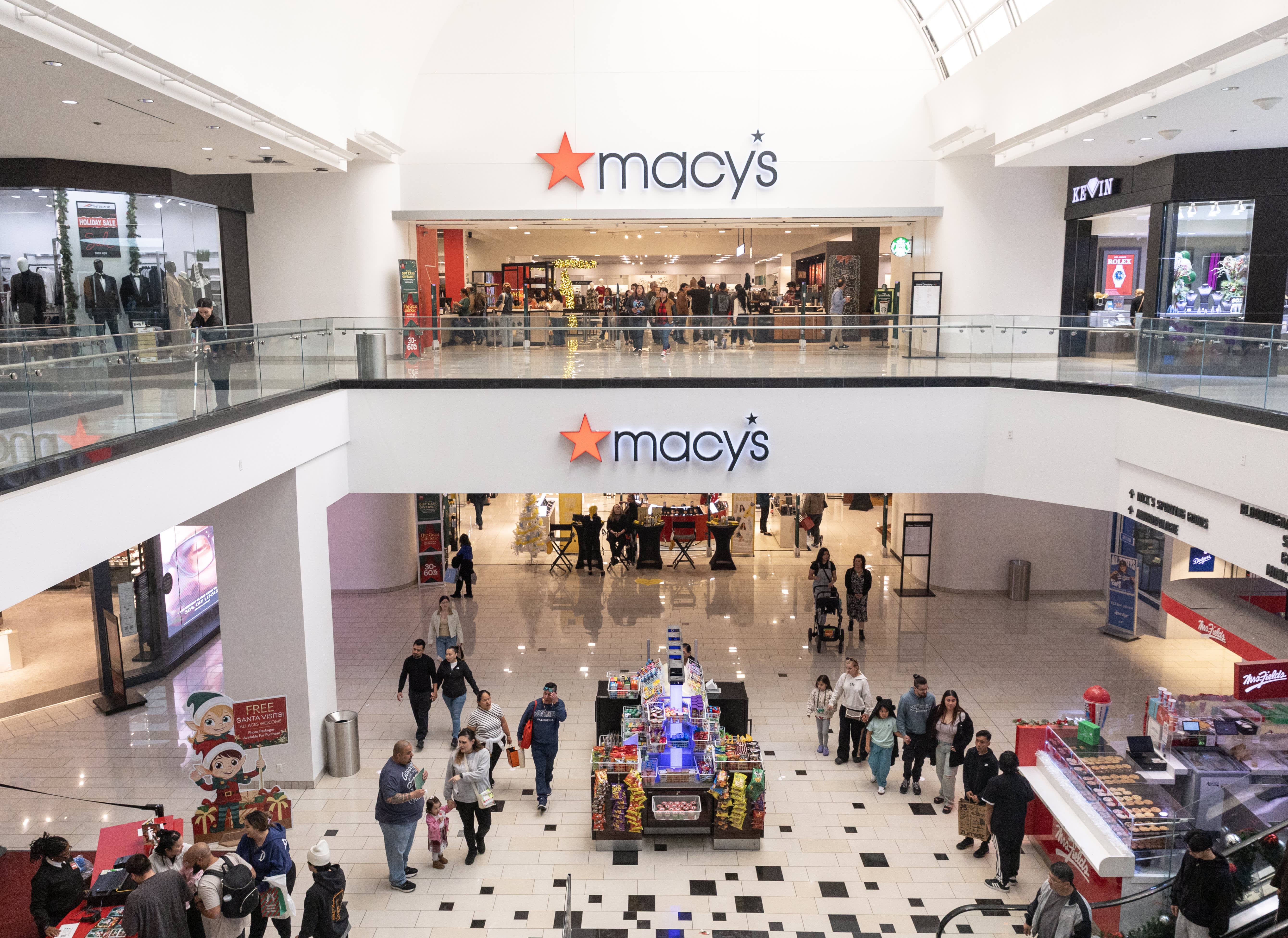
- Companywide comparable sales rose 2.7%, with the Macy's namesake brand up 1.1%. The growth was concentrated in "reimagined" stores — locations that have been physically overhauled as a centerpiece of the turnaround strategy. This suggests the capital spending is translating into actual traffic, not just cosmetic upgrades.
- Bloomingdale's posted an 11.3% comparable sales jump, making the higher-end chain the standout performer. CEO Tony Spring attributed the gain to "innovative" merchandising that keeps the brand accessible yet differentiated for affluent shoppers — a segment still spending despite broader economic caution.
- Bluemercury, the beauty brand, grew 6.2%. Beauty has been one of the most resilient categories in retail, and Bluemercury's performance reinforces that Macy's Inc. benefits from portfolio diversity rather than relying on a single banner.
- Full-year guidance was raised across the board. Net sales are now projected at $21.68–$21.83 billion (up from $21.5–$21.75 billion), comparable sales growth of 1–1.5% (up from 0.5–1.2%), and EPS of $2.15–$2.35 (up from $2.00–$2.20).
- Tariff refunds are being reinvested, not passed through as discounts. Macy's received $116 million in tariff refunds and will direct roughly $96 million into customer experience and its turnaround plan. Spring explicitly framed this as a choice for "lasting power" over temporary price cuts.
- Q2 net income hit $169 million, or 62 cents per share, versus $87 million (31 cents) a year earlier. Adjusted EPS came in at 40 cents. Sales rose modestly to about $4.87 billion from $4.81 billion.
- Credit card revenue climbed 2%, or $3 million, supported by what the company described as a healthy credit portfolio and stable net credit losses — a quiet but important signal about consumer financial health.
- The stock still dipped in early trading. Despite the beat-and-raise, investors appear to be weighing execution risk and the broader pressure on department stores rather than celebrating immediately.
Deeper Analysis
The most interesting detail in this report isn't the headline comp sales figure — it's the tariff refund decision. Macy's could have used that $116 million to fund aggressive promotions, a tactic many retailers have leaned on as inflation-weary shoppers hunt for bargains. Instead, management is funneling most of it into store remodels and customer experience. That's a bet on structural improvement over short-term traffic spikes, and it signals confidence that the turnaround has enough momentum to survive without artificial stimulation. It also protects gross margins in a category where discounting can quickly become a race to the bottom.
The bifurcation Spring described — affluent shoppers buying fashion for self-expression while budget-conscious households lean on value and off-price — is arguably the defining consumer dynamic of 2026. Macy's Inc. is unusually positioned to serve both ends simultaneously: Bloomingdale's captures the discretionary spender, while the core Macy's brand and its off-price exposure address the value seeker. Few competitors have that range. Nordstrom has tried a similar two-banner approach, but Macy's scale and real estate footprint give it more room to experiment.
The caveat is that department stores remain a structurally challenged sector. Foot traffic patterns have shifted permanently toward e-commerce and specialty retail, and Macy's is nearing the end of a three-year plan that has required heavy capital investment. The raised guidance is encouraging, but the comparable sales range of 1–1.5% is still modest by growth-retail standards. The question for the next several quarters is whether the reimagined stores can sustain their outperformance as the remodel program matures, or whether the lift fades once the novelty wears off. For now, the evidence supports cautious optimism — but the muted stock reaction suggests Wall Street wants to see another quarter or two of proof before fully buying in.
Frequently Asked Questions
Why did Macy's stock fall despite strong earnings? Beat-and-raise quarters don't always move share prices when expectations are already elevated or when investors focus on forward risks. In this case, the modest comparable sales growth range and ongoing structural pressure on department stores likely outweighed the positive headline numbers.
What are "reimagined stores" and why do they matter? These are Macy's locations that have been physically remodeled with better product assortments, more staff assistance, and improved displays. They matter because they're the clearest test of whether Macy's turnaround strategy can generate organic growth rather than relying on cost cuts.
How do tariff refunds affect Macy's earnings guidance? The company said roughly 5 cents per share of its raised EPS outlook comes from tariff repayments applied to its bottom line. Most of the $116 million refund is being reinvested into the business rather than distributed or used for discounts.
Source: https://www.cnbc.com/2026/09/10/macys-m-q2-2026-earnings.html
Related posts

Former Japanese PM Fukuda Yasuo Dies at 90: Legacy of Diplomacy and China's Call for Responsibility
Former Japanese Prime Minister Fukuda Yasuo passed away on October 22, 2026, at the age of 90. His death prompts China to reflect on the importance of historical responsibility in Sino-Japanese relations.

Chinese Woman Escapes Kidnapping in Thailand After Jumping from Moving Vehicle
A 24-year-old Chinese tourist survives abduction in Thailand, jumping from a moving car to escape captors targeting tourists with romance scams.

China to Send Giant Panda Ranran to Belgium for Diplomatic Relations
To celebrate 55 years of diplomatic ties, China is sending giant panda Ranran to Belgium. This move aims to deepen bilateral cooperation in wildlife conservation.

Lula Wins Brazilian Presidential Election with 51.79% Vote
Luiz Inácio Lula da Silva secures narrow victory in Brazil's presidential runoff, securing his fourth term as president with 51.79% of the vote.

Xi Jinping, King Philippe Celebrate 55 Years of China-Belgium Relations
President Xi Jinping and King Philippe exchanged congratulatory messages, highlighting 55 years of strategic partnership and mutual respect.

Luxury Cruise Suites: The $25,000 Night Revolution in High-End Travel
Explore the booming luxury cruise market with suites costing up to $25,000 a night. Learn how elite travel is reshaping the industry and why space and privacy are the new currency.

Wonder's Bold Vision: Texas Expansion, Automation, and User-Built Restaurants Ahead of Potential IPO
Marc Lore's food tech giant Wonder plans aggressive Texas expansion, automation push, and user restaurant platform as it considers going public with $9B valuation.
Pepsi Extends Taco Bell Partnership Despite KFC's Switch to Coke
PepsiCo renews beverage deal with Taco Bell through 2036, days after sister chain KFC switches to Coca-Cola in strategic industry shift.
Latest Articles
- Brazil Presidential Election Runoff: Bolsonaro vs. Lula
- China's Middle East Envoy Holds Key Talks with Saudi Diplomatic Advisor
- Israel Election 2026: Netanyahu Faces Historic Protests and Tight Polls
- US Travel Alert: Middle East Security Risks Rise Amid Iran and Houthi Threats
- AI Safety Risks: Global Experts Share Solutions at 2026 Governance Forum
- UN Reform: China's 55-Year Commitment to Multilateralism