US Bans Some Canadian Imports, Imposes New Tariffs: What It Means
The US has banned certain Canadian goods and announced new tariffs under the Smoot-Hawley Act. Explore the details, implications, and what's next for trade relations.
Source: thepaper.cn
In a dramatic escalation of trade tensions, the United States has announced a ban on certain Canadian imports and introduced new tariffs, citing unfair trade practices. This move, grounded in a rarely used provision of the Smoot-Hawley Tariff Act, marks a significant shift in North American trade policy. As the world watches, businesses and consumers on both sides of the border are bracing for impact. Here's what you need to know about this developing story.
Key Developments
- Import Bans on Specific Products: Starting September 29, the US will prohibit the import of certain Canadian alcoholic beverages, motorcycles, and dairy products. This action is taken under Section 338 of the Smoot-Hawley Tariff Act, which allows the president to impose restrictions on countries that discriminate against US goods.
- New Tariffs on 100 Categories: From September 15, the US will impose a 50% tariff on approximately 100 categories of Canadian products, including animal hides, cheese, furniture, base metals, and aluminum products. This is a substantial broadening of the tariff scope.
- Replacement of Previous Tariffs: The new measures replace earlier tariffs that had been imposed on some Canadian goods, indicating a recalibration of the US approach rather than a simple escalation.
- Background of Dispute: The US claims that Canada has maintained discriminatory practices against American alcoholic beverages, dairy, and automobiles, and has announced additional retaliation measures. This prompted the US to respond with these new restrictions.
- Canadian Response: Dominic LeBlanc, Canada's minister for Canada-US trade, said the government is assessing the situation. He emphasized that protecting workers, farmers, families, and businesses from these "unjustified measures" remains the top priority.
- Prime Minister's Stance: Canadian Prime Minister Mark Carney stated that strengthening domestic capacity and expanding international partnerships is Canada's "Plan A," including building new ports, mines, and energy infrastructure, and signing new trade agreements with other countries.
In-Depth Analysis
This latest action by the US is notable for its invocation of the Smoot-Hawley Tariff Act, a 1930 law often criticized for worsening the Great Depression. Its use signals a willingness to employ aggressive, unilateral tools in trade disputes. The focus on dairy and alcohol reflects long-standing grievances in these sectors, where Canada maintains supply management systems that restrict imports. However, the expansion to furniture, base metals, and aluminum suggests a broader strategy to pressure Canada on multiple fronts. This move could have significant ripple effects, potentially disrupting integrated supply chains in North America, particularly in the automotive and manufacturing sectors. For Canada, the response appears measured: assessing the impact while signaling a commitment to diversify trade partners. The mention of new infrastructure and trade deals indicates a strategic pivot away from over-reliance on the US market. Looking ahead, this dispute could escalate further, but it also opens opportunities for Canada to strengthen ties with other economies. Businesses should prepare for potential disruptions and explore alternative markets. The coming months will be crucial in determining whether these measures lead to a renegotiation of trade terms or a prolonged trade war.
Frequently Asked Questions
Why is the US using the Smoot-Hawley Tariff Act? This law gives the president broad authority to impose tariffs or bans on countries that discriminate against US products. Its use is rare, but it provides a legal basis for the current actions, signaling a hardline stance in trade negotiations.
What products are affected by the US ban and tariffs? The ban covers certain Canadian alcoholic beverages, motorcycles, and dairy products starting September 29. Additionally, tariffs of 50% will apply to about 100 categories, including animal hides, cheese, furniture, base metals, and aluminum products from September 15.
How is Canada likely to respond? Canada is currently assessing the measures. The government has stated its priority is protecting its citizens and businesses. It may pursue retaliation, but it is also focusing on diversifying trade relationships and strengthening domestic industries, as indicated by Prime Minister Carney's remarks.
Source: https://www.thepaper.cn/newsDetail_forward_34037828
Related posts
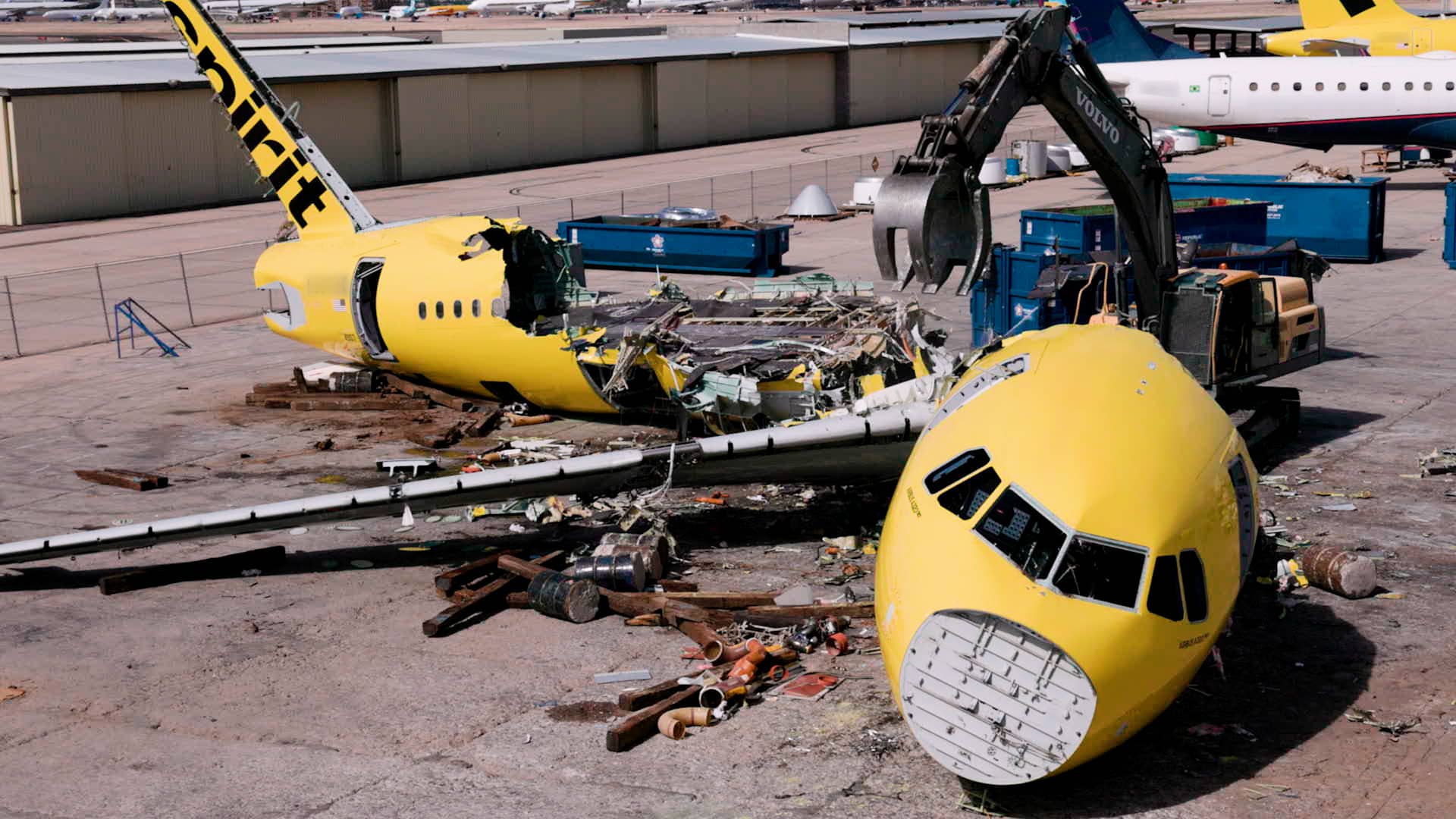
Why Airlines Are Scrapping Brand-New Aircraft Amid Engine Shortage Crisis
Airlines are dismantling planes years ahead of schedule due to unprecedented engine shortages, creating a booming market for aircraft parts while raising concerns about sustainability and operational costs.

Comcast Exceeds Q3 Earnings Expectations as Media Strength Outweighs Connectivity Challenges
Comcast beats Wall Street expectations with strong media performance, while Peacock streaming service turns profitable for second time. The company faces challenges in connectivity but sees growth opportunities in mobile.

David's Bridal Spins Off AI Platform Pearl for Public Listing
David's Bridal plans to spin off its AI platform Pearl into a publicly traded company, targeting a $350M valuation and a first-half 2027 IPO.

Elon Musk's Billion-Dollar Bet: New Investment in Skydance Media
Elon Musk invests $1 billion in Skydance, a major media merger involving Paramount and Warner Bros. Discovery. This strategic move aims to cut costs and secure the future of the combined entertainment giant.

NHK Documentary Exposes Secret 1978 Yasukuni Shrine Ritual
Newly released archival footage reveals the 1978 secret ritual that enshrined Class-A war criminals, exposing Japan's persistent historical revisionism.
Philippines Air Force Training Crash: 4 Pilots Killed in SF-260 Collision
A tragic air collision during a routine training mission in the Philippines has resulted in the deaths of four Air Force pilots. The incident highlights critical safety concerns within the country's military aviation infrastructure.
North Korea Holds Third Company Commanders Meeting Amid Military Reinforcement
Analysis of North Korea's recent military leadership gathering focused on strengthening company-level units and enhancing combat readiness.

Gen Z Candidates Tackle Housing Crisis in Midterms 2026
Young lawmakers from both parties are campaigning on solving the record-high cost of living. Explore how Gen Z is reshaping the housing debate.
Latest Articles
- Tibetan Plateau Earthquake: Analysis of the 7.0 Magnitude Quake and Post-Disaster Response
- Meta's New Link Policy: Why Social Media Sites Want You to Stay
- Darden vs. Chipotle: How Portfolio Diversification Impacts Restaurant Stock Performance in 2026
- High Fares And Fewer Passengers: Why Airlines Are Profitable Despite Lower Demand
- American Express Cuts 5% of Workforce to Accelerate AI Transformation
- Israel Imposes Total West Bank Blockade After Hebron Attack