LIV Golf Files for Chapter 11: What It Means for the Future of Golf
LIV Golf's bankruptcy filing signals a major shift in professional golf. Explore the Saudi funding cliff, player ownership plans, and industry implications.
Source: CNBC
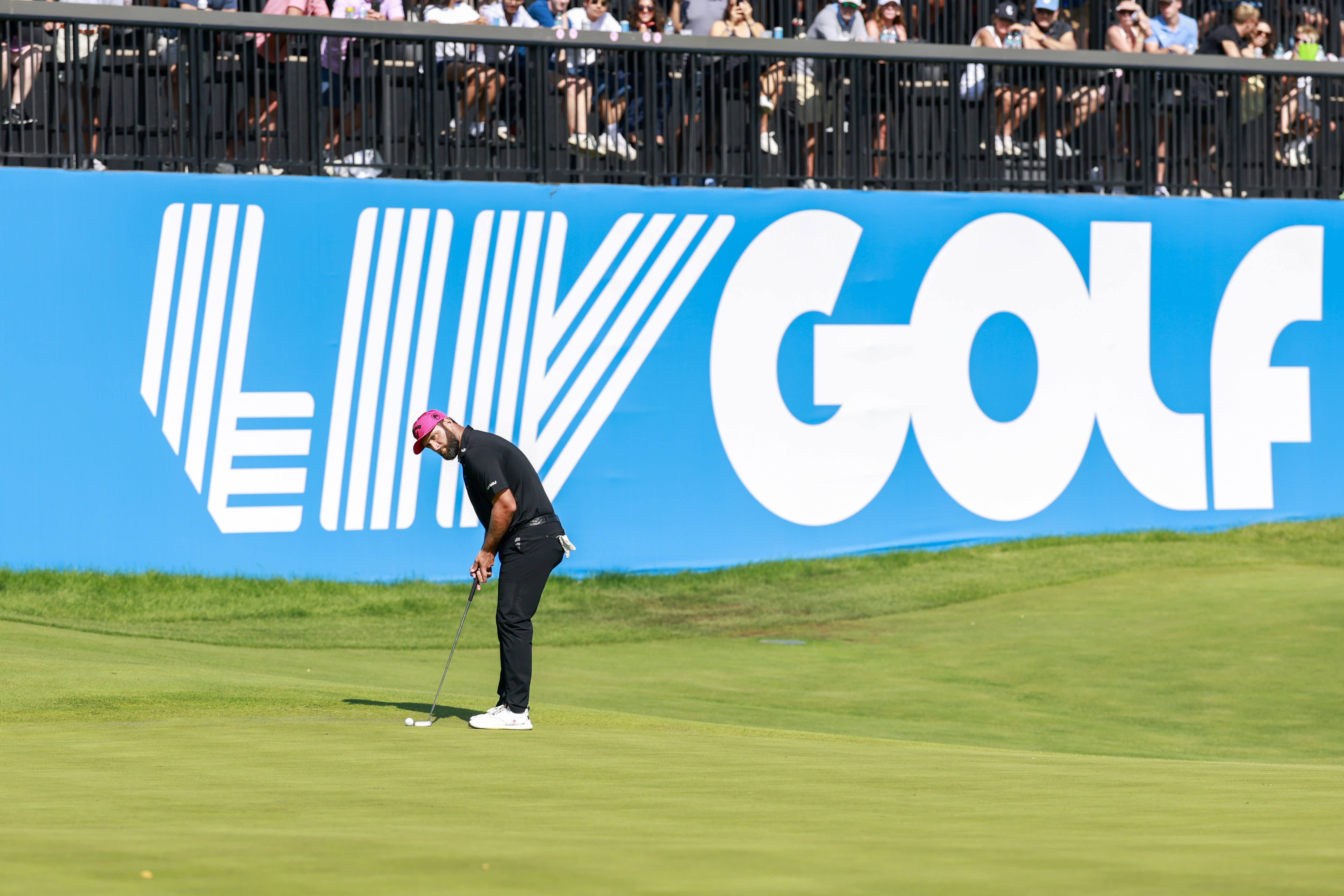
The professional golf world is bracing for a seismic shift as LIV Golf, the Saudi-backed upstart league, has filed for Chapter 11 bankruptcy protection. This move comes after months of uncertainty over its primary financial backer, Saudi Arabia's Public Investment Fund (PIF), which was reportedly set to withdraw funding at the end of the 2026 season. The filing marks a critical juncture not just for LIV, but for the entire golf ecosystem, as the league seeks to reinvent itself with a player-first ownership model. Here’s what you need to know about this landmark development and what it could mean for the sport's future.
Key Developments in LIV Golf's Bankruptcy Filing
-
Chapter 11 Filing and Restructuring Agreement: LIV Golf has filed for Chapter 11 protection in the U.S. Bankruptcy Court for the District of New Jersey. This filing is part of a restructuring support agreement with BC Partner Advisors LP, the credit arm of private equity firm BC Partners. The agreement aims to stabilize the league's finances while it seeks new investment.
-
Saudi Funding Cliff: The PIF, which initially backed LIV Golf, was set to end its funding at the conclusion of the 2026 season. This looming deadline forced LIV to explore alternative financing options, including an investor roadshow earlier this year to raise up to $350 million. The bankruptcy filing provides a structured process to secure new capital.
-
Player-Owned Future: As part of the proposed bankruptcy deal, LIV Golf is expected to become majority-owned by its players. The league says it is in advanced talks with players to finalize this innovative ownership structure. This would mark a significant departure from traditional golf league models, where players are typically employees or independent contractors.
-
Bridge Financing from PIF: Despite the planned exit, PIF has agreed to provide $49.6 million in debtor-in-possession financing to keep LIV Golf operational during the bankruptcy proceedings. This funding is crucial for the league to continue its 2026 season and pay staff and players.
-
BC Partners' Role: Following the bankruptcy exit, BC Partners Credit and other minority stakeholders are expected to provide ongoing financing. This suggests a long-term commitment from BC Partners to reshape LIV Golf's financial foundation.
-
CEO's Optimism: LIV Golf CEO Scott O'Neil described the process as giving the league "structure and time to pursue a landmark transaction." He emphasized a vision built around fans, an innovative player-first model, and integration into the global golf ecosystem.
Background of Rivalry: LIV Golf was launched as a rival to the PGA Tour, attracting top players with lucrative contracts. In 2023, a merger between LIV and the PGA Tour was announced but has yet to be finalized. The bankruptcy filing adds another layer of complexity to these ongoing negotiations.
In-Depth Analysis: A Turning Point for Professional Golf
The bankruptcy filing is more than a financial restructuring; it's a pivotal moment that could redefine the business of professional golf. LIV Golf's rise was fueled by enormous Saudi investment, which allowed it to poach stars like Phil Mickelson and Dustin Johnson with nine-figure contracts. However, the league has struggled to secure a sustainable revenue model, relying heavily on PIF's deep pockets. With PIF pulling back, LIV faces the harsh reality of needing to stand on its own.
The proposed player-ownership model is a bold experiment. By giving players an equity stake, LIV aims to align incentives and create a sense of shared purpose. This could attract new investors who see value in a league where players are invested in its success. However, it also raises questions about governance and decision-making, as players may have conflicting interests as both competitors and owners.
From an industry perspective, this development could influence the PGA Tour's approach. The Tour has been criticized for its traditional structure, and LIV's player-first model might pressure it to offer more revenue-sharing opportunities. Additionally, the bankruptcy could complicate any future merger talks, as LIV's financial instability may make it a less attractive partner.
Looking ahead, the golf world will watch closely to see if LIV can emerge from bankruptcy with a viable business plan. The league's ability to secure new investors, retain top talent, and build a loyal fan base will be critical. If successful, LIV could become a case study in sports innovation. If not, it might signal the limits of disruptive models in traditional sports.
Frequently Asked Questions
Q: Will LIV Golf stop operating during bankruptcy? No. LIV Golf will continue its operations, including the 2026 season, thanks to $49.6 million in debtor-in-possession financing from PIF. The bankruptcy process is designed to restructure debts while keeping the business running.
Q: What does player ownership mean for LIV Golf players? If approved, the majority of LIV Golf would be owned by its players. This means players would have a direct financial stake in the league's success, potentially influencing strategic decisions. It's a unique model that could increase player loyalty and attract new investors.
Q: How does this affect the PGA Tour merger talks? The bankruptcy filing adds uncertainty to the proposed merger between LIV and the PGA Tour. While talks were already stalled, LIV's financial restructuring could either facilitate a new deal or further complicate negotiations, depending on how the bankruptcy proceedings unfold.
Source: https://www.cnbc.com/2026/09/08/liv-golf-chapter-11-bankruptcy.html
Related posts

Why Airlines Are Scrapping Brand-New Aircraft Amid Engine Shortage Crisis
Airlines are dismantling planes years ahead of schedule due to unprecedented engine shortages, creating a booming market for aircraft parts while raising concerns about sustainability and operational costs.

NHK Documentary Exposes Secret 1978 Yasukuni Shrine Ritual
Newly released archival footage reveals the 1978 secret ritual that enshrined Class-A war criminals, exposing Japan's persistent historical revisionism.
Philippines Air Force Training Crash: 4 Pilots Killed in SF-260 Collision
A tragic air collision during a routine training mission in the Philippines has resulted in the deaths of four Air Force pilots. The incident highlights critical safety concerns within the country's military aviation infrastructure.

North Korea Holds Third Company Commanders Meeting Amid Military Reinforcement
Analysis of North Korea's recent military leadership gathering focused on strengthening company-level units and enhancing combat readiness.

Gen Z Candidates Tackle Housing Crisis in Midterms 2026
Young lawmakers from both parties are campaigning on solving the record-high cost of living. Explore how Gen Z is reshaping the housing debate.
Tibetan Plateau Earthquake: Analysis of the 7.0 Magnitude Quake and Post-Disaster Response
Expert analysis of the 7.0 magnitude earthquake in Baingoin, Tibet, examining its geological significance and the unique challenges of disaster response at high altitudes.

Meta's New Link Policy: Why Social Media Sites Want You to Stay
Meta is introducing paid plans to limit free hyperlink posting, a strategic move driven by the business model of keeping users engaged on platforms.
Darden vs. Chipotle: How Portfolio Diversification Impacts Restaurant Stock Performance in 2026
Why owning multiple brands like Darden and Brinker International outperformed single-chain giants like Chipotle and McDonald's in 2026. Analyzing the power of portfolio diversification.
Latest Articles
- High Fares And Fewer Passengers: Why Airlines Are Profitable Despite Lower Demand
- American Express Cuts 5% of Workforce to Accelerate AI Transformation
- Israel Imposes Total West Bank Blockade After Hebron Attack
- Russia Starts Diesel Exports to US: Geopolitical Shifts Ahead
- Peru Allocates $1.8 Billion to Combat El Niño and Economic Headwinds
- Trump Demands SpaceX Lift Starlink Restrictions for Ukraine Amid Geopolitical Tensions