Afghanistan's Economy Grows, but Afghans Struggle: A Five-Year Review
Taliban's five-year rule sees GDP rise but living conditions worsen. Explore the paradox of economic growth amid sanctions, aid cuts, and rising poverty in Afghanistan.
Source: thepaper.cn
Five years after the Taliban's return to power in Afghanistan, the streets of Kabul tell a story of visible construction and new businesses. Yet, for many ordinary Afghans, daily life has become a struggle for survival. This contrast between macroeconomic indicators and lived reality raises critical questions about the nature of development under sanctions and isolation. As the world watches, Afghanistan's trajectory offers a stark lesson on the limits of growth without inclusive institutions and international engagement.
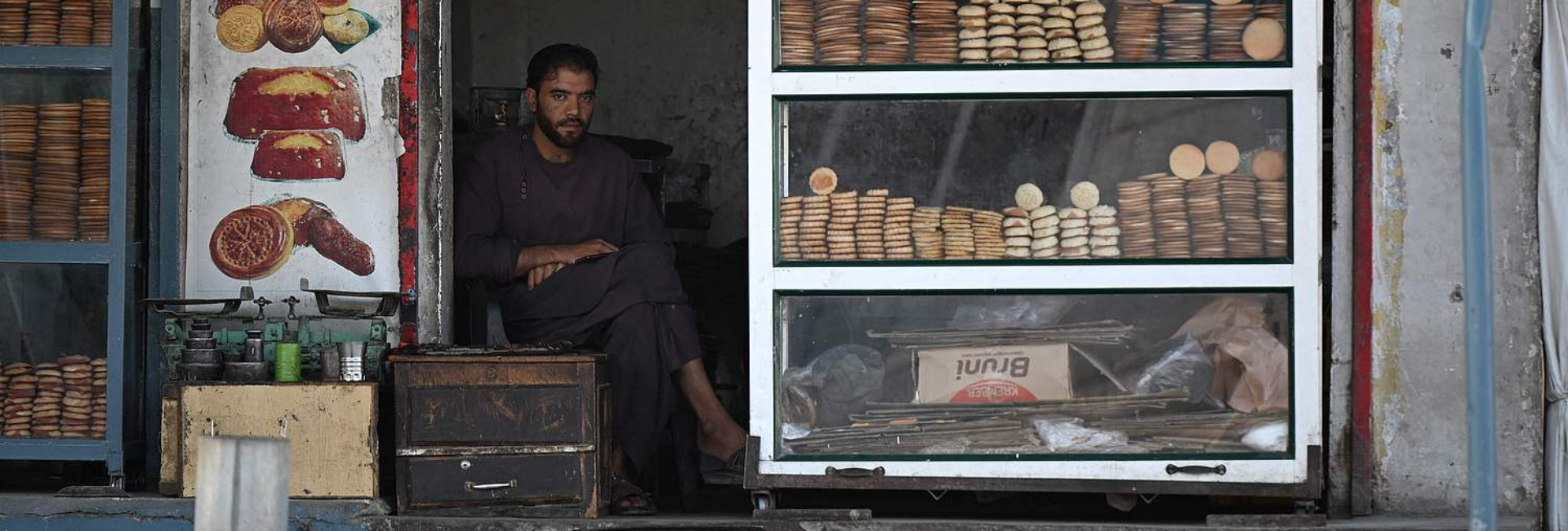
Key Takeaways
-
GDP Growth Masks Reality: While Afghanistan's GDP grew by about 4.8% in the past year, real per capita GDP fell by 5.6%, indicating that population growth and inequality are eroding any gains. This growth is largely driven by private consumption and non-agricultural activities, not sustainable development.
-
Unemployment and Poverty Soar: With a 13.35% unemployment rate (2025) and 26% of the working-age population jobless, many families have slipped from middle class to poverty. The loss of foreign aid and NGO projects has eliminated formal jobs, forcing many into informal, low-paying work.
-
Sanctions and Frozen Assets Cripple the Economy: The U.S. and Western sanctions, along with the freezing of $9.5 billion in Afghan central bank reserves, have severely limited the country's ability to conduct international trade and stabilize its currency. This has pushed more transactions into unregulated informal channels like the Hawala system.
-
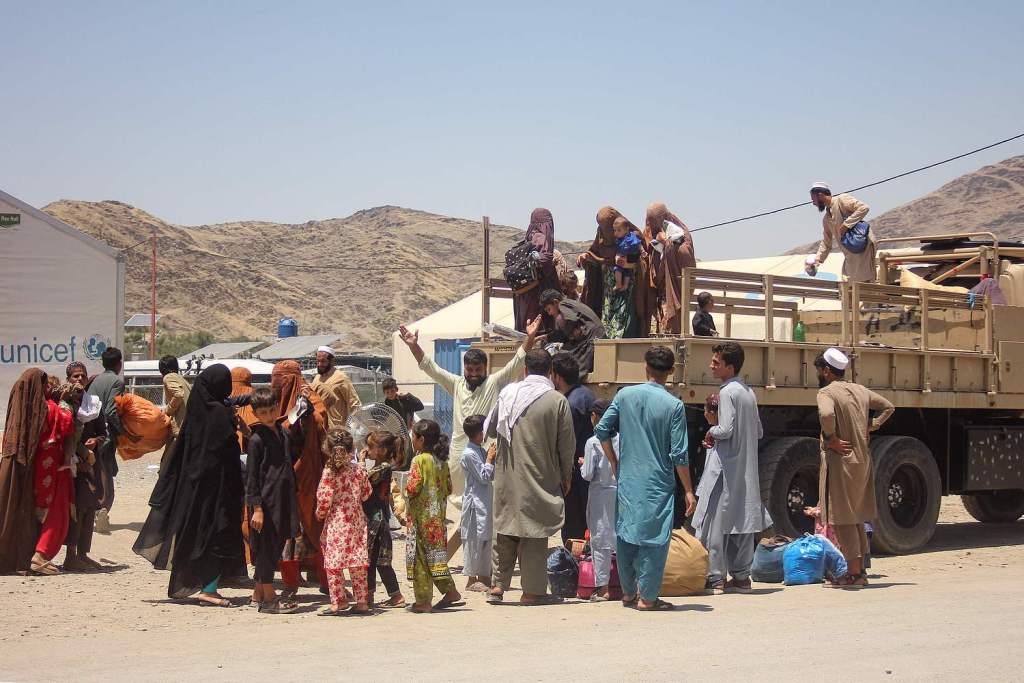
Mass Returns Exacerbate Crisis: Over 3.2 million Afghan refugees returned from Iran and Pakistan in 2025, straining housing, jobs, and social services. Many returnees arrive penniless, lacking documentation, and face bleak prospects, increasing social tensions.
-
Border Closures and Regional Conflicts: The closure of key border crossings with Pakistan and the ongoing Middle East conflict have disrupted trade routes, causing prices to spike. For example, the price of a 10kg bag of rice in Herat jumped from $22 to $39 after the border closure.
-
Foreign Aid Cuts Deepen Hardship: International humanitarian aid has plummeted, with the 2026 appeal only 16% funded (raising $269 million of the $1.7 billion needed). This has left three-quarters of Afghan households unable to meet basic needs, including food and healthcare.
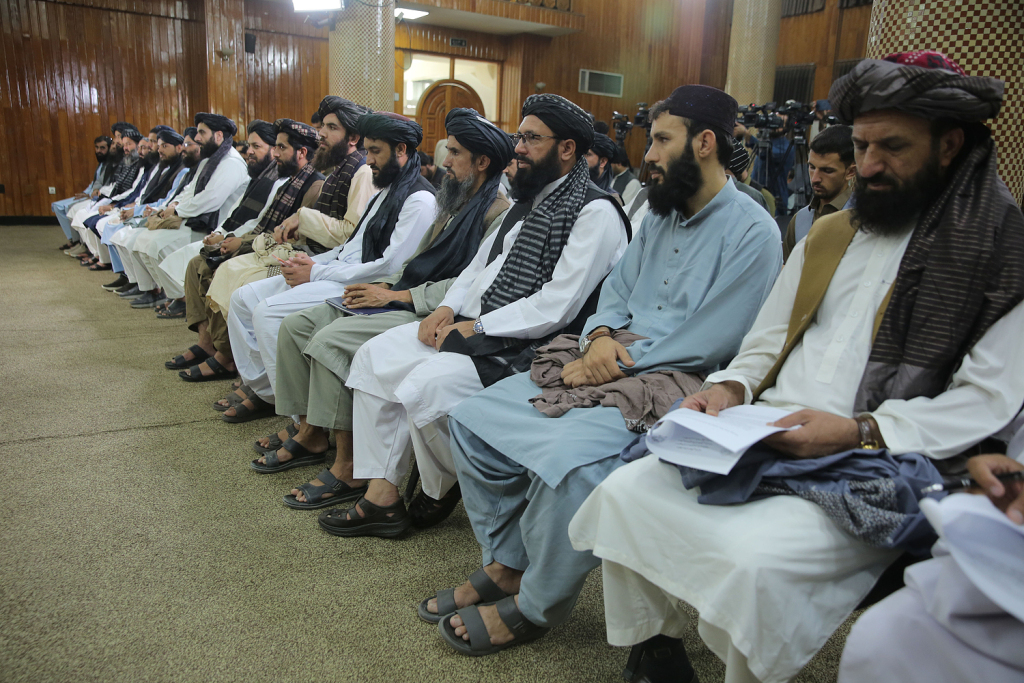
In-Depth Analysis
The economic paradox in Afghanistan stems from a fundamental mismatch between aggregate growth and household welfare. The Taliban's focus on infrastructure and mineral extraction has generated some revenue, but these sectors are capital-intensive and create few jobs. Meanwhile, the informal economy, which dominates, is not captured in official statistics, masking the true extent of underemployment. The freezing of central bank assets and the lack of correspondent banking relationships have isolated Afghanistan from global finance, stifling private investment and credit. This is a classic case of 'picking low-hanging fruit'—the initial recovery from a low base is easy, but sustained growth requires structural reforms that the Taliban has been unwilling to undertake, particularly regarding women's rights and education. The regime's failure to reintegrate into the international community has also cut off access to technology and markets, leaving Afghanistan dependent on volatile neighbors. The recent shift toward Iran and Central Asia is a pragmatic response, but it is not a long-term solution. For Afghanistan to truly prosper, it needs a comprehensive strategy that includes human capital development, legal reforms, and a credible path to international recognition. Without these, the current growth will likely fizzle, and the country will remain trapped in a cycle of poverty and instability.
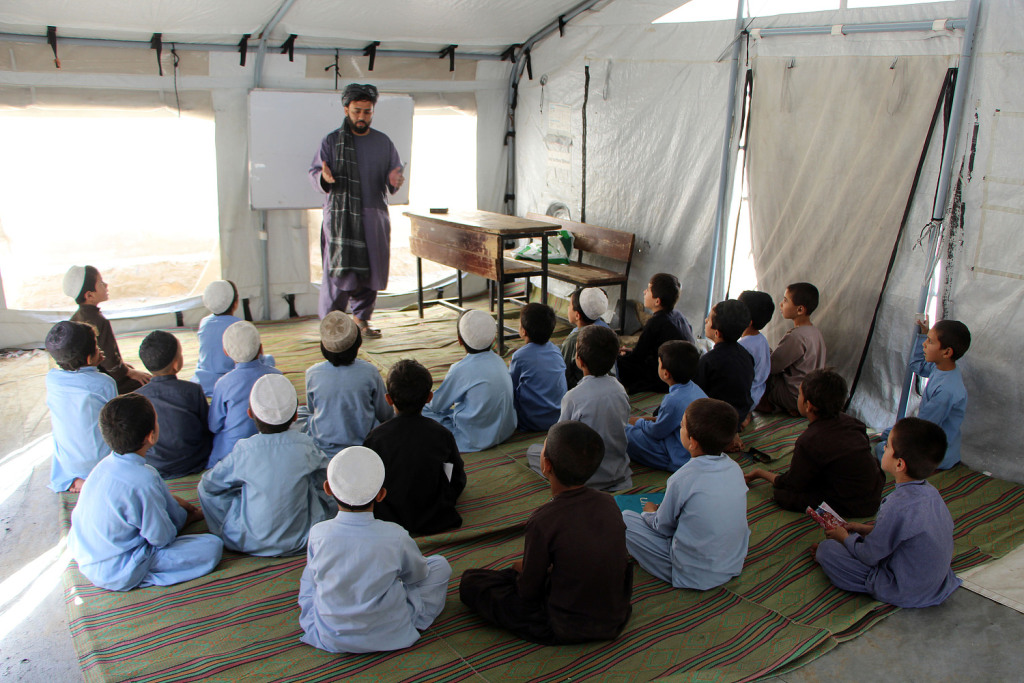
Frequently Asked Questions
Why is Afghanistan's GDP growing but its people getting poorer?
GDP measures the total value of goods and services, but it doesn't show how wealth is distributed. In Afghanistan, growth is driven by a few sectors like mining and construction, which don't create many jobs. Meanwhile, population growth and inflation erode any per capita gains, and the majority of Afghans rely on informal work that isn't counted in official statistics.
What impact do sanctions have on ordinary Afghans?
Sanctions and frozen assets have made it difficult for Afghan banks to process international transactions, limiting imports and exports. This leads to higher prices for essential goods like food and medicine. Additionally, the lack of foreign investment means fewer job opportunities, pushing more people into poverty.
Can Afghanistan's economy recover without international recognition?
Long-term recovery is unlikely without international recognition. Recognition would unlock foreign aid, investment, and access to global markets. It would also enable the central bank to use its frozen reserves to stabilize the currency and support trade. As long as the Taliban remains isolated, the economy will continue to struggle.
Source: https://www.thepaper.cn/newsDetail_forward_34030816
Related posts
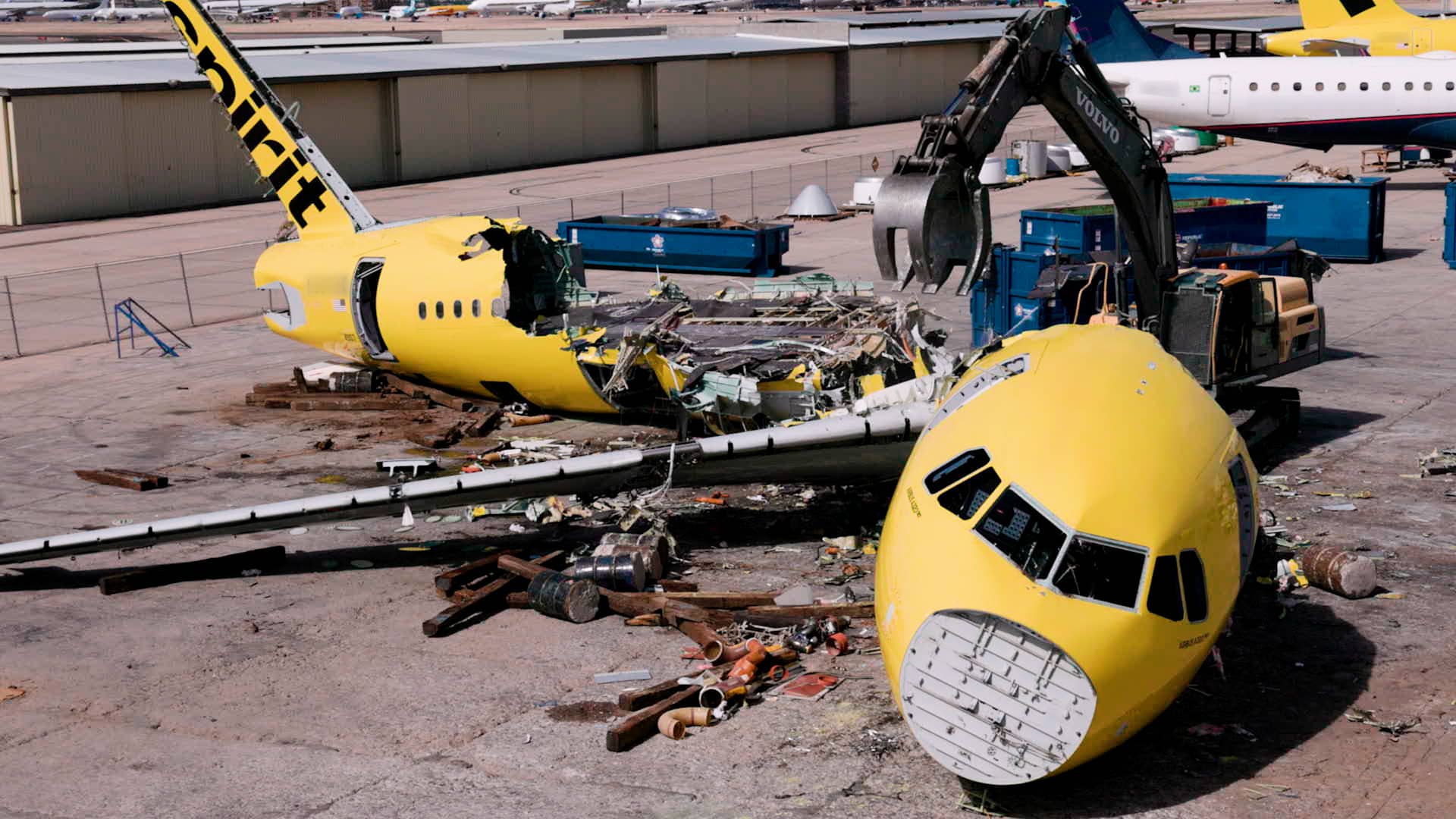
Why Airlines Are Scrapping Brand-New Aircraft Amid Engine Shortage Crisis
Airlines are dismantling planes years ahead of schedule due to unprecedented engine shortages, creating a booming market for aircraft parts while raising concerns about sustainability and operational costs.

NHK Documentary Exposes Secret 1978 Yasukuni Shrine Ritual
Newly released archival footage reveals the 1978 secret ritual that enshrined Class-A war criminals, exposing Japan's persistent historical revisionism.
Philippines Air Force Training Crash: 4 Pilots Killed in SF-260 Collision
A tragic air collision during a routine training mission in the Philippines has resulted in the deaths of four Air Force pilots. The incident highlights critical safety concerns within the country's military aviation infrastructure.
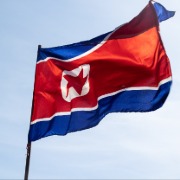
North Korea Holds Third Company Commanders Meeting Amid Military Reinforcement
Analysis of North Korea's recent military leadership gathering focused on strengthening company-level units and enhancing combat readiness.

Gen Z Candidates Tackle Housing Crisis in Midterms 2026
Young lawmakers from both parties are campaigning on solving the record-high cost of living. Explore how Gen Z is reshaping the housing debate.
Tibetan Plateau Earthquake: Analysis of the 7.0 Magnitude Quake and Post-Disaster Response
Expert analysis of the 7.0 magnitude earthquake in Baingoin, Tibet, examining its geological significance and the unique challenges of disaster response at high altitudes.
Meta's New Link Policy: Why Social Media Sites Want You to Stay
Meta is introducing paid plans to limit free hyperlink posting, a strategic move driven by the business model of keeping users engaged on platforms.

Darden vs. Chipotle: How Portfolio Diversification Impacts Restaurant Stock Performance in 2026
Why owning multiple brands like Darden and Brinker International outperformed single-chain giants like Chipotle and McDonald's in 2026. Analyzing the power of portfolio diversification.
Latest Articles
- High Fares And Fewer Passengers: Why Airlines Are Profitable Despite Lower Demand
- American Express Cuts 5% of Workforce to Accelerate AI Transformation
- Israel Imposes Total West Bank Blockade After Hebron Attack
- Russia Starts Diesel Exports to US: Geopolitical Shifts Ahead
- Peru Allocates $1.8 Billion to Combat El Niño and Economic Headwinds
- Trump Demands SpaceX Lift Starlink Restrictions for Ukraine Amid Geopolitical Tensions