AI-Powered Hedge Fund Cuts Costs by 99%: Inside Bracket22
Brian Kelly's Bracket22 runs entirely on AI agents, slashing labor costs from $5M to $40K. Explore how AI is reshaping hedge funds and Wall Street.
Source: CNBC
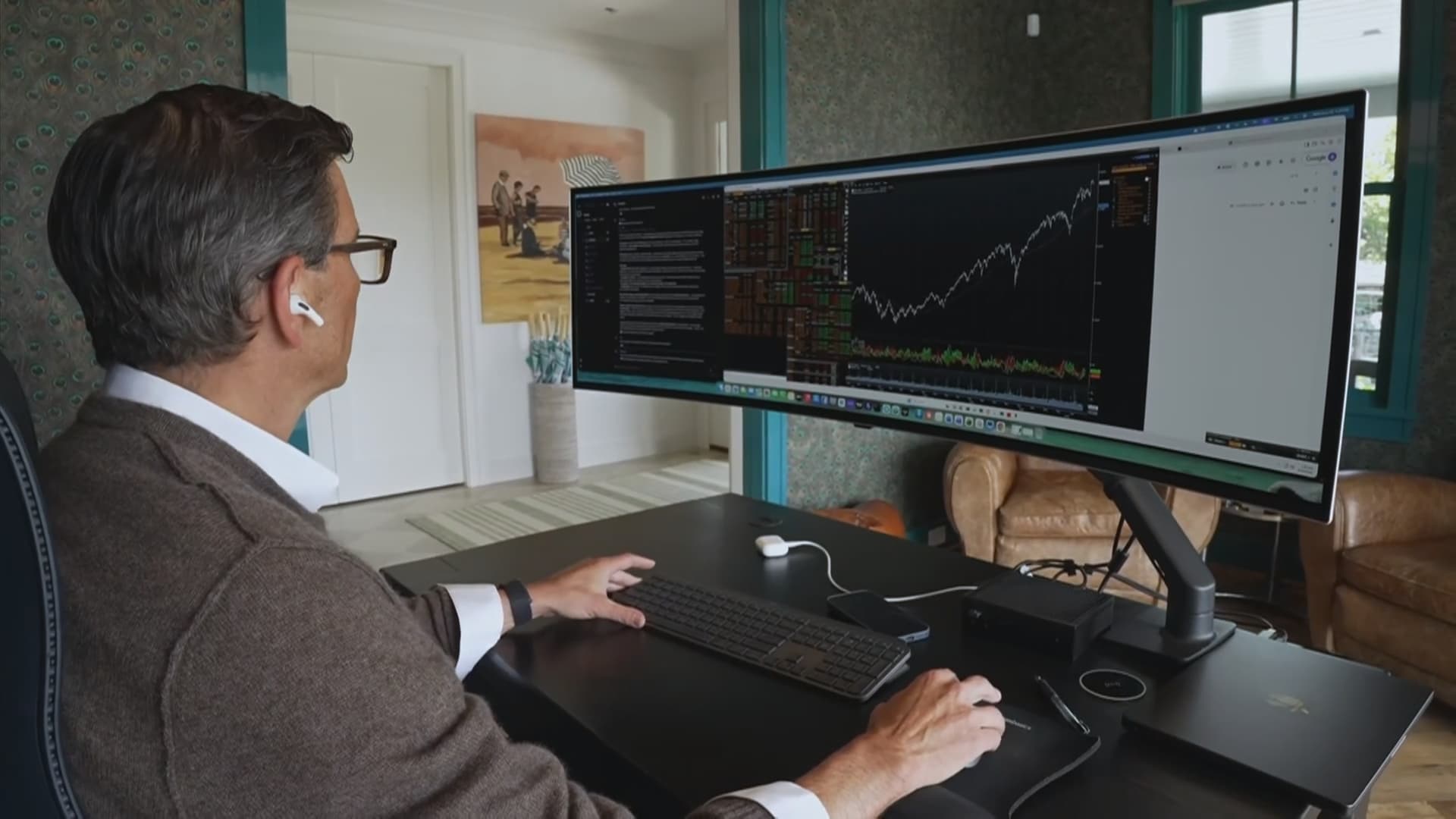
In a striking demonstration of AI's transformative power on Wall Street, hedge-fund manager Brian Kelly has built his new firm, Bracket22, to operate with zero human employees—relying entirely on a team of AI agents. Kelly, a former CNBC "Fast Money" trader, claims his annual labor-related costs have plummeted from roughly $5 million to just $30,000–$40,000. This dramatic shift raises critical questions about the future of finance, the role of human judgment, and the true potential of agentic AI.
Key Takeaways
- Cost Reduction: Kelly's previous hedge fund employed 7-8 people worldwide, with salaries, benefits, and office space totaling about $5 million annually. Now, Bracket22 runs on AI agents and compute costs of $30,000–$40,000 per year—a 99% reduction.
- AI Agent Team: Bracket22 uses specialized AI agents: "Steffi" for technical analysis, "Desmond" for quantitative strategies, and "Houston" as mission control, coordinating all activities.
- Human-in-the-Loop: Despite full automation, Kelly emphasizes that he uses his own human judgment and insight to make final trading decisions, viewing AI as a tool to augment, not replace, human expertise.
- Productivity Gains: Kelly estimates he is "at least 10 times more productive" with his AI agents, allowing him to manage a complex portfolio of cryptocurrencies, stocks, and commodities single-handedly.
- Wall Street Trend: Major banks like JPMorgan Chase and Morgan Stanley are also integrating AI, with JPMorgan planning to launch autonomous AI agents that can work for hours without human intervention.
- Cautious Voices: Some industry leaders, including a Goldman Sachs partner, warn that over-reliance on AI could erode bankers' reasoning skills, highlighting the need for balanced integration.
- Future Vision: Kelly believes the real opportunity lies in augmenting human workforces—"If you take a staff of 100, [with AI] you've got a staff of a thousand"—suggesting AI can amplify human productivity rather than just replace jobs.
Deep Dive Analysis
The emergence of Bracket22 is a landmark case study in the practical application of agentic AI in high-stakes financial trading. Beyond the eye-popping cost savings, Kelly's model demonstrates that AI can handle complex, multi-asset strategies with minimal human oversight—a concept that was science fiction just a few years ago. However, this shift is not without its risks. The financial industry is built on trust, accountability, and nuanced judgment, qualities that AI, in its current form, lacks. Kelly's approach of using AI for analysis and human judgment for final decisions may be the sweet spot for now, but as AI models become more sophisticated, even that boundary may blur.
From a market perspective, the adoption of AI in hedge funds is likely to accelerate, driven by cost pressures and the promise of enhanced returns. But this also raises systemic concerns: if AI agents make errors, who is liable? How do we ensure transparency in AI-driven trading decisions? Regulators are already grappling with these questions, and the industry may need new frameworks to govern AI use. Moreover, the shift toward AI could exacerbate income inequality, as high-paying finance jobs are replaced by a handful of AI managers. Yet, as Kelly points out, AI can also make existing employees vastly more productive, potentially creating new roles focused on AI oversight, strategy, and ethics. The future of finance will likely be a hybrid model, where AI handles the grunt work and humans provide the strategic vision—and Bracket22 is a bold experiment in that direction.
Frequently Asked Questions
How does Bracket22 make trading decisions without human employees? Bracket22 uses a team of AI agents, each specialized in different tasks like technical analysis or quantitative strategies. These agents process market data and generate recommendations, but Kelly, as the human manager, reviews their outputs and makes the final trading decisions. This hybrid approach ensures human oversight remains central.
Is this approach legal and compliant with financial regulations? Yes, as long as the firm operates within existing securities laws. Bracket22 invests only Kelly's own capital, which reduces regulatory burdens compared to managing third-party funds. However, if such AI-driven models were used for client funds, regulators would likely require robust risk management and transparency measures.
What are the potential risks of relying on AI agents for trading? Key risks include technical failures, algorithmic biases, and the inability of AI to react to unprecedented market events. Additionally, over-reliance on AI could lead to a loss of human trading skills, a concern raised by some industry experts. Kelly mitigates this by maintaining final human oversight, but the broader industry must remain vigilant.
Source: https://www.cnbc.com/2026/09/08/brian-kelly-bracket22-ai-agents.html
Related posts

EU's Cold War Approach to China's Arctic Activities Undermines Regional Stability
China criticizes EU's new Arctic strategy for adopting Cold War mentality, warning that geopolitical tensions threaten Arctic peace and sustainable development.
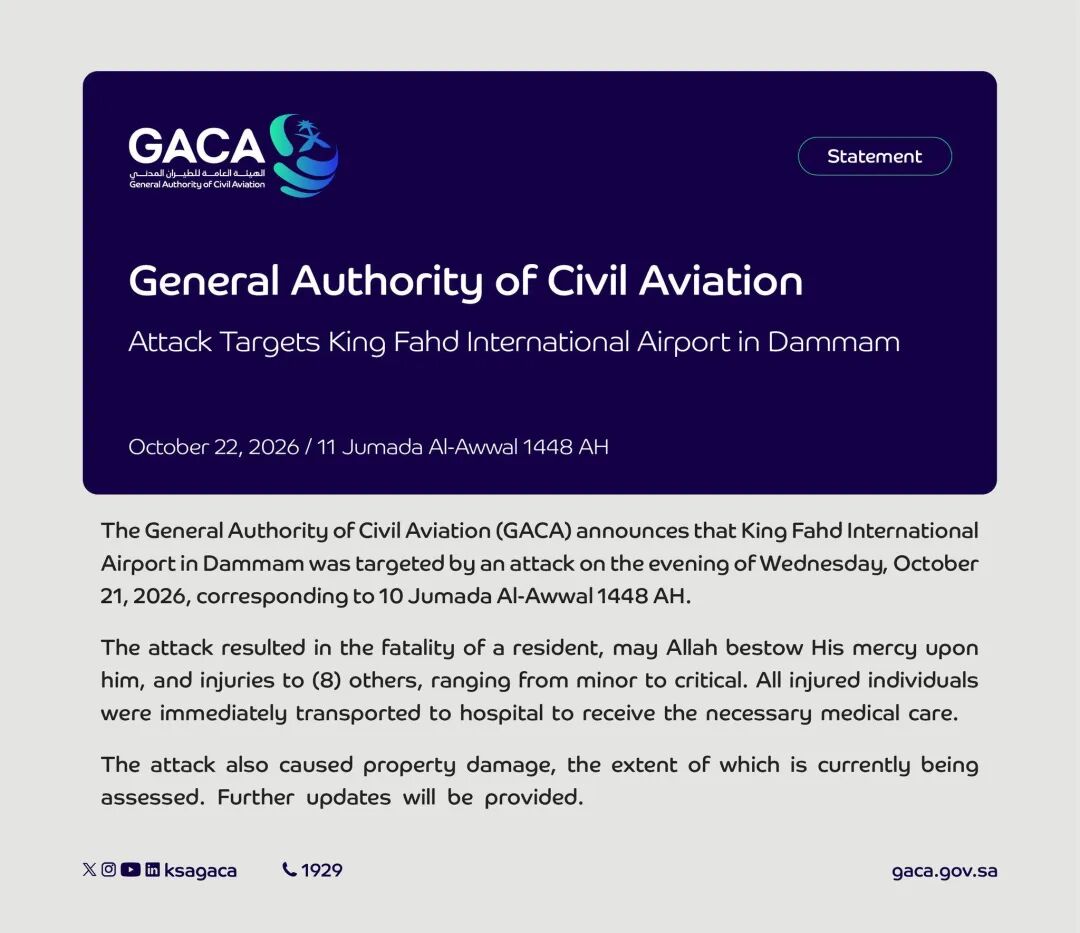
Travel Advisory: Safety Alert for Saudi Arabia Due to Airport Attacks
A deadly attack at King Fahd International Airport in Dammam has caused casualties and disrupted flights. The Chinese Embassy advises citizens to avoid travel and stay vigilant amid rising security threats.

US Israel Strike Plans Against Iran Post-Midterms: Escalation Risks
US and Israel are reportedly preparing for potential military action against Iran after the US midterm elections, as tensions rise and diplomatic efforts falter.

Saudi Arabia Execution of Bangladeshi Workers: Debunking the 'Honeymoon Kiss' Myth
Fact-checking the viral claims that two Bangladeshi citizens were executed in Saudi Arabia for a honeymoon kiss. We analyze the source of the rumors and the actual circumstances of their arrest and execution.

Wall Street Titans Debate AI Bubble: Internet Era or Long-Term Winner?
Citadel, BlackRock, and Oaktree leaders clash over AI valuations. Is the tech boom a repeat of 2000, or the dawn of a new era?
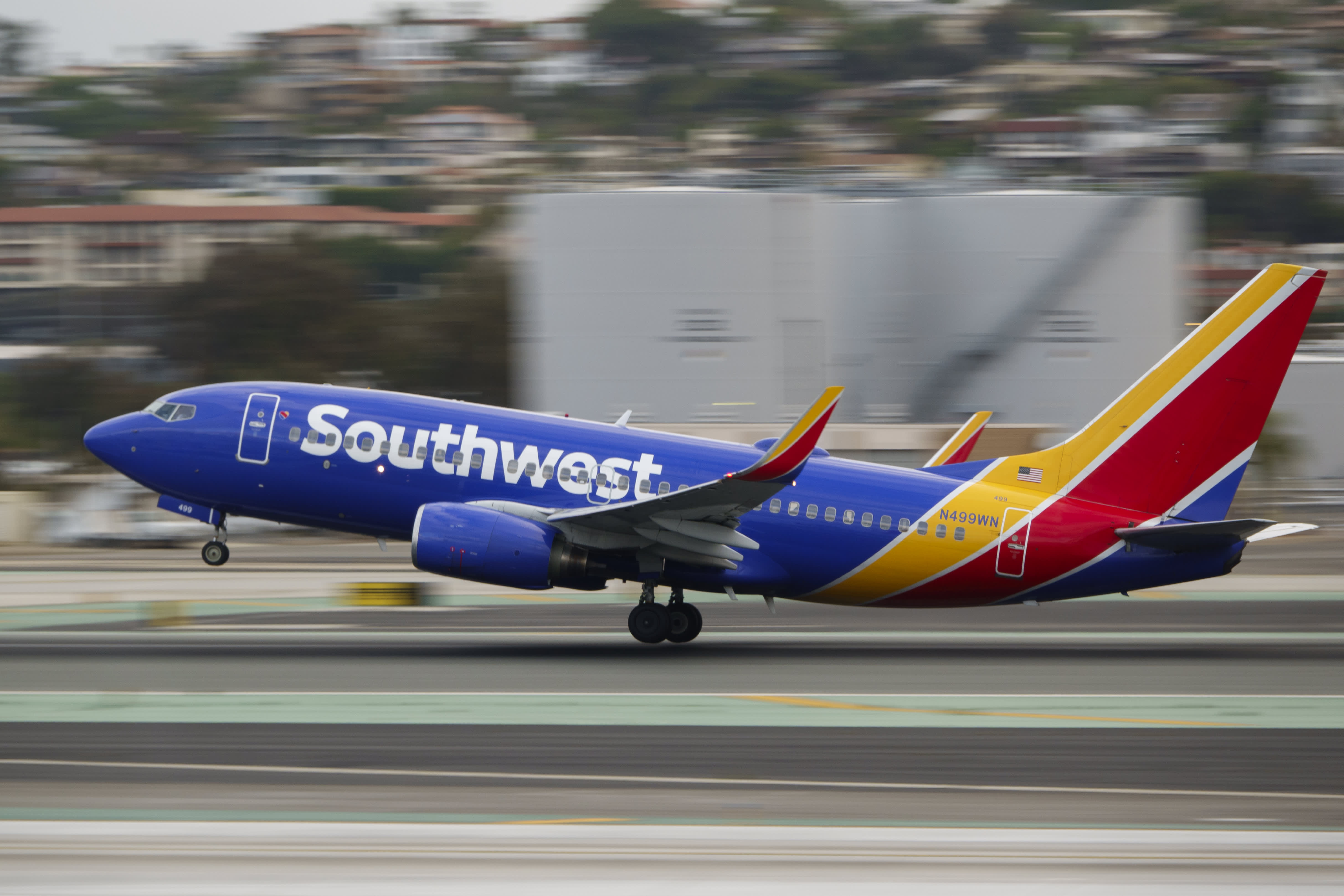
Southwest Airlines Cuts 2026 Profit Forecast Due to Rising Fuel Costs
Southwest Airlines lowers 2026 profit outlook to $2.60-$2.85/share due to higher fuel prices, despite strong demand.

eBay 9% Workforce Cut: Strategic Shifts & AI Investment in 2026
eBay cuts 1,000 jobs (9%) to streamline operations amid AI spending and Depop acquisition. Analyzing the second round of layoffs and strategic pivot.
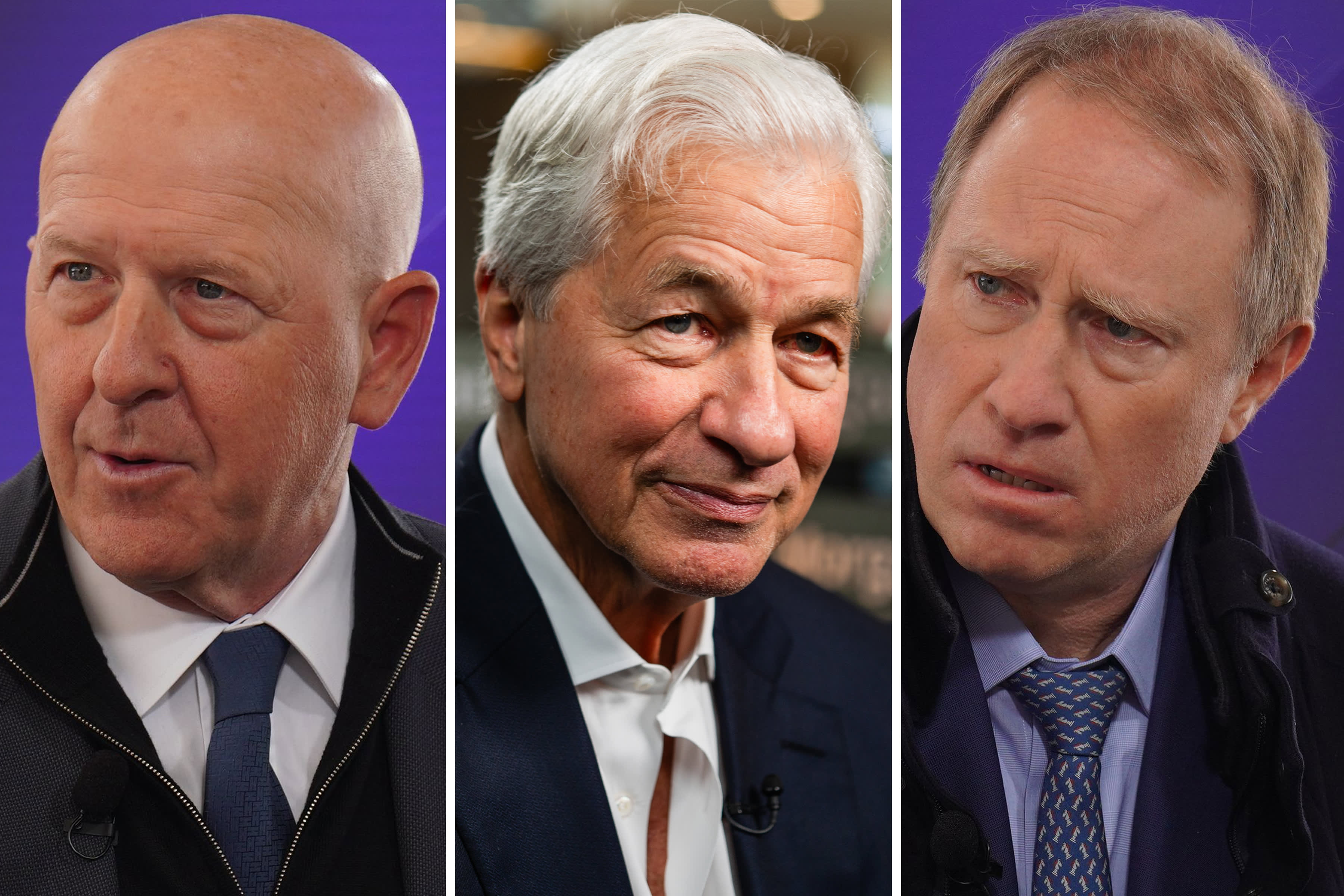
The AI Stock Boom: Goldman Sachs, JPMorgan, and Morgan Stanley's Dominance
Discover how Goldman Sachs, JPMorgan, and Morgan Stanley are leading the AI stock boom, leveraging relaxed capital rules and hedge fund lending. Explore the strategies and market trends shaping this lucrative industry.
Latest Articles
- The 30,000 km Journey of Beijing Swifts: Understanding Transnational Bird Conservation
- Japanese Telecom Giant Admits CEO's Actions Caused Massive Mongolia Grassland Fire
- Shanghai Cooperation Organization: Strengthening Global Governance and Future Collaboration
- Nvidia CEO Jensen Huang: Europe Must Act Fast or Risk Falling Behind in AI Race
- Boeing 737 Max 10 FAA Approval: A Major Win After Years of Delays
- General Motors Beats Q3 2026 Earnings Estimates, Announces $20B Buyback