Fallcations Rise: Wealthy Travelers Swap Summer for Autumn
Luxury travel bookings surge 59% this fall as affluent tourists avoid summer crowds and heat. Discover top destinations, rising hotel rates, and expert insights.
Source: CNBC
As summer fades, a new travel trend is taking center stage: the 'fallcation.' Wealthy travelers are increasingly swapping their traditional July and August getaways for September and October trips, driven by a desire to escape oppressive heat, overwhelming crowds, and inflated prices. According to a recent study by Virtuoso, a global luxury travel network, fall bookings for luxury travel and experiences have jumped 59% compared to last year, with sales surging 69%. This shift marks a significant transformation in the luxury travel calendar, turning what was once a 'shoulder season' into a peak season in its own right.
Key Insights
- September eclipses August: September has emerged as the new peak month, with sales up 77% year-over-year. October and November follow closely, with increases of 54% and 71%, respectively. This data underscores a clear preference for autumn months among high-net-worth individuals.
- Why the shift? Travel experts point to several factors: scorching European heat waves, overcrowded destinations like southern Italy and France, and a growing emphasis on experiences over material goods. Wealthy travelers, many of whom are experienced globetrotters, now recognize that summer often delivers discomfort rather than relaxation.
- Demographic drivers: Baby boomers, who hold the majority of global wealth, are often retired and free to travel anytime. Gen Xers with grown children are no longer bound by school schedules, and millennial and Gen Z digital nomads can work remotely. This convergence has created a larger pool of affluent travelers who can choose autumn over summer.
- Top destinations: According to Virtuoso, Paris tops the list for wealthy American travelers this fall, followed by the Amalfi Coast, the French Riviera, Tuscany, and New York. London, Lake Como, Maui, and Rome also remain popular. Europe dominates, offering cultural richness and mild weather.
- The paradox of fallcation: The surge in autumn travel is recreating some of the very problems travelers sought to avoid. Hotel rates in Europe for September now rival summer rates, with some destinations seeing dramatic increases: average daily rates are up 131% in the Greek Isles, 78% in Puglia, and 179% in the French Riviera. Crowds in Southern Europe may soon rival July and August in popular resorts.
- Luxury hotel rates soar: Demand for luxury travel is pushing high-end hotel prices worldwide. Bookings at hotels charging $1,500 or more per night are up 37%, and the average luxury international hotel rate now stands at $1,653 per night, up from $985 in 2019. This premium reflects a strong desire for unique, high-quality experiences.
In-Depth Analysis
The rise of the fallcation is more than a seasonal quirk; it signals a fundamental shift in luxury travel behavior. The traditional summer holiday, once a status symbol, is losing its allure among the wealthy. Instead, this demographic is prioritizing comfort, exclusivity, and value—factors that autumn travel provides in spades. The acceleration of this trend in 2025 and 2026 can be attributed to climate change, which has made summer in Europe increasingly unbearable, and a post-pandemic mindset that values experiences over possessions.
However, this shift also highlights a growing challenge: the 'shoulder season' is disappearing. As affluent travelers flock to September and October, they bring with them the very congestion they tried to escape. This could lead to a new cycle where November becomes the next sought-after month, as Virtuoso's Misty Belles suggests. Indeed, November bookings are already up 70%, indicating that savvy travelers are looking further afield.
The economic implications are profound. Luxury hotel rates are climbing faster than lower-tier properties, reflecting a premium on experience. This trend is likely to continue as wealth concentrates among older generations and younger cohorts adopt flexible work arrangements. For the travel industry, this means adapting marketing strategies and pricing models to cater to a year-round luxury traveler, rather than relying on seasonal peaks.
Looking ahead, we may see the emergence of 'wintercations' or even 'springcations' as travelers seek to outsmart the crowds. Destinations that were once considered off-season—like the Amalfi Coast in November—could see renewed interest. For consumers, the key takeaway is to plan early and consider less popular months or alternative destinations to avoid the fall rush.
Frequently Asked Questions
Q: What is a 'fallcation'? A: A fallcation is a vacation taken during the autumn months (September to November), a trend increasingly popular among wealthy travelers who prefer milder weather and fewer crowds compared to summer.
Q: Why are wealthy travelers shifting to fall? A: Reasons include extreme summer heat, overcrowded destinations, and a desire for a more comfortable, exclusive experience. Many affluent travelers have flexible schedules, allowing them to travel outside traditional peak times.
Q: Are fall vacations more affordable than summer trips? A: Not necessarily. While fall may offer better weather and fewer crowds, hotel rates in popular European destinations are now close to or even exceeding summer rates due to high demand. Travelers should book early and consider less crowded destinations.
Source: https://www.cnbc.com/2026/09/04/fall-travel-wealthy-europe.html
Related posts

U.S. Loosens Fuel Economy Rules: Boost for V-8 Engines and Pickup Trucks
The U.S. lowers fuel economy targets to 34.9 mpg by 2031. Automakers see a financial tailwind, leading to a resurgence of V-8 engines and a shift away from compliance-focused EV investments.

Noah Adams: NPR Icon And Voice For Rural America
Explore the legacy of NPR's Noah Adams, a master storyteller who captured the soul of rural America and shaped public radio journalism for decades.

Social Security Benefits Boost, Russia-Ukraine War Updates, And Global Geopolitical Shifts
Explore the latest Social Security increase, the strategic implications of Russia's Starshield, and the Houthis' attack on Aramco in this comprehensive global analysis.
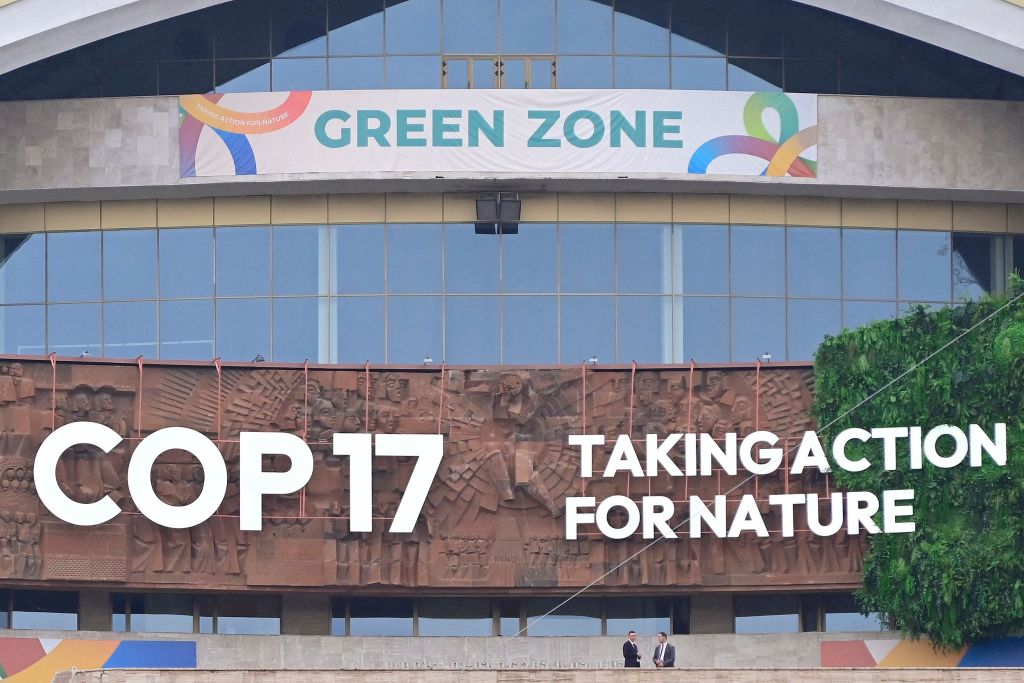
COP17: Critical Moment for Biodiversity Framework Implementation
As the Kunming-Montreal Global Biodiversity Framework faces implementation challenges, COP17 must deliver concrete solutions to address funding gaps, subsidy reforms, and global cooperation.
Iran's Deep Involvement in Yemen Conflict and Egypt's Potential Military Intervention
Saudi Arabia faces critical shortages in air defense due to Houthi attacks, prompting urgent requests for help. Reports reveal Iran's intelligence support for Houthi strikes, while Egypt prepares to defend Saudi sovereignty.
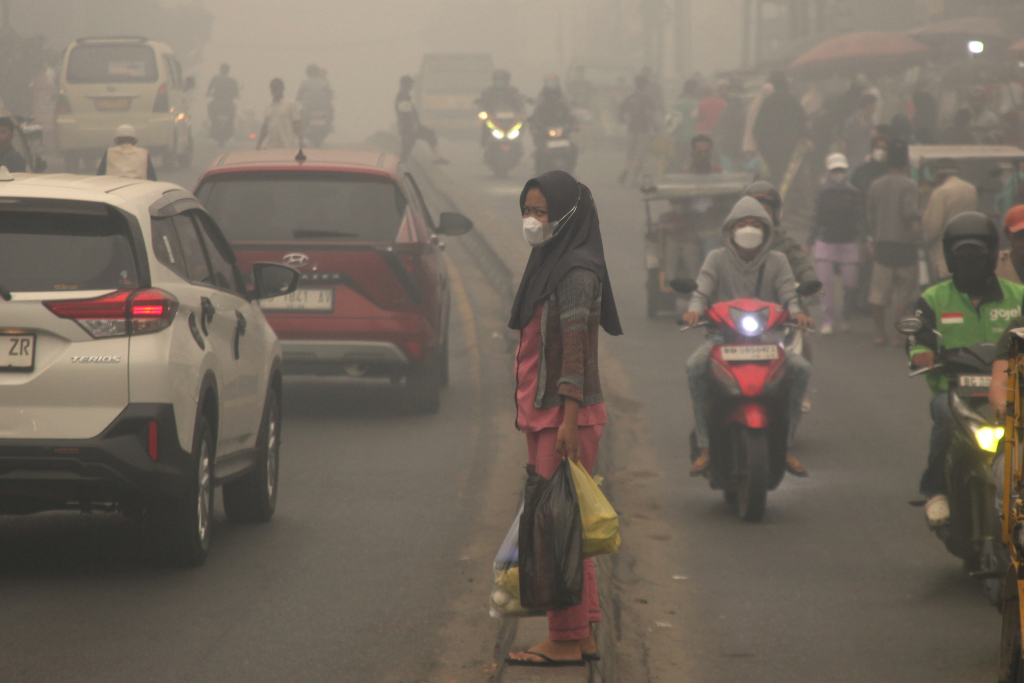
Haze from Kalimantan Forest Fires Reaches Jakarta Sky
Smoke from massive forest fires in Kalimantan, Indonesia, has drifted over the capital, Jakarta, creating hazardous air quality conditions and affecting neighboring Singapore and Malaysia.

France Protests 2026: Mass Demonstrations Over Living Costs and Education
Hundreds arrested in France as millions march against fuel prices, education cuts, and public service reforms. Explore the latest updates.

Trump Signs Executive Order to Waive Key Sanctions on Russia Amid Energy Crisis
Trump administration exempts major parts of the Graham Bill, including 500% tariffs on Russian imports, to stabilize domestic fuel markets.
Latest Articles
- LDP Senior Official Visits Yasukuni Shrine Amid Rising Regional Tensions
- Merck CEO: Cancer Vaccine Production Timeline to Shorten
- Porsche Unveils Mission S Concept: New Flagship Design Direction
- AI Startup Bankruptcies: The Reverse Acquihire Trend Explained
- IMF Secretary-General Warns: Strait of Hormuz Risks Remain High Amid Rising Attacks
- Trump's AI to SI Rename: Political Theater or Tech Revolution?